
JD Vance
-
The Trap of Reconstruction: How the US-Iran Deal Subordinates Tehran to Gulf Capital
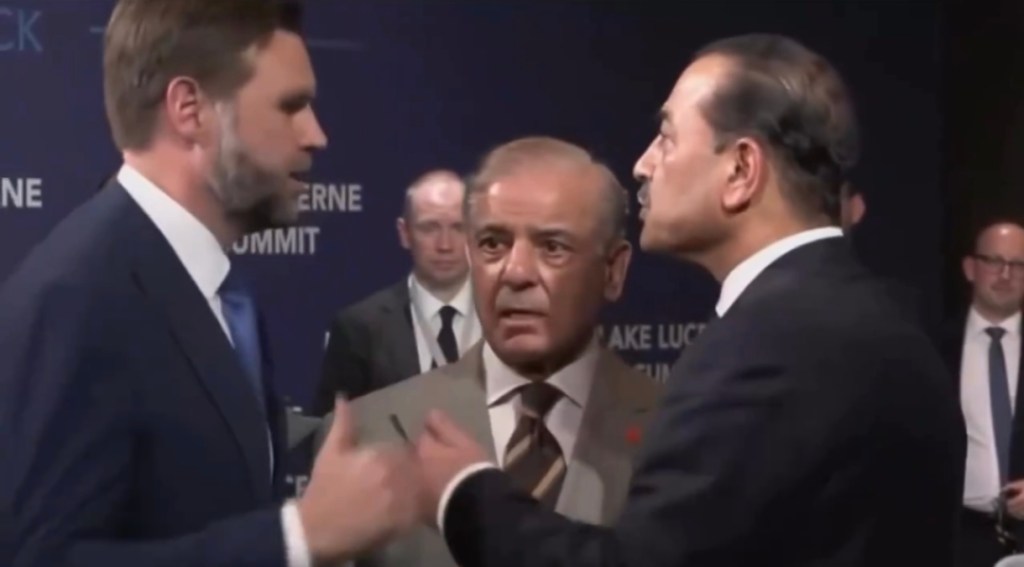
From Proxy Networks to Capital Dependency in the Post-War Middle East The signing of the Islamabad Memorandum of Understanding between the United States and the Islamic Republic of Iran on June 17, 2026, marks a decisive inflection point in the geopolitical trajectory of the Middle East, yet its true significance lies less in the cessation… Continue reading
AI and Digital Control, America, Foreign Policy, Geopolitics, imperialism, iran, israel, NATO, neocolonialism, Russia, waraxis of resistance, Belt and Road Initiative, financial imperialism, Gulf Cooperation Council, IMF structural adjustment, Iranian foreign policy, Islamabad Memorandum, JD Vance, managed multipolarity, maritime sovereignty, Middle East geopolitics, petrodollar system, reconstruction politics, regional security architecture, Strait of Hormuz, US–Iran relations -
The End of Orbán, Not Orbánism
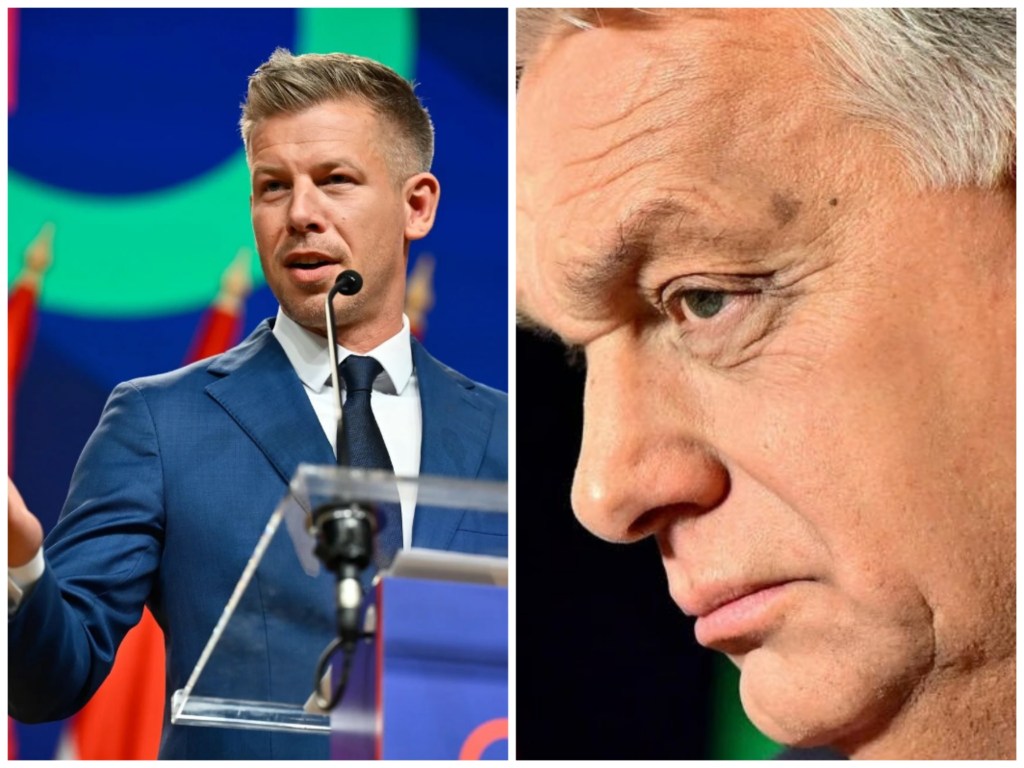
Magyar maintains sovereignty policy while altering Hungary’s position inside EU bargaining as Energy dependence and EU leverage define Hungary’s policy regardless of leadership change Hungary’s recent election removed Viktor Orbán from office after more than a decade of centralised rule, replacing him with Péter Magyar following a vote that delivered roughly 54 per cent to… Continue reading
AI and Digital Control, America, economics, Energy, EUROPE, Financial markets, Foreign Policy, Geopolitics, iran, israel, middle east, Mineral Resources, NATO, politics, reserve currency, Russia, technology, warCentral Europe, defence production, donald trump, elections, energy policy, EU funding, European fragmentation, European Union, Game Theory, Geopolitics, hungary, international relations, JD Vance, migration policy, NATO, Péter Magyar, political economy, Russia, sanctions, Sovereignty, Ukraine war, Viktor Orban, vladimir putin
