
Huawei
-
The Language of Losers: European Protectionism and the Limits of Western Trade Orthodoxy
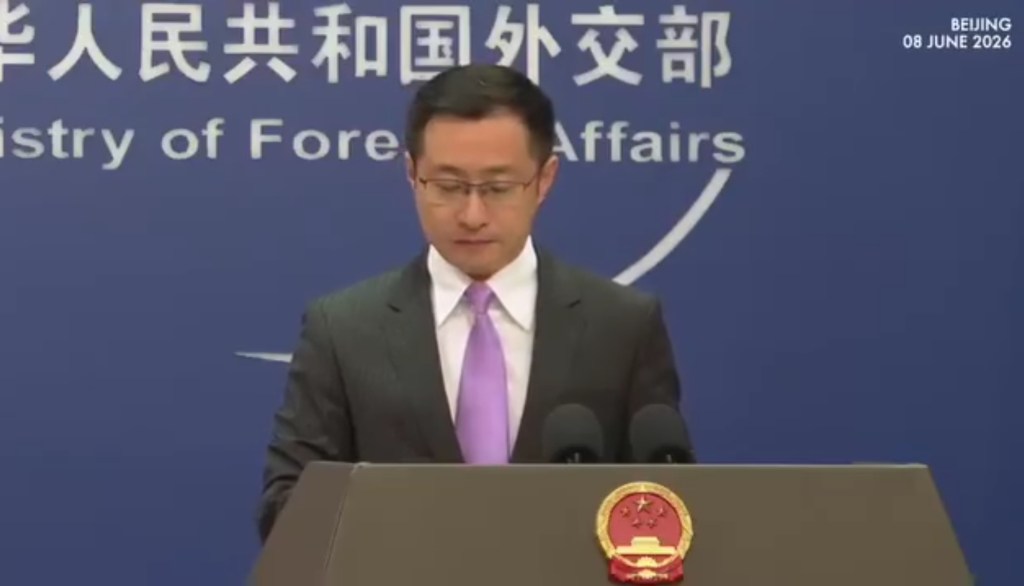
When a Chinese foreign ministry spokesman stood at a lectern in Beijing on 11 June 2026 and addressed a Bloomberg News correspondent’s question about European supply-chain legislation, he said little that the Foreign Ministry had not said before. The EU’s proposed directive compelling companies to reduce over-dependency on single suppliers was, the spokesman observed, simply… Continue reading
-
DeepSeek and the End of American AI Cost Dominance

How DeepSeek exposed the economic weakness inside high-cost American artificial intelligence systems DeepSeek released a lower-cost artificial intelligence model that approaches the performance range of leading American systems while operating at a fraction of the reported price. Reported token pricing places DeepSeek near $3.48 per million output tokens, while comparable frontier systems from OpenAI and… Continue reading
AI and Digital Control, America, China, economics, Energy, Financial markets, Foreign Policy, Geopolitics, iran, israel, middle east, Mineral Resources, NATO, politics, reserve currency, Russia, satellites, technology, warAI deployment, AI economics, AI infrastructure, AI market disruption, American technology sector, artificial intelligence, asymmetric competition, China, Chinese industrial strategy, Chinese technology, chip restrictions, computational economics, compute efficiency, cost advantage, cost warfare, DeepSeek, export controls, frontier models, geopolitical technology, hardware sanctions, Huawei, Huawei chips, industrial competition, industrial policy, OpenAI, semiconductor competition, Silicon Valley, strategic technology, technology rivalry, technology sovereignty -
Ban on Chinese Scientists Scrapped at NeurIPS After Backlash
Sanctions frameworks and conference gatekeeping operate as political tools in shaping scientific access, funding, and global AI competition Reversal of a ban on Chinese researchers by United States-based organizers of NeurIPS has exposed the degree to which geopolitical competition now shapes access to core scientific infrastructure in artificial intelligence, a field central to economic and… Continue reading
AI and Digital Control, America, China, economics, Energy, EUROPE, Financial markets, Foreign Policy, Geopolitics, Global Finance, iran, israel, NATO, politics, reserve currency, Russia, waracademic freedom, AI, AI competition, AI supremacy, artificial intelligence, China, Chinese scientists, compliance, conference governance, COVID-19, Geopolitics, global research, Huawei, ICLR, ICML, innovation, institutional control, knowledge economy, legal frameworks, machine learning, NeurIPS, peer review, research bans, research funding, sanctions, science policy, scientific publishing, technology policy, United States, US-China relations
