
China
-
The Real Global Conflict: Free Trade vs. National Development

Why the fight between finance capital and industrial capital matters more than the clash between democracy and authoritarianism Editorial Analysis | September 2026 The framework that locates contemporary geopolitical conflict within a struggle between two opposed systems of economic governance has considerable explanatory power that conventional left-right analysis lacks. The British system of free trade,… Continue reading
AI and Digital Control, America, bond market, China, covid pandemic, economics, Energy, EUROPE, Financial markets, Foreign Policy, Geopolitics, Global Finance, Immunisation, imperialism, iran, israel, japan, knowledge, middle east, Mineral Resources, NATO, neocolonialism, politics, reserve currency, war -
AI Won’t Kill You. The People Selling It Might.
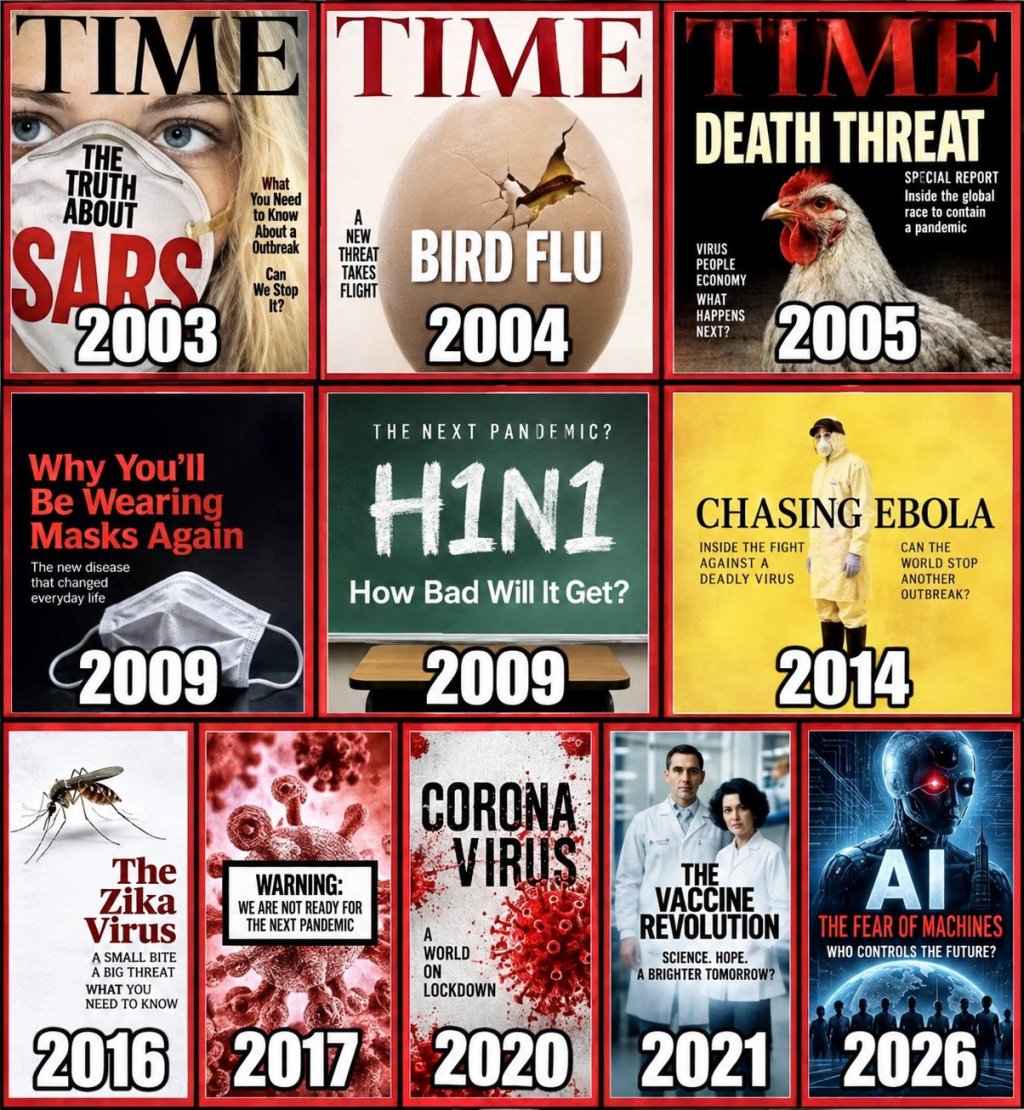
Why the warnings of existential risk from artificial intelligence serve the interests of the firms that issue them, and how the real harms of algorithmic governance are already being inflicted on populations that possess no means of resistance Editorial Analysis | September 2026 The claim that executives of leading artificial intelligence firms have experienced a… Continue reading
-
The Arsenal of Empire – How Private Profit and Strategic Overreach Are Breaking the American Military
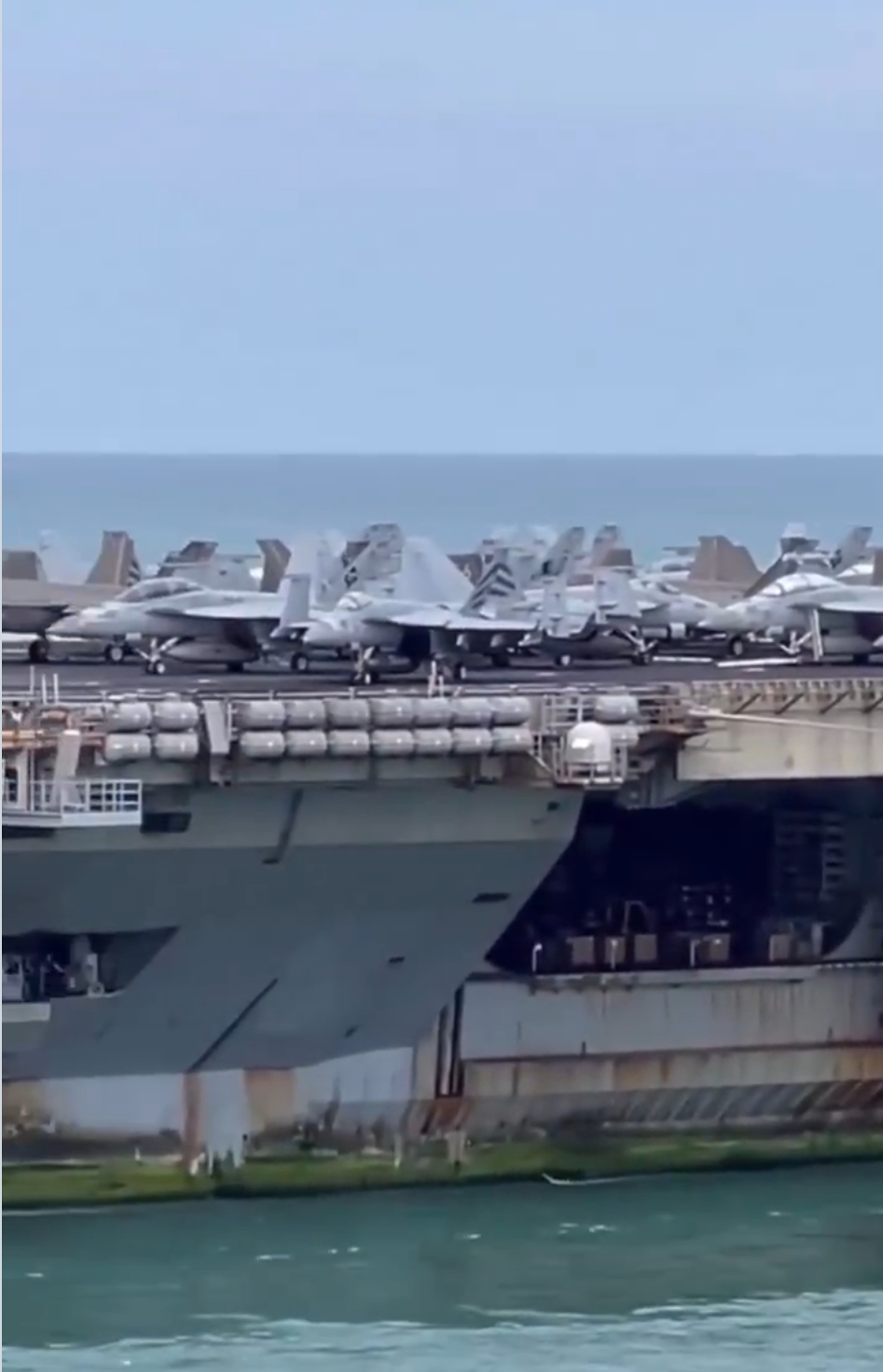
From the failure of Silicon Valley’s defence startups on Ukrainian battlefields to the logistical collapse of the United States Navy in the Persian Gulf, the gap between American military spending and American military capability has become a chasm that no amount of additional funding can bridge Editorial Analysis | September 2026 The performance of the… Continue reading
-
China’s Objections at the United States-Hosted G20 Finance Meeting and the Limits of Manufactured Multilateral Consensus
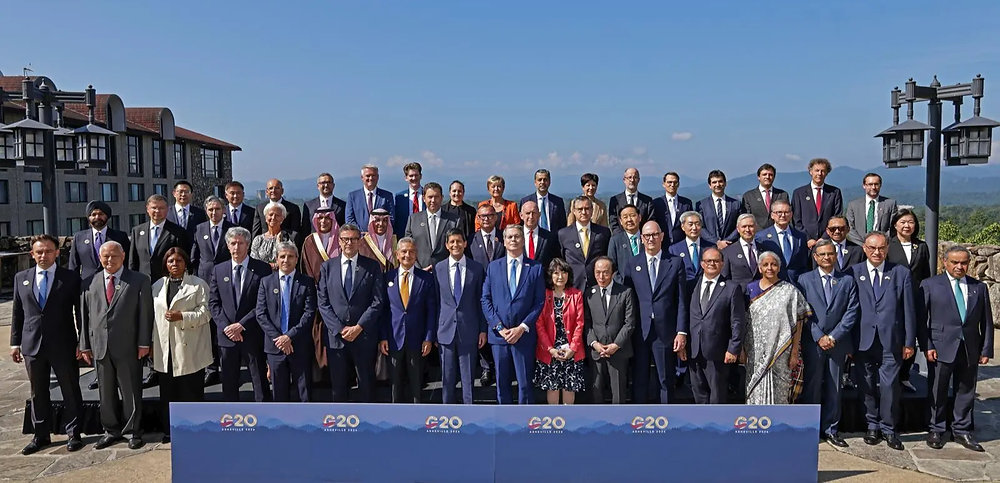
An examination of the institutional, strategic and economic drivers behind Beijing’s refusal to endorse language on trade imbalances, non-market policies and critical supply chains in the chair’s statement issued after the Asheville gathering Editorial Analysis | September 2026 In the closing days of the United States G20 presidency’s finance track, finance ministers and central bank… Continue reading
-
The U.S. Vows to Impose the Toughest Sanctions in History on Iran
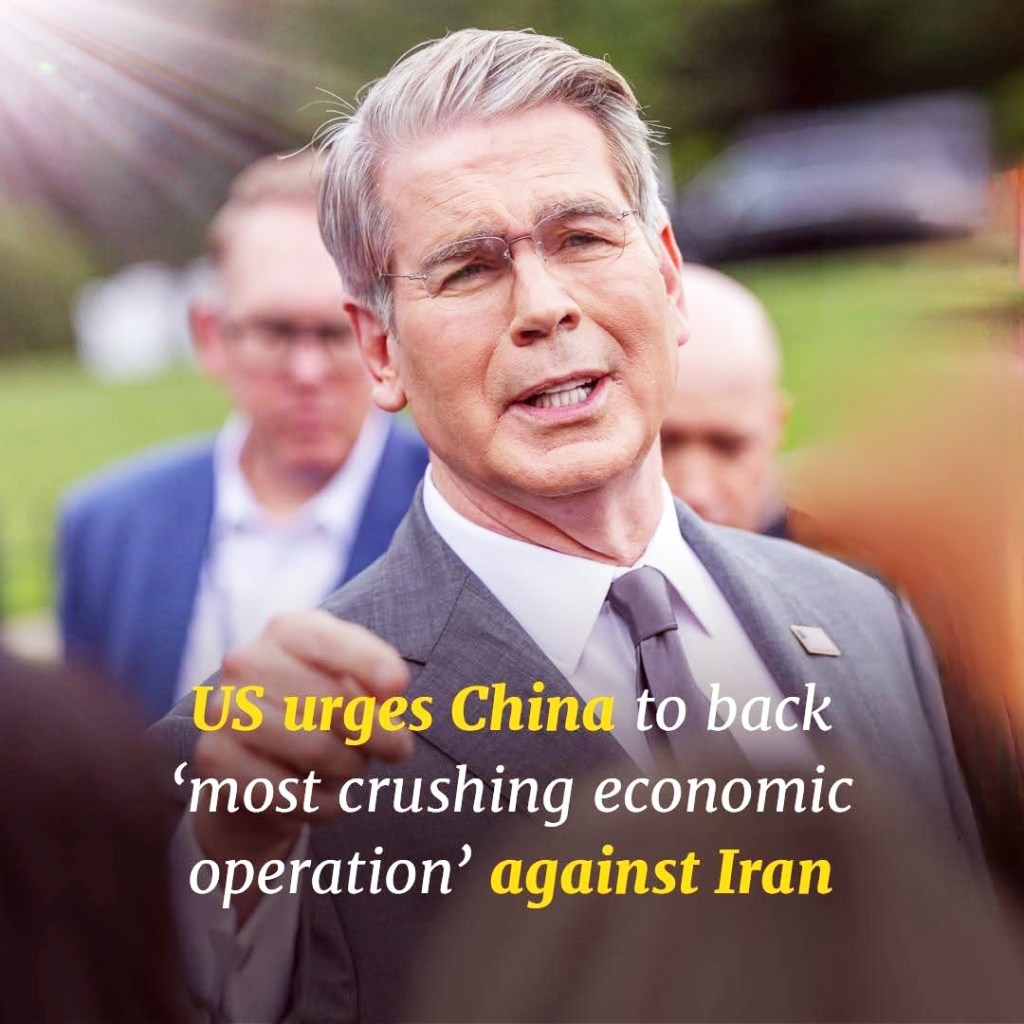
President Trump Declares ‘Economic D-Day,’ Threatening Crippling Sanctions for Dealing with Iran General Article | August 2026 Washington has launched what it describes as an economic D-Day against Iran, with United States Treasury Secretary Scott Bessent vowing to impose the toughest sanctions in history in a concerted effort to collapse the Iranian government. Speaking to… Continue reading
-
The Imported Genius

How America’s AI Revolution Relies on Chinese Talent and Why That Dependency May Prove Unsustainable The United States’ artificial intelligence boom, celebrated as a triumph of American innovation and entrepreneurial spirit, rests on a foundation that is far less homegrown than official narratives suggest. A comprehensive analysis by the Paulson Institute’s MacroPolo think tank reveals… Continue reading
-
The Petro-less Dollar
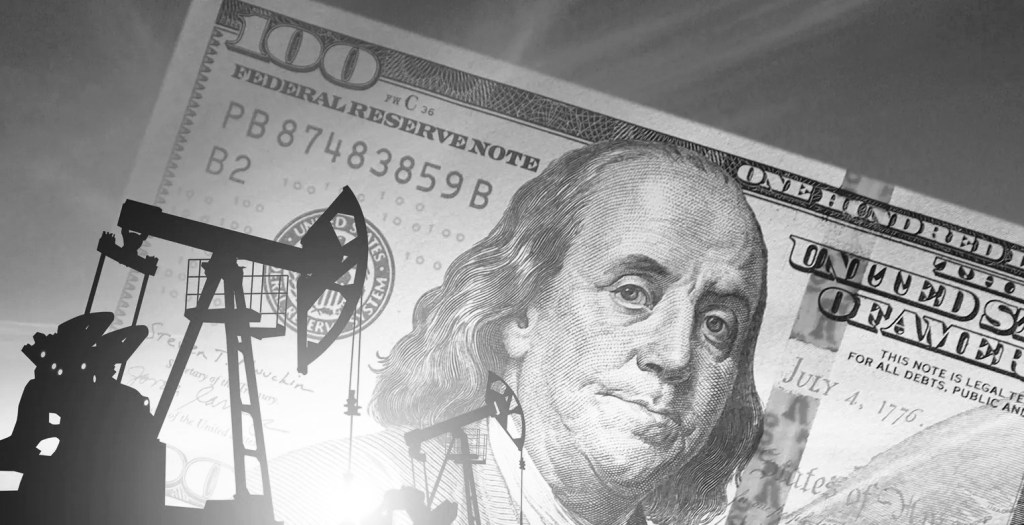
How Washington’s War on Iran Has Undermined the Financial Foundation of American Power The interruption of crude oil trade through the Strait of Hormuz and the Red Sea has produced an outcome that Washington’s strategic planners almost certainly did not anticipate when they launched military operations against Iran in February 2026 (1). Throughout the entire… Continue reading
-
The Mask of Western Liberalism Has Slipped
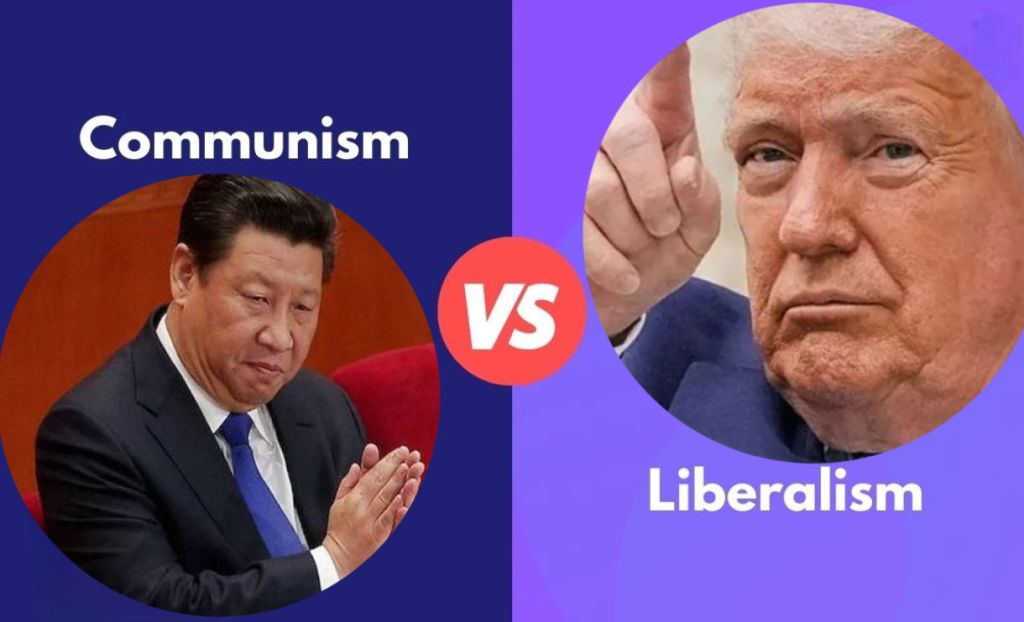
Western Industrial Policy and the Abandonment of Market Orthodoxy Exposes the Class War in the Face of Chinese Competition The ideological edifice upon which Western global dominance was constructed has collapsed with remarkable speed. For decades, the United States and its allies justified their hegemony through a simple formula that presented liberal democracy and free… Continue reading
-
The Pause That Reveals Everything: Understanding America’s Controlled Demolition of the Global Energy Order
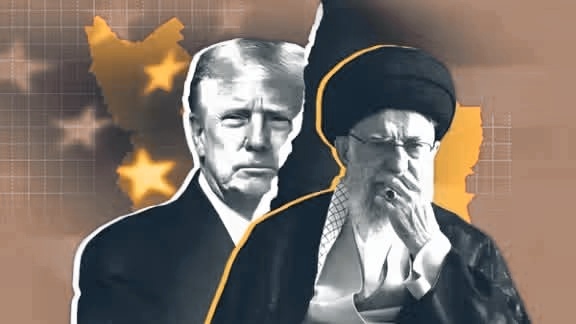
An examination of how operational pauses, proxy pressure on Russian and Iranian energy flows, and the expansion of North American liquefied natural gas serve the long-term strategic objectives of transnational financial capital.. Editorial Analysis | August 2026 The periodic cessation of kinetic strikes conducted by the United States and its regional proxies against Iranian infrastructure… Continue reading
-
China Defends Export Controls as Japan Criticizes Rare Earth Restrictions
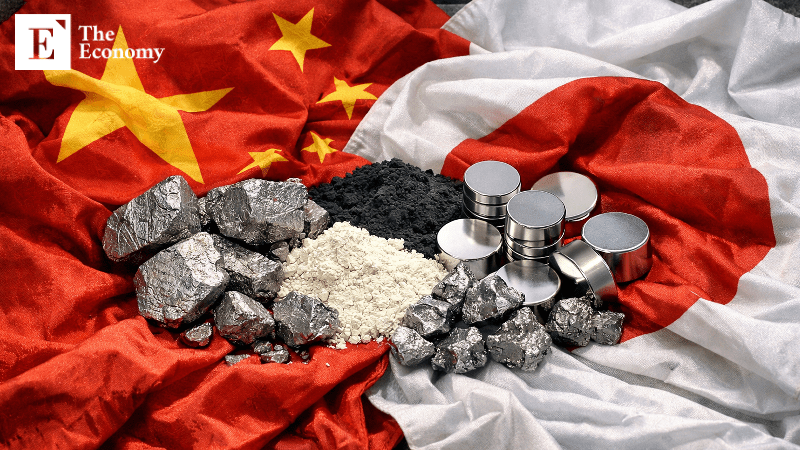
Beijing argues its measures are a restrained response to Japan’s growing military role and its position on Taiwan, while Tokyo says the restrictions are harming its economy. China has banned the export of all dual-use items to Japanese military users and for Japan’s military use. According to China’s Ministry of Foreign Affairs, the goal is… Continue reading
