
Middle East geopolitics
-
Iran Holds: What Follows the Collapse of the Street Strategy
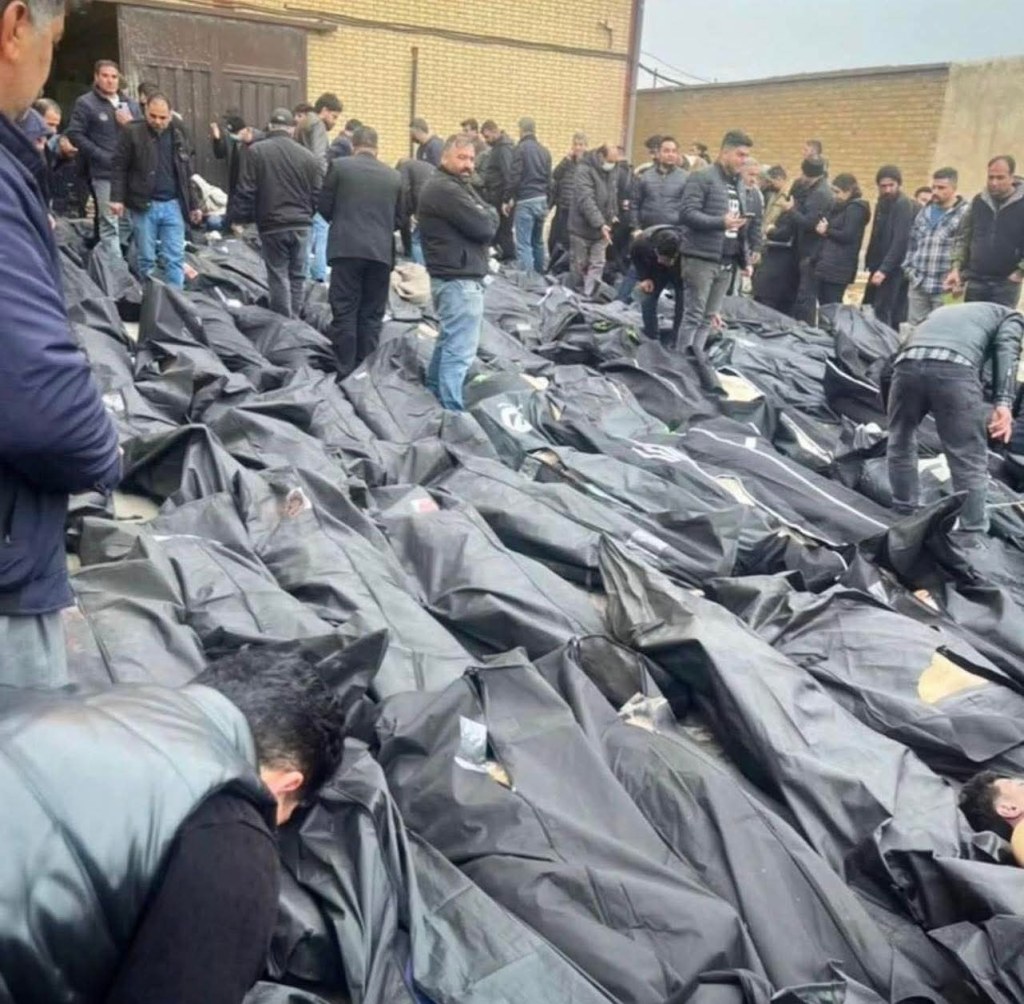
How economic warfare, intelligence operations, and deterrence shift after regime survival As the violence subsided and funerals replaced street clashes, casualty data began to undermine the dominant external narrative surrounding the unrest. Official death tallies released by Iranian authorities showed that a clear majority of those killed were neither demonstrators nor participants in protest activity.… Continue reading
-
The Limits of Regime Change in a Hardened State

Manufactured internal dissent, external pressure, and the endurance of a layered Iranian political order The demand for regime change in Iran has become a litmus test for political coherence in the present international order. Advocacy for the overthrow of the Iranian state, when detached from the material balance of power that governs outcomes, functions as… Continue reading
-
Domestic Turmoil and Foreign Brinkmanship Push the U.S. Toward a Critical Crossroads

As nationwide protests challenge federal authority, rising pressure on Iran and looming military options raise fears of dangerous miscalculation at home and abroad. The crisis now unfolding is no longer confined to a single country or a single issue. It is developing simultaneously inside the United States and across the Middle East, with each front… Continue reading
-
Iran and the Next Phase of Forced Regime Change

The structural logic driving the United States and Israel toward conflict with Iran The present confrontation between the United States, Israel, and Iran reflects a long-running project of coercion, containment, and eventual removal of a non-compliant regional power whose position obstructs Western strategic dominance across Eurasia. The current phase combines overt military signalling, economic strangulation,… Continue reading
-
Gaza’s Two-Month Deadline To Disarm

Why enforced disarmament under occupation fails to produce stability The purpose of this analysis is to examine the reported joint Israeli and United States decision to impose a fixed two-month deadline for Hamas disarmament, and to assess what that decision reveals about current power structures, negotiation practices, and enforcement realities in Gaza. The case matters… Continue reading
asymmetric warfare, automation, capitalism, ceasefire violations, civilian protection, coercive diplomacy, conflict governance, distribution by price, ecological limits, enforcement mechanisms, food insecurity, gaza, global food system, global inequality, Hamas disarmament, hunger, international law, Israel Palestine conflict, labour displacement, market failure, Middle East geopolitics, military occupation, ownership and power, political economy, rent extraction, surplus and scarcity, technofeudalism, US Israel relations -
Saudi Arabia and the UAE Break Ranks in Yemen
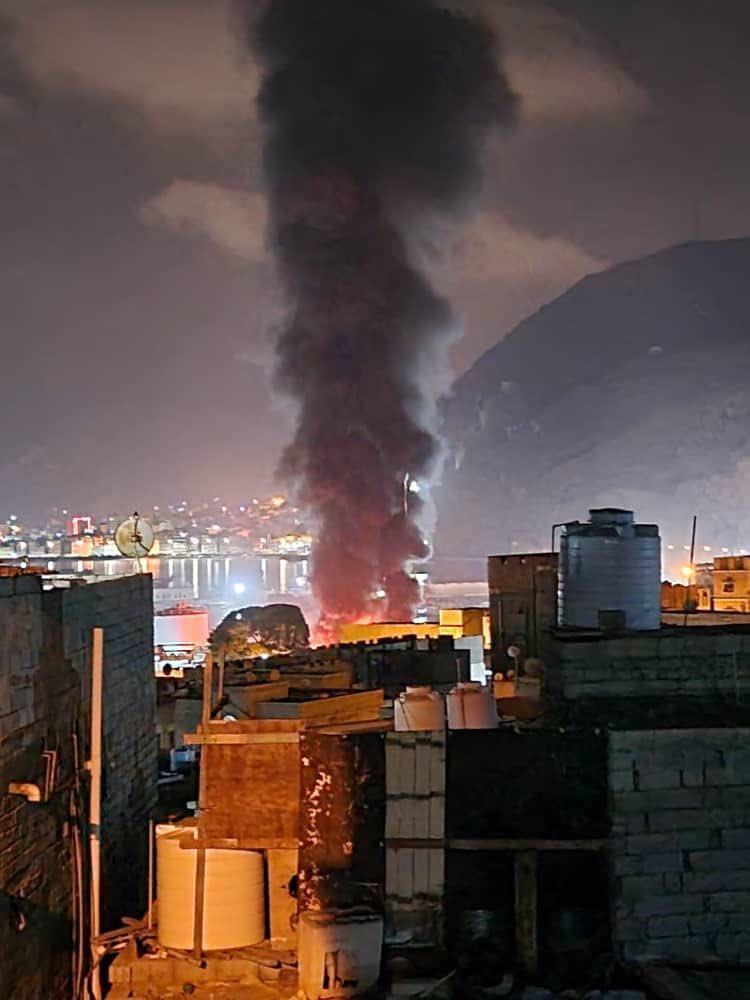
How Saudi airstrikes on Emirati-linked arms exposed a quiet war inside the war The Saudi airstrike on Mukalla port at the end of December marked a rupture that had been forming inside the anti-Houthi camp for several years, though rarely acknowledged in public. The destruction of an Emirati-linked weapons shipment destined for the Southern Transitional… Continue reading
