
Global Finance
-
We Are Slaves, We Don’t Even Know It

A formal expose of the existence of modern slavery through governance, economics, and managed consent. Modern populations live as slaves without recognising their condition because systems of control evolved to operate without visible chains or masters. Slavery in classical forms relied on overt violence, physical confinement, and constant supervision, yet later systems replaced force with… Continue reading
-
The Cost of Iran’s Repeated Failures in Security and Economy
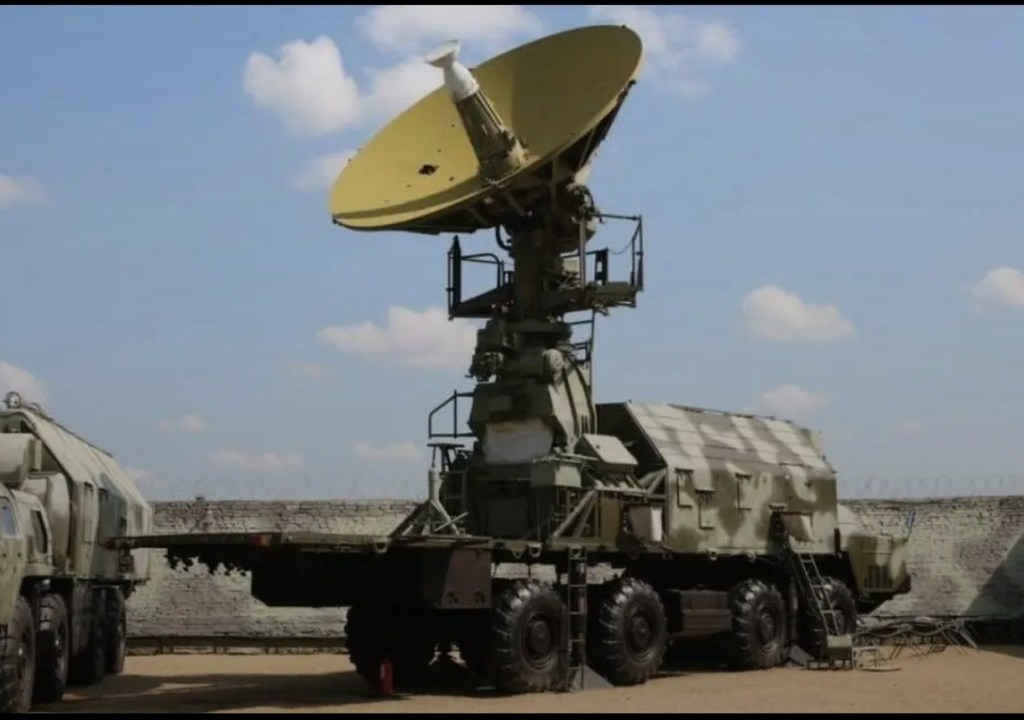
Understanding the Consequences of Ignoring Institutional Lessons and How Strategic Blind Spots Undermine National Stability Iran’s recent crisis reflects a repeated failure to learn established lessons about survival under sustained external pressure. These lessons concern preparation for regime change operations, economic stabilisation as a security function, internal security consolidation, and deterrence credibility against external coercion.… Continue reading
-
Collapse of Western Power and the Global System in 2026
Monetary Weaponisation, Financial Fragmentation and Strategic Overreach during the Western Collapse Phase Western power in 2026 reflects the accumulated outcome of choices made since the end of the Cold War.The system did not drift accidentally into its present condition. Policy decisions consistently favoured financial expansion, global leverage, and institutional growth over domestic production and social… Continue reading
AI and Digital Control, America, China, economics, Energy, EUROPE, Foreign Policy, Geopolitics, Global Finance, israel, NATO, politicsArctic geopolitics, China Strategy, de-dollarisation, Elite Overproduction, Empire Decline, energy geopolitics, Financialisation, Game Theory, Geopolitics, Greenland Resources, Iran Sanctions, Kinetic Conflict Risk, multipolarity, Naval Escalation, Oil Tanker Seizures, political economy, sanctions warfare, Shadow Fleets, US foreign policy, Venezuela Oil, World War 3 -
The United States as the Principal Adversary of its Own Currency
The political economy consequences of turning financial infrastructure into weapons hence de-risking from America is a rational response to concentrated monetary power The United States dollar emerged as the core instrument of global trade and finance after 1945, supported by American industrial dominance, military reach, and the Bretton Woods framework. That position rested on confidence… Continue reading
