
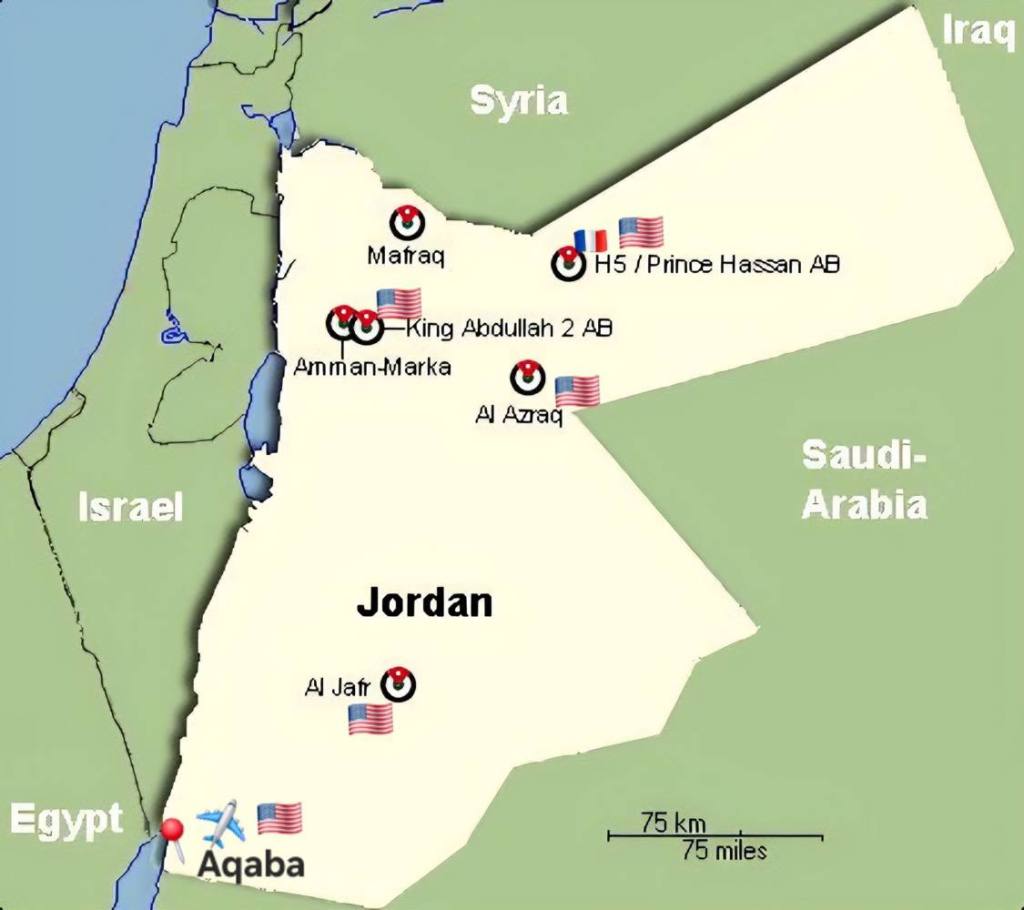
The conflict is no longer confined to a single front, with Jordan, Kuwait, and the Gulf emerging as potential flashpoints in the next stage of the crisis.
The latest developments suggest the conflict may be entering a far more dangerous phase.
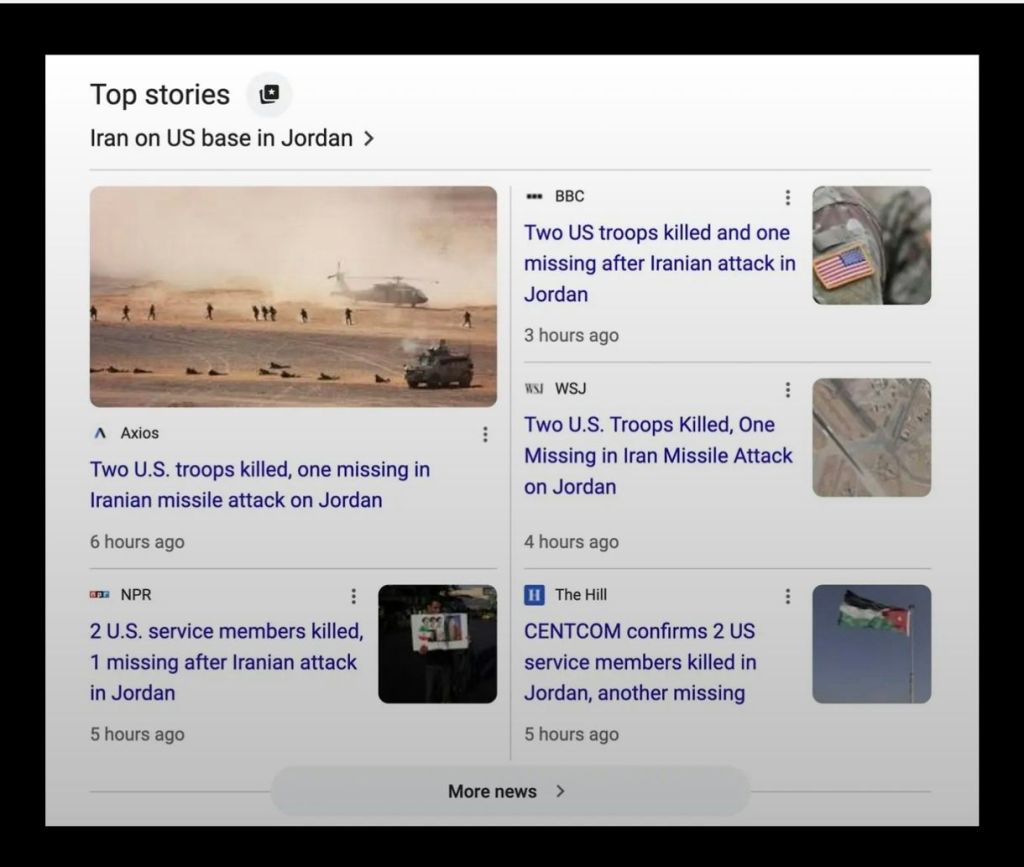
Based on the information I have reviewed, Iran allegedly carried out one of its most intense missile strikes against Muwaffaq Salti Air Base in Jordan, a facility regularly used by U.S. forces. Reports claim the attack killed three American soldiers and wounded around 25 others, with five described as being in a state of clinical death (brain death). Early casualty figures reportedly listed two fatalities before later increasing to three.
I believe this strike is being portrayed as a major escalation because it is claimed to have successfully hit a strategic military target while inflicting significant U.S. casualties. Videos circulating online reportedly show ballistic missiles impacting the base after air defense systems failed to intercept them.
Following the attack, reports from U.S. and Israeli media claimed there was intense anger inside the White House. According to those reports, President Trump was briefed on the casualties and ordered preparations for a major new military response against Iran. Some reports also claimed he used the phrase, “Open the gates of hell on them,” although those reports remain unconfirmed.
Another development that caught my attention is data from Flightradar, which reportedly showed several U.S. Air Force aircraft in the region switching off their transponders, often viewed as a possible indicator of operational activity.
At the same time, the U.S. State Department reportedly advised American citizens to reconsider travel to the Middle East due to the deteriorating security situation and the possibility of regional airspace disruptions. Israeli media have also reportedly discussed preparations for renewed direct involvement in the conflict.
Attention is now shifting toward Kuwait. Videos circulating online reportedly show heavy congestion at Kuwait International Airport as people leave the country, while additional U.S. troops are said to be arriving in the region. This has fueled speculation that Washington could be preparing for the possibility of a wider conflict involving Kuwait.
Iran has also reportedly expanded its list of potential targets after alleged strikes on electricity infrastructure and desalination facilities in Hormozgan Province. According to these claims, Tehran has now designated Kuwaiti desalination plants and power infrastructure as potential military targets, alleging that U.S. HIMARS systems deployed in Kuwait have been used to strike Iranian infrastructure.
The warnings are no longer limited to Kuwait. According to Fars News Agency, an Iranian military official warned that if the United States attacks Iran’s civilian infrastructure, civilians should evacuate Dubai and Abu Dhabi airports, as well as the ports of Fujairah and Jebel Ali, ahead of possible retaliatory strikes.
Taken together, these developments point to what appears to be an expanding regional confrontation, with military threats extending beyond Iran and Israel to Jordan, Kuwait, and the wider Gulf. If these reported developments continue, the risk of an expanded broader regional war could increase significantly.
Authored By: Global GeoPolitics
If you prefer to make a one time donation in support of my work, you can do so by clicking any link below:
https://donate.stripe.com/7sY8wPfvi864don0k3awo07 |
https://buymeacoffee.com/ggtv |
https://ko-fi.com/globalgeopolitics |
Bitcoin: 3NiK8BoRZnkwJSHZSekuXKFizGPopkE7ns


Leave a Reply