
Energy
-
Brussels Superheroes Assemble for Rearmament
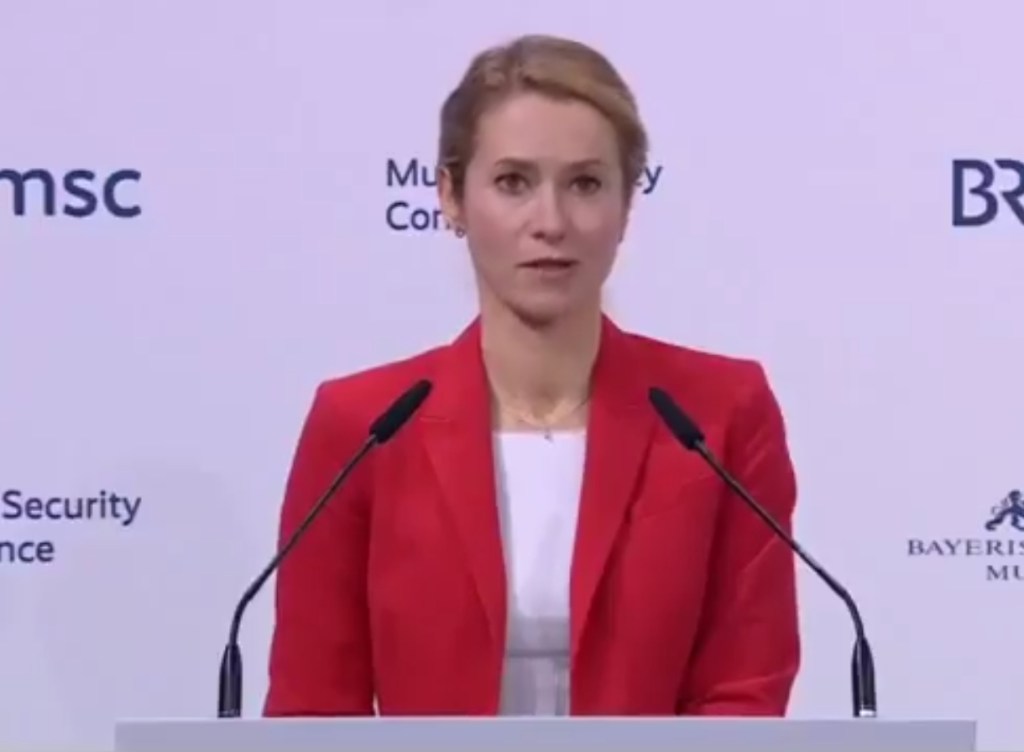
From comic-book metaphors to budgetary trade-offs: Security doctrine, fiscal sacrifice, industrial decline and geopolitical ambition in a European Union preparing for prolonged rivalry with Russia At the recent Munich Security Conference, the European Union’s High Representative Kaja Kallas framed the present strategic moment in language drawn from American popular culture. Addressing delegates, she declared “Europeans,… Continue reading
AI and Digital Control, America, economics, Energy, EUROPE, Financial markets, Foreign Policy, Geopolitics, Global Finance, israel, Mineral Resources, NATO, politics, wardefence spending, Emmanuel Macron, energy crisis, EU enlargement, EU rearmament, European Commission, European deindustrialisation, European security architecture, European sovereignty, European Union, five per cent GDP target, Franco-German relations, Friedrich Merz, Geneva peace talks, Hungary–EU dispute, joint EU borrowing, Kaja Kallas, Kirill Dmitriev, militarisation of Europe, Munich Security Conference, NATO, NATO war games, public opinion on defence spending, Russia–EU relations, sanctions on Russia, sergey lavrov, Slovakia–EU tensions, territorial negotiations, Ukraine accession, Ukraine war, Ursula Von Der Leyen, Viktor Orban -
Marco Declares Colonialist War on the Global South
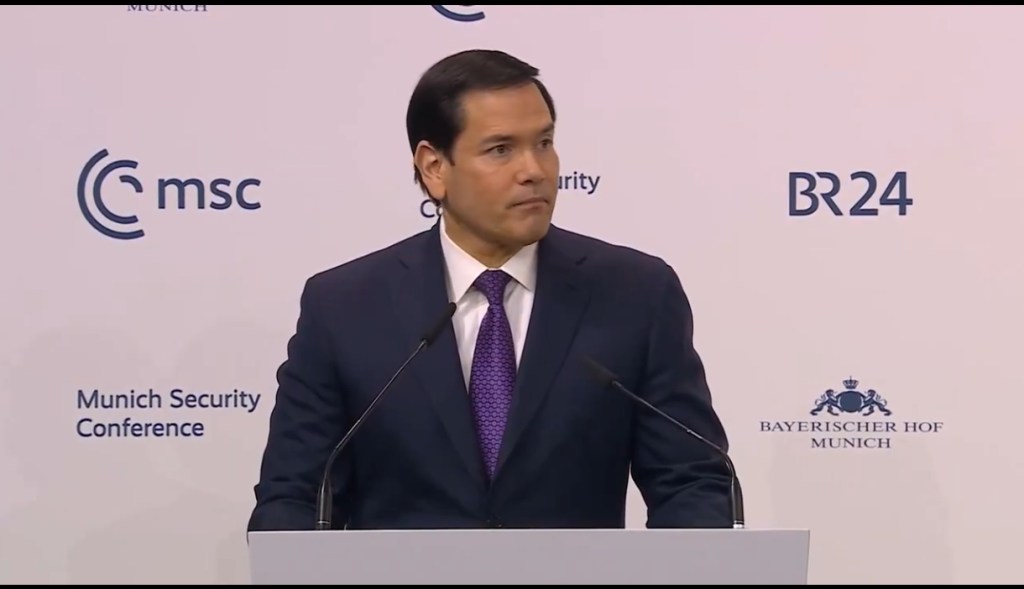
Marco Rubio’s Munich Declaration of Colonial Revivalism amid the Crisis of Western Primacy and the Rise of the Global South Marco Rubio used the Munich Security Conference to present a civilisational argument grounded in imperial expansion and Western dominance. He declared that “for five centuries, before the end of the Second World War, the West… Continue reading
-
The Greatest Robbery in Financial History Continues to Play Out in the Silver Market

An analysis of events surrounding the silver market dislocation of Friday 13 February, and the systemic mechanics that enabled it It’s Saturday morning, February 14, 2026, with global markets closed, the week’s turbulence in silver has come to a temporary halt. Over the preceding five trading days, February 9 through February 13, the market had… Continue reading
-
Saudi Arabia Has The “BOMB”
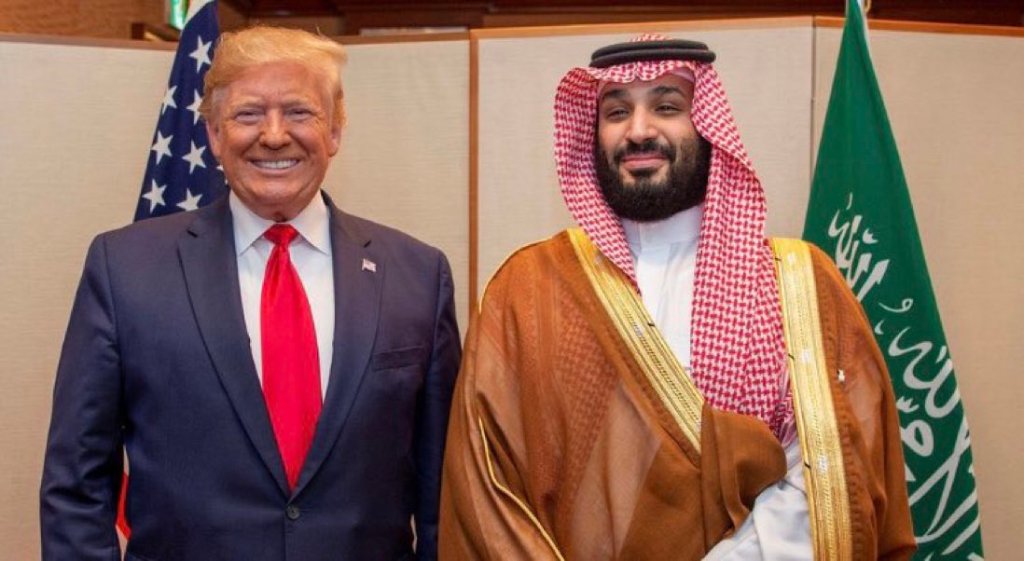
Nuclear Patronage, Saudi-Pakistan Security Ties, and the US-Israel Escalatory Dynamics Surrounding Iran Former senior Iranian military officials and independent analysts have publicly asserted for the first time that Saudi Arabia may already be in possession of a hidden nuclear arsenal, and that Riyadh’s extended deterrence is effectively being provided by Pakistan through a strategic mutual… Continue reading
-

Leaked documents, diplomatic activism, and conflict-zone reporting challenge the narrative of UAE’s supposed neutral modernity. (In this featured 2012 private jet photo, Azizah Al-Ahmadi (blue), identified as sending a piece of the Kaaba’s Kiswah to Epstein, appears alongside Emirati diplomat Hind Al-Owais (red), referenced in DOJ-released emails. The Kiswah was later photographed laid out on… Continue reading
AI and Digital Control, America, economics, Energy, EUROPE, Financial markets, Foreign Policy, Geopolitics, Global Finance, israel, middle east, NATO, politics, warAbraham Accords, diplomatic leaks, elite power structures, Geopolitics, Hind Al-Owais, Horn of Africa, human rights, Islamophobia debate, Israel-UAE relations, Jeffrey Epstein files, Kiswah controversy, Libya civil war, Middle East politics, mineral geopolitics, political Islam, Qatar blockade, regional security, soft power, strategic alignment, Sudan conflict, transnational influence networks, UAE foreign policy, United Arab Emirates, Western alliances, Yemen war -
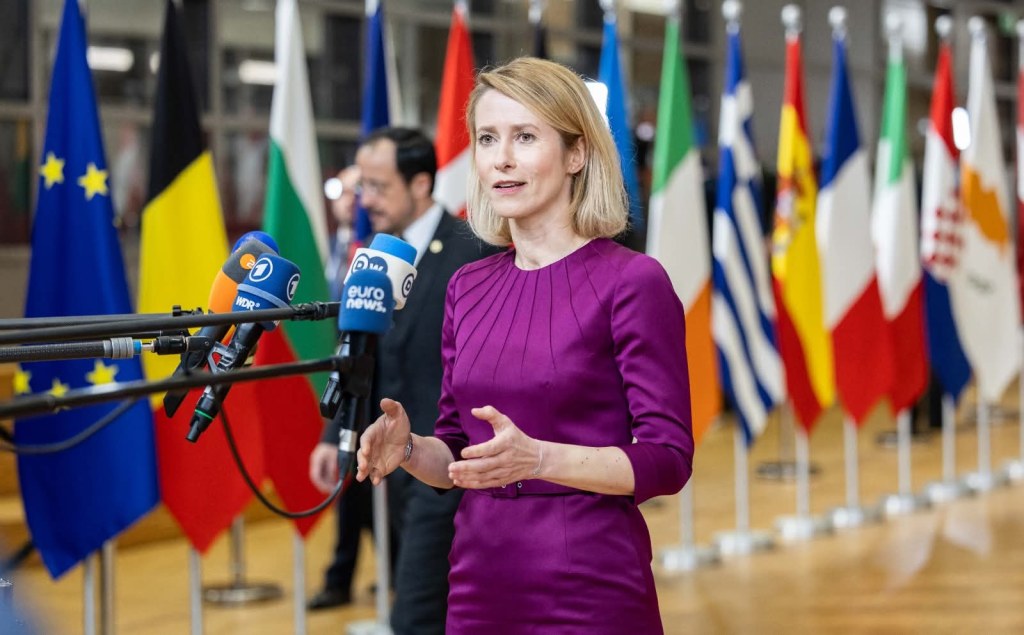
EU’s Kallas Floats Conditions for Russia in Prospective Ukraine Settlement EU foreign policy chief signals bloc will seek military limits on Moscow despite lacking seat at negotiating table The European Union intends to propose restrictions on the size of the Russian armed forces as part of any eventual settlement of the Ukraine conflict, EU foreign… Continue reading
-
The Assassination of Russia-Ukraine Diplomacy

The Alekseev assassination attempt and the strategic consequences of targeting negotiators during wartime diplomacy The attempted assassination of Lieutenant General Vladimir Alekseev occurred during an unusually sensitive phase of backchannel diplomacy aimed at arresting escalation in the Ukraine war. Alekseev served as Deputy Chief of the Russian General Staff and Deputy Head of the GRU,… Continue reading
-
Red Lines and Hard Choices of the US-Iran Standoff
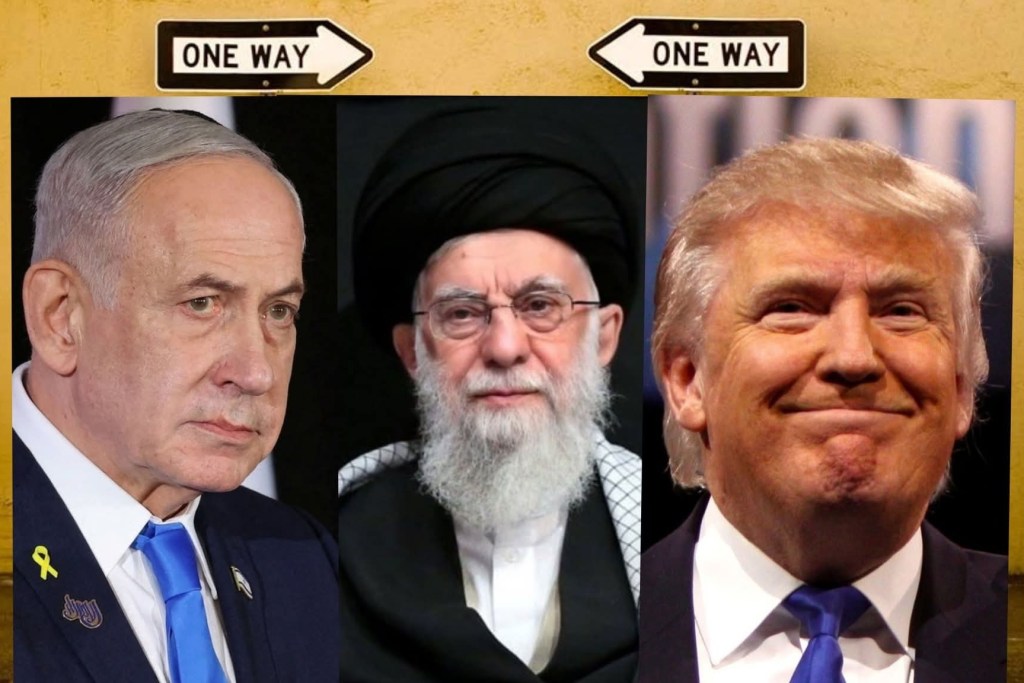
Why the US-Iran Impasse Matters to Global Order The standoff between the United States and Iran marks a clear deadlock over sovereignty, military deterrence, and regional power. Recent indirect negotiations in Muscat between U.S. envoys and Iranian officials produced little progress, showing that the parties’ red lines remain firmly inplacer. Iranian Foreign Minister Abbas Araghchi… Continue reading
-
Trump’s Tariffs Backfired and Weakened Economic Power
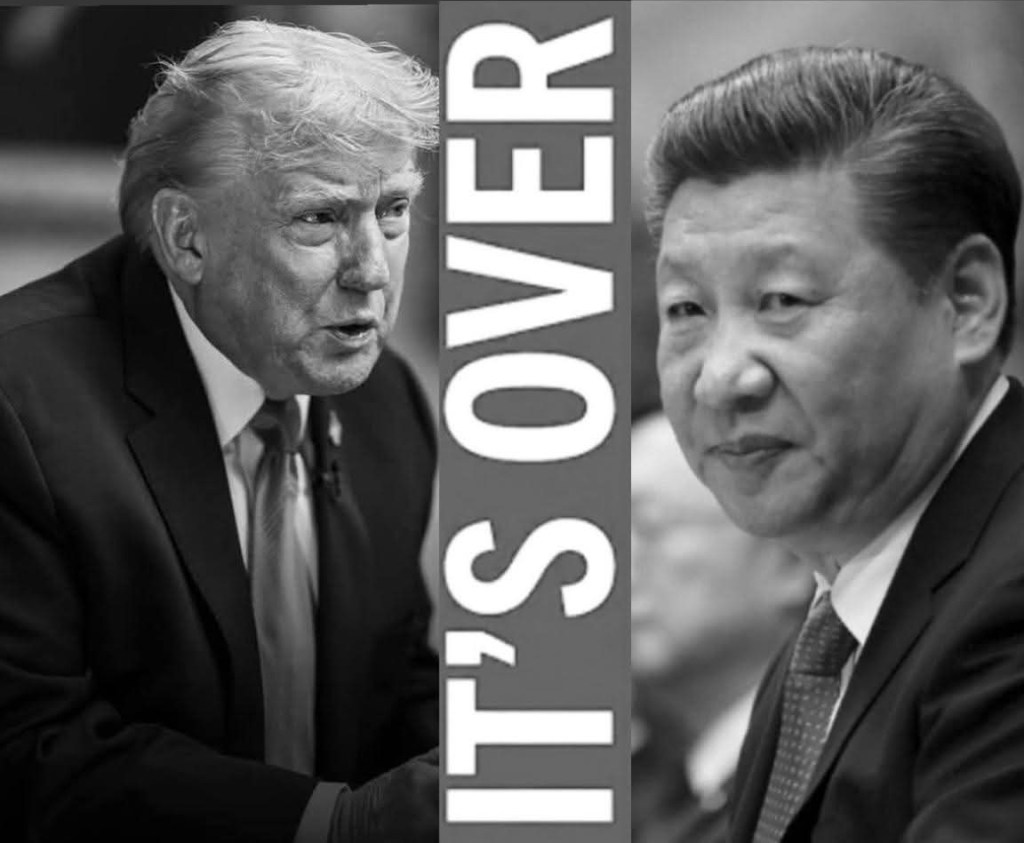
The Burdem of United States Trade Policy Failure Fell on American Consumers, Firms, Allies, and Markets The reintroduction and expansion of United States tariffs under the Trump administration formed the centrepiece of a strategy publicly presented as economic nationalism, strategic leverage, and industrial revival. The policy failed on each stated objective while imposing measurable domestic… Continue reading
-
The Total Financial Subjugation of Iraq After 2003 by the United States
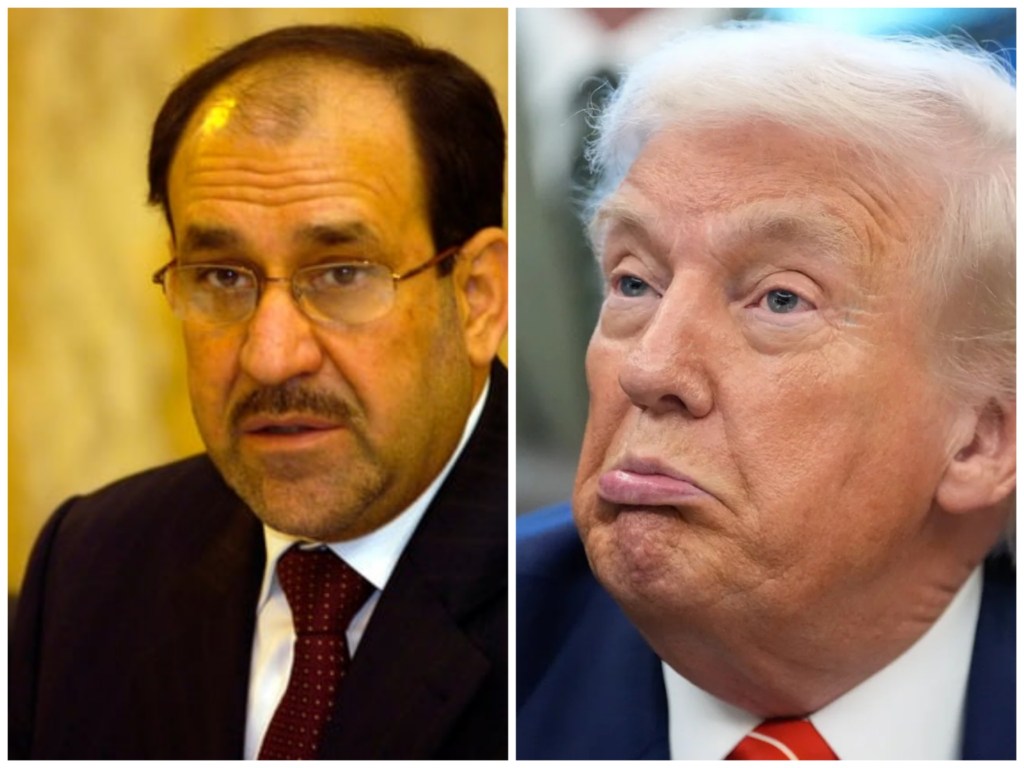
Why Iraq Governs Without Access to Its Own Income via an External U.S Banking Authority The United States exercises decisive control over Iraq through financial mechanisms established after the 2003 invasion, rather than through formal colonial administration or direct ownership of physical resources, a system Hussein Askary has described as “a complete financial and economic… Continue reading
economics, Energy, Financial markets, Foreign Policy, Geopolitics, Global Finance, israel, middle east, Mineral Resources, NATO, politics, warbanking compliance, corruption dynamics, Development Fund for Iraq, dollar dependency, economic coercion, Executive Order 13303, Federal Reserve Bank of New York, financial subjugation, Iraq, Monetary sovereignty, oil revenue custody, Oil-for-Food programme, political economy of Iraq, post-2003 occupation, post-occupation governance, Resolution 1483, Resolution 1956, sanctions architecture, Treasury control, United Nations Security Council, United States foreign policy
