
Belt and Road Initiative
-
The Unit Settlement Instrument and the Material Limits of Multipolar Finance

The BRICS+ pilot of a gold-and-currency basket digital settlement token represents a significant technical experiment in parallel financial infrastructure, yet its trajectory remains constrained by the same capitalist contradictions that produced the dollar-centric order it seeks to circumvent. Editorial Analysis | September 2026 The Unit settlement instrument emerged from a specific historical conjuncture that fundamentally… Continue reading
AI and Digital Control, America, bond market, China, economics, Energy, EUROPE, Financial markets, Foreign Policy, Geopolitics, Global Finance, imperialism, iran, japan, middle east, Mineral Resources, NATO, neocolonialism, politics, reserve currency, warBelt and Road Initiative, Bishkek Declaration, BRICS, de-dollarisation, digital currency, Eurasian connectivity, financial sanctions, gold, Historical Materialism, hybrid warfare, international monetary system, International North–South Transportation Corridor, iran, Michael Hudson, multipolarity, national currencies, New Development Bank, SCO Development Bank, Sergey Glazyev, Shanghai Cooperation Organisation, Unit -
Building Parallel Architecture Against Weaponised Finance
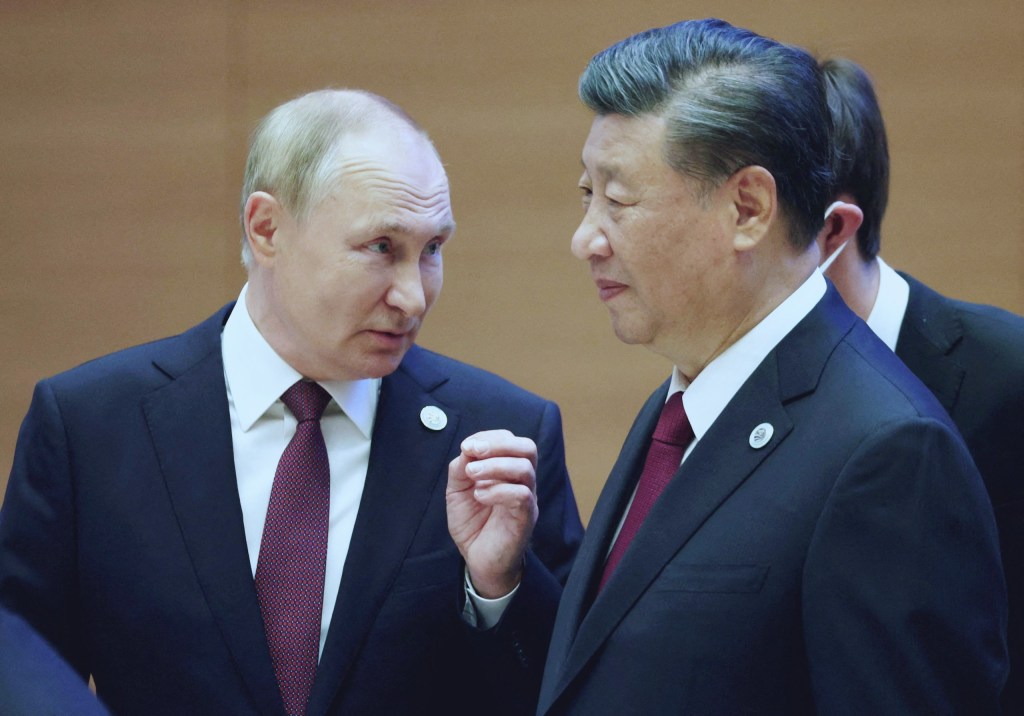
The Bishkek Summit and the Practical Contours of Eurasian Multipolar Construction Editorial Analysis | September 2026 The twenty-fifth summit of the Shanghai Cooperation Organisation held in Bishkek generated less theatrical display than the preceding gathering in Tianjin yet advanced several concrete institutional steps that clarify the organisation’s evolving role. Member states adopted a final declaration… Continue reading
-
China Gives Its Inland Factories a Direct Route to Southeast Asia
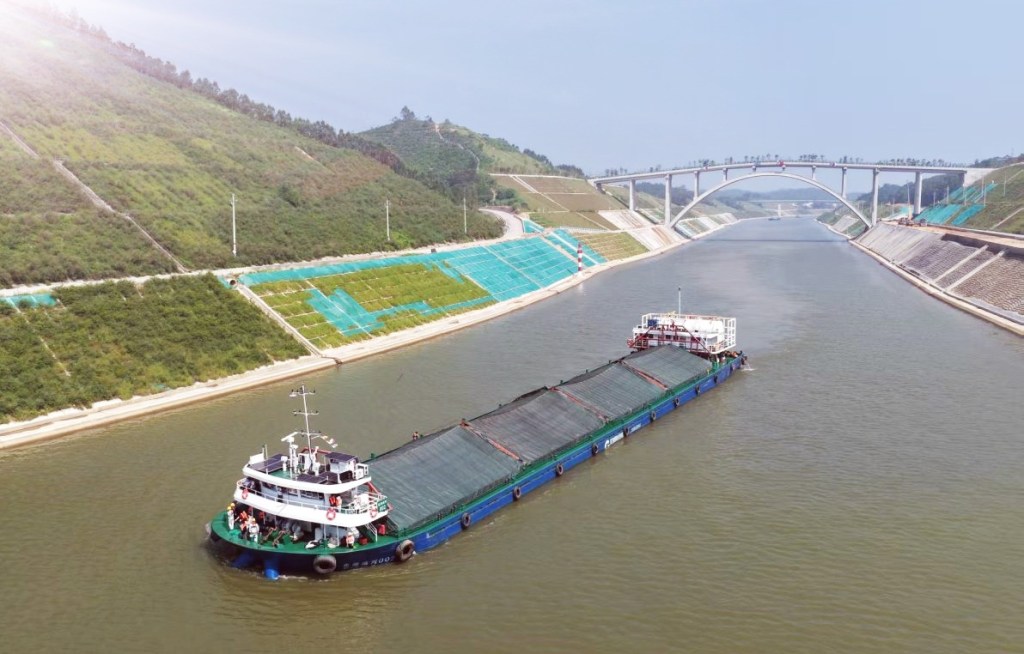
New Trade Route Linking China’s Inland Factories to Southeast Asia Later this month, cargo ships are expected to begin using a new and shorter route from China’s industrial southwest to the sea. The 134-kilometre Pinglu Canal connects Nanning and the inland river network of Guangxi to the Gulf of Tonkin. The canal has been built… Continue reading
-
The Trap of Reconstruction: How the US-Iran Deal Subordinates Tehran to Gulf Capital
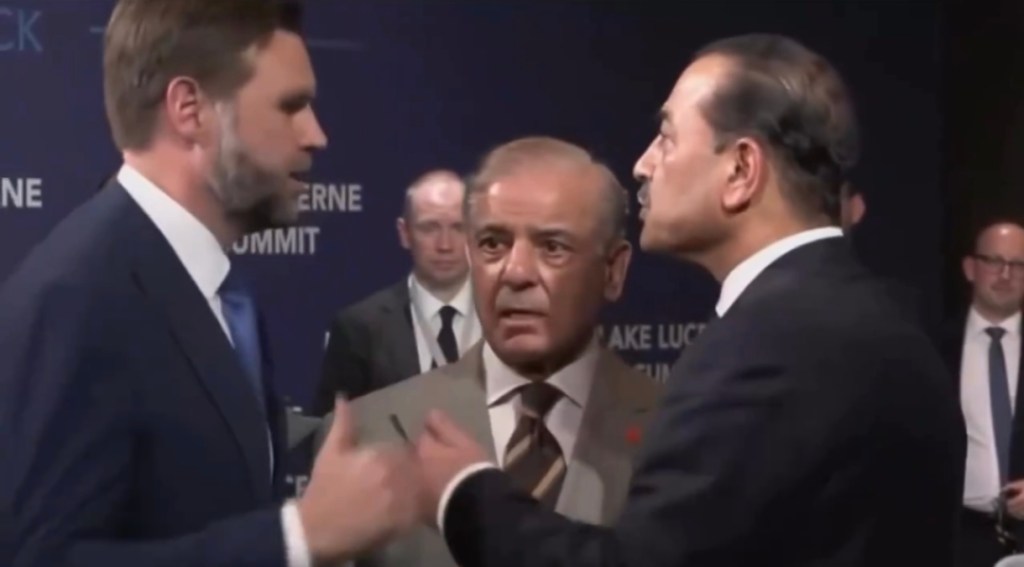
From Proxy Networks to Capital Dependency in the Post-War Middle East The signing of the Islamabad Memorandum of Understanding between the United States and the Islamic Republic of Iran on June 17, 2026, marks a decisive inflection point in the geopolitical trajectory of the Middle East, yet its true significance lies less in the cessation… Continue reading
AI and Digital Control, America, Foreign Policy, Geopolitics, imperialism, iran, israel, NATO, neocolonialism, Russia, waraxis of resistance, Belt and Road Initiative, financial imperialism, Gulf Cooperation Council, IMF structural adjustment, Iranian foreign policy, Islamabad Memorandum, JD Vance, managed multipolarity, maritime sovereignty, Middle East geopolitics, petrodollar system, reconstruction politics, regional security architecture, Strait of Hormuz, US–Iran relations -
The New Scramble For Africa: How Fragmentation Serve Empire’s Latest Phase
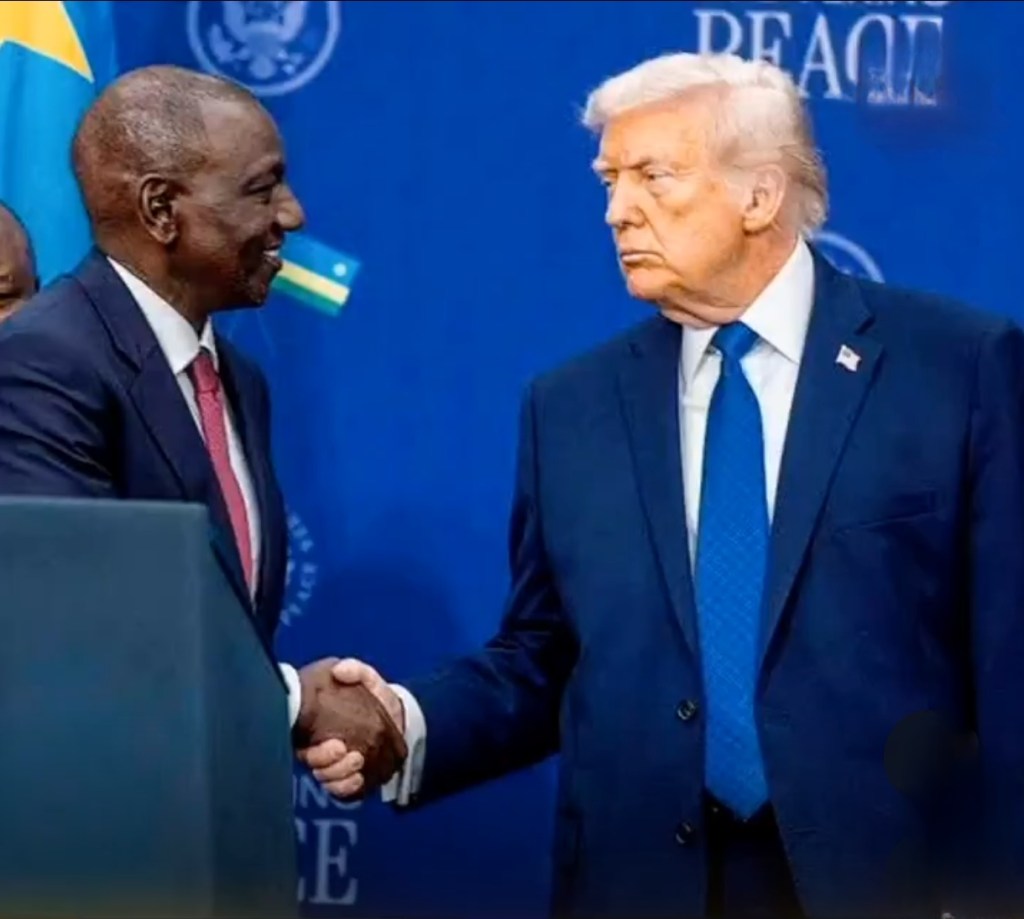
The continent’s territory and minerals have become the currency of a multipolar contest – one in which the old colonial powers, rising Gulf states, and rival hegemons each pursue distinct but overlapping strategies of extraction and containment Introduction: The Return of the Scramble – But Not As We Knew It The spectacle of great powers… Continue reading
African geopolitics, Belt and Road Initiative, China-Africa relations, corridor geopolitics, critical minerals, ECOWAS withdrawal, empire and fragmentation, Ethiopia fragmentation, France Africa policy, great power rivalry, Kenya diplomacy, military basing, mineral diplomacy, Morocco Western Sahara, resource competition, resource-for-security deals, RSF Sudan, Russia-Africa relations, Sahel rupture, StraitBelt doctrine, Sudan partition, Tanzania mineral logistics, UAE influence, US National Security Strategy, Western Sahara -
Trump’s Beijing Delegation Exposed the Real Structure of American Power [Extended Version]
![Trump’s Beijing Delegation Exposed the Real Structure of American Power [Extended Version]](https://globalgeopolitics.co.uk/wp-content/uploads/2026/05/img_20260513_235056.jpg?w=1024)
The Beijing visit exposed how transnational corporations, financial institutions, and technology monopolies now operate openly as the permanent power structure beneath American electoral politics. Donald Trump arrived in Beijing flanked by the commanding layer of American corporate and financial power because the visit exposed something Washington normally prefers hidden behind electoral theatre: transnational capital, technology… Continue reading
AI and Digital Control, America, China, economics, Energy, EUROPE, Financial markets, Foreign Policy, Geopolitics, Global Finance, iran, israel, middle east, Mineral Resources, NATO, politics, reserve currency, Russia, South East Asia, warAmerican decline, American empire, Apple, Belt and Road Initiative, blackrock, Boeing, China, Chinese Strategy, Corporate Globalism, corporate power, dollar hegemony, donald trump, economic warfare., elite power structures, energy security, Eurasia, Financial Capital, Financialisation, Foreign Policy, Game Theory, Geoeconomics, Geopolitics, global hegemony, global order, Goldman Sachs, great power competition, Indo-Pacific, Industrial Capacity, industrial policy, international relations, iran, manufacturing, Maritime Strategy, multipolarity, Nvidia, oligarchy, political economy, realism, Semiconductor War, Silicon Valley, Strategic Competition, strategic studies, supply chains, taiwan, technological sovereignty, Tesla, transnational capital, United States, US-China relations, wall street, Xi Jinping -
The Choke Point Doctrine
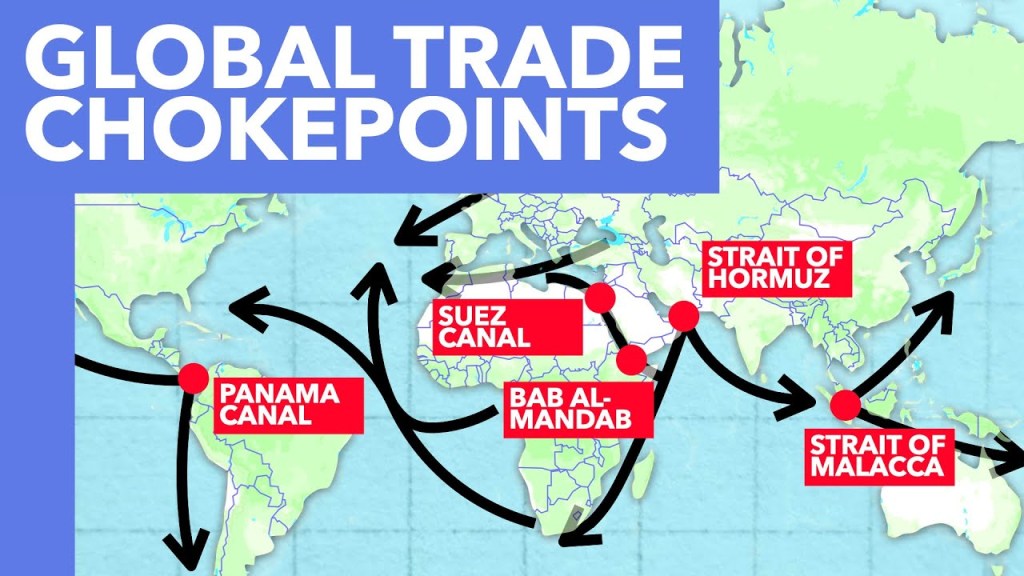
How American economic and military pressure now targets the Strait of Hormuz, the Strait of Malacca, the Panama Canal, the Suez Canal, the Strait of Gibraltar, and the Arctic passages The headline video below is circulating on social media under the title “It’s Not Chaos. It’s The Blueprint” argues that the seemingly disconnected crises in… Continue reading
AI and Digital Control, America, China, economics, Energy, EUROPE, Financial markets, Foreign Policy, Geopolitics, Global Finance, iran, israel, middle east, Mineral Resources, NATO, politics, reserve currency, Russia, warAdmiral Samuel Paparo, American empire, April 2026, Arctic passages, artificial intelligence, Belt and Road Initiative, Brookings Institution, China containment, choke point doctrine, energy security, geopolitical analysis, global trade routes, Greenland, Hong Kong, imperial decline, Indonesia military partnership, Iran War, lithium triangle, Malacca Dilemma, maritime interdiction, Maritime Strategy, Marshall Plan, military industrial complex, Morocco defence agreement, multipolarity, national security, naval blockade, Operation Stargate, Panama Canal, Panama ports, petrodollar, RAND Corporation, Senate Armed Services Committee, Strait of Gibraltar, Strait of Hormuz, Strait of Malacca, strategic petroleum reserve, Suez Canal, unipolarity, United States foreign policy, Venezuela Oil -
Kagan and Boot: The Guilty Are Writing the Verdict (Extended Version)
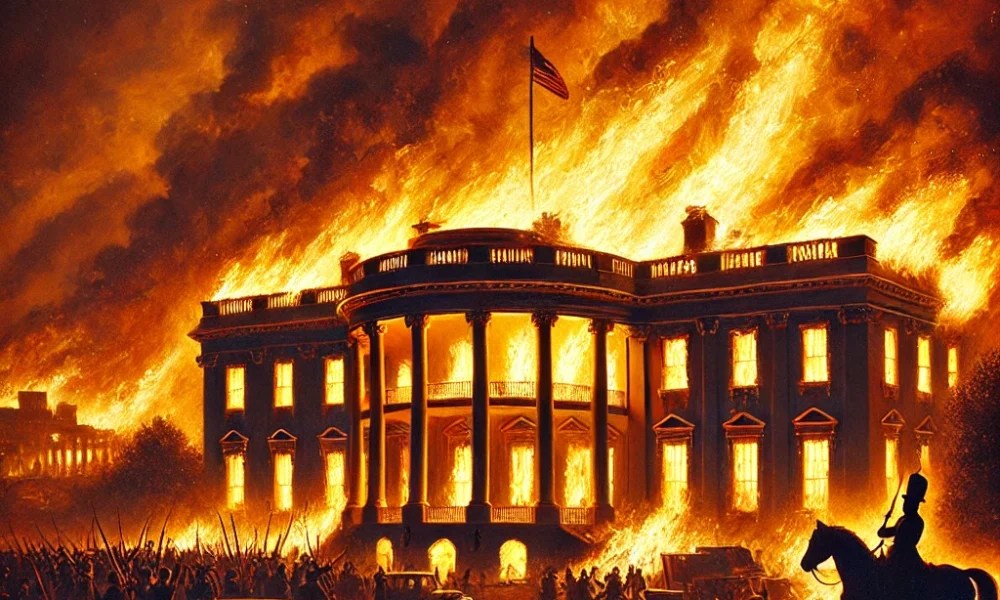
From Tehran to Taiwan: The Men Who Built America’s Empire Are Now Writing Its Autopsy The extraordinary significance of the Max Boot interview with former CIA analyst John Culver does not rest merely in the military assessments themselves, severe as they already appear. The deeper significance rests in who is speaking, where they are speaking,… Continue reading
AI and Digital Control, America, China, East Africa, economics, Energy, Financial markets, Foreign Policy, Geopolitics, Global Finance, iran, israel, NATO, politics, reserve currency, warAmerican decline, American empire, American Power, Atlanticism, Belt and Road Initiative, China, containment strategy, de-dollarisation, defence policy, empire, energy politics, Eurasia, Eurasian integration, Geopolitics, Geostrategy, global hegemony, global order, great power competition, imperial overstretch, Indo-Pacific, Indo-Pacific strategy, Industrial Capacity, international relations, iran, John Culver, maritime power, Max Boot, military industrial complex, Military Primacy, military strategy, multipolar world order, NATO, Neoconservatism, petrodollar, political economy, Project for the New American Century, Robert Kagan, Russia, sanctions, South China Sea, Strait of Hormuz, Strategic Competition, Strategic Decline, taiwan, Taiwan Strait, Ukraine war, unipolarity, US foreign policy, US Hegemony, US Navy, US-China relations, Washington Consensus, West Asia -
Kagan Admits Iran Won
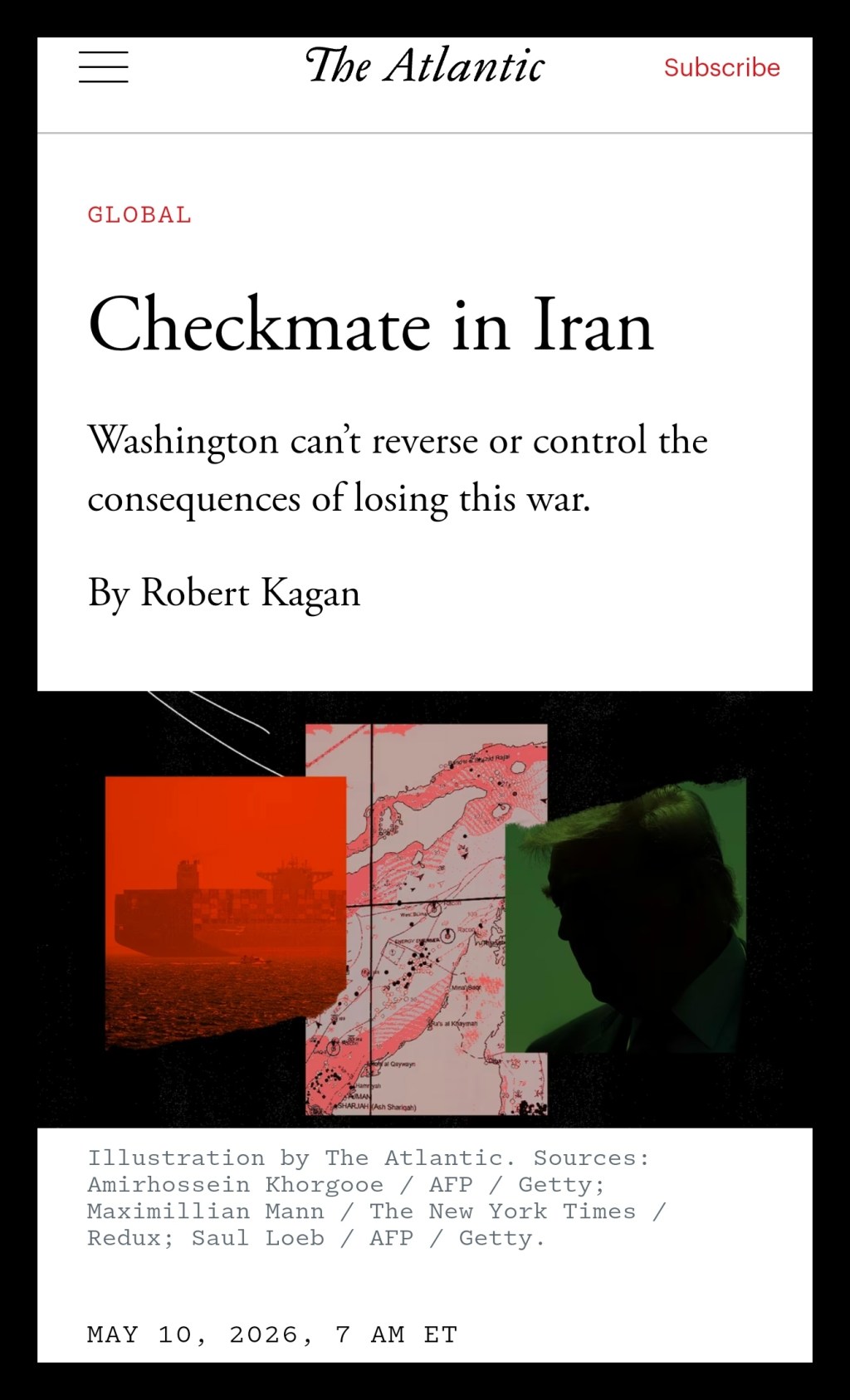
The co-founder of the Project for the New American Century writes the Empire’s Obituary – How the United States Lost a War it Started and Cannot Escape the Consequences When Robert Kagan writes that the United States has suffered a total defeat from which it cannot recover, the machinery of American imperialism has not merely… Continue reading
AI and Digital Control, America, China, economics, Energy, EUROPE, Financial markets, Foreign Policy, Geopolitics, Global Finance, iran, israel, middle east, Mineral Resources, NATO, politics, reserve currency, Russia, warAlaska LNG project, American dementia, American empire, anti-ship ballistic missiles, Asian energy security, AUKUS, Belt and Road Initiative, blockade failure, China containment, CIA analysis, CIWS, defence industrial base, energy decoupling, Eurasian axis, global food shortages, Gulf petromonarchies, imperial overstretch, Indo-Pacific Command, International North South Transport Corridor, Iran War, Iranian missile inventory, Iranian reparations, Iranian strategic dissuasion, IRGC Navy, Japan remilitarisation, JCPOA collapse, kamikaze drones, Mason, multipolar order, munitions shortages, NASA FIRMS satellite data, nuclear non proliferation treaty, oil prices 150 dollars, Persian Gulf Strait Authority, petrodollar collapse, petrodollar hegemony, Philippines China relations, Project for the New American Century, proxy warfare, Rafael Peralta, Robert Kagan, Russia China Iran alliance, sanctions lifting, Saudi Arabia airbase access, Shanghai Cooperation Organisation, South Korea military posture, Strait of Hormuz, strategic defeat, Taiwan deterrence, The Atlantic, Trump administration, Truxtun, UAE as enemy base, Ukraine war, unipolarity, United States defeat, US LNG exports, US Navy destroyers, Victoria Nuland, Washington Post intelligence assessment, weapons stockpiles, West Asian order -
The China Perspective: War Without Declaration
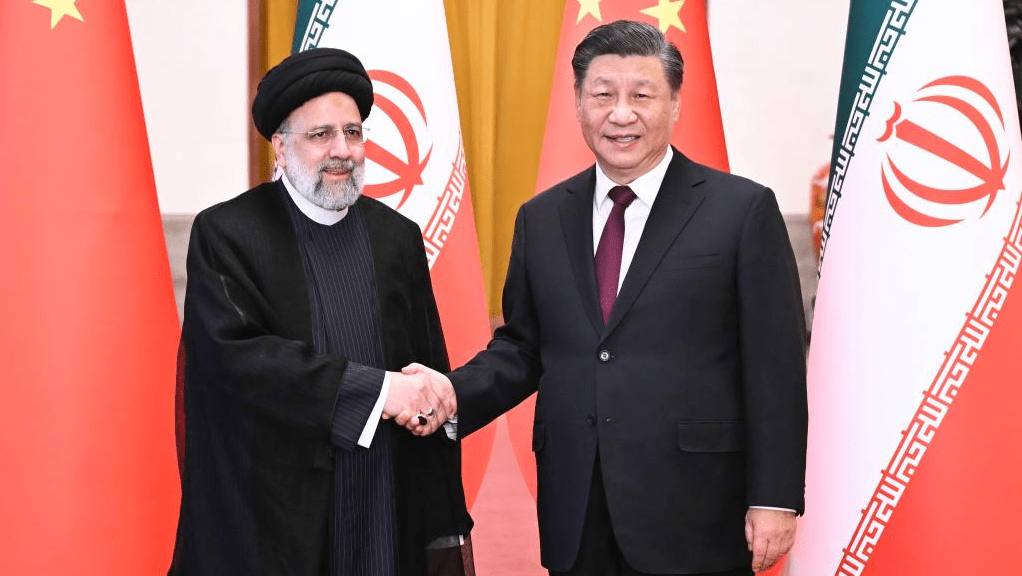
A Consideration of War in Iran and the Greater Reordering of the World In Which China Endures the Tumult of War Whilst the Old Order Strains to Maintain Its Hold China views the Iran war not as a distant regional conflict but as part of a broader strategic environment in which it is the primary… Continue reading
AI and Digital Control, America, China, economics, Energy, EUROPE, Financial markets, Foreign Policy, Geopolitics, Global Finance, iran, israel, middle east, Mineral Resources, NATO, politics, reserve currency, Russia, South East Asia, warBelt and Road Initiative, China, containment strategy, economic warfare., energy security, Eurasian integration, financial systems, Geopolitics, global power shift, global supply chains, global trade, globalisation, international relations, Iran War, maritime chokepoints, Middle East conflict, multipolar world order, realism theory, sanctions, sanctions policy, Strait of Hormuz, Strategic Competition, strategic restraint, United States, US-China relations
