
Global Finance
-
The Assassination of Russia-Ukraine Diplomacy

The Alekseev assassination attempt and the strategic consequences of targeting negotiators during wartime diplomacy The attempted assassination of Lieutenant General Vladimir Alekseev occurred during an unusually sensitive phase of backchannel diplomacy aimed at arresting escalation in the Ukraine war. Alekseev served as Deputy Chief of the Russian General Staff and Deputy Head of the GRU,… Continue reading
-
Lavrov Slams Epstein-Russia Claims as “Yellow Journalism”
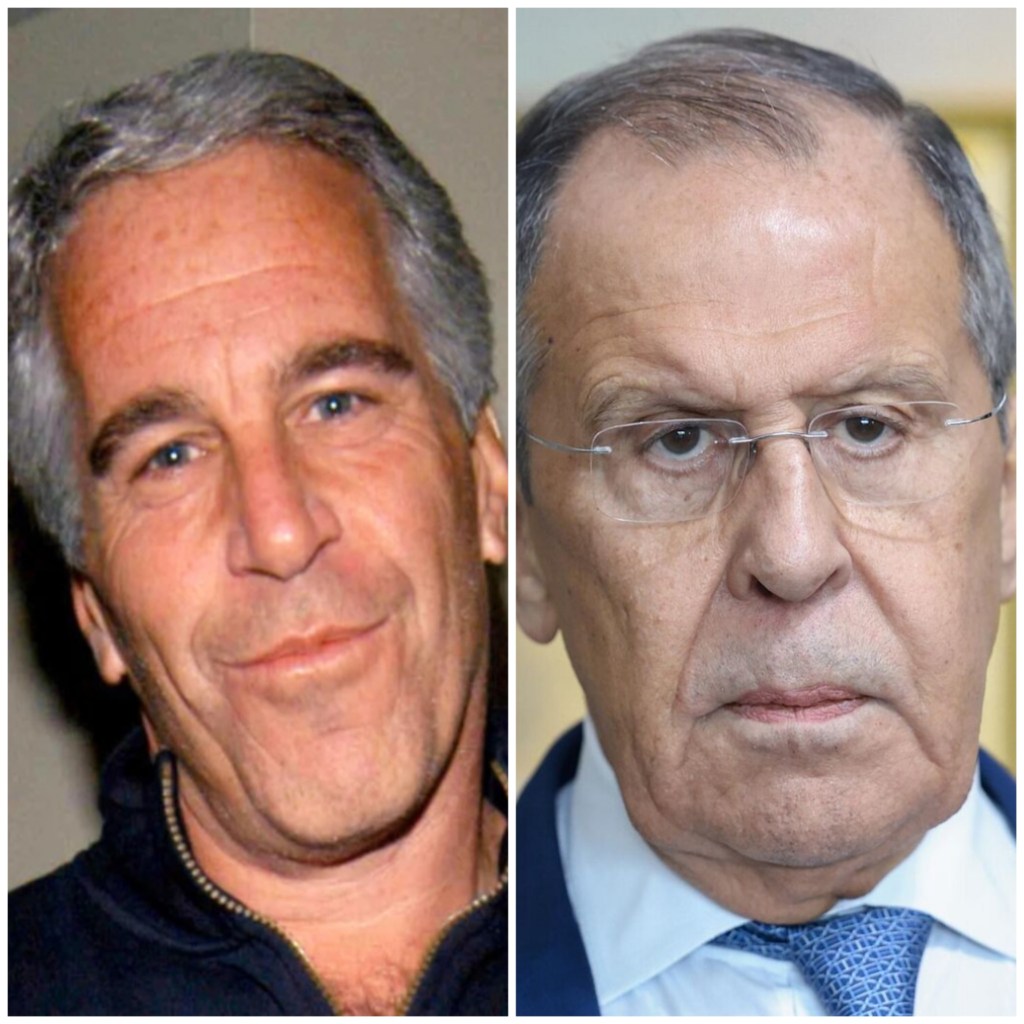
Moscow rejects spy allegations as a political distraction, while the Global South reacts with shock at Western inaction and elite impunity Russian Foreign Minister Sergey Lavrov has denounced the claims circulating in Western media that financier and convicted sex offender Jeffrey Epstein might have had ties to Russian intelligence, describing the allegations as little more… Continue reading
-
Negotiations or Non-Negotiations? Seven Visits, Zero Resolution
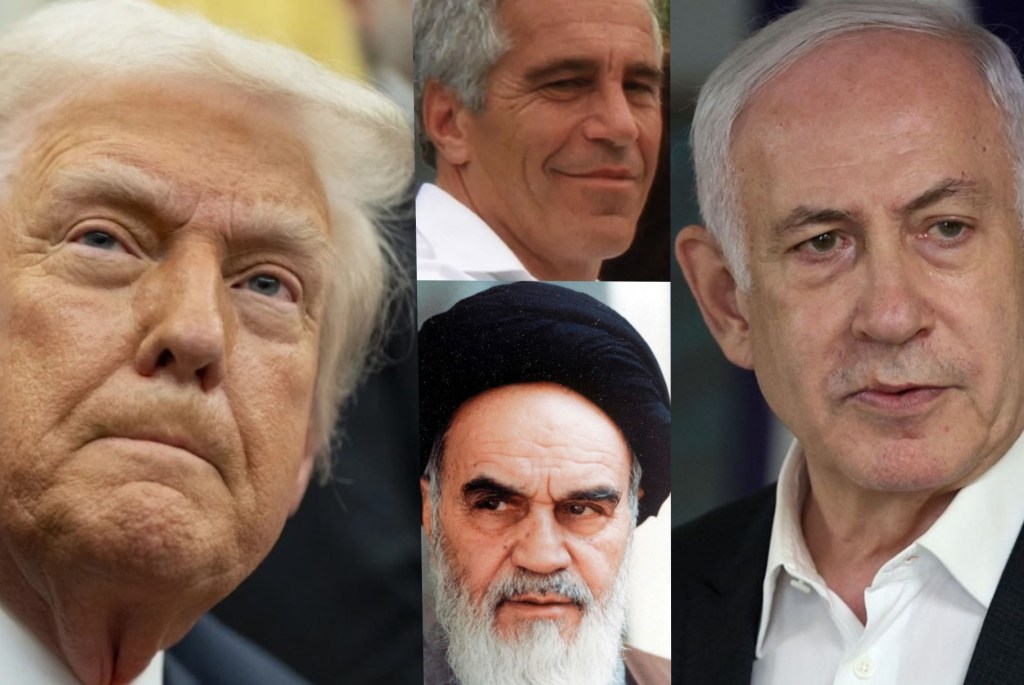
Netanyahu’s Washington Visits, Maximalist Demands, Domestic Vulnerabilities, Strategic Deadlock, and the Risk of Miscalculation on Iran Benjamin Netanyahu’s seventh visit to the White House within a twelve-month period takes place amid a dense convergence of military escalation, financial instability, and domestic political exposure within both the United States and Israel. Netanyahu arrives in Washington on… Continue reading
AI and Digital Control, America, Financial markets, Foreign Policy, Geopolitics, Global Finance, israel, Mineral Resources, NATO, politics, Russia, waralliance management, ballistic missiles, brinkmanship, deterrence theory, domestic political pressure, epstein files, financial instability, Foreign Policy, Game Theory, institutional trust, international security, Iran nuclear negotiations, maximalist demands, Middle East diplomacy, military escalation, Netanyahu, nuclear proliferation, proxy conflicts, strategic deadlock, US Israel relations, White House -
UK troops operating on the ground in Ukraine -Moscow
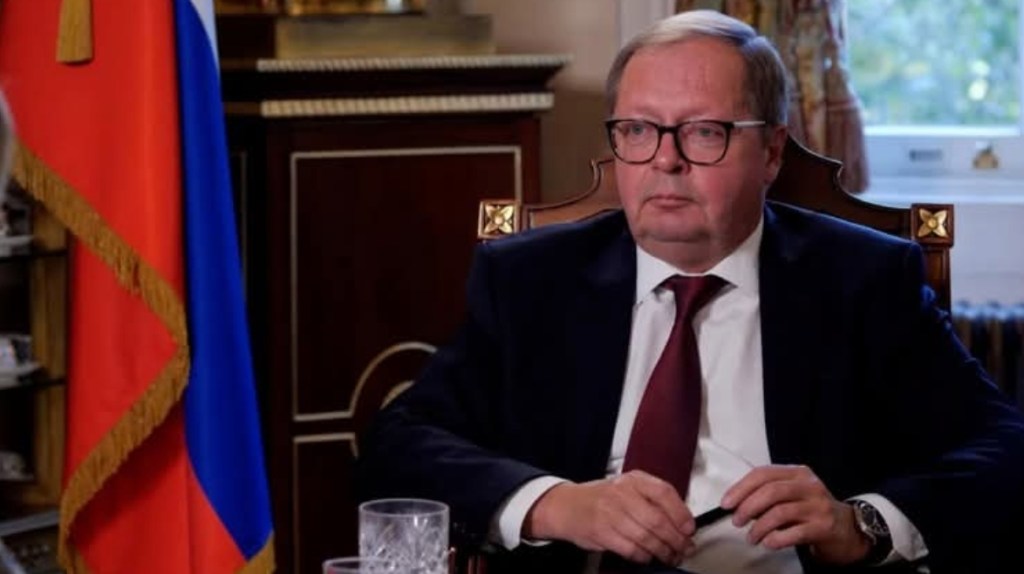
Russia says Britain can be treated as a party to the conflict, ambassador claims Russia has ample grounds to regard the UK as directly involved in the Ukraine conflict, including through the deployment of troops on the ground, Moscow’s ambassador to London, Andrey Kelin, has said. Speaking to RIA Novosti in an interview published on… Continue reading
-
Red Lines and Hard Choices of the US-Iran Standoff
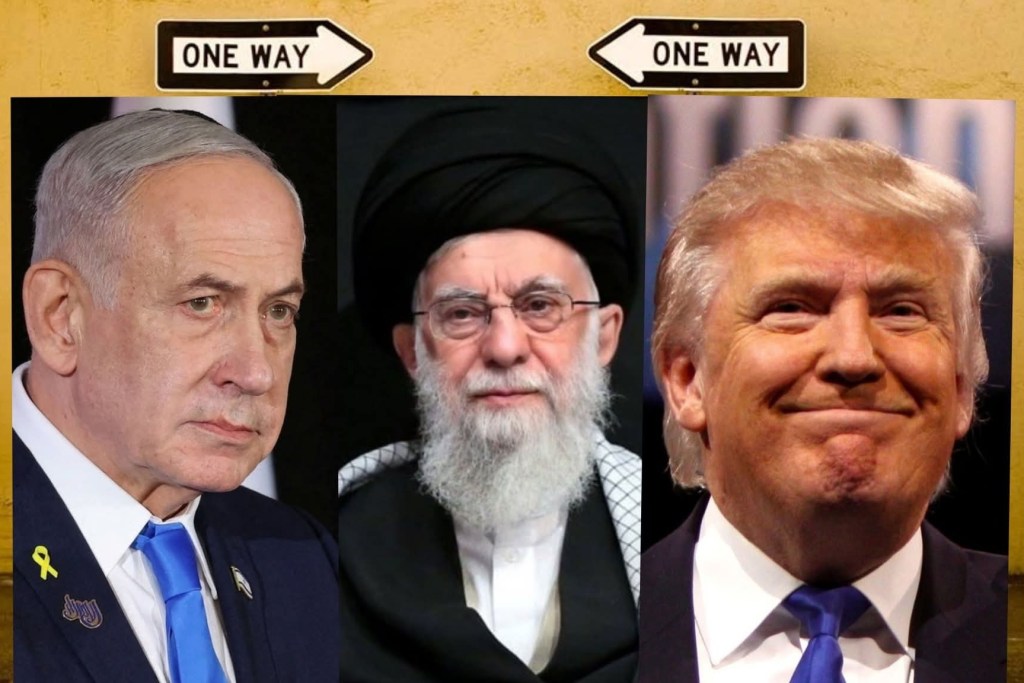
Why the US-Iran Impasse Matters to Global Order The standoff between the United States and Iran marks a clear deadlock over sovereignty, military deterrence, and regional power. Recent indirect negotiations in Muscat between U.S. envoys and Iranian officials produced little progress, showing that the parties’ red lines remain firmly inplacer. Iranian Foreign Minister Abbas Araghchi… Continue reading
-
Why Zambia’s Mineral Wealth Has Not Produced Prosperity

Extraction without Accumulation: The Political Economy of Zambia’s Underdevelopment Zambia’s position within the global minerals economy conforms closely to John Perkins’ description, reflecting extraction structured through political control, legal asymmetry, and external economic power. Perkins wrote that modern economic structures operate “to convince leaders of underdeveloped countries to accept huge loans, so that even more… Continue reading
-
Trump’s Tariffs Backfired and Weakened Economic Power
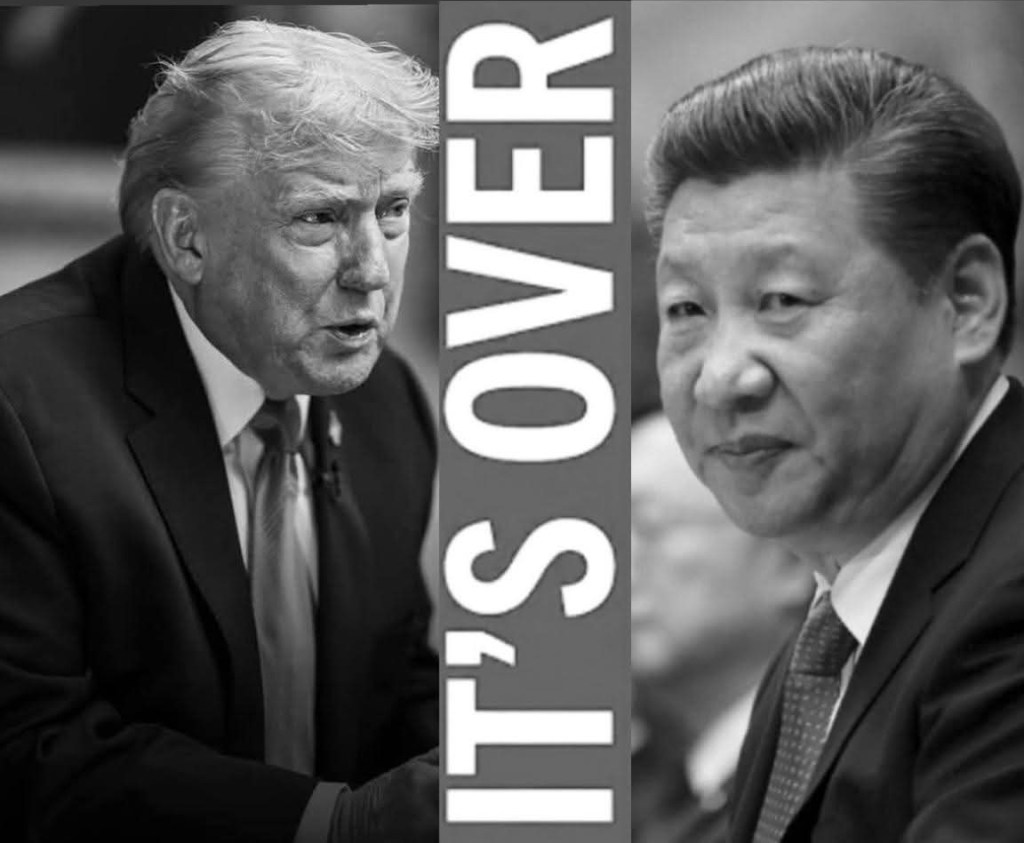
The Burdem of United States Trade Policy Failure Fell on American Consumers, Firms, Allies, and Markets The reintroduction and expansion of United States tariffs under the Trump administration formed the centrepiece of a strategy publicly presented as economic nationalism, strategic leverage, and industrial revival. The policy failed on each stated objective while imposing measurable domestic… Continue reading
-
The Old Lesson Repeated
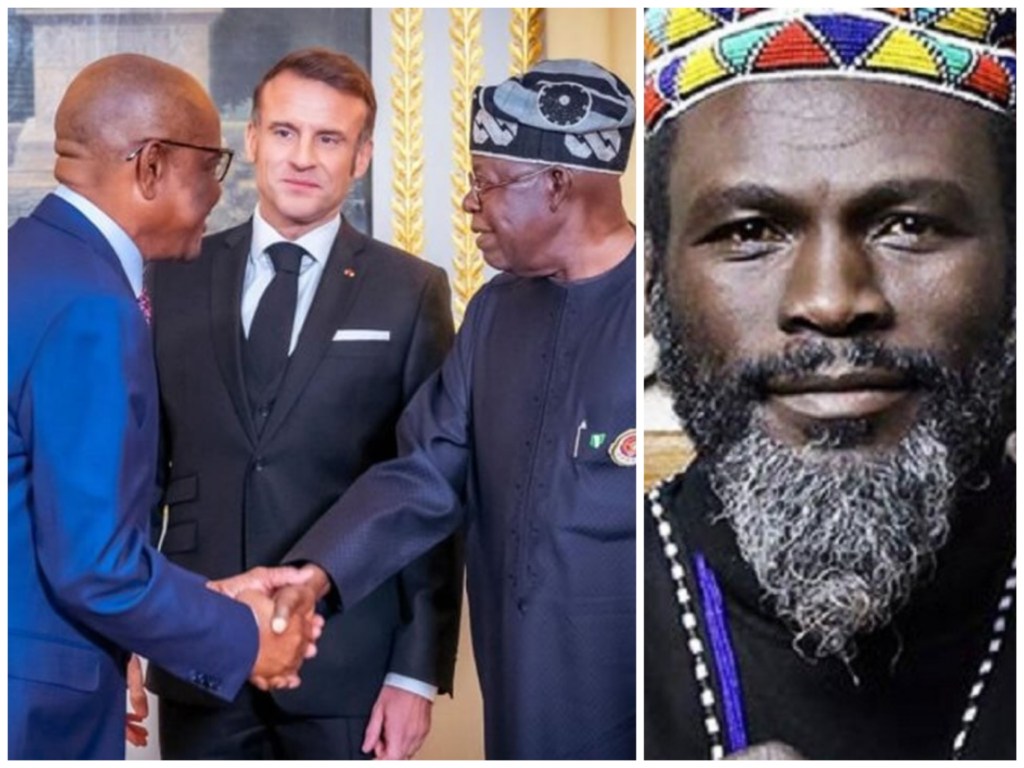
Macron’s vision for “training” African leaders revives an old colonial logic, the enduring grammar of imperial rule President Macron’s recent remarks, in which he suggested that Europe should identify promising African minds, educate them, and return them to Africa to assist in governance, cannot be treated as an innocent or merely careless choice of words.… Continue reading
-
The Total Financial Subjugation of Iraq After 2003 by the United States
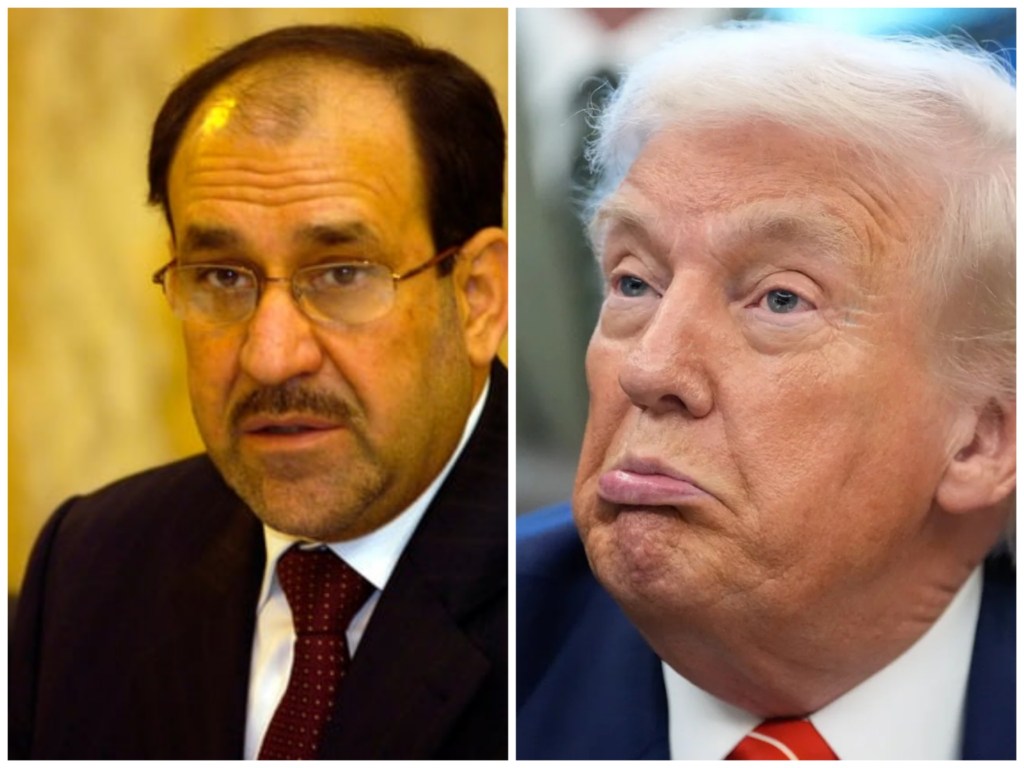
Why Iraq Governs Without Access to Its Own Income via an External U.S Banking Authority The United States exercises decisive control over Iraq through financial mechanisms established after the 2003 invasion, rather than through formal colonial administration or direct ownership of physical resources, a system Hussein Askary has described as “a complete financial and economic… Continue reading
economics, Energy, Financial markets, Foreign Policy, Geopolitics, Global Finance, israel, middle east, Mineral Resources, NATO, politics, warbanking compliance, corruption dynamics, Development Fund for Iraq, dollar dependency, economic coercion, Executive Order 13303, Federal Reserve Bank of New York, financial subjugation, Iraq, Monetary sovereignty, oil revenue custody, Oil-for-Food programme, political economy of Iraq, post-2003 occupation, post-occupation governance, Resolution 1483, Resolution 1956, sanctions architecture, Treasury control, United Nations Security Council, United States foreign policy -
The U.S Occupation of Nigeria Begins
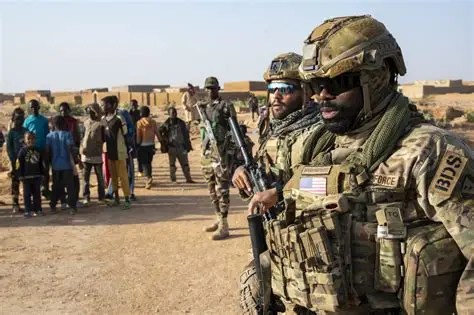
The Quiet Invasion of Nigeria Under the Banner of Peace: How the War on Terror Masks Resource Interests in Nigeria The recent announcement that the United States has deployed military personnel to Nigeria under the banner of counter-terrorism has generated significant debate about the true motivations behind such interventions. “This decision was announced in the… Continue reading
africa, AI and Digital Control, America, economics, Energy, Financial markets, Foreign Policy, Geopolitics, Global Finance, Mineral Resources, NATO, politics, reserve currency, warchaos theory, counter-terrorism, Game Theory, Geopolitics, global power dynamics, Hegelian dialectic, imperialism, international relations, military intervention, Mineral Resources, neocolonialism, Nigeria, oil and gas, political economy, resource politics, security studies, Sovereignty, strategic interests, US foreign policy, West Africa
