
UN Security Council
-
Israel Operates As a Law Unto Itself
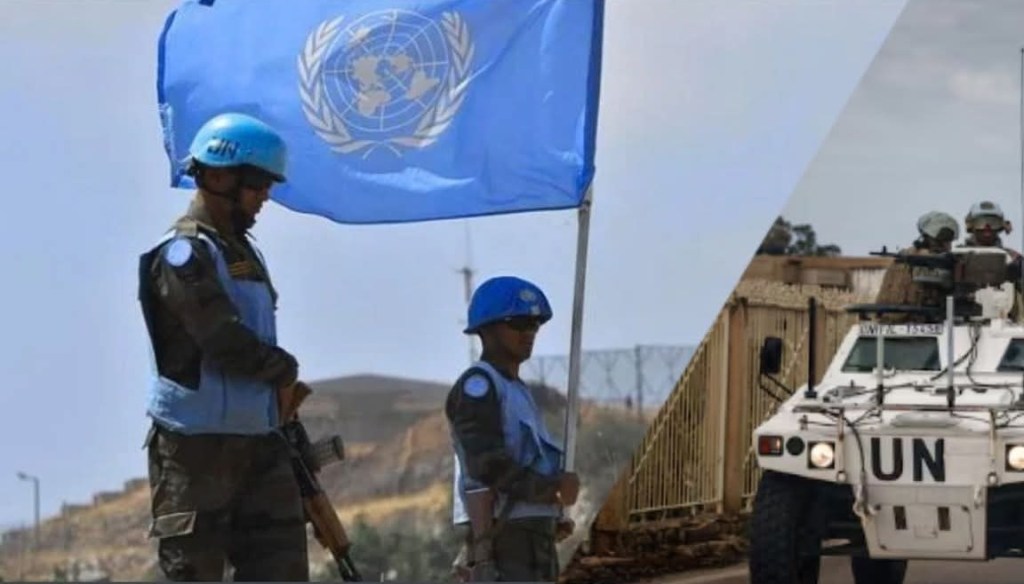
Repeated incidents involving UN personnel highlight a persistent tension between operational conduct, strategic imperatives, and the uneven application of international law. The argument that Israel operates as a law unto itself in its dealings with the United Nations and its personnel rests on a pattern of conduct that critics contend is neither incidental nor episodic,… Continue reading
-
The Security Council’s Selective Condemnation of Iran
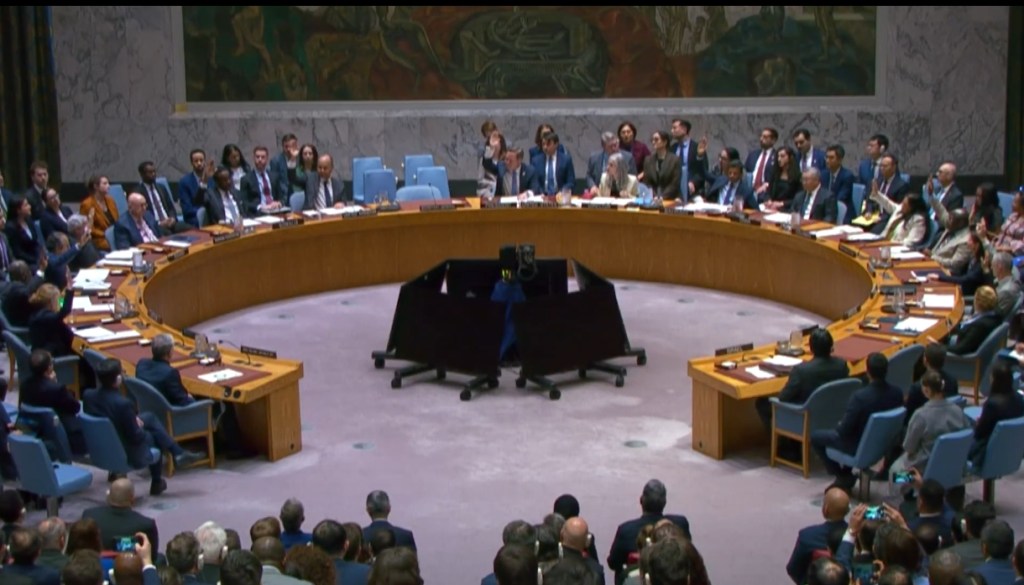
How the UN Resolution on Iran Omitted the Origins of the Conflict and Reflected the Politics of Power The resolution adopted by the United Nations Security Council condemning Iran’s military actions across the Gulf has been presented as a clear statement in defence of regional stability. Yet the circumstances surrounding the vote raise serious questions… Continue reading
AI and Digital Control, America, Carribean, East Africa, economics, Energy, EUROPE, Financial markets, Foreign Policy, Geopolitics, iran, israel, middle east, NATO, politics, Russia, warasymmetric warfare, Condemnation, Drone Warfare, economic disruption, economic warfare., energy security, geopolitical economy, geopolitical strategy, global energy markets, Gulf security, international diplomacy, iran, israel, Middle East geopolitics, military strategy, missile warfare, oil markets, sanctions, Strait of Hormuz, strategic deterrence, UN Resolution, UN Security Council, United Nations, United States, war of attrition, war termination -
Jeffrey Sachs and the Venezuela Question Before the Security Council
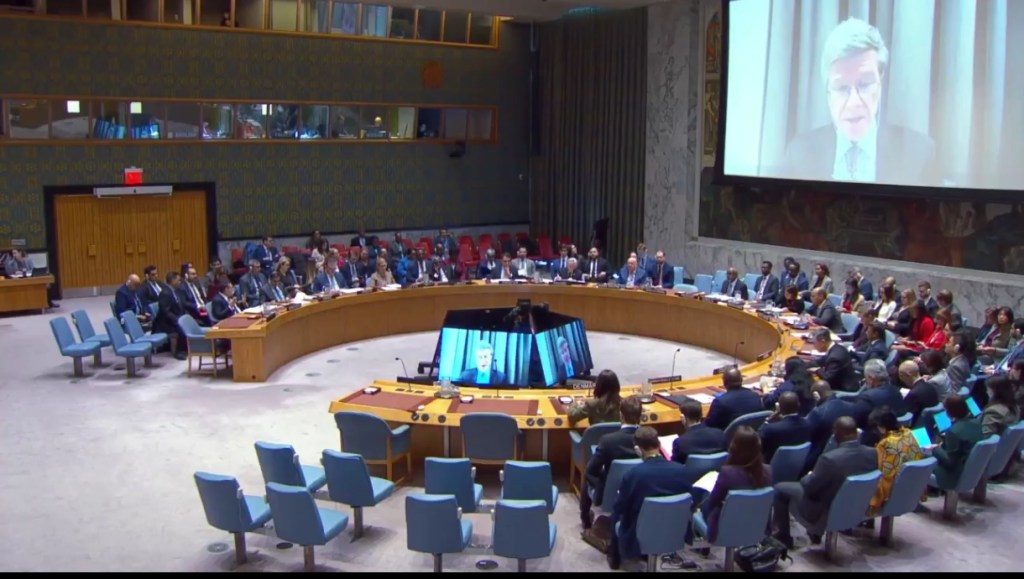
Venezuela as a test case for the post-1945 international framework and institutional decay The address delivered by Jeffrey D. Sachs to the United Nations Security Council on 5 January 2026 placed before the council a narrow legal and institutional question rather than a moral judgement on Venezuela’s domestic politics. The matter concerned whether a single… Continue reading
