
US–Iran relations
-
The Memorandum of Convenience
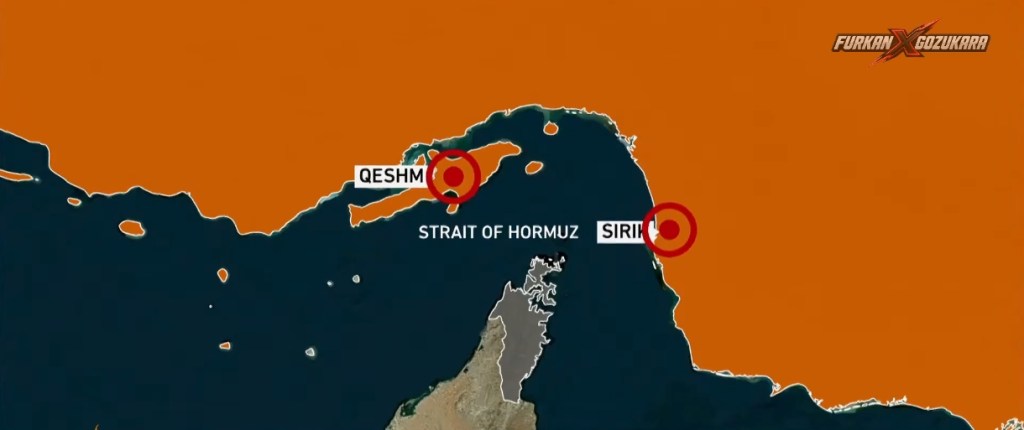
Why the US-Iran MOU Represents Another Chapter in a Longstanding Pattern of Strategic Deception The June 2026 Memorandum of Understanding between the United States and Iran has been presented to the world as a diplomatic breakthrough. According to the 14-point text, the agreement commits both parties to the immediate and permanent termination of military operations… Continue reading
AI and Digital Control, America, China, economics, Energy, EUROPE, Financial markets, Foreign Policy, Geopolitics, iran, israel, warBRICS, Brookings Institution, color revolution, energy security, Extending Russia, Geneva Convention, geopolitical competition, international law, Iran nuclear deal, Iran Sanctions, Iran War, Israel–Iran conflict, JCPOA withdrawal, LNG exports, MOU 2026, multipolarity, munitions depletion, proxy warfare, RAND Corporation, regime change, Strait of Hormuz, treaty violations, Trump administration, unipolarity, US foreign policy, US imperialism, US military inventory, US strategic deception, US–Iran relations, Which Path to Persia -
The Trap of Reconstruction: How the US-Iran Deal Subordinates Tehran to Gulf Capital
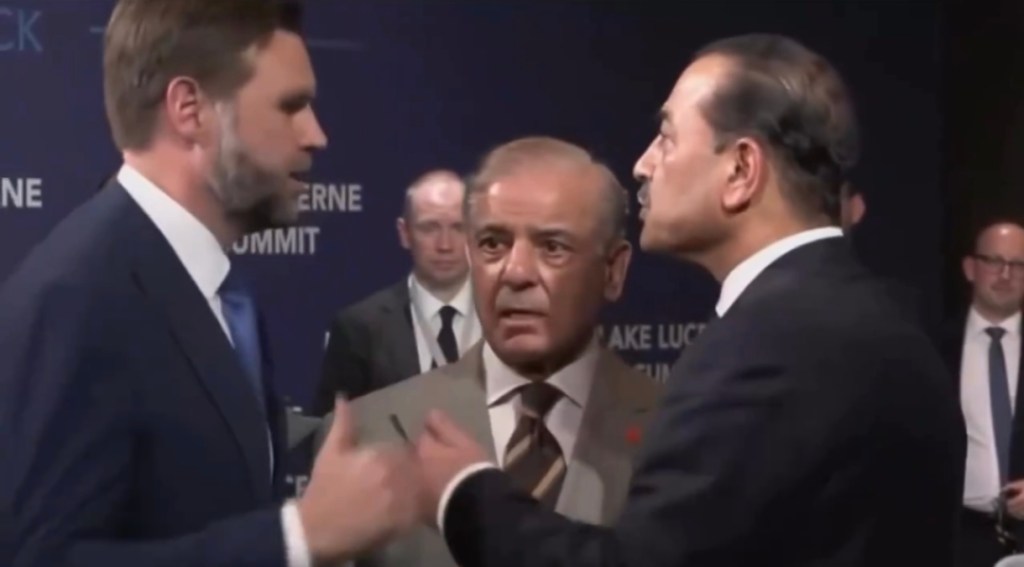
From Proxy Networks to Capital Dependency in the Post-War Middle East The signing of the Islamabad Memorandum of Understanding between the United States and the Islamic Republic of Iran on June 17, 2026, marks a decisive inflection point in the geopolitical trajectory of the Middle East, yet its true significance lies less in the cessation… Continue reading
AI and Digital Control, America, Foreign Policy, Geopolitics, imperialism, iran, israel, NATO, neocolonialism, Russia, waraxis of resistance, Belt and Road Initiative, financial imperialism, Gulf Cooperation Council, IMF structural adjustment, Iranian foreign policy, Islamabad Memorandum, JD Vance, managed multipolarity, maritime sovereignty, Middle East geopolitics, petrodollar system, reconstruction politics, regional security architecture, Strait of Hormuz, US–Iran relations -
Report: Ghalibaf’s Zurich Visit and Growing Evidence of Internal Divisions Over the Islamabad MoU
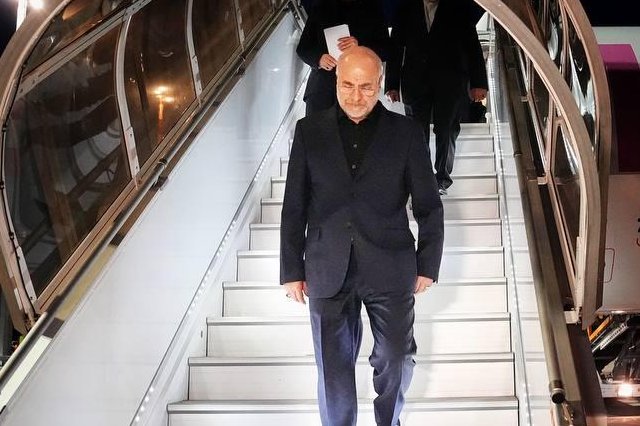
The reported arrival of Iranian Parliament Speaker Mohammad Bagher Ghalibaf in Zurich comes amid continuing controversy surrounding the Islamabad Memorandum of Understanding (MoU), Iran’s negotiations with the United States, and growing questions regarding the balance of power within the Islamic Republic. While many of the most detailed claims regarding the negotiation process remain unverified, a… Continue reading
-
The Calm Before the Storm: Is Washington Preparing for War With Iran Again?
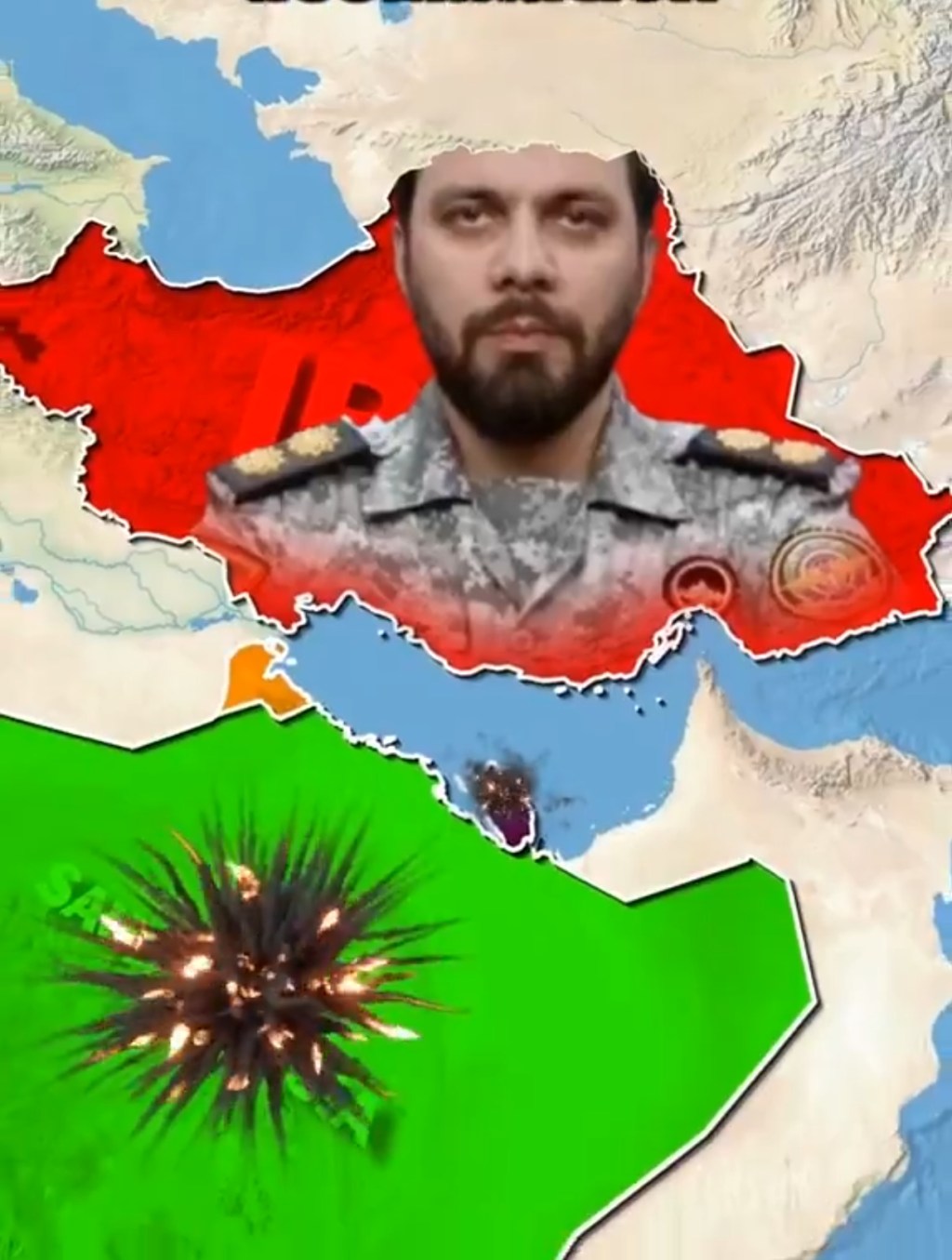
Washington says it wants diplomacy, but the demands being placed on Tehran look more like surrender terms than the foundation for lasting peace. The United States says it still wants diplomacy with Iran. Officials continue talking about negotiations, peace, and “de-escalation.” But behind the language of diplomacy, the reality looks very different. The conditions Washington… Continue reading
AI and Digital Control, America, Energy, Financial markets, Foreign Policy, Geopolitics, iran, israel, middle east, NATO, politics, Russia, warChina, CNN, Cruise Missiles, Defense, drones, Geopolitics, Global Politics, international relations, iran, middle east, Military, Military Industry, Missile Launchers, Missile Systems, Nuclear Tensions, pentagon, Persian Gulf, regional security, Russia, sanctions, Strait of Hormuz, strategic deterrence, Tehran, United States, US–Iran relations, Warfare -
1953 Coup: The Original Sin of US-Iran Relations

The 1953 Anglo-American overthrow of Mohammad Mosaddegh destroyed a democratic nationalist government, and laid the foundations for the anti-Western resistance doctrine drives Tehran’s politics today The modern confrontation between Iran and the United States did not begin with the 1979 Islamic Revolution, the embassy hostage crisis, or the rise of the Islamic Republic under Ayatollah… Continue reading
AI and Digital Control, America, Financial markets, Foreign Policy, Geopolitics, iran, israel, middle east, Mineral Resources, NATO, politics1953 Iranian Coup, Anglo-Iranian Oil Company, anti-imperialism, ayatollah khomeini, BP, BRICS, British Empire, British foreign policy, CIA, CIA Coups, Cold War, Declassified Documents, economic warfare., energy geopolitics, Eurasia, foreign intervention, Geopolitics, Global South, intelligence operations, iran, Iranian Nationalism, Iranian Revolution, Iranian Sovereignty, MI6, middle east, Mohammad Mosaddegh, multipolarity, nationalisation, Oil Politics, Operation Ajax, Petroleum Politics, political Islam, regime change, sanctions, SAVAK, Shah Mohammad Reza Pahlavi, United Kingdom, United States, US foreign policy, US–Iran relations, Western Intervention -
The Strategic Mis-use of Memory in U.S.-Iran Relations
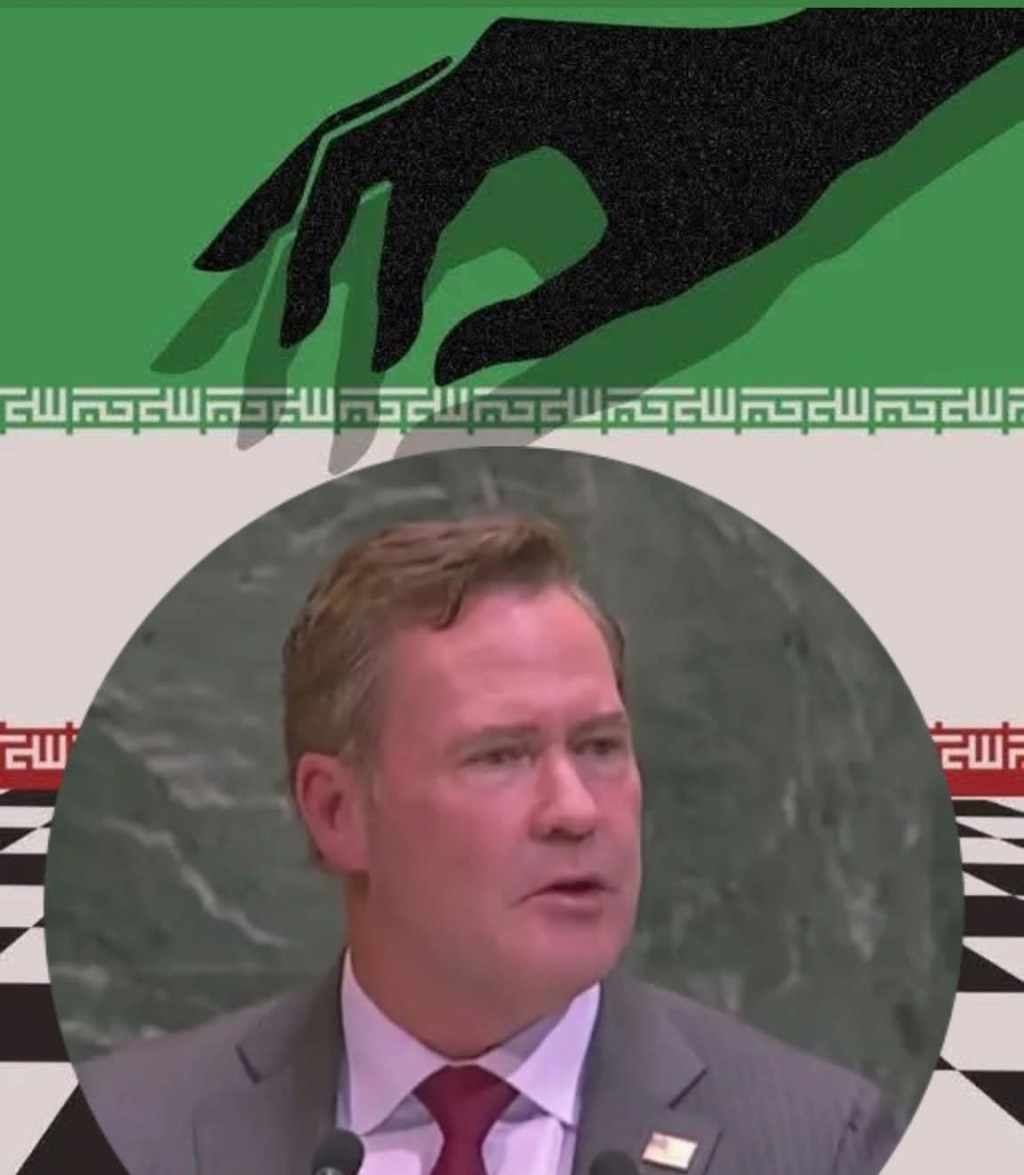
Why the persistent invocation of 1979 continues to justify sanctions, strikes, and systemic escalation The enduring American narrative surrounding the 1979 embassy seizure functions not as historical record but as strategic instrument, and its continued deployment marks a structural refusal to acknowledge the limits of American power in the post-imperial Middle East. That refusal has… Continue reading
AI and Digital Control, America, economics, EUROPE, Financial markets, Foreign Policy, Geopolitics, Global Finance, iran, israel, middle east, Mineral Resources, NATO, politics, reserve currency, Russia, war1953 Iranian coup d’état, Algiers Accords, energy security, Foreign Policy, Geopolitics, international law, iran, Iran Air Flight 655, Iran hostage crisis, Iran–Iraq War, Iranian Revolution, Joint Comprehensive Plan of Action, Middle East conflict, multipolar world, regime change, sanctions, Strait of Hormuz, United States, US–Iran relations -
Iran Rejects Ceasefire Demands Permanent End to War and External Pressure
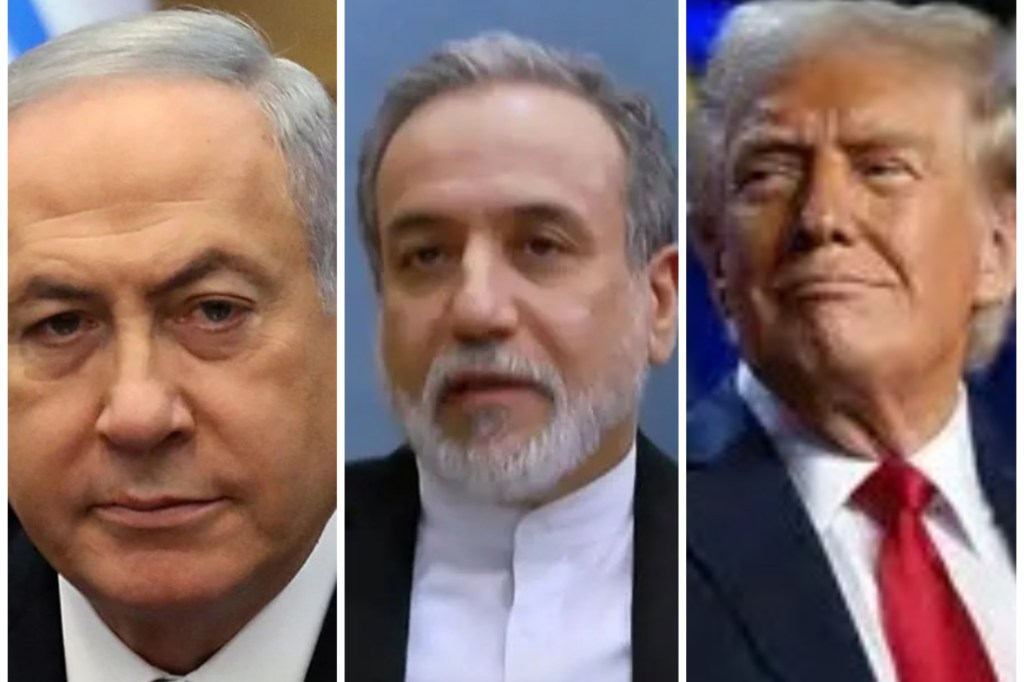
Iranian leadership argues that temporary truces only preserve the strategic conditions that have produced decades of confrontation since the 1979 revolution. Iranian refusal to accept a temporary ceasefire reflects a strategic calculation rooted in the historical pattern of hostilities directed against the Islamic Republic since the 1979 revolution. Tehran frames the current confrontation as the… Continue reading
AI and Digital Control, America, China, economics, Energy, EUROPE, Financial markets, Foreign Policy, Geopolitics, iran, israel, middle east, NATO, politics, Russia, warAbbas Araghchi, ceasefire diplomacy, energy security, Game Theory, Geopolitics, global energy markets, Gulf geopolitics, iran, Iranian foreign policy, IRGC, Israel Iran tensions, Middle East conflict, oil geopolitics, political economy, regional power balance, security architecture, Strait of Hormuz, Sun Tzu, Thomas Schelling, US–Iran relations, war strategy -
On the Cusp of Trump’s Regime Change and the Persian Gamble
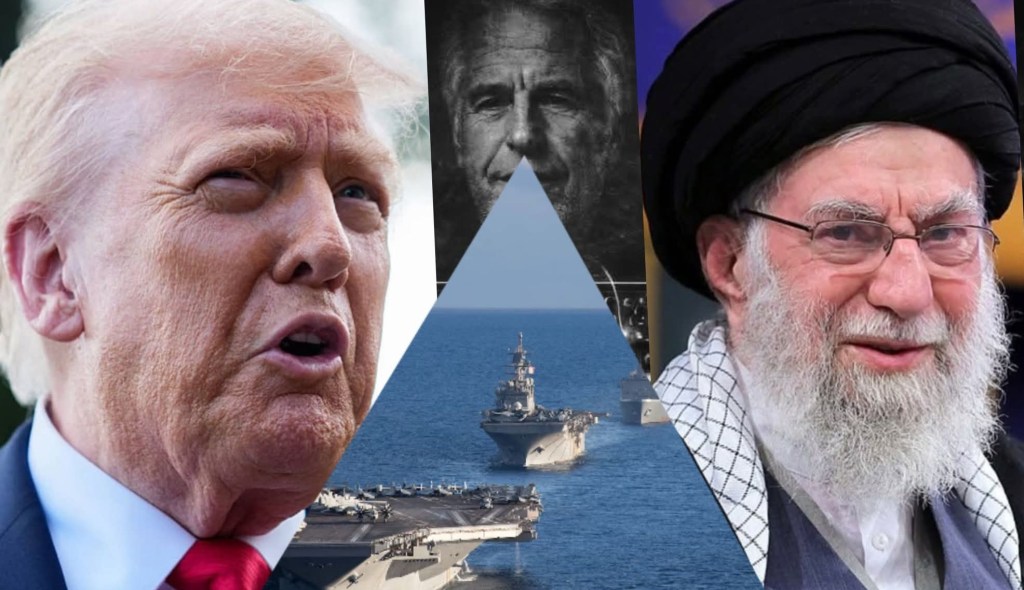
The military build-up against Iran and the doctrines, alliances, and risks shaping a possible full-scale conflict Television reports from Channel 12 state that President Donald Trump stands on the verge of approving a large scale, week long military campaign against Iran that would be perceived internationally as full war rather than limited reprisal. Sources briefed… Continue reading
AI and Digital Control, America, East Africa, economics, Energy, EUROPE, Financial markets, Foreign Policy, Geopolitics, israel, middle east, NATO, politics, reserve currency, Russia, warair defence systems, carrier strike groups, chaos theory and war, coercive diplomacy, deterrence theory, Eurasian trade corridors, game theory in international relations, imperial overstretch, Israel–Iran conflict, madman theory, Middle East geopolitics, missile proliferation, multipolar world order, nuclear negotiations, Persian Gulf security, proxy warfare, regime change doctrine, shock and awe, Strait of Hormuz, US–Iran relations
