
israel
-

Leaked documents, diplomatic activism, and conflict-zone reporting challenge the narrative of UAE’s supposed neutral modernity. (In this featured 2012 private jet photo, Azizah Al-Ahmadi (blue), identified as sending a piece of the Kaaba’s Kiswah to Epstein, appears alongside Emirati diplomat Hind Al-Owais (red), referenced in DOJ-released emails. The Kiswah was later photographed laid out on… Continue reading
AI and Digital Control, America, economics, Energy, EUROPE, Financial markets, Foreign Policy, Geopolitics, Global Finance, israel, middle east, NATO, politics, warAbraham Accords, diplomatic leaks, elite power structures, Geopolitics, Hind Al-Owais, Horn of Africa, human rights, Islamophobia debate, Israel-UAE relations, Jeffrey Epstein files, Kiswah controversy, Libya civil war, Middle East politics, mineral geopolitics, political Islam, Qatar blockade, regional security, soft power, strategic alignment, Sudan conflict, transnational influence networks, UAE foreign policy, United Arab Emirates, Western alliances, Yemen war -
Narrative Hegemony and the Architecture of Manufacturing Consensus Reality

An Opinion Analysis of Systemic Conditioning, Cognitive Dissonance, and Identity Defence in Caitlin Johnstone’s Critique of Western Narrative Hegemony Western public discourse surrounding foreign policy rests upon a conceptual infrastructure that most citizens rarely examine in structural terms. Caitlin Johnstone argues that resistance to critiques of the United States and its allied power structures does… Continue reading
AI and Digital Control, America, Financial markets, Foreign Policy, Geopolitics, Global Finance, israel, NATO, politics, warCaitlin Johnstone, cognitive dissonance, consensus reality, cultural hegemony, geopolitical discourse, identity politics, imperialism, institutional power, media systems, narrative hegemony, political psychology, propaganda model, social identity theory, systemic conditioning, Western foreign policy -
Netanyahu’s Last Window in Washington
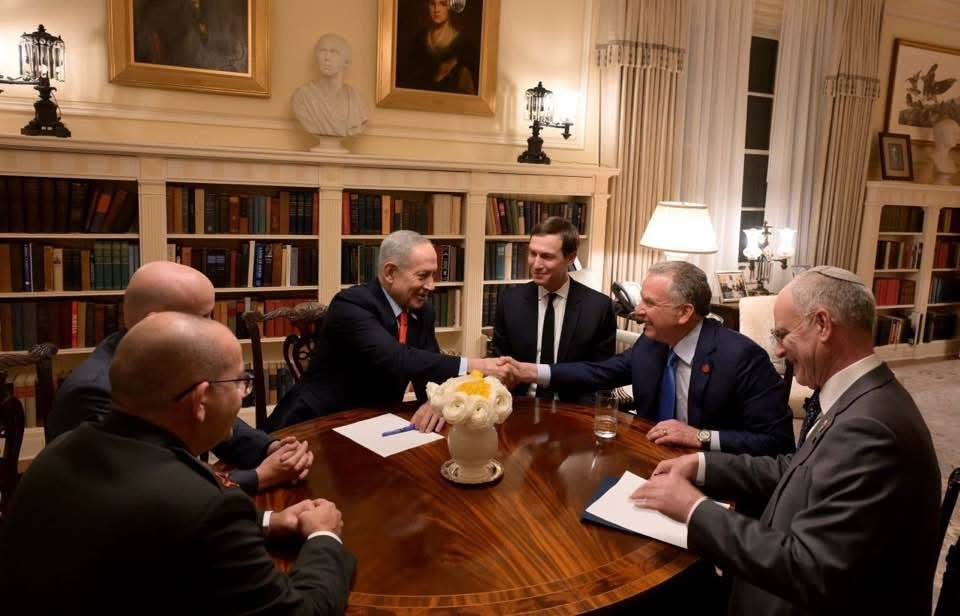
How narrowing timelines, deterrence, and political survival at a critical juncture increase the probability of kinetic outcomes Benjamin Netanyahu is in Washington for a meeting with President Donald Trump as American negotiations with Iran approach a decisive phase. On the eve of his meeting with President Donald Trump at the White, Netanyahu spent the evening… Continue reading
-
Lavrov Slams Epstein-Russia Claims as “Yellow Journalism”

Moscow rejects spy allegations as a political distraction, while the Global South reacts with shock at Western inaction and elite impunity Russian Foreign Minister Sergey Lavrov has denounced the claims circulating in Western media that financier and convicted sex offender Jeffrey Epstein might have had ties to Russian intelligence, describing the allegations as little more… Continue reading
-
Negotiations or Non-Negotiations? Seven Visits, Zero Resolution
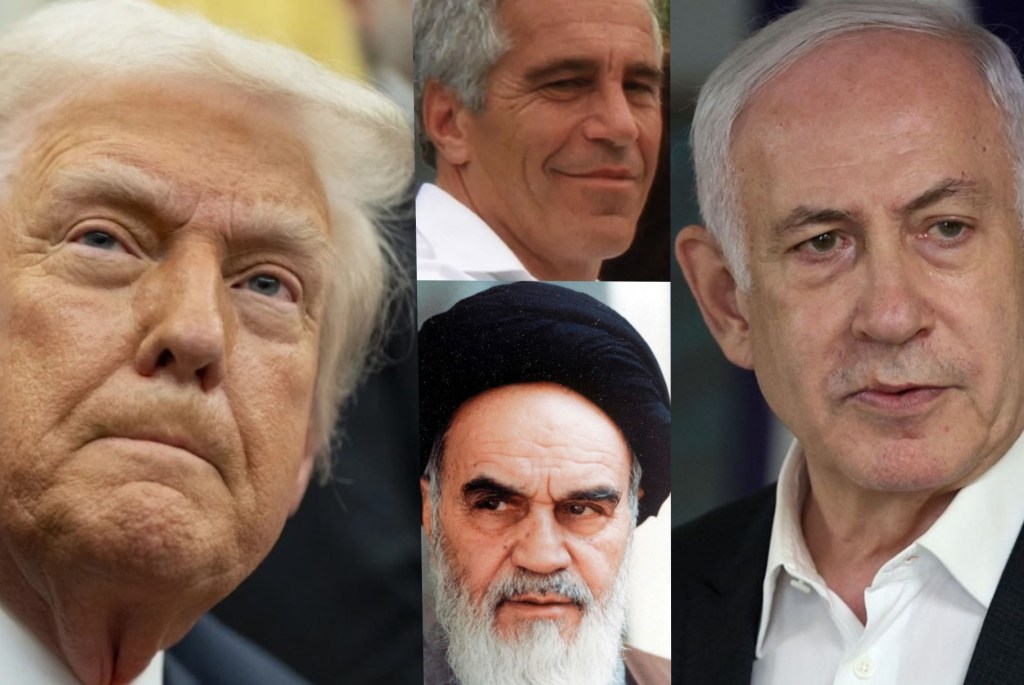
Netanyahu’s Washington Visits, Maximalist Demands, Domestic Vulnerabilities, Strategic Deadlock, and the Risk of Miscalculation on Iran Benjamin Netanyahu’s seventh visit to the White House within a twelve-month period takes place amid a dense convergence of military escalation, financial instability, and domestic political exposure within both the United States and Israel. Netanyahu arrives in Washington on… Continue reading
AI and Digital Control, America, Financial markets, Foreign Policy, Geopolitics, Global Finance, israel, Mineral Resources, NATO, politics, Russia, waralliance management, ballistic missiles, brinkmanship, deterrence theory, domestic political pressure, epstein files, financial instability, Foreign Policy, Game Theory, institutional trust, international security, Iran nuclear negotiations, maximalist demands, Middle East diplomacy, military escalation, Netanyahu, nuclear proliferation, proxy conflicts, strategic deadlock, US Israel relations, White House -
Red Lines and Hard Choices of the US-Iran Standoff
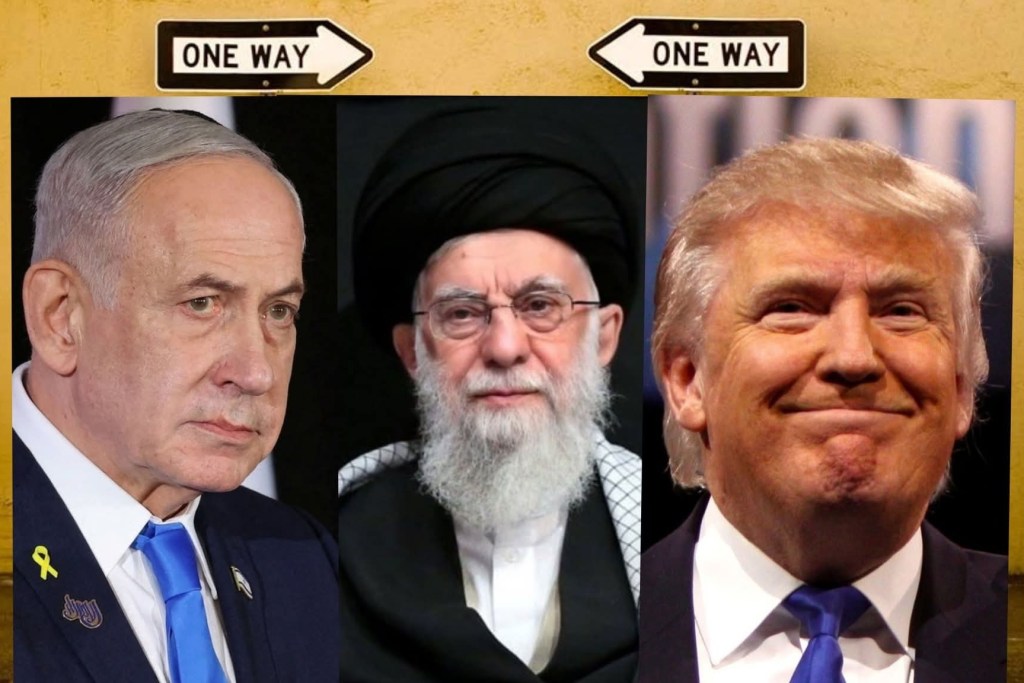
Why the US-Iran Impasse Matters to Global Order The standoff between the United States and Iran marks a clear deadlock over sovereignty, military deterrence, and regional power. Recent indirect negotiations in Muscat between U.S. envoys and Iranian officials produced little progress, showing that the parties’ red lines remain firmly inplacer. Iranian Foreign Minister Abbas Araghchi… Continue reading
-
Trump’s Tariffs Backfired and Weakened Economic Power
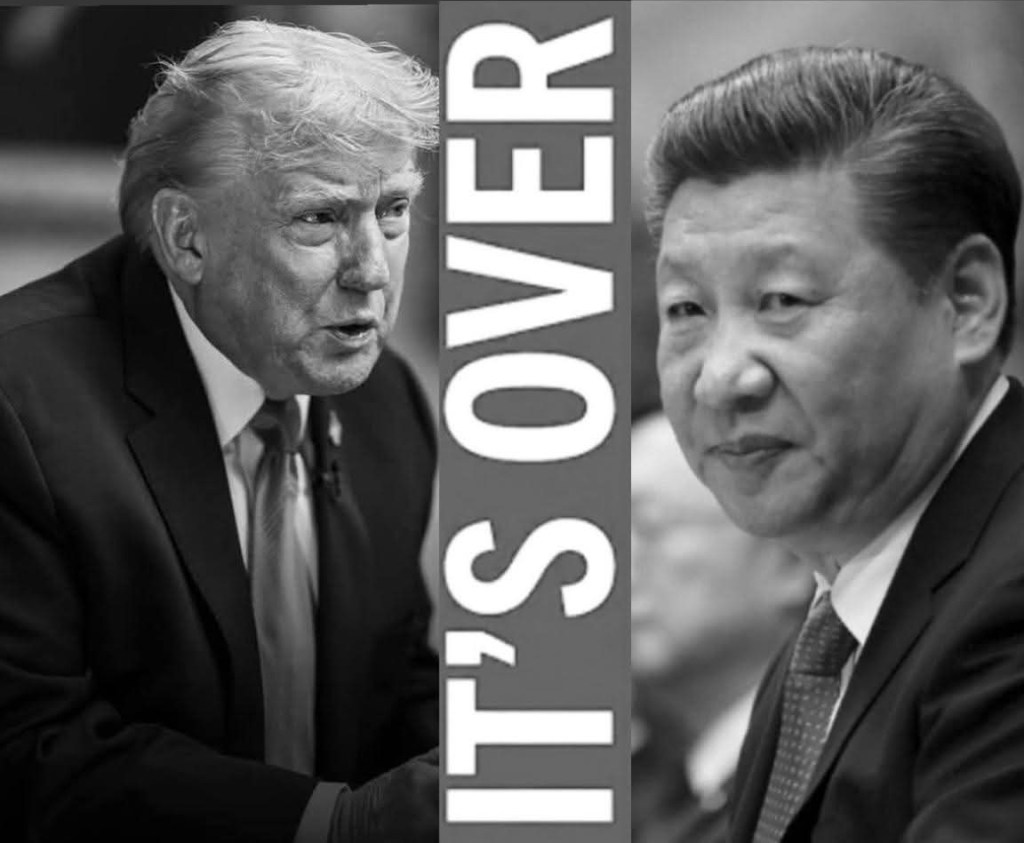
The Burdem of United States Trade Policy Failure Fell on American Consumers, Firms, Allies, and Markets The reintroduction and expansion of United States tariffs under the Trump administration formed the centrepiece of a strategy publicly presented as economic nationalism, strategic leverage, and industrial revival. The policy failed on each stated objective while imposing measurable domestic… Continue reading
-
The Total Financial Subjugation of Iraq After 2003 by the United States
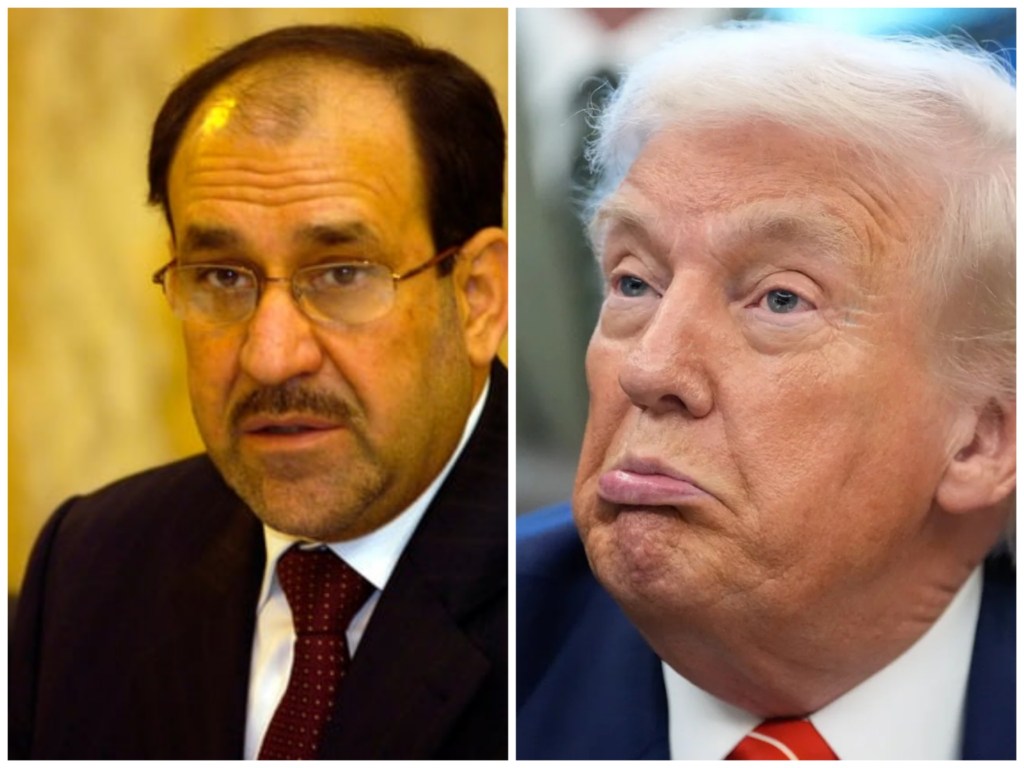
Why Iraq Governs Without Access to Its Own Income via an External U.S Banking Authority The United States exercises decisive control over Iraq through financial mechanisms established after the 2003 invasion, rather than through formal colonial administration or direct ownership of physical resources, a system Hussein Askary has described as “a complete financial and economic… Continue reading
economics, Energy, Financial markets, Foreign Policy, Geopolitics, Global Finance, israel, middle east, Mineral Resources, NATO, politics, warbanking compliance, corruption dynamics, Development Fund for Iraq, dollar dependency, economic coercion, Executive Order 13303, Federal Reserve Bank of New York, financial subjugation, Iraq, Monetary sovereignty, oil revenue custody, Oil-for-Food programme, political economy of Iraq, post-2003 occupation, post-occupation governance, Resolution 1483, Resolution 1956, sanctions architecture, Treasury control, United Nations Security Council, United States foreign policy -
The West v. East GeoEconomic Warfare For Financial Primacy
Monetary Systems, Power, and the Struggle to Shape and Control the Global Order for the Coming Generations West versus East; it is a war, for now, a smart kind of war, but one that results in a “permanent fragmentation” of the global financial architecture. This architecture that evolved after the Second World War rested upon… Continue reading
AI and Digital Control, America, China, economics, EUROPE, Financial markets, Foreign Policy, Geopolitics, Global Finance, israel, middle east, Mineral Resources, NATO, politics, reserve currency, Russia, South East Asia, warCBERS, chaos theory, Eastern Financial Systems, Economic Security, financial warfare, Game Theory, Geoeconomics, Global Finance, Gold Markets, Industrial Capacity, Minsky, Monetary sovereignty, Physical vs Paper Assets, reserve currency, sanctions, Silver Markets, Strategic Competition, Sun Tzu, SWIFT, US Dollar Dominance, West vs East -
US used an F-35 Jet To Shoot Down a Cheap Iranian Drone

What the use of a fifth-generation fighter against an Iranian drone suggests about modern air defence limits Reports that a United States F-35 fighter aircraft was used to shoot down an Iranian drone have prompted discussion among military analysts about the broader implications of the incident. While the interception itself was successful, the choice of… Continue reading
