
Strategic Competition
-
The Unipolar Delusion and the Return of Great-Power Politics: Why Western Escalation Reflects Panic Rather Than Strength
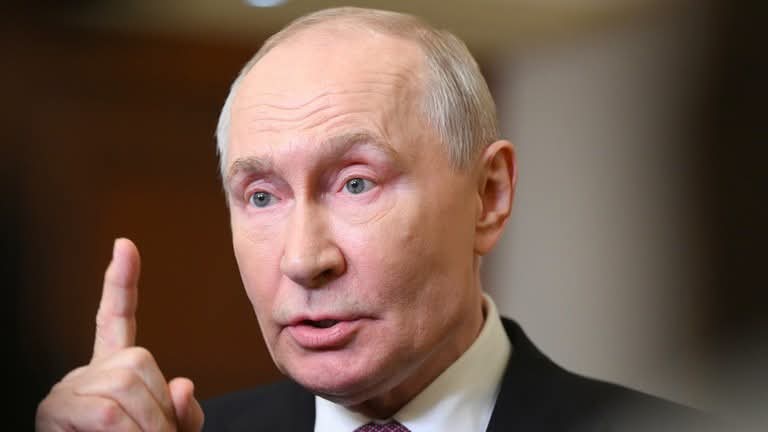
Editorial Analysis | September 2026 The collapse of the Soviet Union produced a distribution of global power that left Washington in effective control of the international system. That concentration of power, combined with the desire to maintain it in perpetuity, created structural incentives that shaped American foreign policy for three decades. One side emerged from… Continue reading
-
The Fractured Crescent
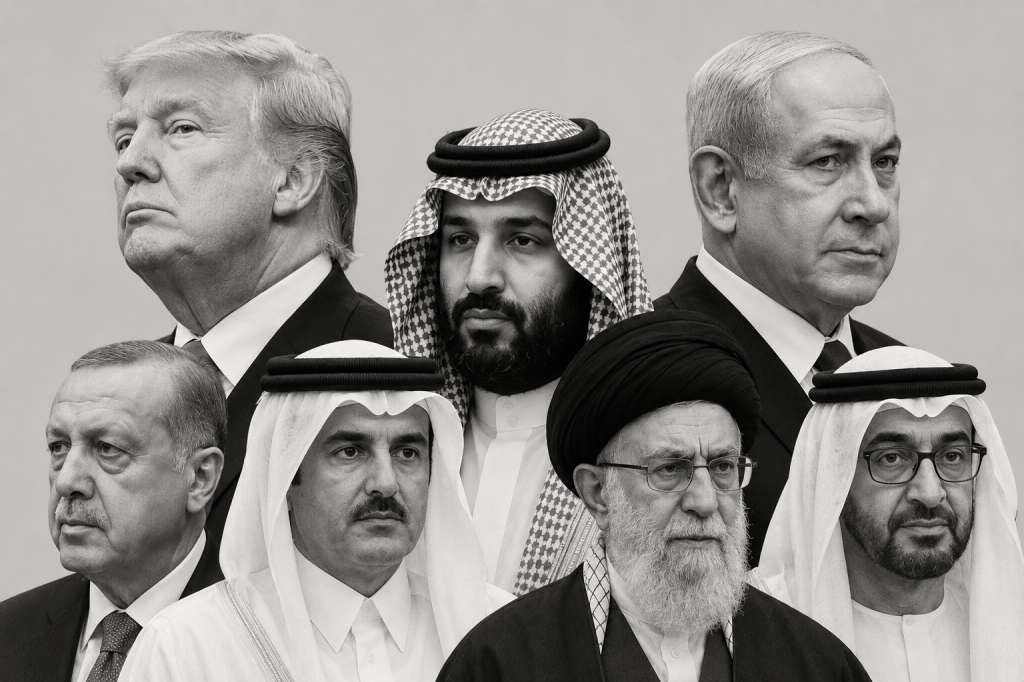
Power, Rivalry and Realignment in the Emerging Middle Eastern Order The Middle East enters another period of strategic transition as assumptions underpinning the regional order during the post-Cold War era face growing pressure from shifting power balances, changing economic realities, military confrontation, and the gradual erosion of uncontested American dominance. Public discussion frequently presents the… Continue reading
AI and Digital Control, America, China, economics, Energy, EUROPE, Financial markets, Foreign Policy, Geopolitics, Global Finance, iran, israel, Latin America, middle east, Mineral Resources, NATO, politics, reserve currency, Russia, South East Asia, warAbraham Accords, energy politics, Eurasia, Gaza War, Geopolitics, Geostrategy, great power competition, Gulf Cooperation Council, Gulf States, iran, israel, middle east, Mohammed bin Salman, Mohammed bin Zayed, multipolarity, Netanyahu, Political Rivalry, power transition, Qatar, Red Sea, regional power shift, Regional Realignment, Saudi Arabia, security architecture, Strait of Hormuz, Strategic Competition, Sudan conflict, Trump, Turkey, US foreign policy, West Asia, Yemen war -
The Pentagon’s Drone Pivot Signals a Fundamental Shift in U.S. Military Doctrine
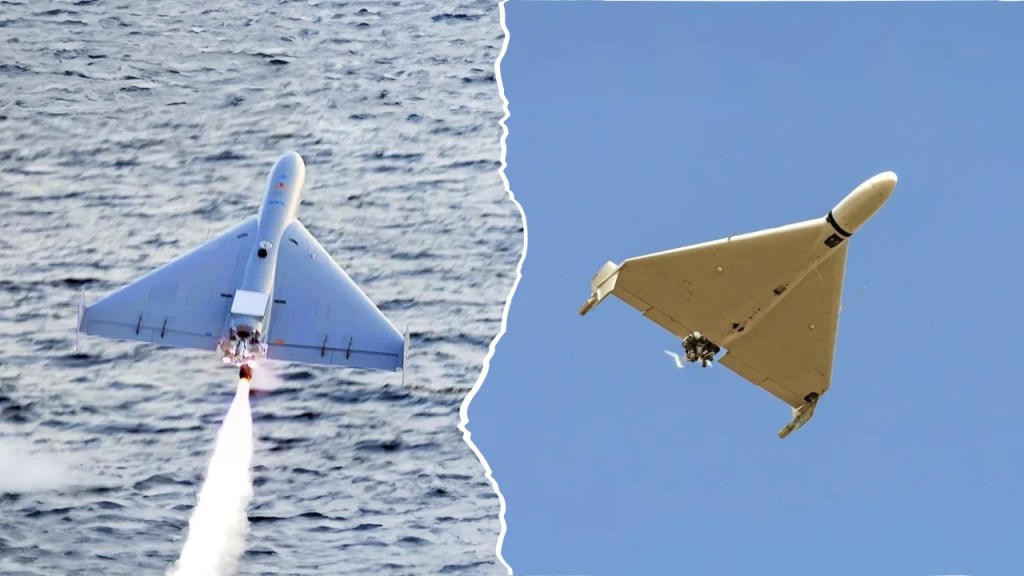
As Washington races to scale low-cost drone production after lessons from Ukraine, the United States is confronting a deeper challenge: transforming a defense system built for technological superiority into one capable of sustaining industrial-scale autonomous warfare during an active era of global competition. The U.S. Department of Defense is reportedly expanding efforts to strengthen domestic… Continue reading
AI and Digital Control, America, China, economics, Energy, EUROPE, Foreign Policy, Geopolitics, Global Finance, iran, israel, middle east, Mineral Resources, NATO, politics, reserve currency, warAI warfare, Autonomous Systems, Defense Industry, Defense Manufacturing, Drone Production, Drone Warfare, Electronic Warfare, FPV Drones, Geopolitics, industrial policy, iran, Low-Cost Drones, LUCAS Drone, military doctrine, military strategy, military technology, Modern Warfare, national security, pentagon, Shahed Drones, Strategic Competition, U.S. Defense Policy, U.S.-Saudi Relations, Ukraine war, United States -
Do Not Underestimate the United States (Editorial Version)
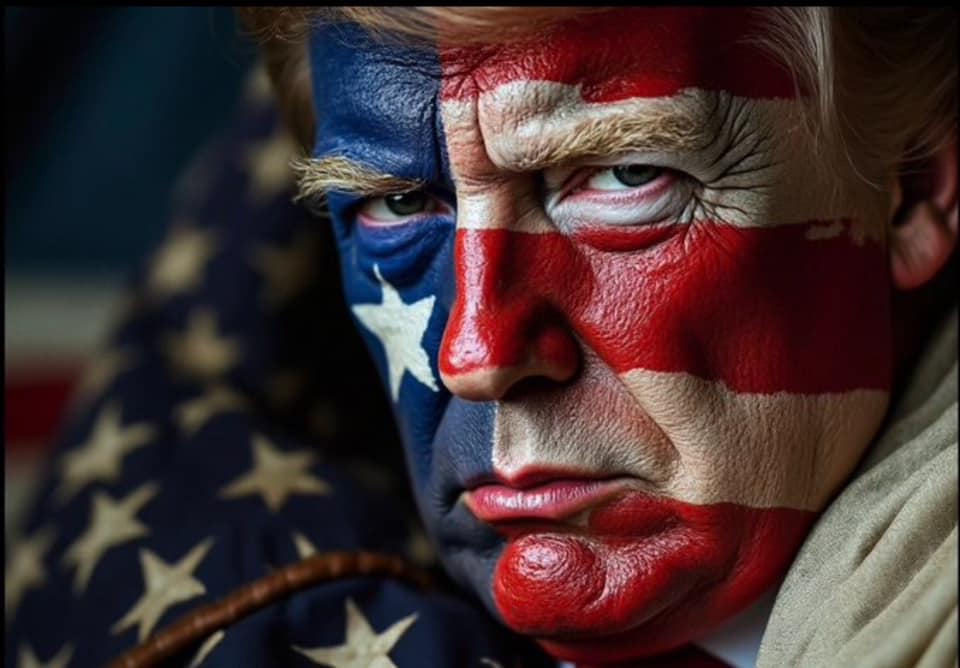
An analytical examination of the US blockade on Iran, the systematic disruption of energy flows to Asia, and the long-term campaign to isolate China The United States Navy’s deployment of FA-18 Super Hornets to conduct strafing attacks against Iranian commercial tankers in the Gulf of Oman on 6 and 8 May 2026, three vessels targeted,… Continue reading
AI and Digital Control, America, China, economics, Energy, EUROPE, Financial markets, Foreign Policy, Geopolitics, Global Finance, iran, israel, middle east, Mineral Resources, NATO, politics, reserve currency, Russia, South East Asia, waralliance systems, Brian Berletic, Brookings Institution, China, deindustrialisation, economic warfare., energy security, Energy Warfare, Eurasia, Eurasian integration, Geopolitics, global energy markets, global trade routes, great power competition, Indo-Pacific, industrial policy, international relations, iran, LNG, maritime chokepoints, Maritime Strategy, NATO, Nord Stream, proxy warfare, RAND Corporation, Russia, sanctions, sanctions policy, Strait of Hormuz, Strait of Malacca, Strategic Competition, Ukraine war, United States foreign policy, US Navy -
Do Not Underestimate the United States (Long Version)
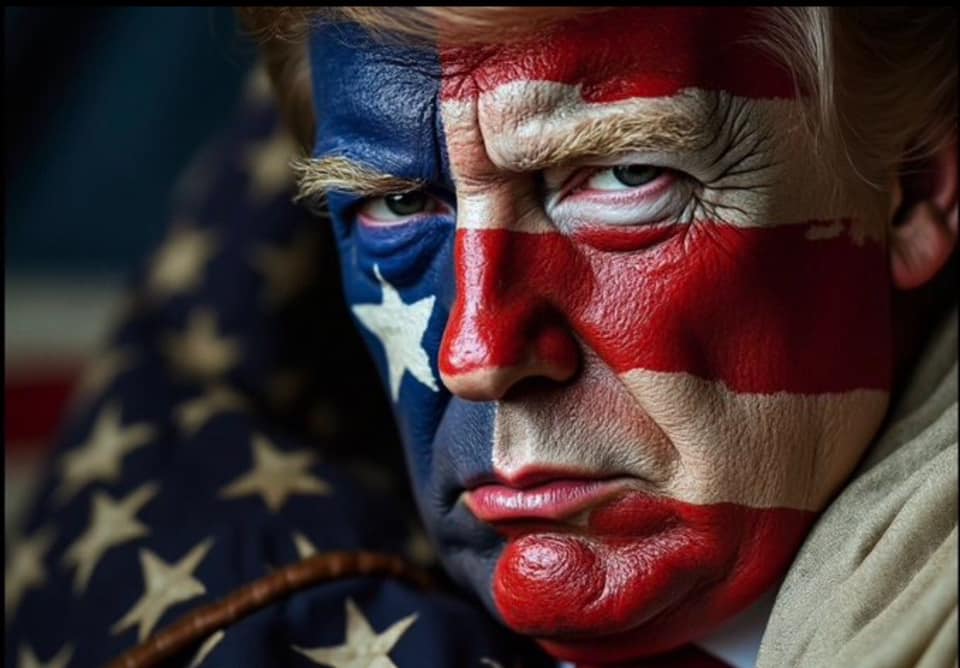
Why the United States Seeks Control of Supply Routes Rather Than Conventional Victory American power has repeatedly been misread during prolonged geopolitical confrontations because commentators continue measuring strategic success through the narrow lens of immediate battlefield outcomes rather than through cumulative institutional, economic, and infrastructural transformation across decades. Independent geopolitical analyst Brian Berletic argued during… Continue reading
AI and Digital Control, America, China, East Africa, economics, Energy, EUROPE, Financial markets, Foreign Policy, Geopolitics, iran, israel, middle east, NATO, politics, reserve currency, Russia, waralliance systems, Brian Berletic, Brookings Institution, China, deindustrialisation, economic statecraft, economic warfare., energy geopolitics, energy security, Energy Warfare, Eurasia, Eurasian integration, geopolitical risk, Geopolitics, global energy markets, global trade routes, great power competition, Indo-Pacific, industrial policy, international relations, iran, LNG, maritime chokepoints, Maritime Strategy, military strategy, NATO, Nord Stream, proxy warfare, RAND Corporation, Russia, sanctions, sanctions policy, Strait of Hormuz, Strait of Malacca, Strategic Competition, strategic studies, supply chains, Ukraine war, United States foreign policy, US Navy, US-China relations -
Trump’s Beijing Delegation Exposed the Real Structure of American Power (Short Version)
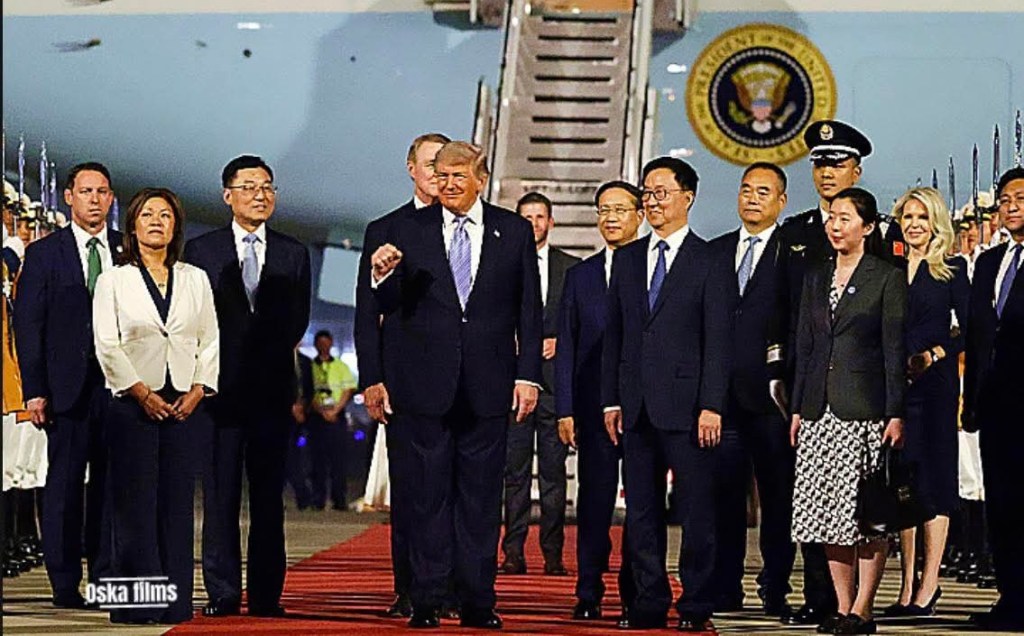
The Beijing visit exposed how transnational corporations, financial institutions, and technology monopolies now operate openly as the permanent power structure beneath American electoral politics. This is the short version analytical examination of Donald Trump’s state visit to China and its implications for the emerging multipolar order. See link at the bottom for the extended version.… Continue reading
AI and Digital Control, America, China, economics, Energy, EUROPE, Financial markets, Foreign Policy, Geopolitics, Global Finance, iran, israel, middle east, Mineral Resources, NATO, politics, Russia, warAdmiral Paparo, American decline, Apple, Beijing Summit, Belt and Road, blackrock, China Policy, China White Paper 2026, Chinese Self-Sufficiency, Corporate Diplomacy, Corporate Lobbying, decoupling, donald trump, Elbridge Colby, energy geopolitics, foreign policy analysis, Geopolitics, Goldman Sachs, Grand Bargain, Indo-Pacific, iran, Joint Communiqués, multipolar order, National Defense Strategy, National Security Strategy 2025, New Quality Productive Forces, Nvidia, One-War Military, PLA Modernisation, Qualcomm, rare earths, Semiconductor War, Senate Armed Services Committee, Six Assurances, SMIC, Strait of Hormuz, Strategic Competition, strategic encirclement, taiwan, Think Tank, Trump-Xi 2026, US-China relations, Wall Street China, Xi Jinping -
Trump’s Beijing Delegation Exposed the Real Structure of American Power [Extended Version]
![Trump’s Beijing Delegation Exposed the Real Structure of American Power [Extended Version]](https://globalgeopolitics.co.uk/wp-content/uploads/2026/05/img_20260513_235056.jpg?w=1024)
The Beijing visit exposed how transnational corporations, financial institutions, and technology monopolies now operate openly as the permanent power structure beneath American electoral politics. Donald Trump arrived in Beijing flanked by the commanding layer of American corporate and financial power because the visit exposed something Washington normally prefers hidden behind electoral theatre: transnational capital, technology… Continue reading
AI and Digital Control, America, China, economics, Energy, EUROPE, Financial markets, Foreign Policy, Geopolitics, Global Finance, iran, israel, middle east, Mineral Resources, NATO, politics, reserve currency, Russia, South East Asia, warAmerican decline, American empire, Apple, Belt and Road Initiative, blackrock, Boeing, China, Chinese Strategy, Corporate Globalism, corporate power, dollar hegemony, donald trump, economic warfare., elite power structures, energy security, Eurasia, Financial Capital, Financialisation, Foreign Policy, Game Theory, Geoeconomics, Geopolitics, global hegemony, global order, Goldman Sachs, great power competition, Indo-Pacific, Industrial Capacity, industrial policy, international relations, iran, manufacturing, Maritime Strategy, multipolarity, Nvidia, oligarchy, political economy, realism, Semiconductor War, Silicon Valley, Strategic Competition, strategic studies, supply chains, taiwan, technological sovereignty, Tesla, transnational capital, United States, US-China relations, wall street, Xi Jinping -
Kagan and Boot: The Guilty Are Writing the Verdict (Extended Version)
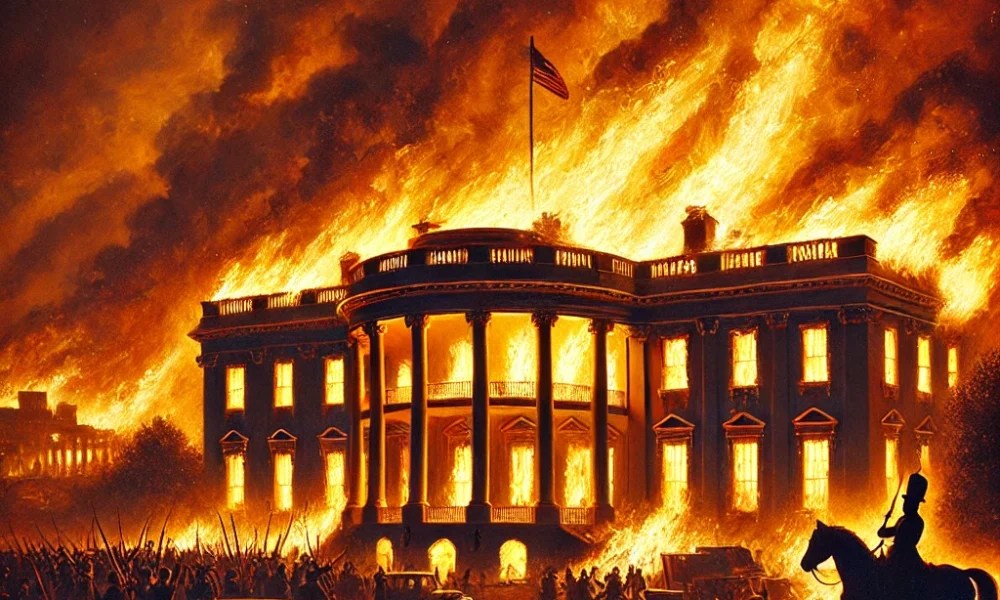
From Tehran to Taiwan: The Men Who Built America’s Empire Are Now Writing Its Autopsy The extraordinary significance of the Max Boot interview with former CIA analyst John Culver does not rest merely in the military assessments themselves, severe as they already appear. The deeper significance rests in who is speaking, where they are speaking,… Continue reading
AI and Digital Control, America, China, East Africa, economics, Energy, Financial markets, Foreign Policy, Geopolitics, Global Finance, iran, israel, NATO, politics, reserve currency, warAmerican decline, American empire, American Power, Atlanticism, Belt and Road Initiative, China, containment strategy, de-dollarisation, defence policy, empire, energy politics, Eurasia, Eurasian integration, Geopolitics, Geostrategy, global hegemony, global order, great power competition, imperial overstretch, Indo-Pacific, Indo-Pacific strategy, Industrial Capacity, international relations, iran, John Culver, maritime power, Max Boot, military industrial complex, Military Primacy, military strategy, multipolar world order, NATO, Neoconservatism, petrodollar, political economy, Project for the New American Century, Robert Kagan, Russia, sanctions, South China Sea, Strait of Hormuz, Strategic Competition, Strategic Decline, taiwan, Taiwan Strait, Ukraine war, unipolarity, US foreign policy, US Hegemony, US Navy, US-China relations, Washington Consensus, West Asia -
The New Geography of Power: Europe Pays, America Pivots (Extended Version)
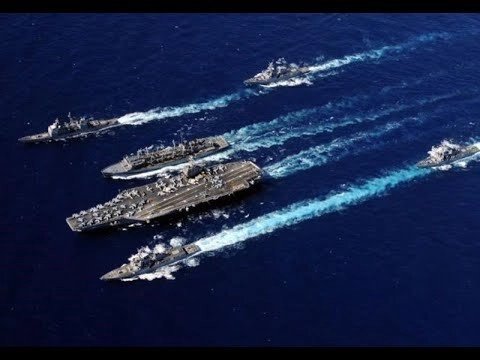
How Washington weaponised energy chokepoints, controlled instability, and alliance dependency against China, Iran, and Europe. The post-Cold War order is ending not because American power suddenly collapsed beneath external pressure, but because Washington abandoned the economic logic that previously sustained its own imperial system across multiple continents simultaneously. The United States no longer governs primarily… Continue reading
AI and Digital Control, America, China, economics, Energy, EUROPE, Financial markets, Foreign Policy, Geopolitics, Global Finance, iran, israel, middle east, Mineral Resources, NATO, politics, reserve currency, Russia, South East Asia, warAmerican Hegemony, China containment, energy security, Energy Warfare, Eurasia, European Union Crisis, Game Theory, Geopolitics, globalisation, Indo-Pacific, Industrial Dependency, Iran Sanctions, maritime chokepoints, Maritime Strategy, NATO Fragmentation, political economy, realism, Strait of Hormuz, Strait of Malacca, Strategic Competition -
The China Perspective: War Without Declaration
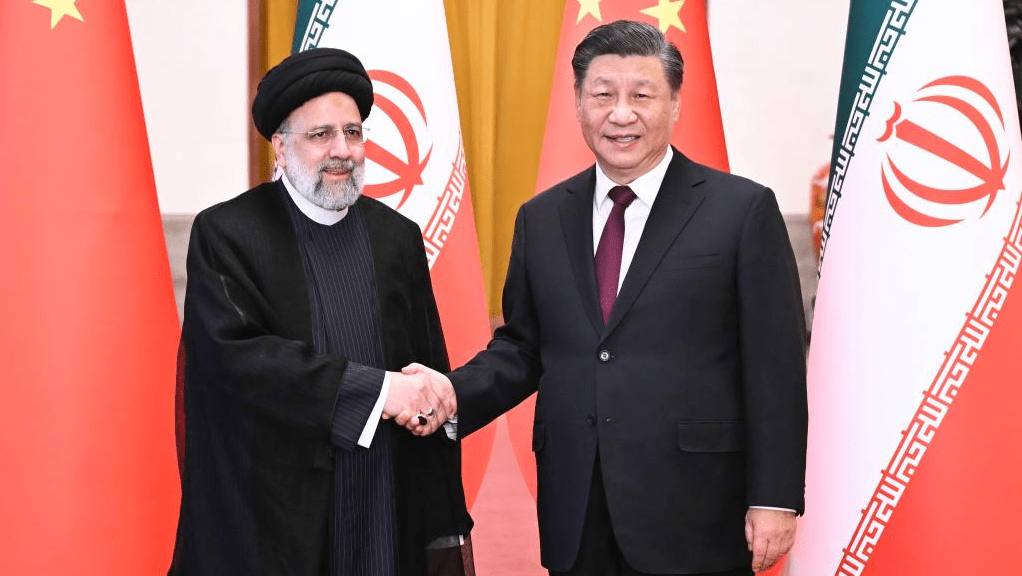
A Consideration of War in Iran and the Greater Reordering of the World In Which China Endures the Tumult of War Whilst the Old Order Strains to Maintain Its Hold China views the Iran war not as a distant regional conflict but as part of a broader strategic environment in which it is the primary… Continue reading
AI and Digital Control, America, China, economics, Energy, EUROPE, Financial markets, Foreign Policy, Geopolitics, Global Finance, iran, israel, middle east, Mineral Resources, NATO, politics, reserve currency, Russia, South East Asia, warBelt and Road Initiative, China, containment strategy, economic warfare., energy security, Eurasian integration, financial systems, Geopolitics, global power shift, global supply chains, global trade, globalisation, international relations, Iran War, maritime chokepoints, Middle East conflict, multipolar world order, realism theory, sanctions, sanctions policy, Strait of Hormuz, Strategic Competition, strategic restraint, United States, US-China relations
