
Geoeconomics
-
Trump’s Beijing Delegation Exposed the Real Structure of American Power [Extended Version]
![Trump’s Beijing Delegation Exposed the Real Structure of American Power [Extended Version]](https://globalgeopolitics.co.uk/wp-content/uploads/2026/05/img_20260513_235056.jpg?w=1024)
The Beijing visit exposed how transnational corporations, financial institutions, and technology monopolies now operate openly as the permanent power structure beneath American electoral politics. Donald Trump arrived in Beijing flanked by the commanding layer of American corporate and financial power because the visit exposed something Washington normally prefers hidden behind electoral theatre: transnational capital, technology… Continue reading
AI and Digital Control, America, China, economics, Energy, EUROPE, Financial markets, Foreign Policy, Geopolitics, Global Finance, iran, israel, middle east, Mineral Resources, NATO, politics, reserve currency, Russia, South East Asia, warAmerican decline, American empire, Apple, Belt and Road Initiative, blackrock, Boeing, China, Chinese Strategy, Corporate Globalism, corporate power, dollar hegemony, donald trump, economic warfare., elite power structures, energy security, Eurasia, Financial Capital, Financialisation, Foreign Policy, Game Theory, Geoeconomics, Geopolitics, global hegemony, global order, Goldman Sachs, great power competition, Indo-Pacific, Industrial Capacity, industrial policy, international relations, iran, manufacturing, Maritime Strategy, multipolarity, Nvidia, oligarchy, political economy, realism, Semiconductor War, Silicon Valley, Strategic Competition, strategic studies, supply chains, taiwan, technological sovereignty, Tesla, transnational capital, United States, US-China relations, wall street, Xi Jinping -
One Battle, Two Press Releases: Hormuz and the Crisis of American Deterrence
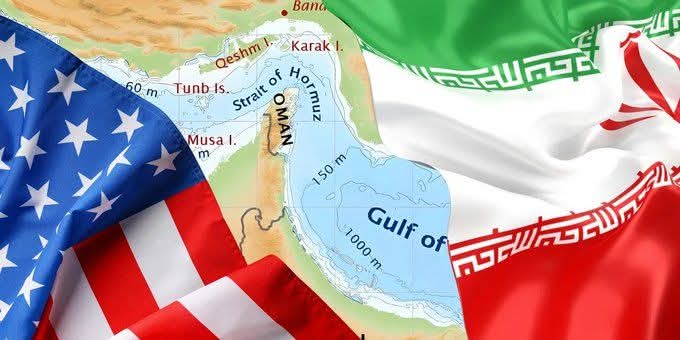
The Persian Gulf confrontation exposed the widening gap between military optics and operational control, while financial stabilisation and military escalation merged into the same strategic system A naval withdrawal inside the Strait of Hormuz would mark a strategic rupture extending far beyond one contested waterway, because the credibility of American maritime supremacy depends upon sustained… Continue reading
AI and Digital Control, America, China, economics, Energy, EUROPE, Financial markets, Foreign Policy, Geopolitics, Global Finance, iran, israel, middle east, Mineral Resources, NATO, politics, reserve currency, Russia, warAmerican Power, anti-access area denial, asymmetric warfare, Clausewitz, Coercive Credibility, Currency Systems, Defence Economics, dollar hegemony, energy security, escalation dominance, Financial markets, financial stability, Game Theory, Geoeconomics, Geopolitics, global order, Hormuz Crisis, imperial decline, international relations, iran, IRGC, maritime chokepoints, Maritime Strategy, Middle East security, military doctrine, Military Industrial Base, military strategy, Missile Saturation, multipolarity, Naval Warfare, Persian Gulf, Plunge Protection Team, political economy, realism, sea power, Strait of Hormuz, Strategic Geography, strategic studies, systemic risk, United States Navy -
LEGO Wars and Missiles: The Art of Beating Superpowers

An analysis of how strategic preparation, control of critical infrastructure, and narrative influence have given Iran an advantage over superior militaries The war between the United States, Israel, and Iran shows a clear outcome taking shape despite the absence of formal declaration. Iran is winning the war, not through decisive battlefield victory, but through control… Continue reading
AI and Digital Control, America, China, economics, Energy, EUROPE, Financial markets, Foreign Policy, Geopolitics, Global Finance, iran, israel, middle east, Mineral Resources, NATO, politics, reserve currency, Russia, satellites, warAbbas Araghchi, asymmetric warfare, decentralized strategy, defense strategy, diplomatic signaling, energy leverage, Geoeconomics, Gulf geopolitics, hybrid warfare, information warfare, iran, Iran Foreign Minister, military strategy, missile strategy, modern war, narrative control, propaganda, regional security, Strait of Hormuz, strategic endurance, U.S.–Israel conflict -
China as the Central Obstacle Within the Structural Logic of Confrontation
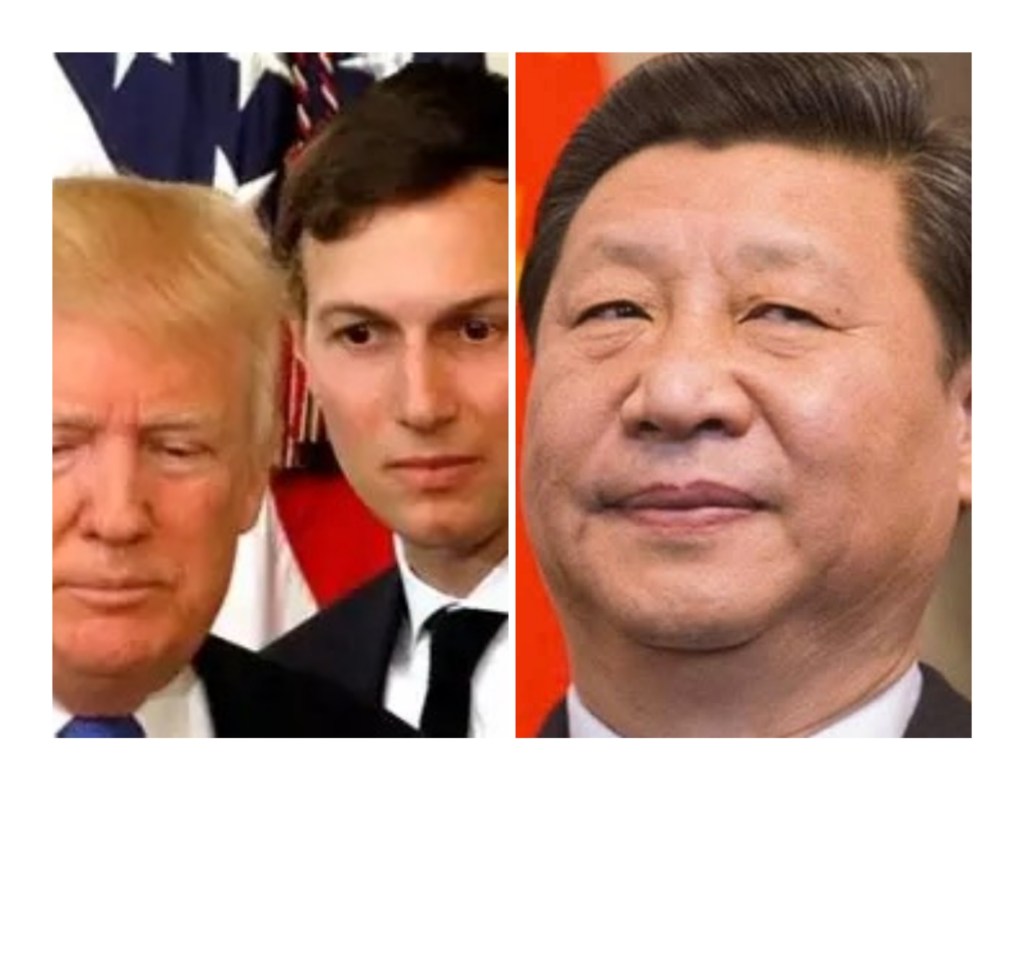
How transnational capital directs United States power to dismantle sovereign development models and preserve global economic control United States policy functions as an extension of transnational capital interests operating through state machinery. A coherent reading of recent geopolitical developments requires attention to structural power rather than electoral cycles or stated doctrine. Analysis grounded in policy… Continue reading
AI and Digital Control, America, China, economics, Energy, EUROPE, Financial markets, Foreign Policy, Geopolitics, Global Finance, iran, israel, middle east, Mineral Resources, NATO, politics, reserve currency, Russia, South East Asia, warBelt and Road Initiative, China, Digital Control, economic warfare., energy security, Eurasia, financial systems, Geoeconomics, Geopolitics, global governance, industrial sovereignty, iran, military strategy, multipolarity, policy continuity, Russia, sanctions, supply chains, transnational capital, United States -
The West v. East GeoEconomic Warfare For Financial Primacy
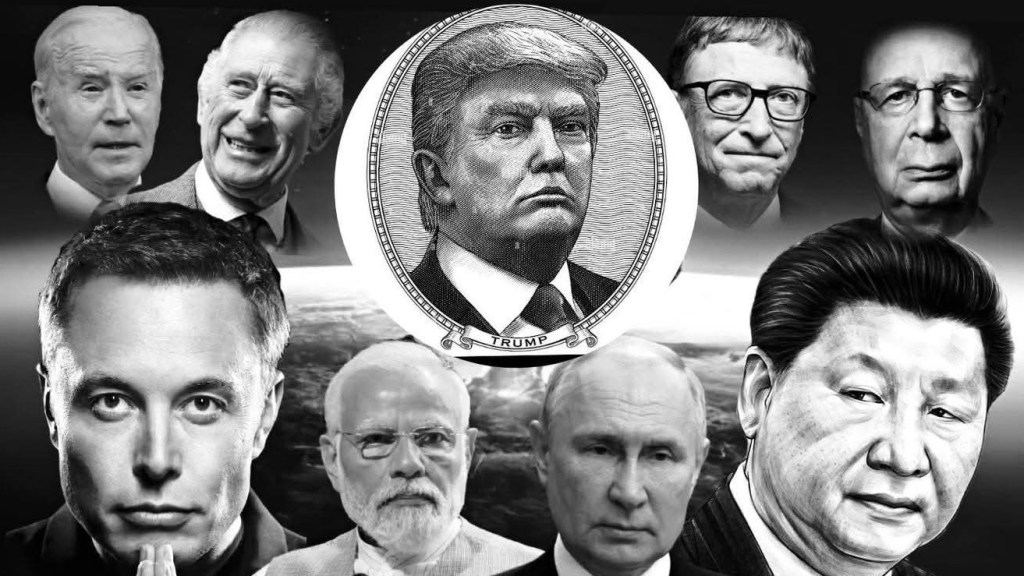
Monetary Systems, Power, and the Struggle to Shape and Control the Global Order for the Coming Generations West versus East; it is a war, for now, a smart kind of war, but one that results in a “permanent fragmentation” of the global financial architecture. This architecture that evolved after the Second World War rested upon… Continue reading
AI and Digital Control, America, China, economics, EUROPE, Financial markets, Foreign Policy, Geopolitics, Global Finance, israel, middle east, Mineral Resources, NATO, politics, reserve currency, Russia, South East Asia, warCBERS, chaos theory, Eastern Financial Systems, Economic Security, financial warfare, Game Theory, Geoeconomics, Global Finance, Gold Markets, Industrial Capacity, Minsky, Monetary sovereignty, Physical vs Paper Assets, reserve currency, sanctions, Silver Markets, Strategic Competition, Sun Tzu, SWIFT, US Dollar Dominance, West vs East
