-
Iran and the Next Phase of Forced Regime Change

The structural logic driving the United States and Israel toward conflict with Iran The present confrontation between the United States, Israel, and Iran reflects a long-running project of coercion, containment, and eventual removal of a non-compliant regional power whose position obstructs Western strategic dominance across Eurasia. The current phase combines overt military signalling, economic strangulation,… Continue reading
-
Russian General Rejects U.S. Narrative on Venezuela Crisis, Labels Maduro’s Betrayal as Internal, Not External

Apti Alaudinov challenges claims of U.S. intervention, blames Venezuela’s leadership for Maduro’s capture, and critiques Russian air defense systems’ effectiveness without loyal forces. Russian Lieutenant General Apti Alaudinov, a prominent commander in the Akhmat forces, recently weighed in on the situation in Venezuela, offering a sharp rebuttal to the U.S. narrative surrounding the capture of… Continue reading
-
Iran Accuses U.S. and Israel of Stoking Unrest by Supporting Foreign Terrorists

As deadly protests continue over economic woes, Iranian officials blame external forces for fueling violence, while President Trump signals potential intervention. Iranian President Masoud Pezeshkian has accused the U.S. and Israel of actively stoking unrest within the country by supporting “foreign terrorists” embedded among protesters. In a televised interview, Pezeshkian claimed that the violent unrest,… Continue reading
-
Power Without Restraint in Defence of Dollar Primacy
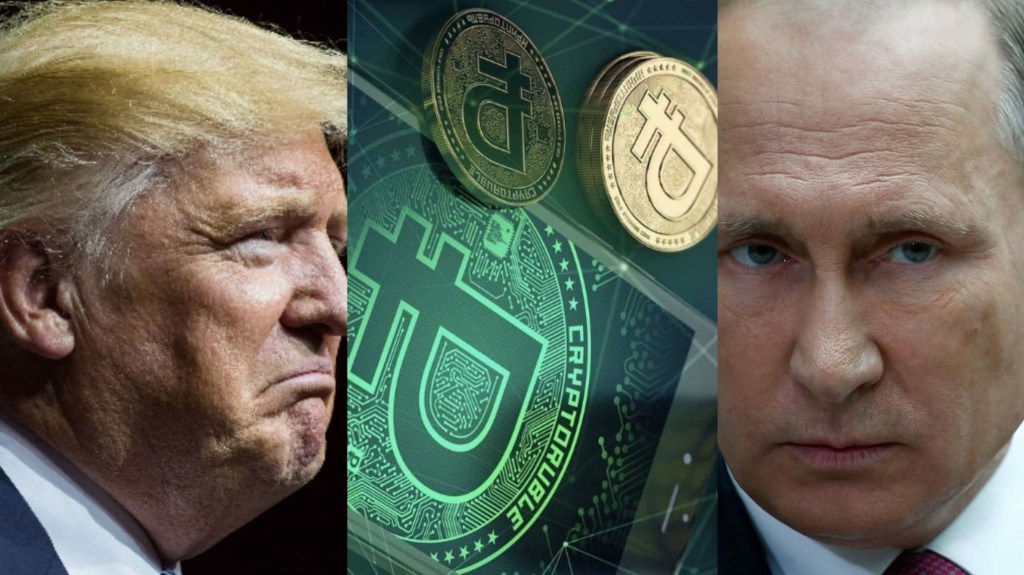
Resource control, dollar primacy, and the costs of discarding realism The recent pattern of United States behaviour towards Venezuela, Cuba, Colombia, Iran, and even Greenland reflects a continuity in coercive statecraft rooted in resource control, financial dominance, and regime pressure rather than isolated rhetorical excess. The kidnapping of Venezuelan President Nicolás Maduro, described in United… Continue reading
-
The Myth of the Peaceful Era: Conflict as a Permanent Feature of Global Order
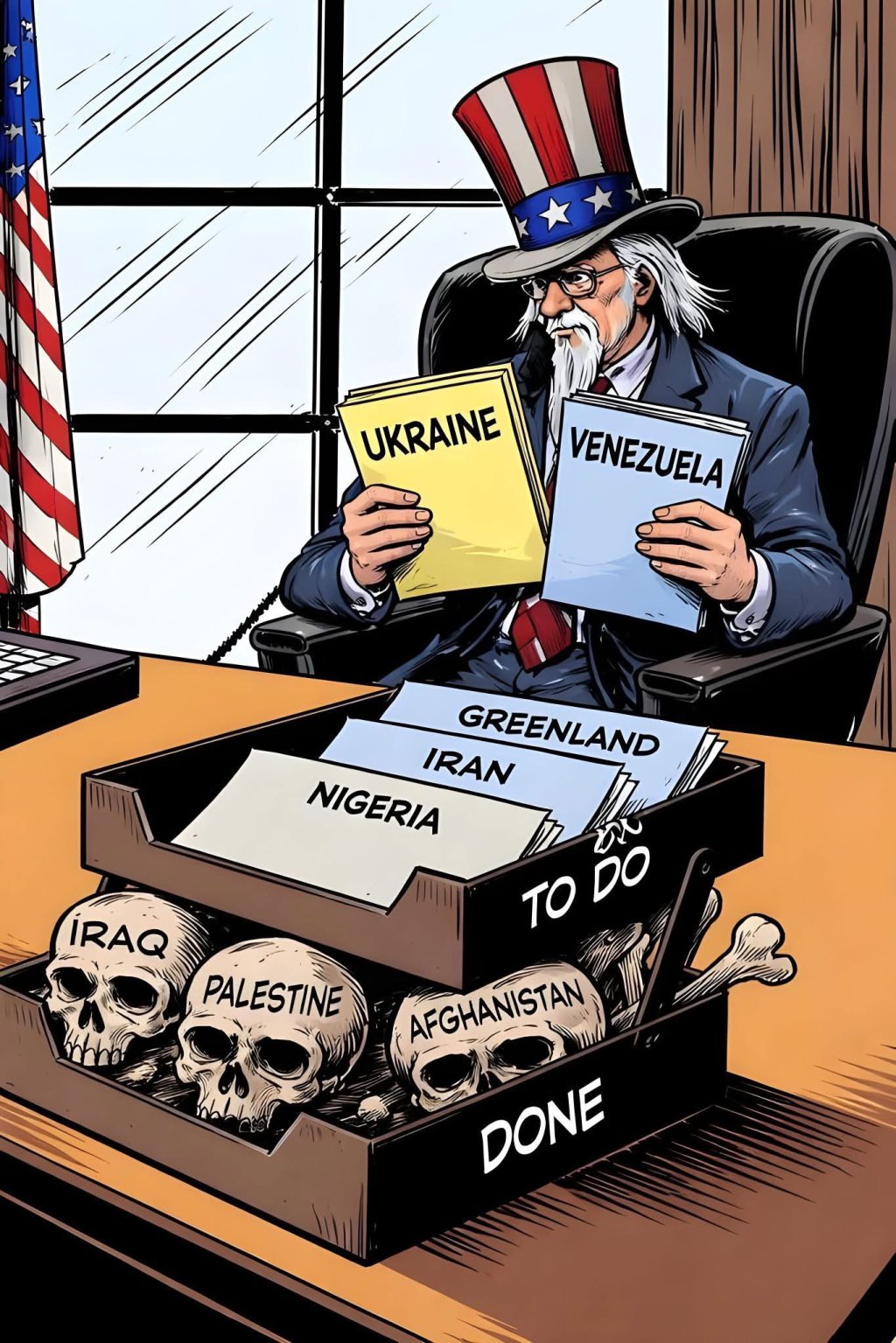
Conflict persistence from empire to unipolarity in a long view of organised violence The modern international system shows persistent armed conflict across centuries, with no decade entirely free from warfare across regions. Historical datasets covering roughly three thousand five hundred years record only about two hundred sixty eight years without major wars. These figures align… Continue reading
-
Brazil’s Venezuela Veto: A Strategic Miscalculation in face of the U.S. Security Pivot
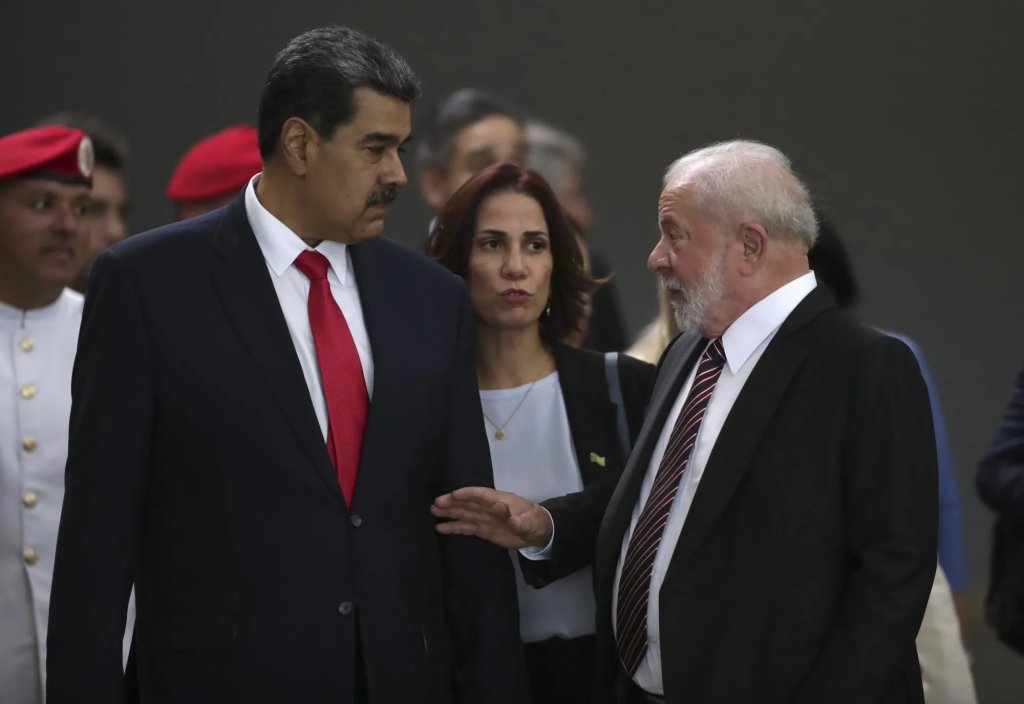
How blocking Venezuela reshaped BRICS cohesion and weakened Brazil’s strategic position amid renewed U.S. regional dominance The decision by Luiz Inácio Lula da Silva to veto Venezuela’s accession to BRICS occurred during a period when United States strategic doctrine had already shifted back toward hemispheric control. Senior figures within United States defence planning circles had… Continue reading
-
U.S. Seizes Russian-Flagged Oil Tanker Under Illegal Unilateral Sanctions
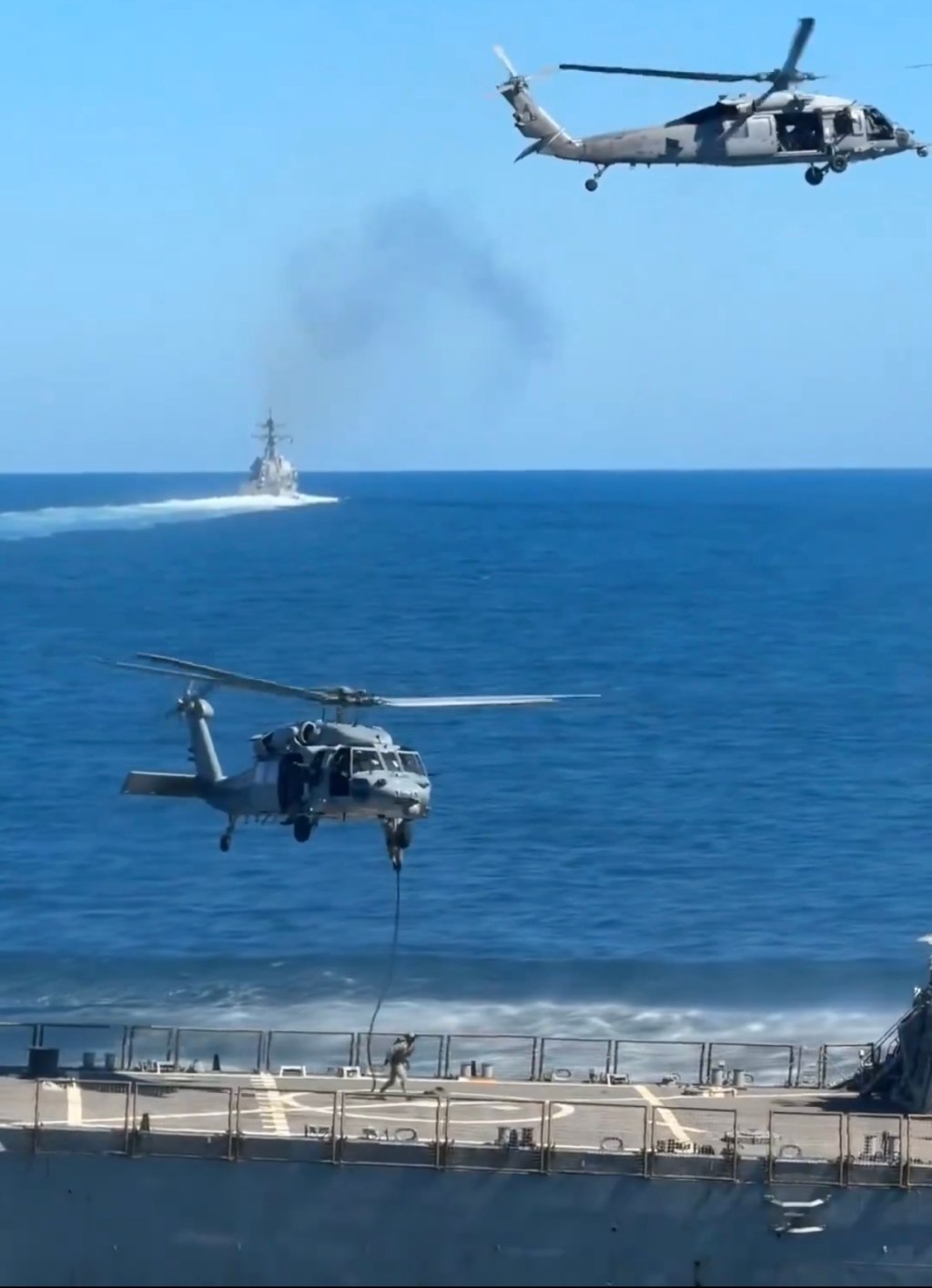
Action carried out without a UN mandate are consistent with piracy and coercive use of force in international waters American forces have seized a Russian-flagged oil tanker in the North Atlantic, according to official statements and international reporting. The vessel, now known as the Marinera and previously called Bella 1, had been tracked by U.S.… Continue reading
-
US Gangsterism at Sea: The Pursuit of Marinera and the Return of Gunboat Enforcement
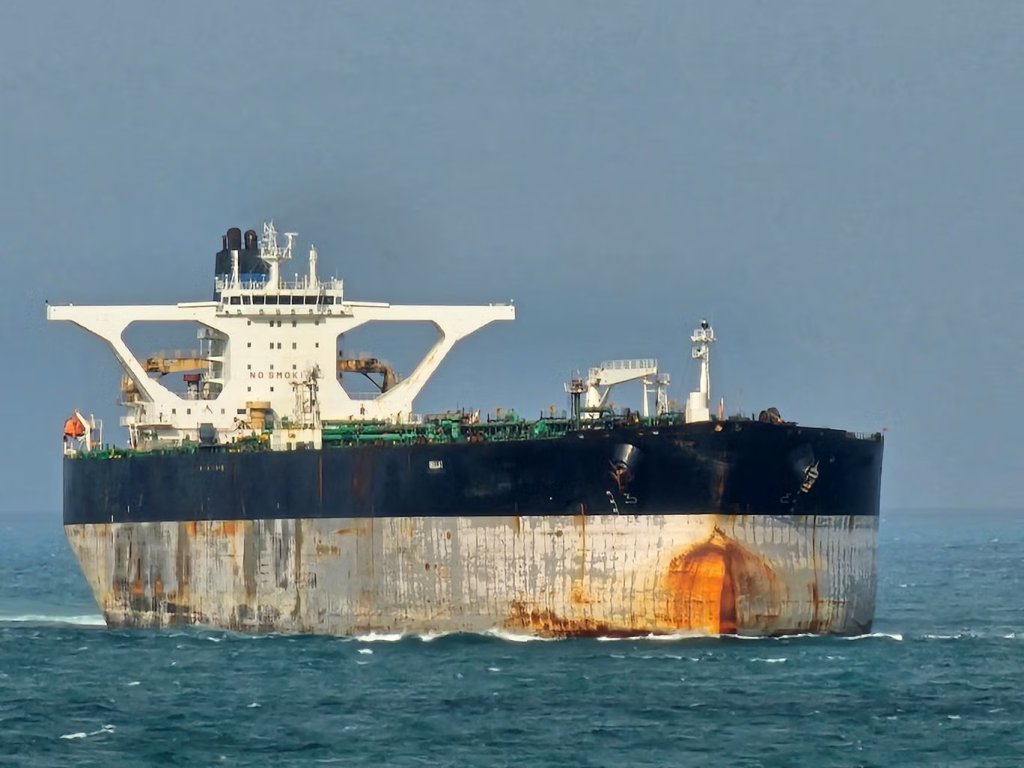
The legal and strategic consequences of American piracy, coercive power beyond the UN Charter, and the erosion of international maritime law The pursuit of the oil tanker formerly known as Bella 1 illustrates a form of maritime coercion that sits outside any recognised mandate under international law. The episode concerns a sanctioned commercial vessel carrying… Continue reading
-
Jeffrey Sachs and the Venezuela Question Before the Security Council
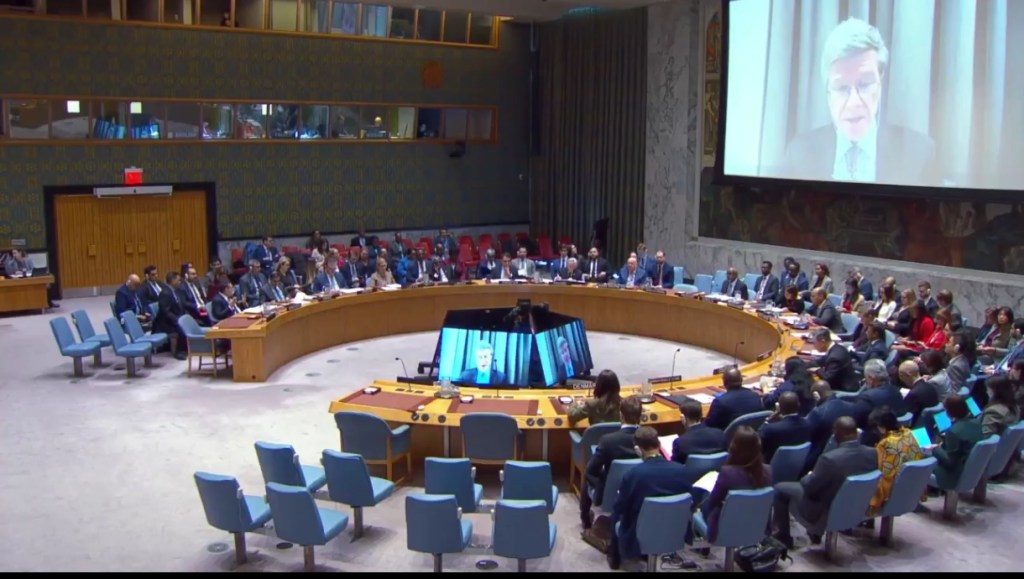
Venezuela as a test case for the post-1945 international framework and institutional decay The address delivered by Jeffrey D. Sachs to the United Nations Security Council on 5 January 2026 placed before the council a narrow legal and institutional question rather than a moral judgement on Venezuela’s domestic politics. The matter concerned whether a single… Continue reading
-
New Year Drone Attack and Civilian Casualties in Kherson
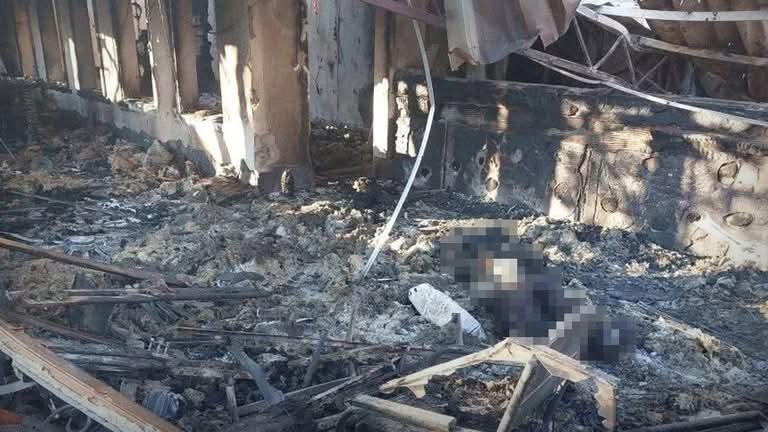
Ukrainian Drone Warfare Targeting Practices, External Intelligence Operational Enablement, and Escalation in Ukraine Ukrainian drone attacks against civilian gatherings inside Russian-controlled territory reflect a deliberate shift toward psychological warfare aimed at eroding civilian security rather than achieving battlefield advantage. The New Year’s Eve strike in the coastal village of Khorly, which killed at least twenty-four… Continue reading
arms transfers, crimea, donbas, energy geopolitics, European security, great power rivalry, international law, military escalation, minsk agreements, NATO expansion, peace negotiations, post-Cold War order, proxy war, Russia-Ukraine relations, sanctions regime, Sovereignty, territorial integrity, Ukraine conflict, Ukraine-Russia war