
strategic autonomy
-
Ukraine Is Being Ground Down. Europe Is Being Lined Up Next.
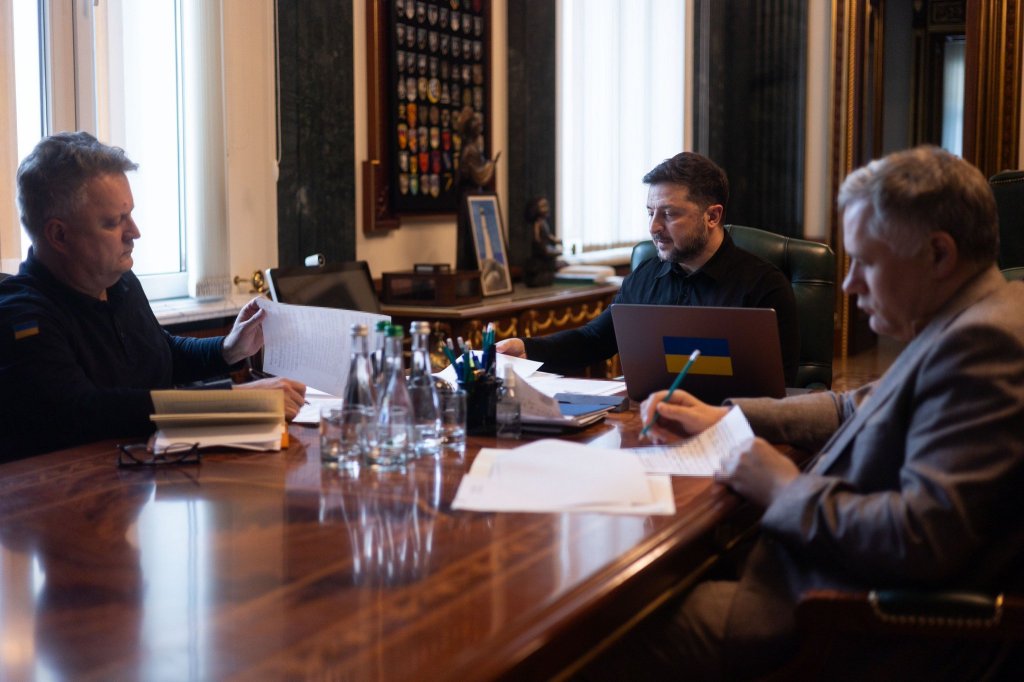
How the Apparent US-Europe Rift Conceals a Division-of-Labour Agreement That Puts European Troops in the Line of Fire Editorial Analysis | 1 June 2026 On 26 May 2026, the Wall Street Journal published a report stating that “the growing fear in European capitals is that President Vladimir Putin will try next to reshuffle the cards… Continue reading
AI and Digital Control, America, China, economics, Energy, EUROPE, Financial markets, Foreign Policy, Geopolitics, Global Finance, iran, israel, middle east, Mineral Resources, NATO, politics, reserve currency, Russia, wararms production increase, Baltic security, Baltic states defense, collective defense, cross-border military mobility, defense industrial expansion, defense spending surge, deterrence against Russia, deterrence strategy, Eastern flank reinforcement, EU rearmament, European defense integration, European military modernization, European security policy, geopolitical tensions, hybrid warfare concerns, military buildup, military preparedness, missile defense systems, NATO expansion, NATO force restructuring, NATO readiness, Russia Ukraine War, Russian aggression, sanctions on Russia, Security cooperation, strategic autonomy, troop mobilization plans, Ukraine military aid, war readiness -
China’s First Direct Rejection of U.S. Financial Jurisdiction
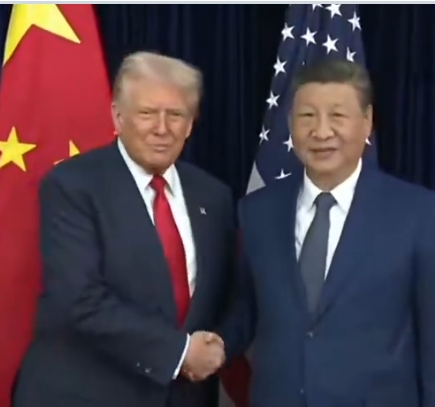
Why Beijing’s refusal to recognise American sanctions marks a structural shift in global financial power A legal border moved across the international system when China’s Ministry of Commerce instructed domestic firms not to recognise, enforce, or comply with United States sanctions against five Chinese refineries. Financial globalisation relied upon a silent assumption that American secondary… Continue reading
AI and Digital Control, America, China, economics, Energy, EUROPE, Financial markets, Foreign Policy, Geopolitics, Global Finance, Health, iran, israel, middle east, Mineral Resources, NATO, politics, reserve currency, Russia, warAnti-Foreign Sanctions Law, Belt and Road Initiative, blocking statute, China sanctions law, Chinese refineries, commodity security, cross-border finance, de-dollarisation, dollar hegemony, economic statecraft, energy geopolitics, energy security, extraterritorial jurisdiction, extraterritorial sanctions, financial coercion, financial decoupling, game theory in geopolitics, geopolitical economy, geopolitical risk, global financial order, global order transition, global supply chains, great power competition, international political economy, Iranian oil trade, legal sovereignty, multipolarity, realist international relations, sanctions compliance, sanctions enforcement, sanctions policy, sanctions resistance, secondary sanctions, sovereign jurisdiction, strategic autonomy, Strategic Competition, systemic rivalry, trade fragmentation, U.S. Treasury sanctions, U.S.–China relations, yuan internationalisation -
The UAE’s OPEC+ Exit – A Structural Gamble
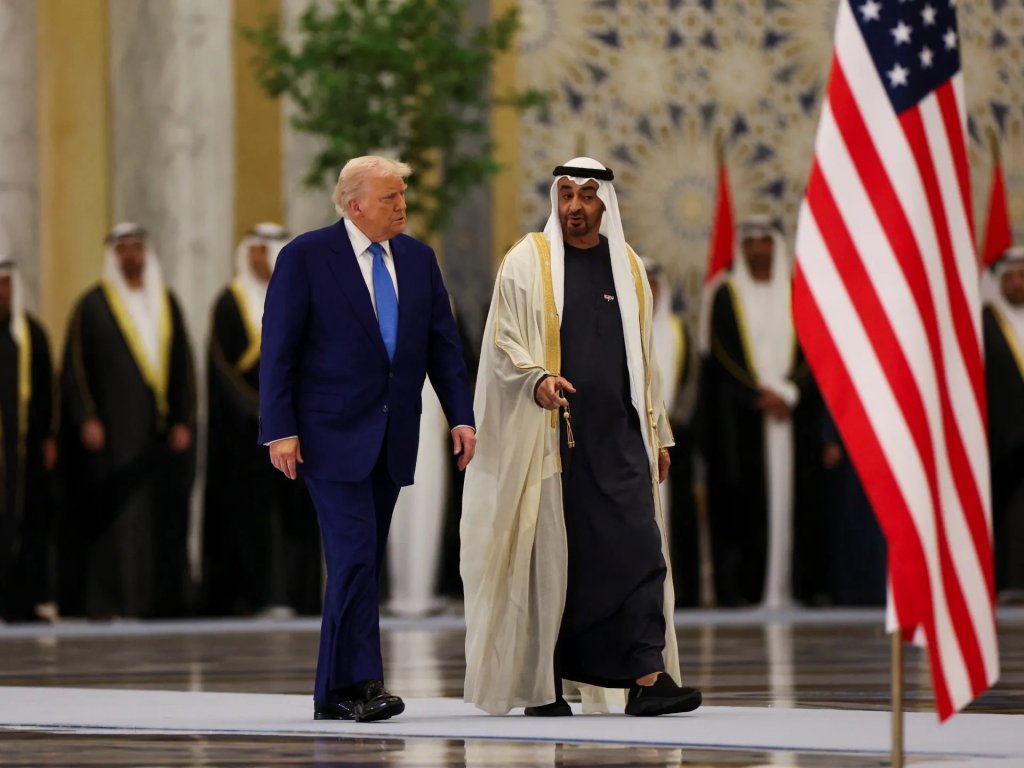
An irreversible strategic shift in energy, security, and regional order The United Arab Emirates’ decision to quit OPEC+ represents a structural rupture in Gulf geopolitics, reshaping energy flows, fracturing regional alliances, and exposing the fragility of U.S. strategic guarantees. This manoeuvre is irreversible. By monetising its newly expanded oil capacity of five million barrels per… Continue reading
AI and Digital Control, America, China, economics, Energy, EUROPE, Financial markets, Foreign Policy, Geopolitics, Global Finance, iran, israel, middle east, Mineral Resources, NATO, politics, reserve currency, Russia, South East Asia, warAbu Dhabi, asymmetric warfare, capital flight, energy strategy, Fujairah pipeline, Game Theory, GCC, global energy markets, Gulf geopolitics, international political economy, iran, Middle East energy, OPEC fragmentation, OPEC+, Persian Gulf, regional alliances, regional power shift, Saudi Arabia, strategic autonomy, U.S. security guarantees, UAE -
Brazil Calls for Defence Co-operation with South Africa
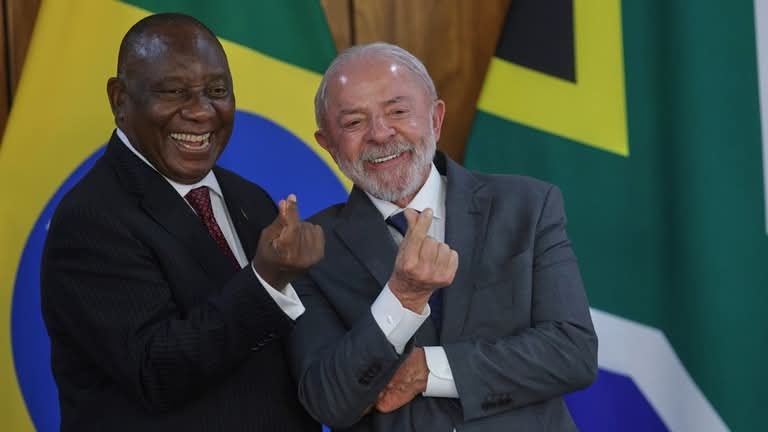
Lula and Ramaphosa reflect a growing unease across the Global South after Western military actions in Venezuela and Iran, reinforcing fears that states outside major alliance systems remain vulnerable to coercion and intervention. Brazil’s President Luiz Inácio Lula da Silva used the recent visit of South African President Cyril Ramaphosa to Brasília to articulate a… Continue reading
-
Europe Divided as War with Iran Tests the Union’s Strategic Identity
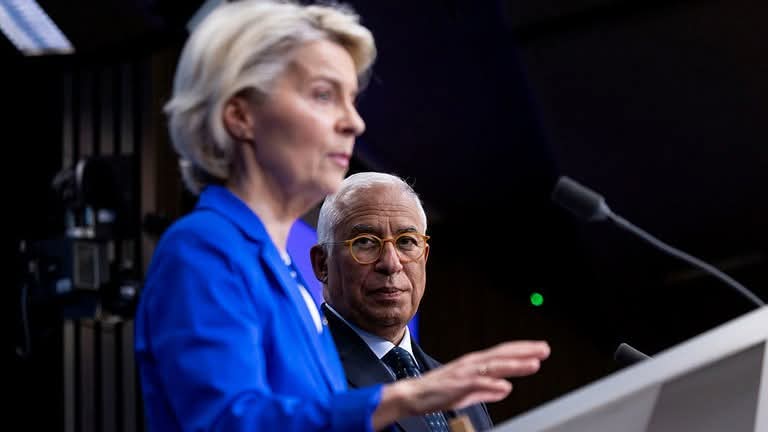
A public clash between EU leaders reveals deeper tensions over intervention, the limits of the rules-based order, and Europe’s role in a widening Middle Eastern conflict. A rare public disagreement between senior European Union leaders has exposed a widening strategic divide within the bloc over the United States-Israeli war against Iran, raising questions about Europe’s… Continue reading
-
BRICS needs strategic maritime cooperation – Putin aide

Why BRICS is moving toward maritime cooperation and why it has not become a military alliance Cooperation between the navies of member countries would help protect sea lanes, Nikolay Patrushev has said,speaking to Argumenty i Fakty (meaning “arguements and facts” ), a Russian weekly newspaper. ‘Our key task is building a multipolar order at sea.… Continue reading
-
Europe Reconsiders Russia as North America Fractures Under Trade Pressure
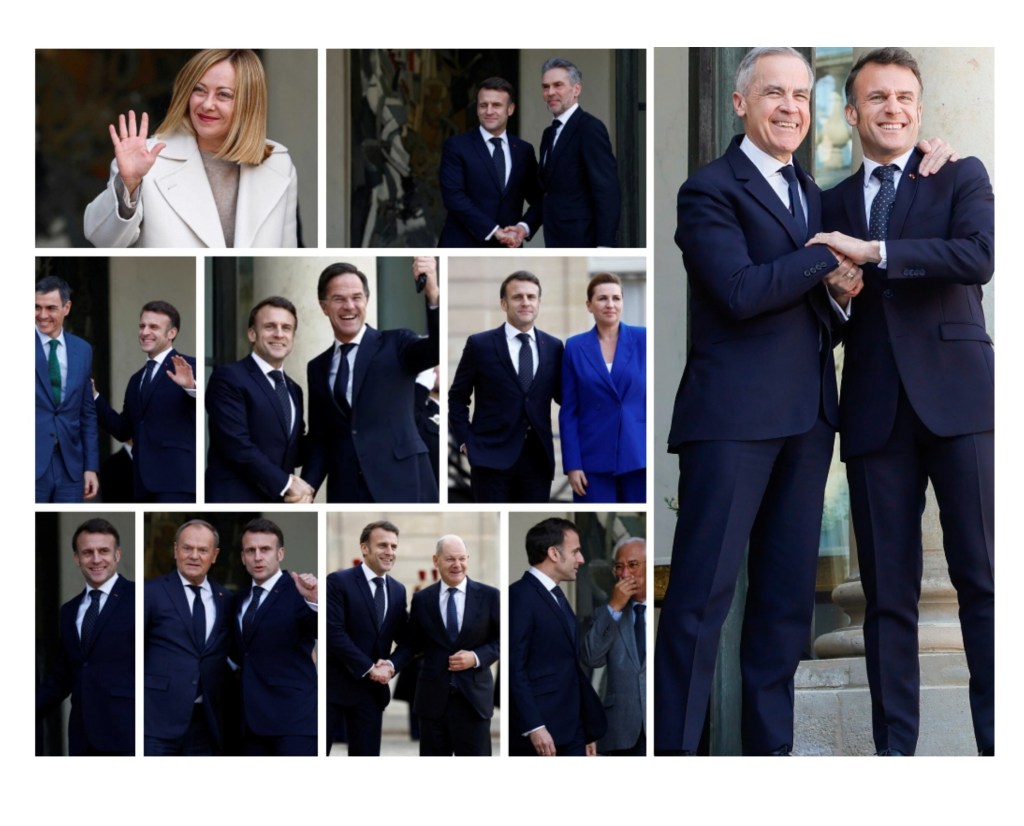
Europeans considering re-engagement with Moscow as Canada turns toward China under US pressure European political leaders appear to be recalibrating their posture towards the Russian Federation after years of hostility driven by the conflict in Ukraine. French President Emmanuel Macron, Italian Prime Minister Giorgia Meloni and German Chancellor Friedrich Merz have each articulated versions of… Continue reading
-
Brazil’s Venezuela Veto: A Strategic Miscalculation in face of the U.S. Security Pivot
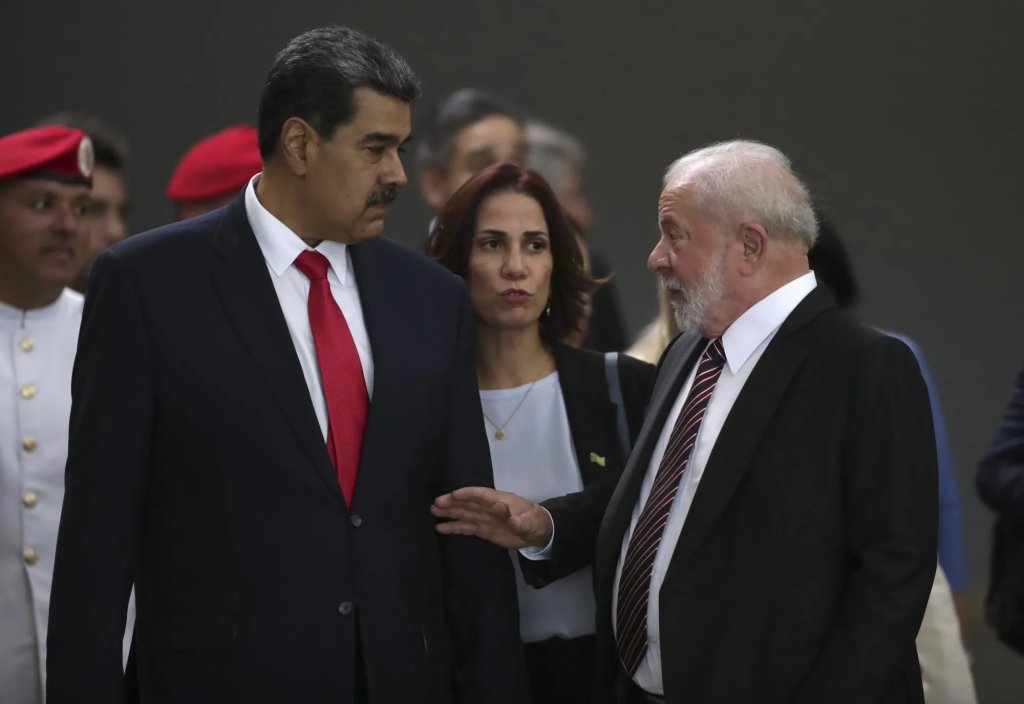
How blocking Venezuela reshaped BRICS cohesion and weakened Brazil’s strategic position amid renewed U.S. regional dominance The decision by Luiz Inácio Lula da Silva to veto Venezuela’s accession to BRICS occurred during a period when United States strategic doctrine had already shifted back toward hemispheric control. Senior figures within United States defence planning circles had… Continue reading
-
The balance of power shifts as Asia consolidates economic dominance
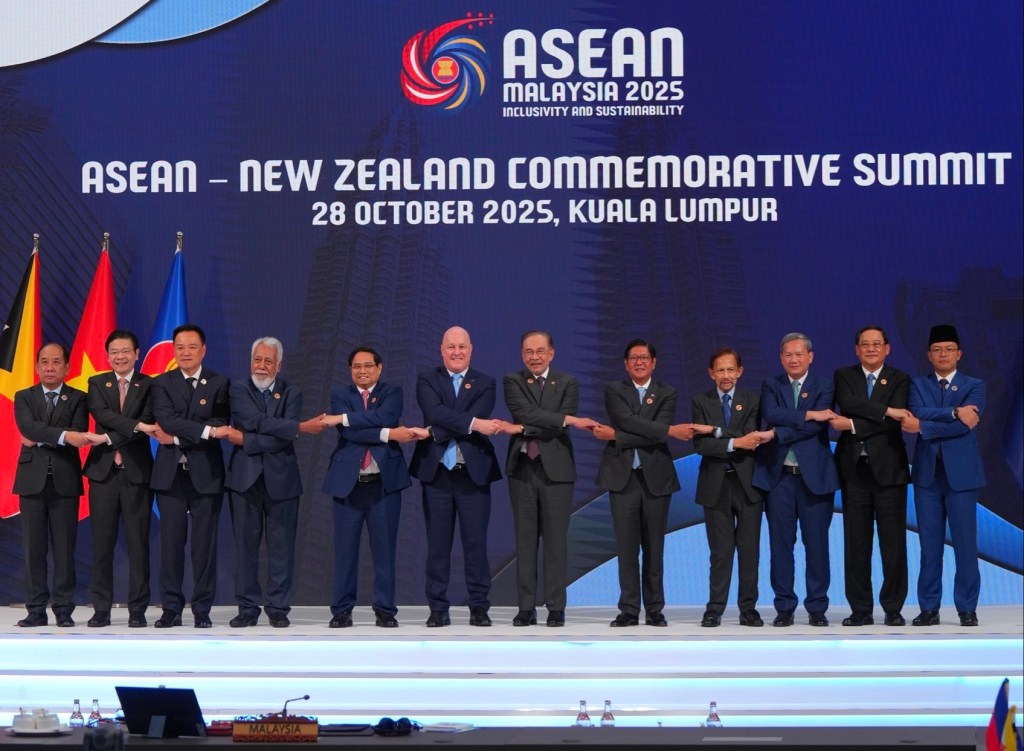
Shifting great power relations, Asia’s strategic choices could reset the global order next year Asia approaches 2026 holding decisive economic and political weight that no previous period has combined so fully. Purchasing power parity data from the International Monetary Fund places Asia at roughly half of global output, while the United States accounts for about… Continue reading
-
Europe’s Post-Imperial Hangovers: Britain, France, and Germany in Structural Decline
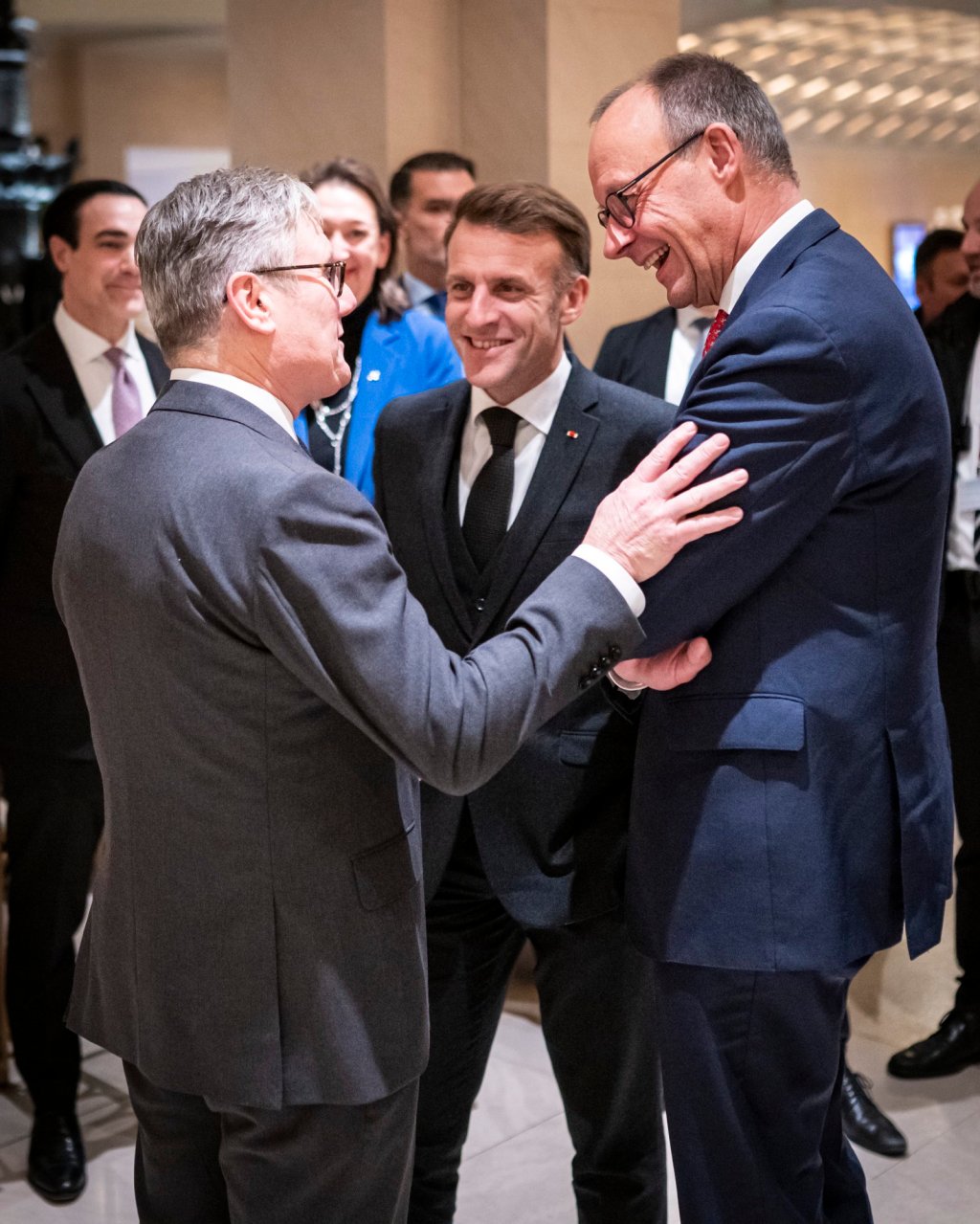
How elite agendas, historical legacies, and institutional dysfunction constrain strategic autonomy Europe’s core geopolitical problems are structural, historical, and have decisive implications for its cohesion, strategic posture, and individual freedoms. The European Union, the United Kingdom, France, and Germany each embody distinct dysfunctions that resonate across the continent. These dysfunctions derive from unresolved historical hangovers,… Continue reading
