
class analysis
-
The Energy Shock That Washington Pretended Wasn’t Happening
How the suppression of price signals turned a supply disruption into a systemic crisis, and why the costs are being borne by those who had no part in creating it Editorial Analysis | September 2026 The war that began on 28 February 2026 with joint United States and Israeli strikes on Tehran and several other… Continue reading
-
The Empire That Would Rather Burn Itself Than Share the World

An independent analysis of the 1992 Wolfowitz Doctrine, the RAND multi-domain strategy, and the structural reasons why a declining hegemon may attempt to topple the game board rather than accept a multipolar world Editorial Analysis | September 2026 The 1992 Defense Planning Guidance, drafted under the supervision of Paul Wolfowitz and leaked to the New… Continue reading
AI and Digital Control, America, bond market, China, economics, Energy, EUROPE, Financial markets, Foreign Policy, Geopolitics, Global Finance, imperialism, iran, israel, japan, knowledge, middle east, NATO, politics, reserve currency, Russia, satellites, technology, warAmerican primacy, Bilibili, China shipbuilding, class analysis, defence contractors, Extending Russia, institutional continuity, Iran threat assessment, multipolarity, National Endowment for Democracy, Nepal regime change, RAND Corporation, think tank funding, Venezuela oil seizure, Wolfowitz Doctrine, Yemen civilian casualties -
Yemen Just Changed the Rules of the War
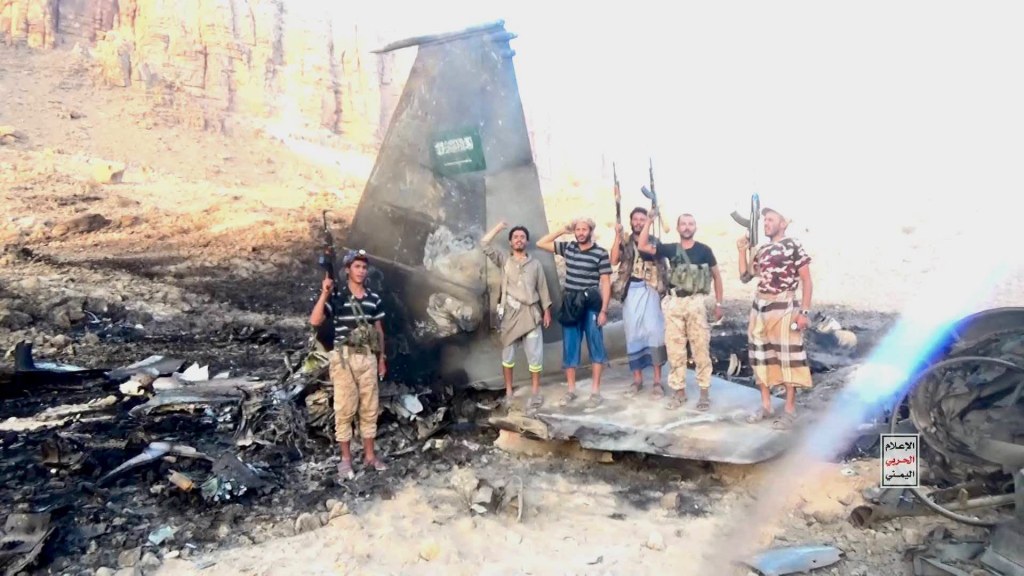
Yemen’s Defense Minister Just Put Riyadh, Abu Dhabi, and Manama on Notice Editorial Analysis | September 2026 The statement by Major General Mohammed Nasser al-Atifi that the next battle will not remain in Yemen but will penetrate deep into the territories of the aggressor coalition nations was not an isolated rhetorical flourish from a marginal… Continue reading
AI and Digital Control, America, bond market, China, economics, Energy, EUROPE, Financial markets, Foreign Policy, Geopolitics, Global Finance, imperialism, iran, israel, japan, middle east, NATO, neocolonialism, politics, reserve currency, Russia, waral-Atifi, American Hegemony, Ansarallah, Aramco, bab el mandeb, Bahrain, ballistic missiles, class analysis, deep-strike doctrine, East-West pipeline, Fifth Fleet, Fujairah, Gulf security, hypersonic glide vehicle, Jordan, materialist analysis, Muwaffaq Salti, Patriot, R2000, Saudi Arabia, THAAD, United Arab Emirates, Yemen -
America Pulled Out of Two Arms Treaties. It Backfired Spectacularly.
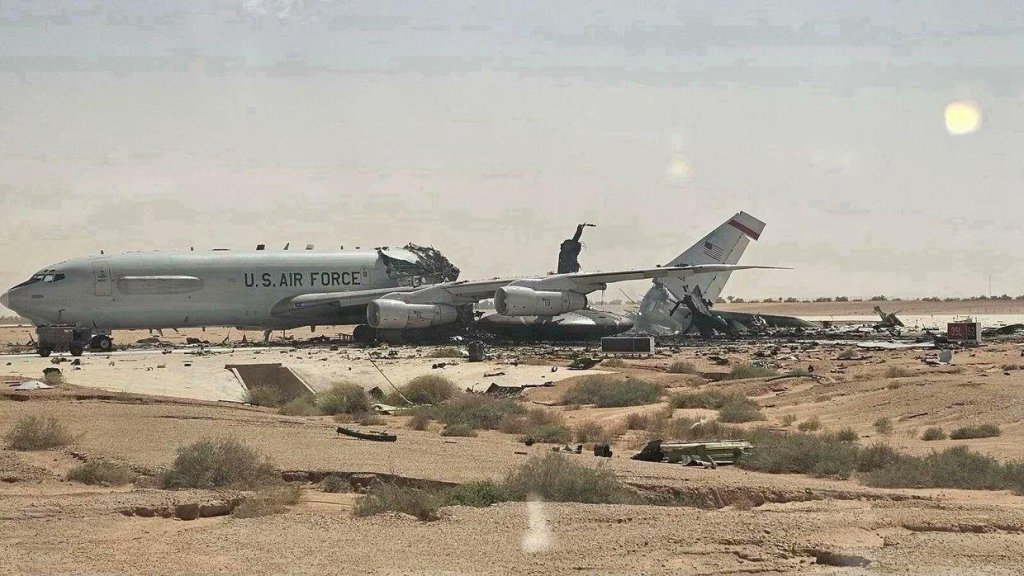
An independent analysis of how the United States dismantled the ABM and INF treaties, why the resulting weapons systems have failed to restore strategic advantage, and what the production disparities reveal about the class interests driving American militarism Editorial Analysis | September 2026 America Pulled Out of Two Arms Treaties. It Backfired Spectacularly. An independent… Continue reading
AI and Digital Control, America, bond market, China, economics, Energy, Financial markets, Foreign Policy, Geopolitics, Global Finance, imperialism, iran, israel, japan, middle east, Mineral Resources, NATO, neocolonialism, politics, warABM Treaty, Aegis Ashore, American decline, arms control, Brookings Institution, class analysis, defence contractors, hegemonic overstretch, INF Treaty, institutional continuity, Iskander, Oreshnik, political economy, Precision Strike Missile, think tanks, Tomahawk, Typhon system, Which Path to Persia -
The Brookings Repertoire and the Manufacture of the Iran War

An independent analysis of the strategic repertoire that produced the 2026 Iran war, the institutional networks that sustained it across seventeen years, and the material contradictions that now threaten its architects Editorial Analysis | September 2026 Crafting a durable policy toward the Islamic Republic of Iran has confounded every American administration since the revolution of… Continue reading
AI and Digital Control, America, Energy, EUROPE, Financial markets, Foreign Policy, Geopolitics, Global Finance, Health, Immunisation, imperialism, iran, israel, middle east, Mineral Resources, NATO, neocolonialism, politics, reserve currency, Russia, warAmerican decline, Brookings Institution, civilian casualties, class analysis, defence contractors, diplomatic trap, hegemonic overstretch, institutional continuity, iran, Iranian Jews, munitions depletion, National Endowment for Democracy, regime change, think tanks, United States, USS Harry S. Truman, Which Path to Persia, Yemen -
The Dollar System and the End of Fiat Global Monetary Order

The Decline of Fiat Credibility and End of Monetary Universality in a Fragmenting Global Economy What is unfolding within the international monetary and financial system is more accurately described as de-fiatisation rather than de-dollarisation, because the structural erosion concerns confidence in state issued credit money rather than exclusive rejection of the United States dollar. Benjamin… Continue reading
-
Michael Parenti has Died but his Power of Labels will Live On

How mainstream media framing obscured the life and work of a persistent critic of power The world is being misled, and Michael Parenti’s death shows how this still works. Michael Parenti died yesterday at 92. Today, much of the mainstream press describes him as a “Marxist academic.” That label misses the point. It reduces his… Continue reading
AI and Digital Control, America, Foreign Policy, Geopolitics, Global Finance, Mineral Resources, NATO, politics, warcapitalism critique, class analysis, Cold War analysis, corporate power, critical theory, democracy critique, fascism studies, globalization, historian, imperialism, Marxist scholar, media criticism, Michael Parenti, political economy, political scientist, political theorist, radical politics, socialism, U.S. foreign policy
