
Germany
-
Europe’s Institutional War on the Voter
From annulled elections in Romania to re-run referendums in Denmark and Ireland, a single architecture emerges to ensure that popular sovereignty never disturbs the integration project Editorial Analysis | November 2026 The historical record of European referendums reveals that this logic is not a recent innovation but a constitutive feature of the integration project itself.… Continue reading
AI and Digital Control, America, bond market, economics, Energy, EUROPE, Financial markets, Foreign Policy, Geopolitics, Global Finance, imperialism, iran, israel, japan, knowledge, Mineral Resources, NATO, neocolonialism, politics, reserve currency, Russia, warAfD, annulled election, Constitutional Tribunal, containment, democratic legitimacy, electronic monitoring, EU Constitution, Georgescu, Germany, Greek bailout, hungary, integration project, intelligence classification, Lisbon Treaty, Maastricht referendum, Marine Le Pen, Nice Treaty, Orbán, Poland, popular sovereignty, referendum reversal, romania, term limits, Tusk -
A Union Built on Smoke and Mirrors
How the European Union constructed a substitute political project around the defence of Ukraine, financed it through budget headroom and loan guarantees rather than transparent appropriation, and now confronts a fiscal and legitimacy crisis that its ruling class cannot resolve without either abandoning the war or dismantling the financial architecture of liberal Europe. Editorial Analysis… Continue reading
AI and Digital Control, America, bond market, China, economics, Financial markets, Foreign Policy, Geopolitics, Global Finance, imperialism, iran, israel, japan, knowledge, middle east, Mineral Resources, NATO, neocolonialism, politics, reserve currency, Russia, technology, warAmerican Hegemony, austerity, budget headroom, class analysis, energy prices, European Union, Eurozone, financial architecture, France, Game Theory, Germany, inflation, loan guarantees, Marine Le Pen, materialism, Multiannual Financial Framework, NATO enlargement, proxy war, realism, Ukraine war, Wolfgang Münchau -
The Death of the German Miracle
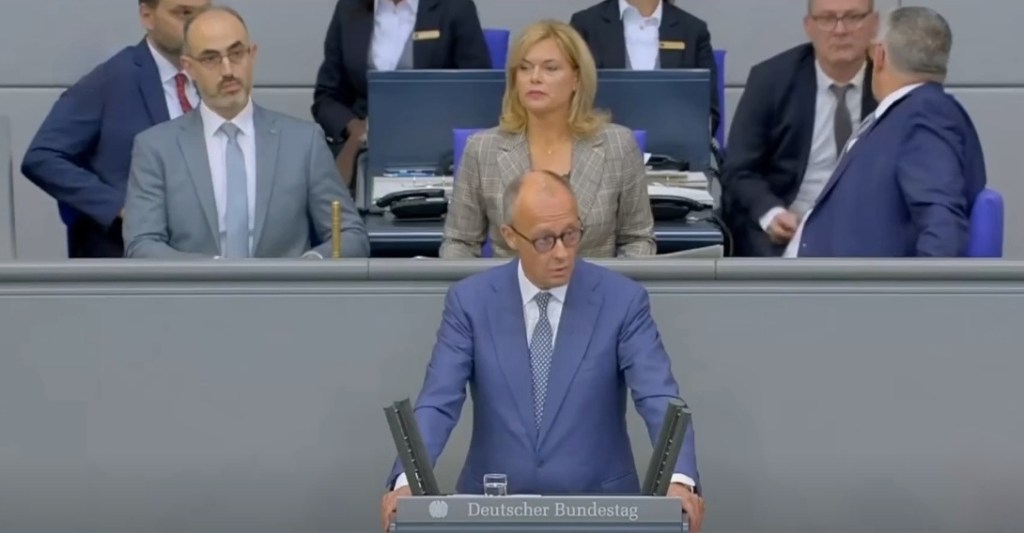
The terminal decline of the German industrial model, the structural violence of the Eurozone, and the political economy of the AfD’s ascent expose a systemic crisis that centrist governance cannot resolve and that history suggests will culminate in authoritarianism Editorial Analysis |October 2026 The economic and political crisis enveloping Germany constitutes a structural failure of… Continue reading
AI and Digital Control, America, economics, Energy, EUROPE, feminism, Foreign Policy, Geopolitics, imperialism, israel, japan, knowledge, NATO, neocolonialism, politics, reserve currency, Russia, warAfD, artificial intelligence, austerity, authoritarianism, capital flight, class analysis, electric vehicles, European Central Bank, Eurozone, fascism, Germany, industrial decline, Marxist analysis, political economy, Porsche, quantitative easing, share buybacks, Volkswagen, wage suppression, Weimar Republic -
Social Unrest in Europe: A Revolt of the Excluded
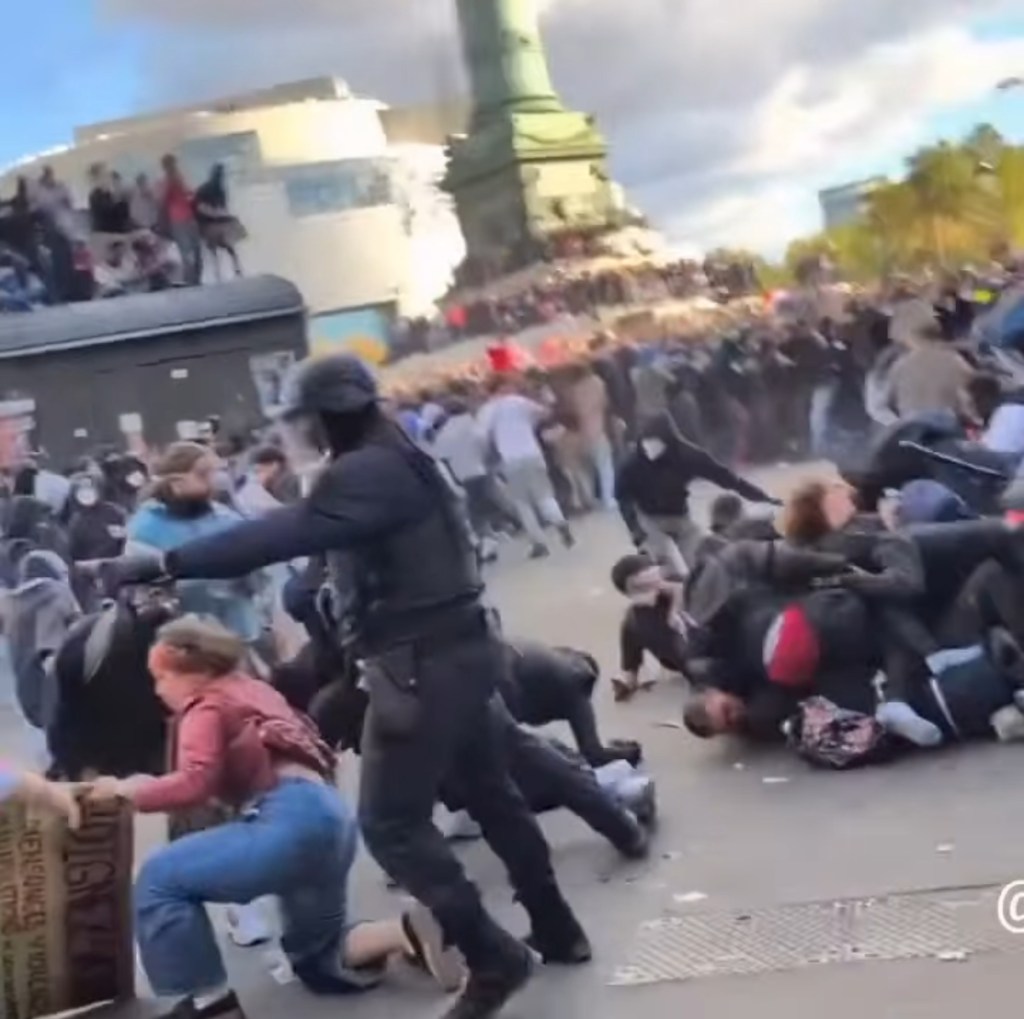
From Madrid to Berlin, from Paris to Rome, the working classes of Europe are rising against austerity, housing speculation, and a war economy that serves an oligarchy while demanding their sacrifice Editorial Analysis | October 2026 A wave of social unrest is sweeping across Western Europe, from the housing protests in Spain triggered by the… Continue reading
-
Why You Are Getting Poorer While the Economy Grows

The Case Against Central Banks Editorial Analysis | October 2026 The banking system that governs the global economy is not a neutral mechanism for intermediating between savers and investors but a class weapon wielded by a transnational financial oligarchy to control credit allocation, determine which sectors expand and which contract, and discipline labour by creating… Continue reading
-
The Digital Break – How Weaponised Interdependence Is Ending the American Tech Empire

From the Hague to Beijing, from Moscow to Paris, the world is dismantling its dependence on American software, hardware, and payment systems, and the weaponisation of these platforms has made the transition irreversible Editorial Analysis | October 2026 The decision by the Dutch government to create its own digital work environment based on the Dutch… Continue reading
-
Moscow tells Berlin to stop arming Kiev instead of preaching peace

The Russian Foreign Ministry spokeswoman argues Germany should stop supporting Kiev militarily instead of calling on Moscow to end the conflict. Russian Foreign Ministry spokeswoman Maria Zakharova has dismissed a German diplomat’s suggestion that Russia end the Ukraine conflict as a way to resolve fuel shortages, arguing instead that Germany should stop supporting Kiev militarily.… Continue reading
AI and Digital Control, America, EUROPE, Financial markets, Foreign Policy, Geopolitics, imperialism, iran, israel, Mineral Resources, NATO, neocolonialism, Russia, warBanderites, Berlin, crimea, diplomacy, drone strikes, energy infrastructure, fuel shortages, German Embassy, Germany, international relations, kiev, Lena Hillermeier, Maria Zakharova, Military Aid, moscow, proxy war, Russia, Russia-Ukraine conflict, Russian Foreign Ministry, Stepan Bandera, ukraine, vladimir putin -
Europe’s Post-Imperial Hangovers: Britain, France, and Germany in Structural Decline

How elite agendas, historical legacies, and institutional dysfunction constrain strategic autonomy Europe’s core geopolitical problems are structural, historical, and have decisive implications for its cohesion, strategic posture, and individual freedoms. The European Union, the United Kingdom, France, and Germany each embody distinct dysfunctions that resonate across the continent. These dysfunctions derive from unresolved historical hangovers,… Continue reading
