
Iran conflict
-
How Donald Trump’s Pre-Market Statements Shape Oil Prices To Buy Time During the Unprovoked Iran Conflict
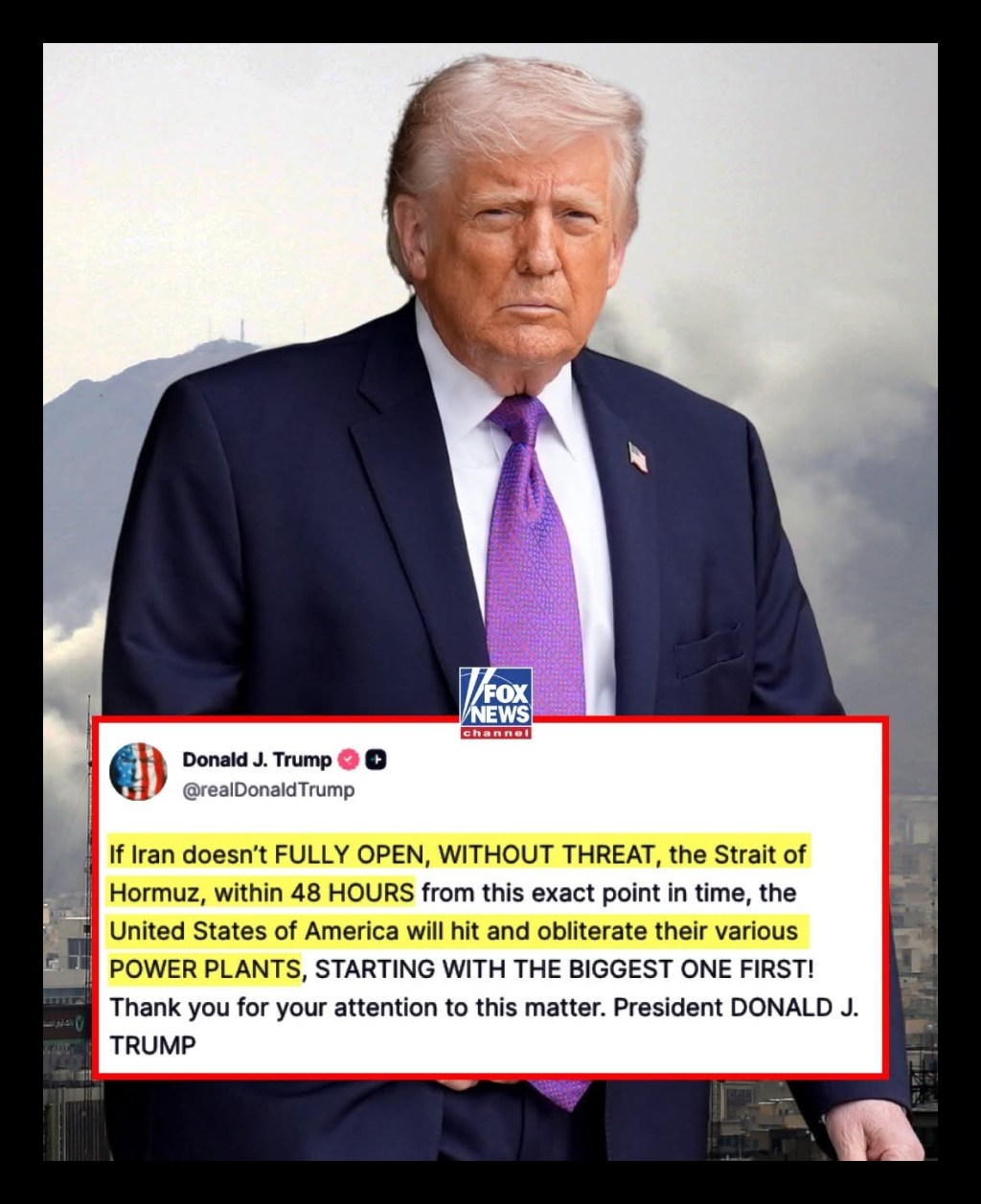
Repeated cycles of reassurance followed by unchanged conflict conditions show messaging functioning as a temporary volatility management tool rather than a reflection of reality Statements issued by Donald Trump over the past three weeks show a repeatable interaction between political messaging and immediate market response, with timing, content, and outcome forming a consistent sequence rather… Continue reading
AI and Digital Control, America, economics, Energy, EUROPE, Financial markets, Foreign Policy, Geopolitics, Global Finance, iran, israel, middle east, Mineral Resources, NATO, politics, warbond markets, crude oil pricing, donald trump, energy prices, equity market reaction, Financial markets, geopolitical risk, investor behaviour, Iran conflict, Iranian foreign policy, market signalling, market volatility, oil markets, risk perception, sanctions, Strait of Hormuz, strategic communication, supply disruption, United States policy, war messaging -
Brazil Calls for Defence Co-operation with South Africa
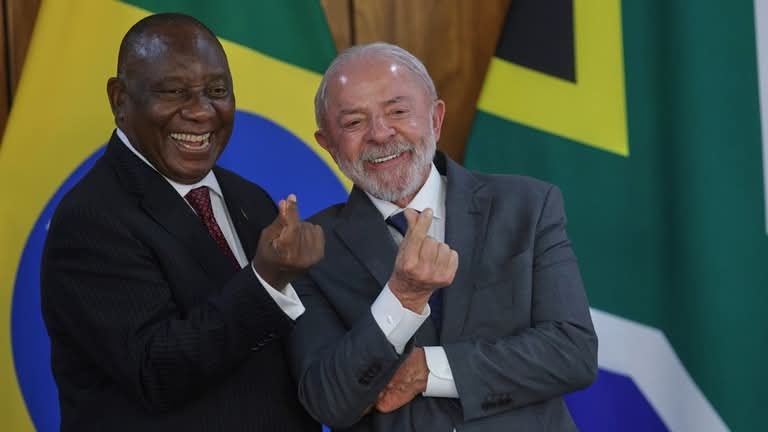
Lula and Ramaphosa reflect a growing unease across the Global South after Western military actions in Venezuela and Iran, reinforcing fears that states outside major alliance systems remain vulnerable to coercion and intervention. Brazil’s President Luiz Inácio Lula da Silva used the recent visit of South African President Cyril Ramaphosa to Brasília to articulate a… Continue reading
-
Saudi Arabia Has The “BOMB”
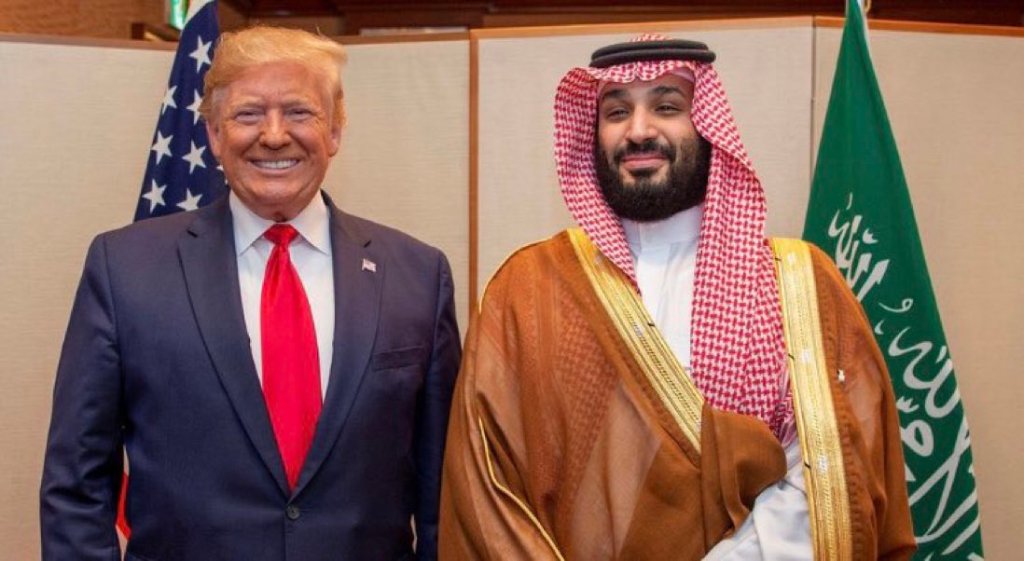
Nuclear Patronage, Saudi-Pakistan Security Ties, and the US-Israel Escalatory Dynamics Surrounding Iran Former senior Iranian military officials and independent analysts have publicly asserted for the first time that Saudi Arabia may already be in possession of a hidden nuclear arsenal, and that Riyadh’s extended deterrence is effectively being provided by Pakistan through a strategic mutual… Continue reading
