
military industrial complex
-
The Unipolar Machine: A Geopolitical Analysis of the United States Senate Hearing on Indo-Pacific Command, April 2026
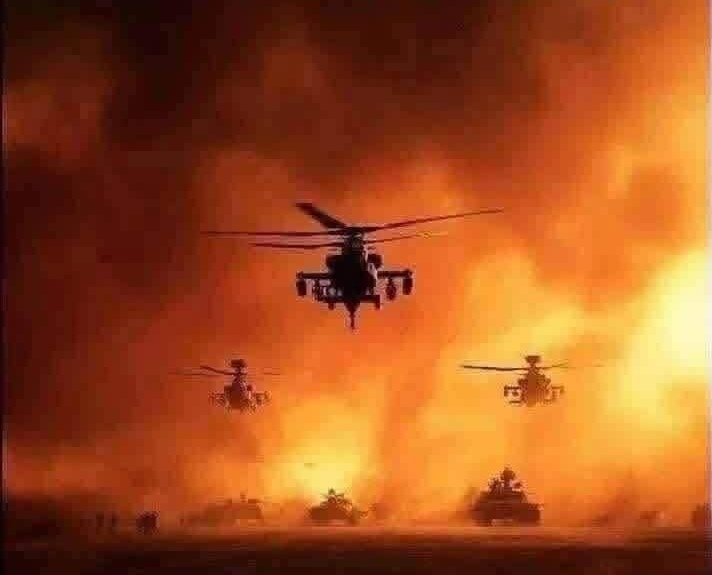
How a United States Senate hearing revealed the machinery of permanent war, energy blackmail, the consumption of proxies and the making of a new Asian front For most people who follow international affairs, the daily news cycle provides a sense of orientation. Headlines announce wars, peace talks, diplomatic summits, and military mobilisations. Politicians stand behind… Continue reading
AI and Digital Control, America, China, economics, Energy, EUROPE, Financial markets, Foreign Policy, Geopolitics, Global Finance, iran, israel, middle east, Mineral Resources, NATO, politics, reserve currency, Russia, South East Asia, warAdmiral Samuel Paparo, American exceptionalism, April 2026, B-21 bomber, bipartisan continuity, China containment, Columbia class submarine, defence contracting, elite capture, energy as weapon, General Dynamics, General Xavier Brunson, imperial bureaucracy, Indo-Pacific Command, LNG decoupling, military industrial complex, National Endowment for Democracy, Nord Stream sabotage, Northrop Grumman, Orwellian language, proxy relationships, RAND Corporation Extending Russia, Senate Armed Services Committee, South Korea military alliance, Strait of Hormuz, Strait of Malacca, unipolarity, United States foreign policy, wartime operational control -
When Terms Are Rejected and Wars Cannot Be Won
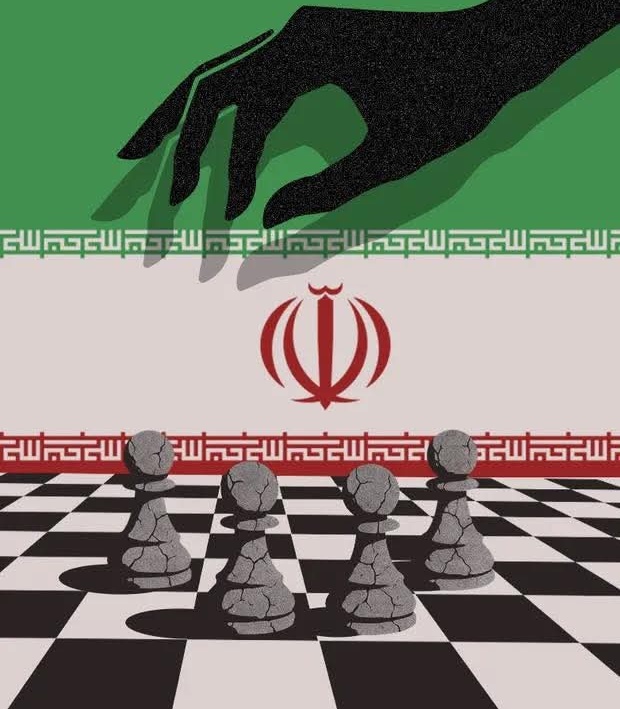
Why Iran Will Not Bargain, Ukraine Cannot Prevail and Brazil’s Rupture with the System A decisive structural rupture now governs the international system, where coercive diplomacy has lost credibility and military-economic escalation has become the primary language of state interaction. Iran’s refusal to attend ceasefire talks does not represent obstinacy but rather a rational rejection… Continue reading
AI and Digital Control, America, Financial markets, Foreign Policy, Geopolitics, Global Finance, iran, israel, middle east, Mineral Resources, NATO, politics, reserve currency, Russia, warattrition warfare, bab el mandeb, Brazil foreign policy, deterrence, energy security, Game Theory, Geopolitics, global energy markets, global governance crisis, global trade disruption, hezbollah, information warfare, international relations theory, Iran US relations, Israel Lebanon conflict, Lula da Silva, maritime chokepoints, Middle East conflict, military industrial complex, multipolar world order, political economy, proxy wars, sanctions economy, Strait of Hormuz, Strategic Competition, Ukraine-Russia war, UN Security Council, Western foreign policy -
Russian Gains and Western Uncertainty Create a New Phase of Risk

Diverging European positions, shrinking Ukrainian capacity, and expanded sanctions pressure collide Russian forces intensified operations in southern Ukraine through coordinated advances that brought frontline units into positions threatening several operationally significant towns, thereby altering the tactical geometry across the Zaporizhzhia axis. The capture of settlements along this corridor enables Russian formations to pressure Ukrainian lines… Continue reading
