
National Endowment for Democracy
-
The Empire That Would Rather Burn Itself Than Share the World

An independent analysis of the 1992 Wolfowitz Doctrine, the RAND multi-domain strategy, and the structural reasons why a declining hegemon may attempt to topple the game board rather than accept a multipolar world Editorial Analysis | September 2026 The 1992 Defense Planning Guidance, drafted under the supervision of Paul Wolfowitz and leaked to the New… Continue reading
AI and Digital Control, America, bond market, China, economics, Energy, EUROPE, Financial markets, Foreign Policy, Geopolitics, Global Finance, imperialism, iran, israel, japan, knowledge, middle east, NATO, politics, reserve currency, Russia, satellites, technology, warAmerican primacy, Bilibili, China shipbuilding, class analysis, defence contractors, Extending Russia, institutional continuity, Iran threat assessment, multipolarity, National Endowment for Democracy, Nepal regime change, RAND Corporation, think tank funding, Venezuela oil seizure, Wolfowitz Doctrine, Yemen civilian casualties -
The Brookings Repertoire and the Manufacture of the Iran War
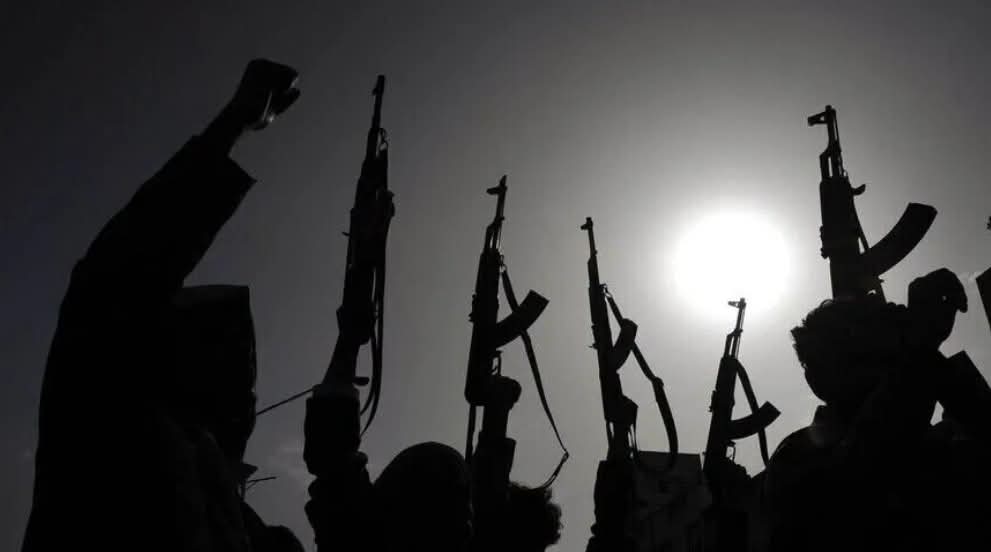
An independent analysis of the strategic repertoire that produced the 2026 Iran war, the institutional networks that sustained it across seventeen years, and the material contradictions that now threaten its architects Editorial Analysis | September 2026 Crafting a durable policy toward the Islamic Republic of Iran has confounded every American administration since the revolution of… Continue reading
AI and Digital Control, America, Energy, EUROPE, Financial markets, Foreign Policy, Geopolitics, Global Finance, Health, Immunisation, imperialism, iran, israel, middle east, Mineral Resources, NATO, neocolonialism, politics, reserve currency, Russia, warAmerican decline, Brookings Institution, civilian casualties, class analysis, defence contractors, diplomatic trap, hegemonic overstretch, institutional continuity, iran, Iranian Jews, munitions depletion, National Endowment for Democracy, regime change, think tanks, United States, USS Harry S. Truman, Which Path to Persia, Yemen -
America’s Terrorist Pipeline For War with China
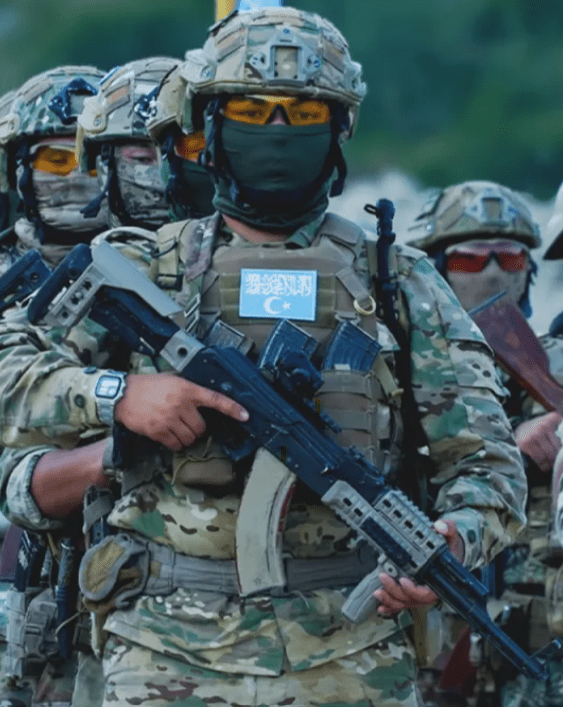
Two recent decisions to remove designated terrorist organisations from US lists sit inside a longer pattern of tactical realignment against China and Russia National Public Radio published a lengthy feature on 17 May 2026 profiling Uyghur fighters who helped topple the Assad government in Syria, describing them through interviews conducted in Idlib and Jisr al-Shughur… Continue reading
AI and Digital Control, America, China, economics, Energy, Financial markets, Foreign Policy, Geopolitics, Global Finance, imperialism, iran, israel, middle east, Mineral Resources, NATO, neocolonialism, politics, reserve currency, Russia, warAhmed al-Sharaa, Balochistan Liberation Army, China containment, China Pakistan Economic Corridor, East Turkestan Islamic Movement, Foreign Policy, Geopolitics, Hay’at Tahrir al-Sham, Information Operations, National Endowment for Democracy, proxy warfare, terrorist designation, Turkestan Islamic Party, United States foreign policy, Uyghur fighters Syria, Xinjiang -
Armenia Regime-Changed Without A Shot Fired

How the 2018 Velvet Revolution Exemplifies the US Strategy of Political Capture of a Sovereign Country The March 1992 leak of the Defense Planning Guidance to the New York Times revealed a strategic vision that would shape American foreign policy for three decades. The document, prepared by Paul Wolfowitz’s policy office, asserted that the United… Continue reading
AI and Digital Control, America, economics, Energy, EUROPE, Financial markets, Foreign Policy, Geopolitics, Global Finance, middle east, Mineral Resources, NATO, neocolonialism, politics, Russia, waradministrative capture, Armenia, Armenia elections 2026, civil society organisations, client regimes, colour revolution, democracy promotion, electoral interference, Eurasian Security, extending Russia strategy, geopolitical competition, hybrid warfare, information space, information warfare, institutional capture, International Republican Institute, National Endowment for Democracy, NATO expansion, Nikol Pashinyan, OSCE observers, political capture, regime change, Russian influence, social media control, South Caucasus, Union of Informed Citizens, US foreign policy, US-Russia rivalry, Velvet Revolution -
The Colour Revolution Playbook

How the US Captures Nations Without Firing a Shot to Disrupt Multipolarism, Extend Russia, Contain Iran and China The February 1992 draft of the Defense Planning Guidance, leaked to the New York Times and published on March 8, 1992, articulated a strategic vision that has shaped American foreign policy for three decades. The document, prepared… Continue reading
AI and Digital Control, America, economics, Financial markets, Foreign Policy, Geopolitics, Global Finance, imperialism, iran, israel, NATO, neocolonialism, politics, Russia, warArmenia Velvet Revolution, colour revolutions, Eurasian Security, extending Russia strategy, foreign interference, information warfare, multipolarity, National Endowment for Democracy, NED operations, political infiltration, regime change operations, South Caucasus geopolitics, US global strategy, US political capture, US-Iran containment, US-Russia rivalry -
Is South Africa Witnessing a Colour Revolution?

Analysing South Africa’s March and March movement through the lens of regime change doctrine South Africa occupies a unique position in the global order. It is the only country in the BRICS+ world where the colonial management class never actually left. Political power was transferred in 1994, but the land, the mines, the banks, the… Continue reading
africa, AI and Digital Control, America, economics, Foreign Policy, Geopolitics, imperialism, israel, neocolonialism, politics, war, zimbabweAfrican geopolitics, AfriForum, anti-immigration, BRICS, colour revolution, Democratic Alliance, foreign interference, Government of National Unity, June 30 protests, March and March, migration policy, multipolar transition, National Endowment for Democracy, Operation Dudula, regime change, soft coup, south africa, South African politics, xenophobia -
Indonesia Unrest: From Hormuz to Malacca, the Next Front?

How Washington’s pursuit of maritime dominance, from the Persian Gulf to Southeast Asia, is reshaping the geopolitical fate of the world’s fourth most populous nation and why Jakarta’s modest gestures of independence have already attracted familiar consequences Editorial Analysis | 16 June 2026 The American and Israeli strikes on Iran, launched on 28 February 2026,… Continue reading
-
The Unipolar Machine: A Geopolitical Analysis of the United States Senate Hearing on Indo-Pacific Command, April 2026

How a United States Senate hearing revealed the machinery of permanent war, energy blackmail, the consumption of proxies and the making of a new Asian front For most people who follow international affairs, the daily news cycle provides a sense of orientation. Headlines announce wars, peace talks, diplomatic summits, and military mobilisations. Politicians stand behind… Continue reading
AI and Digital Control, America, China, economics, Energy, EUROPE, Financial markets, Foreign Policy, Geopolitics, Global Finance, iran, israel, middle east, Mineral Resources, NATO, politics, reserve currency, Russia, South East Asia, warAdmiral Samuel Paparo, American exceptionalism, April 2026, B-21 bomber, bipartisan continuity, China containment, Columbia class submarine, defence contracting, elite capture, energy as weapon, General Dynamics, General Xavier Brunson, imperial bureaucracy, Indo-Pacific Command, LNG decoupling, military industrial complex, National Endowment for Democracy, Nord Stream sabotage, Northrop Grumman, Orwellian language, proxy relationships, RAND Corporation Extending Russia, Senate Armed Services Committee, South Korea military alliance, Strait of Hormuz, Strait of Malacca, unipolarity, United States foreign policy, wartime operational control -
Cuba in the Face of Economic Blockade
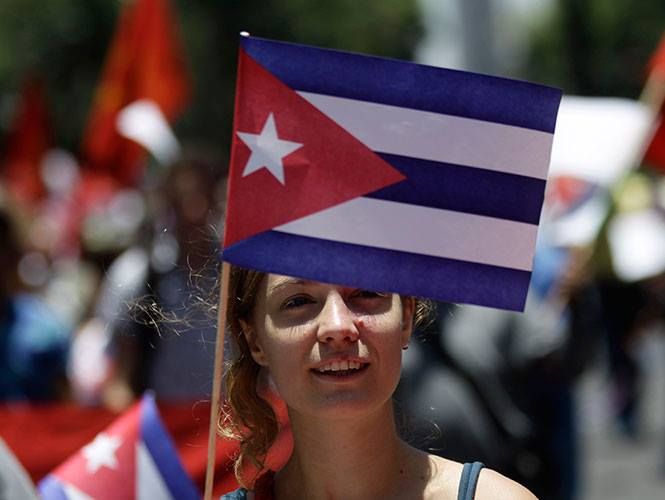
Economic coercion, financial dominance, regime change policy, and Cuban state resilience within a prolonged asymmetric conflict For more than six decades the United States has maintained a comprehensive system of economic coercion against Cuba that began under Dwight D. Eisenhower and was consolidated under John F. Kennedy following the failed invasion at the Bay of… Continue reading
AI and Digital Control, China, economics, Energy, Financial markets, Foreign Policy, Geopolitics, NATO, politics, Russia, warCaribbean geopolitics, Center for a Free Cuba, chaos theory, Cuba, Cuban health system, Cuban Revolution, dollar hegemony, economic blockade, economic sanctions, extraterritorial sanctions, financial warfare, Game Theory, humanitarian impact of sanctions, lobbying influence, madman theory, maritime interdiction, National Endowment for Democracy, neoliberalism, Non-Aligned Movement, Office of Foreign Assets Control, Oil Tanker Seizures, regime change policy, secondary sanctions, Sovereignty, United Nations General Assembly votes on Cuba, United States, US-Cuba Democracy PAC, US–Cuba relations, weaponised interdependence
