
international relations theory
-
When Terms Are Rejected and Wars Cannot Be Won
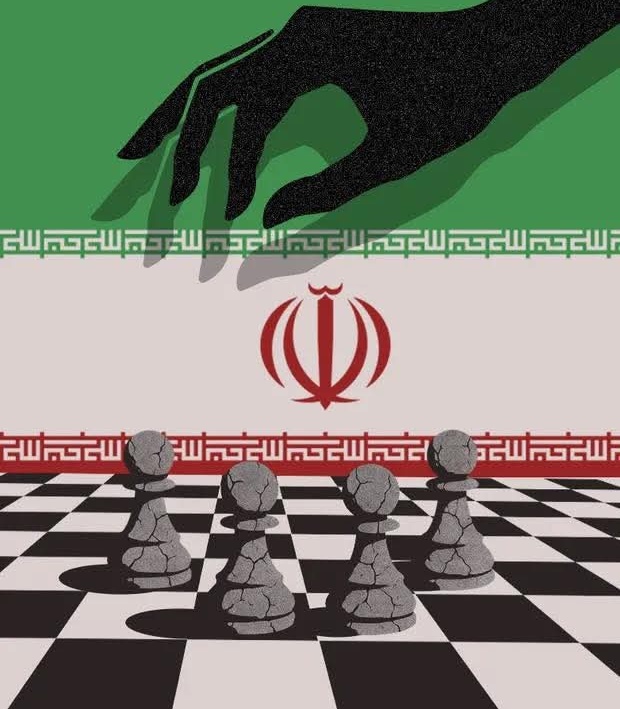
Why Iran Will Not Bargain, Ukraine Cannot Prevail and Brazil’s Rupture with the System A decisive structural rupture now governs the international system, where coercive diplomacy has lost credibility and military-economic escalation has become the primary language of state interaction. Iran’s refusal to attend ceasefire talks does not represent obstinacy but rather a rational rejection… Continue reading
AI and Digital Control, America, Financial markets, Foreign Policy, Geopolitics, Global Finance, iran, israel, middle east, Mineral Resources, NATO, politics, reserve currency, Russia, warattrition warfare, bab el mandeb, Brazil foreign policy, deterrence, energy security, Game Theory, Geopolitics, global energy markets, global governance crisis, global trade disruption, hezbollah, information warfare, international relations theory, Iran US relations, Israel Lebanon conflict, Lula da Silva, maritime chokepoints, Middle East conflict, military industrial complex, multipolar world order, political economy, proxy wars, sanctions economy, Strait of Hormuz, Strategic Competition, Ukraine-Russia war, UN Security Council, Western foreign policy -
Israel as Distraction, China as Target: The Structure of an Emerging Systemic War
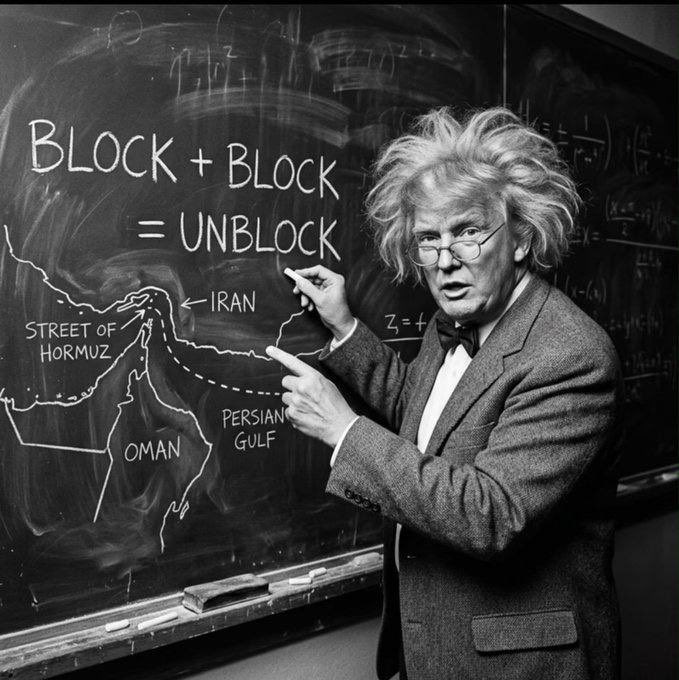
How regional conflict obscures a larger strategy targeting China’s economic lifelines Something has already changed in the way power is organised, though it is rarely put plainly. The pattern of events still looks familiar, which is why it is easy to miss. Military movements in the Middle East are usually explained in terms of local… Continue reading
AI and Digital Control, America, China, economics, Energy, EUROPE, Financial markets, Foreign Policy, Geopolitics, Global Finance, iran, israel, middle east, Mineral Resources, NATO, politics, reserve currency, Russia, waranti-access area denial, blockade strategy, China containment, coercive diplomacy, economic warfare., energy security, Game Theory, Geopolitics, global trade routes, grand strategy, great power competition, hegemonic stability, Indo-Pacific strategy, international relations theory, iran, Marine Corps restructuring, maritime chokepoints, Middle East conflict, military doctrine, multipolar world order, naval strategy, political economy, resource control, Russia-China relations, strategic encirclement, supply chain security, systemic war, US foreign policy -
Why Russia is Not Fighting Like Iran
Different objectives and different constraint hence Russia’s calibrated attrition contrasts with Iran’s cost-imposition strategy revealing competing paths to power Russia is no longer fighting for victory in Ukraine in the conventional sense; it is determining the scale and timing of an outcome it increasingly believes it can impose. What appears externally as operational restraint reflects… Continue reading
AI and Digital Control, America, China, economics, Energy, EUROPE, Financial markets, Foreign Policy, Geopolitics, iran, israel, middle east, Mineral Resources, NATO, politics, reserve currency, Russia, South East Asia, warasymmetric warfare, China rise, cost imposition, deterrence, economic warfare., energy security, Geopolitics, global order, global power shift, international relations theory, Iran strategy, military strategy, multipolarity, political economy, proxy war, Russia Ukraine War, Strait of Hormuz, Strategic Competition, US foreign policy, war strategy -
Iran – The Last Window of Empire to Stop Multipolarity
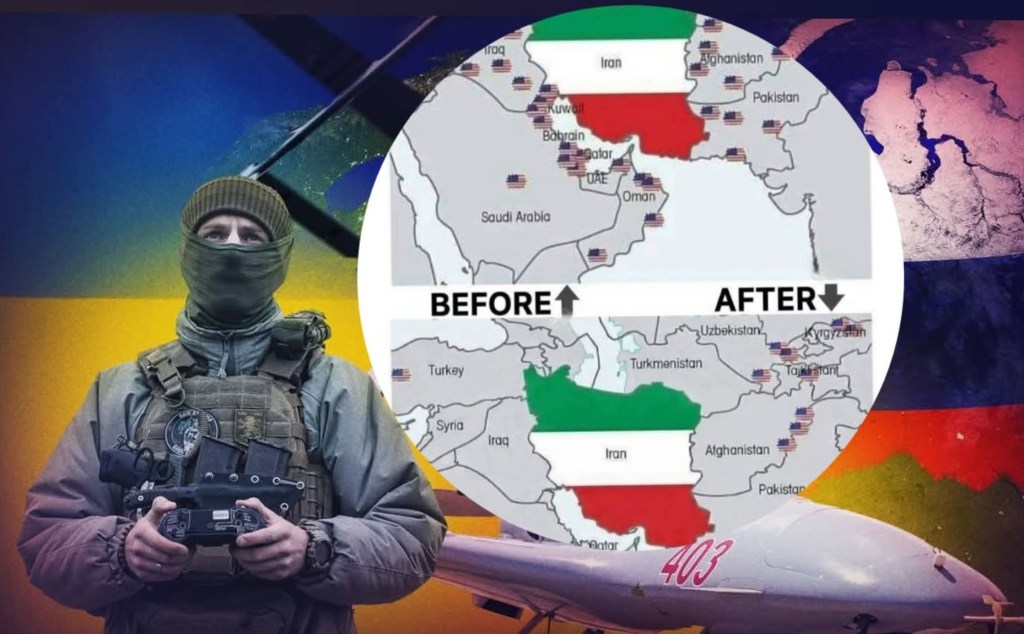
Why the War on Iran Signals a Final Attempt to Halt Multipolarity Before It Becomes Irreversible A structural rupture in the international system is already underway, and its trajectory has become effectively irreversible. The confrontation centred on Iran constitutes not a regional escalation but a terminal phase in the enforcement of a unipolar order that… Continue reading
AI and Digital Control, America, China, economics, Energy, EUROPE, Financial markets, Foreign Policy, Geopolitics, Global Finance, iran, israel, Latin America, middle east, Mineral Resources, NATO, politics, reserve currency, Russia, South East Asia, warChina Strategy, de-dollarisation, economic warfare., energy geopolitics, Game Theory, Geopolitics, global energy markets, global order, grand strategy, great power competition, hegemonic decline, imperial strategy, international relations theory, Iran conflict, Middle East geopolitics, multipolarity, petrodollar system, political economy, proxy warfare, Russia strategy, sanctions, Strategic Competition, systemic risk, unipolarity, US foreign policy
