
Geopolitics
-
The Arsenal of Empire – How Private Profit and Strategic Overreach Are Breaking the American Military
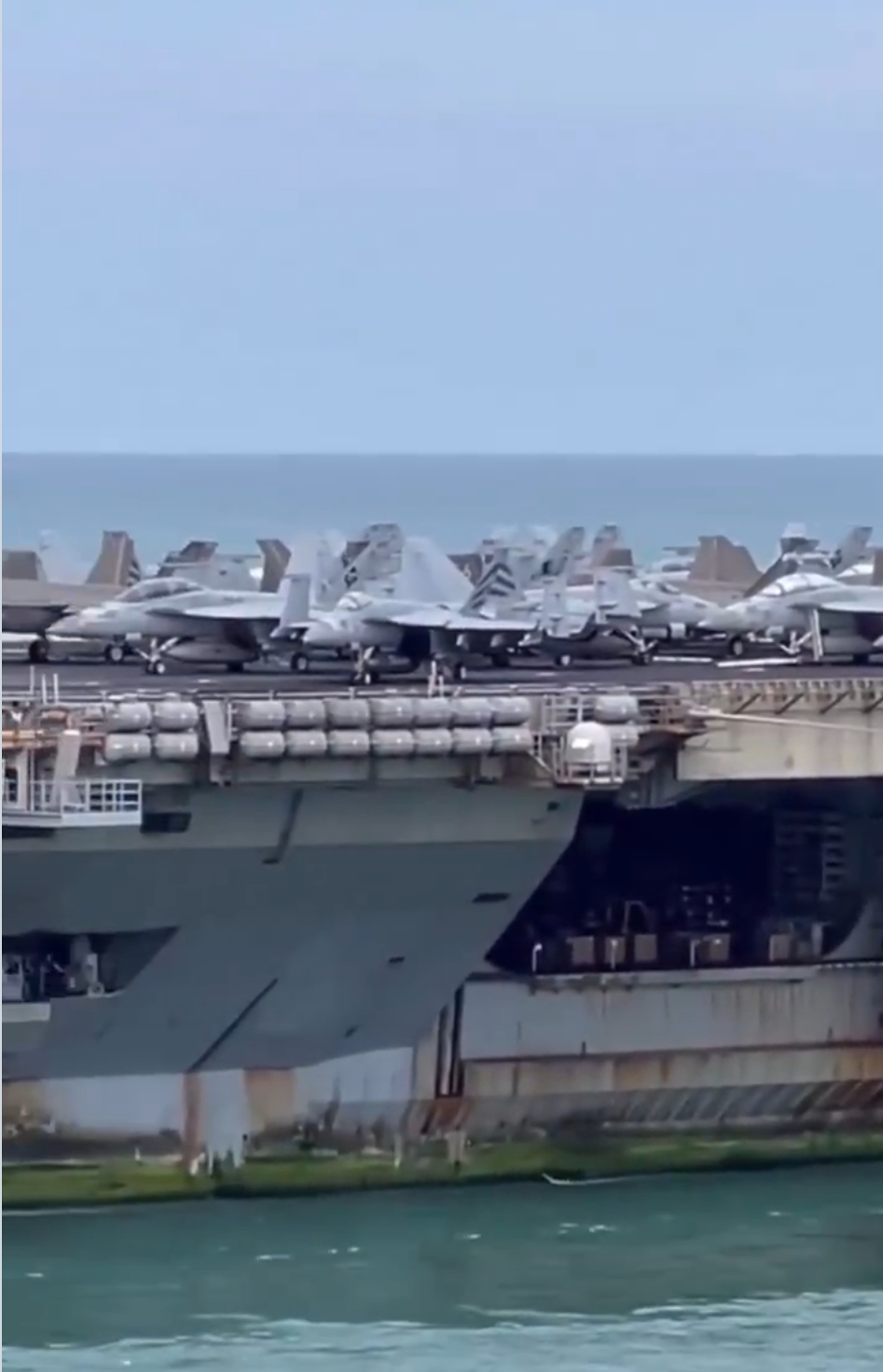
From the failure of Silicon Valley’s defence startups on Ukrainian battlefields to the logistical collapse of the United States Navy in the Persian Gulf, the gap between American military spending and American military capability has become a chasm that no amount of additional funding can bridge Editorial Analysis | September 2026 The performance of the… Continue reading
-
The Unit Settlement Instrument and the Material Limits of Multipolar Finance

The BRICS+ pilot of a gold-and-currency basket digital settlement token represents a significant technical experiment in parallel financial infrastructure, yet its trajectory remains constrained by the same capitalist contradictions that produced the dollar-centric order it seeks to circumvent. Editorial Analysis | September 2026 The Unit settlement instrument emerged from a specific historical conjuncture that fundamentally… Continue reading
AI and Digital Control, America, bond market, China, economics, Energy, EUROPE, Financial markets, Foreign Policy, Geopolitics, Global Finance, imperialism, iran, japan, middle east, Mineral Resources, NATO, neocolonialism, politics, reserve currency, warBelt and Road Initiative, Bishkek Declaration, BRICS, de-dollarisation, digital currency, Eurasian connectivity, financial sanctions, gold, Historical Materialism, hybrid warfare, international monetary system, International North–South Transportation Corridor, iran, Michael Hudson, multipolarity, national currencies, New Development Bank, SCO Development Bank, Sergey Glazyev, Shanghai Cooperation Organisation, Unit -
Building Parallel Architecture Against Weaponised Finance
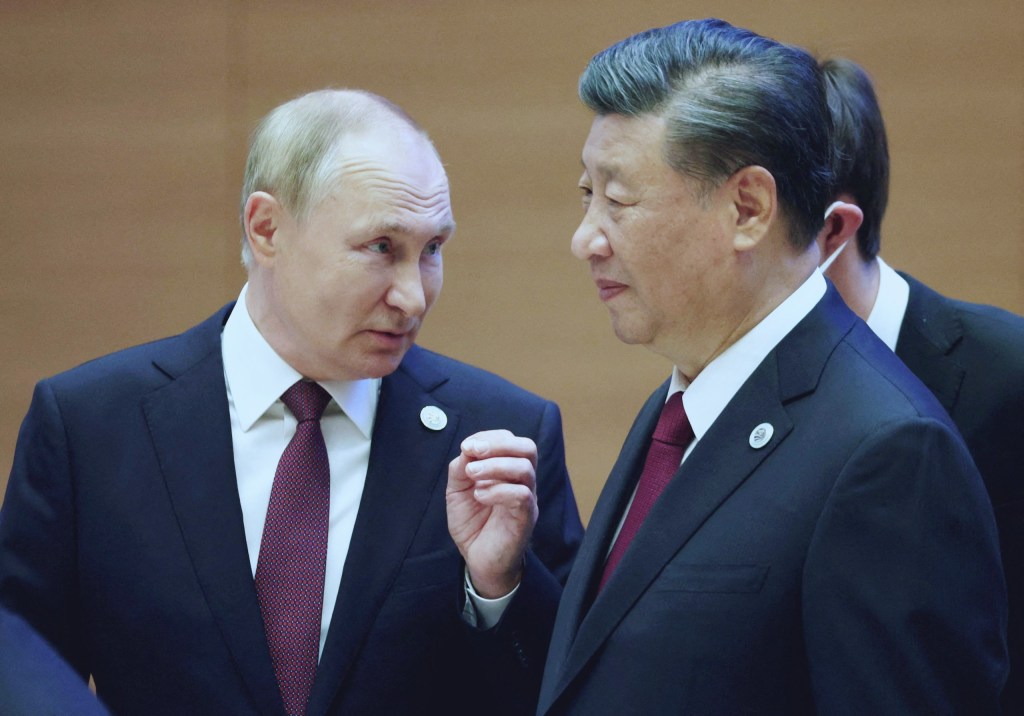
The Bishkek Summit and the Practical Contours of Eurasian Multipolar Construction Editorial Analysis | September 2026 The twenty-fifth summit of the Shanghai Cooperation Organisation held in Bishkek generated less theatrical display than the preceding gathering in Tianjin yet advanced several concrete institutional steps that clarify the organisation’s evolving role. Member states adopted a final declaration… Continue reading
-
China Gives Its Inland Factories a Direct Route to Southeast Asia
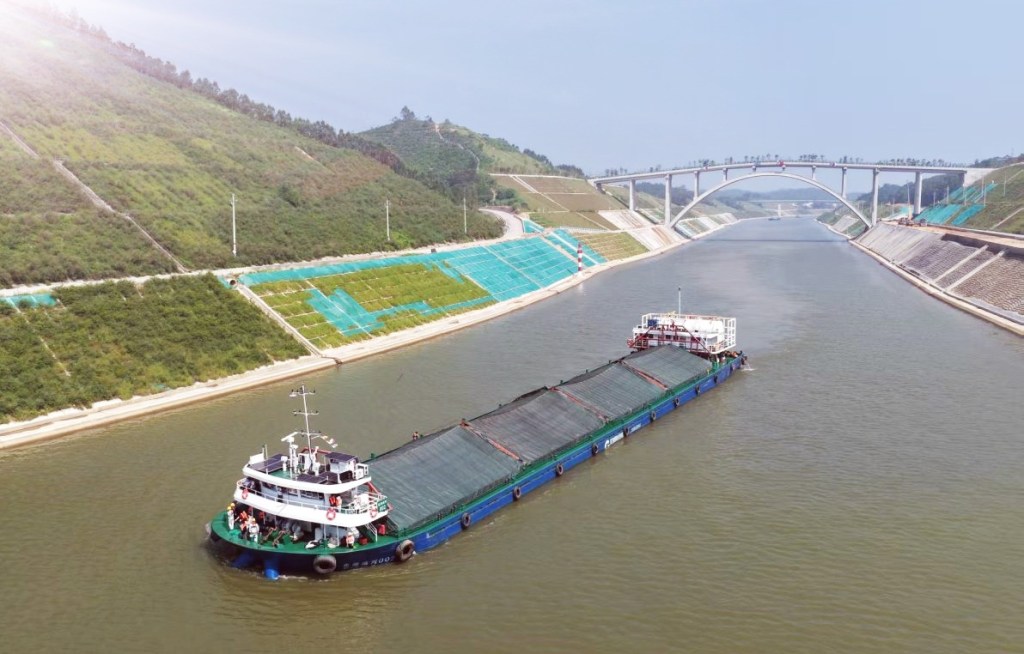
New Trade Route Linking China’s Inland Factories to Southeast Asia Later this month, cargo ships are expected to begin using a new and shorter route from China’s industrial southwest to the sea. The 134-kilometre Pinglu Canal connects Nanning and the inland river network of Guangxi to the Gulf of Tonkin. The canal has been built… Continue reading
-
China’s Objections at the United States-Hosted G20 Finance Meeting and the Limits of Manufactured Multilateral Consensus
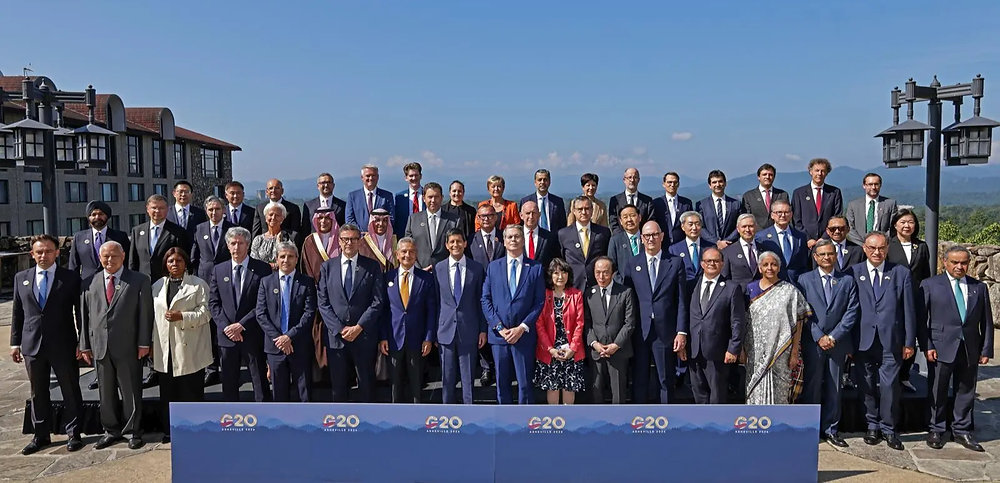
An examination of the institutional, strategic and economic drivers behind Beijing’s refusal to endorse language on trade imbalances, non-market policies and critical supply chains in the chair’s statement issued after the Asheville gathering Editorial Analysis | September 2026 In the closing days of the United States G20 presidency’s finance track, finance ministers and central bank… Continue reading
-
Study Reports That Pfizer-Type Lipid Nanoparticles Increased Cancer Spread in Mice
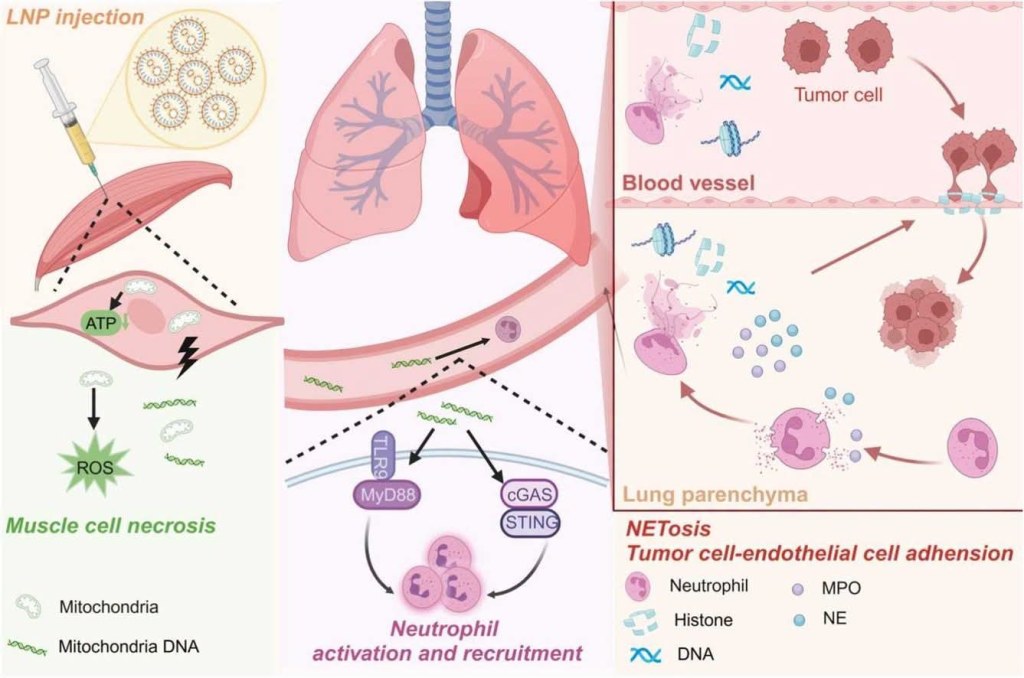
Empty Lipid Nanoparticles Linked to Increased Cancer Spread in Mice A 2026 study published in Nano Today reported that certain lipid nanoparticles used to deliver mRNA increased the spread of cancer in mice. The researchers found that this happened even when the nanoparticles were empty and contained no mRNA. In one experiment, the amount of… Continue reading
-
Iran Signals Expansion of Retaliation Beyond Military Targets
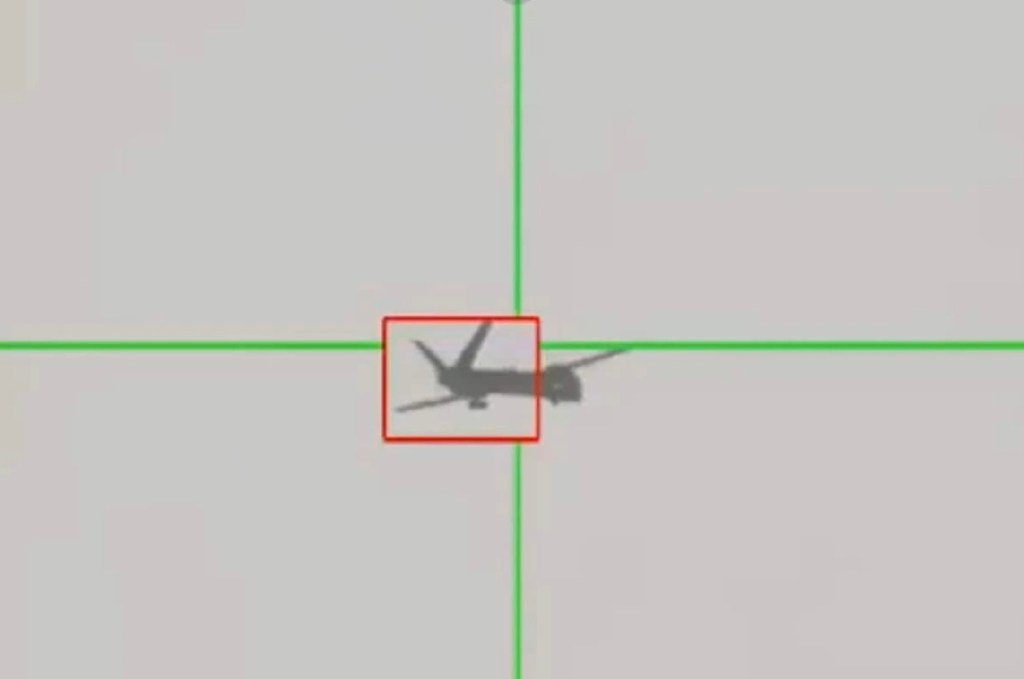
After Larak Island strike, Iranian academic and former adviser Mohammad Marandi warns of a “different” and “very painful” response that may include economic assets, with potential effects on energy General Article |September 2026 United States Central Command confirmed that American forces struck two launchers on Larak Island late on 30 August. Officials stated that Islamic… Continue reading
-
American Strike on Larak Island and Iranian Retaliation Widen the Contested Theatre
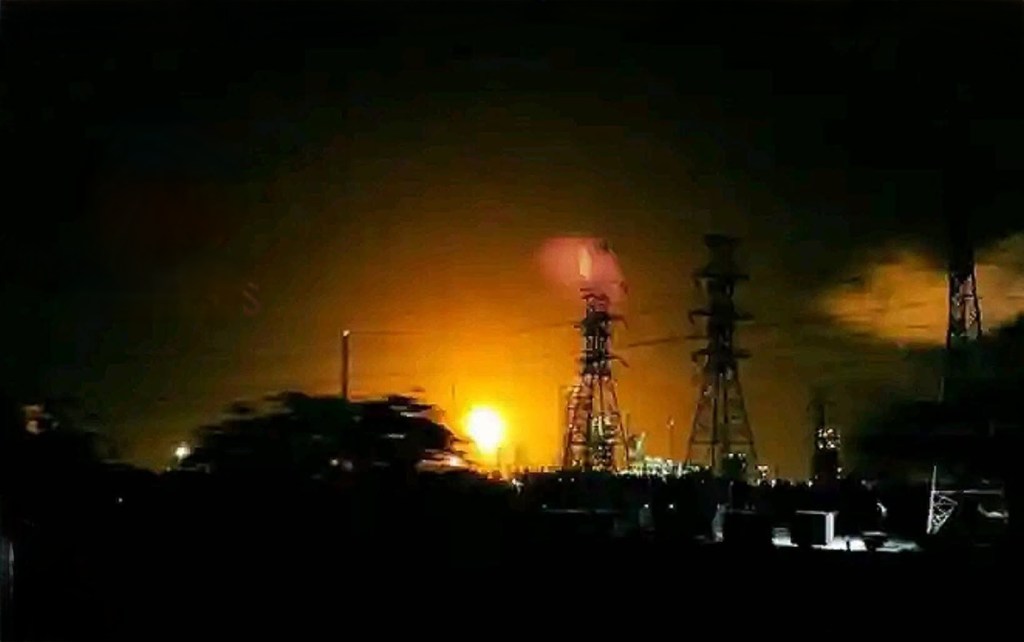
Direct attacks near the Strait of Hormuz, reciprocal launches against United States bases in Jordan, and explicit threats against Israeli leadership mark a further expansion of the conflict’s geographic and political scope General Article | August 2026 United States Central Command confirmed that American forces struck two launchers on Larak Island late on 30 August.… Continue reading
-
Trump Declares Victory in Hormuz, Claiming Iran’s Grip Broken as U.S. Prepares Extended Channel
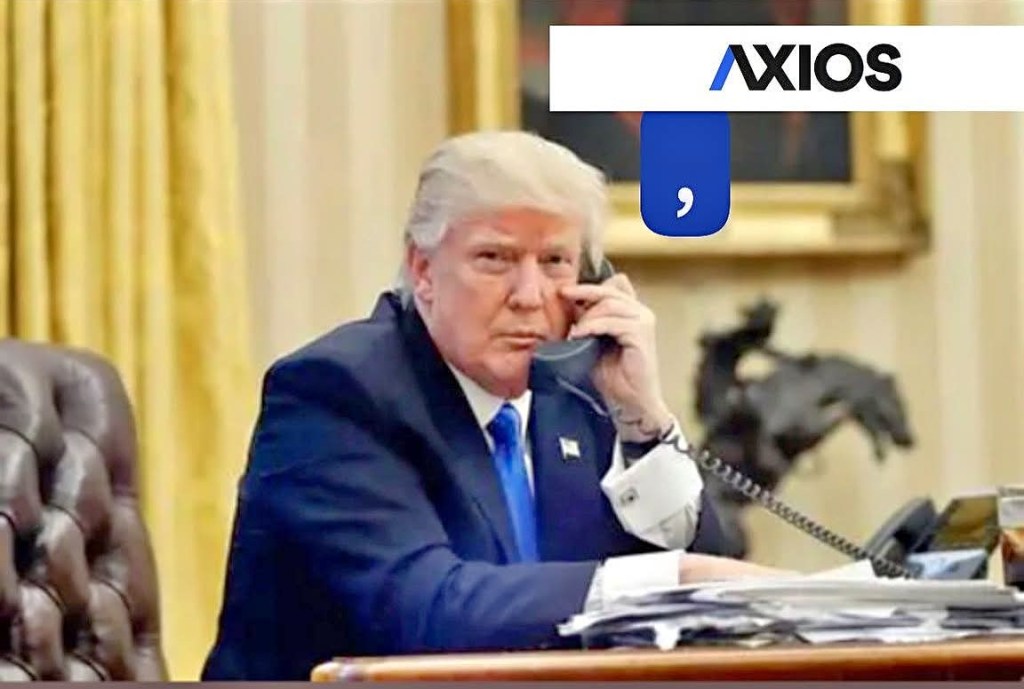
Trump has declared victory in the Strait of Hormuz during a phone call with Axios U.S. President Donald Trump has declared victory in the Strait of Hormuz during a phone call with Axios, asserting that the strategic maritime chokepoint is open and describing Iran’s response as “very mild.” Trump claimed that Iranian forces “don’t want… Continue reading
-
Hormuz Authority Shifts to Iranian Waters
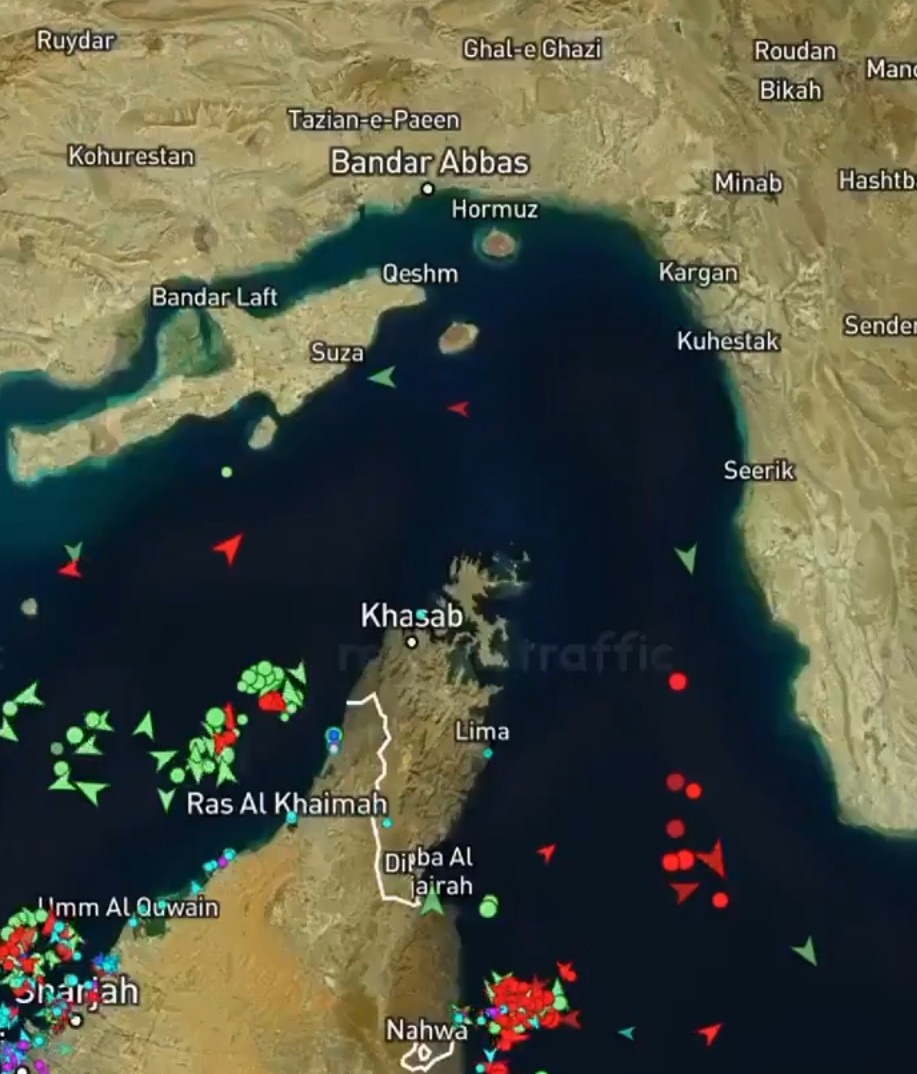
Iran-Oman corridor closes the US-escorted southern route and ties oil transit to Tehran’s political conditions Iran’s leadership confronts two sharply different readings of the present phase of its confrontation with the United States. One interpretation holds that strategic patience alone can convert military success into lasting political victory. The other warns that the same patience… Continue reading
