
politics
-
The Unipolar Machine: A Geopolitical Analysis of the United States Senate Hearing on Indo-Pacific Command, April 2026
How a United States Senate hearing revealed the machinery of permanent war, energy blackmail, the consumption of proxies and the making of a new Asian front For most people who follow international affairs, the daily news cycle provides a sense of orientation. Headlines announce wars, peace talks, diplomatic summits, and military mobilisations. Politicians stand behind… Continue reading
AI and Digital Control, America, China, economics, Energy, EUROPE, Financial markets, Foreign Policy, Geopolitics, Global Finance, iran, israel, middle east, Mineral Resources, NATO, politics, reserve currency, Russia, South East Asia, warAdmiral Samuel Paparo, American exceptionalism, April 2026, B-21 bomber, bipartisan continuity, China containment, Columbia class submarine, defence contracting, elite capture, energy as weapon, General Dynamics, General Xavier Brunson, imperial bureaucracy, Indo-Pacific Command, LNG decoupling, military industrial complex, National Endowment for Democracy, Nord Stream sabotage, Northrop Grumman, Orwellian language, proxy relationships, RAND Corporation Extending Russia, Senate Armed Services Committee, South Korea military alliance, Strait of Hormuz, Strait of Malacca, unipolarity, United States foreign policy, wartime operational control -
One Battle, Two Press Releases: Hormuz and the Crisis of American Deterrence
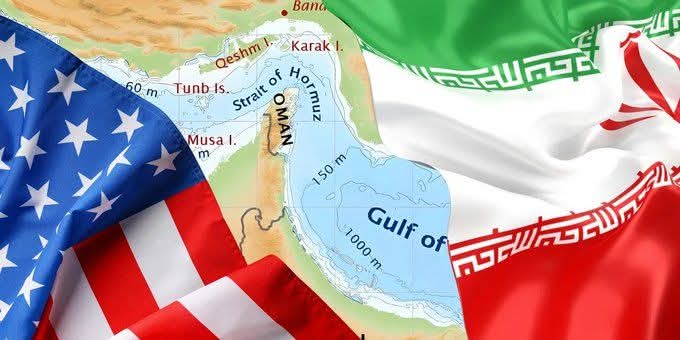
The Persian Gulf confrontation exposed the widening gap between military optics and operational control, while financial stabilisation and military escalation merged into the same strategic system A naval withdrawal inside the Strait of Hormuz would mark a strategic rupture extending far beyond one contested waterway, because the credibility of American maritime supremacy depends upon sustained… Continue reading
AI and Digital Control, America, China, economics, Energy, EUROPE, Financial markets, Foreign Policy, Geopolitics, Global Finance, iran, israel, middle east, Mineral Resources, NATO, politics, reserve currency, Russia, warAmerican Power, anti-access area denial, asymmetric warfare, Clausewitz, Coercive Credibility, Currency Systems, Defence Economics, dollar hegemony, energy security, escalation dominance, Financial markets, financial stability, Game Theory, Geoeconomics, Geopolitics, global order, Hormuz Crisis, imperial decline, international relations, iran, IRGC, maritime chokepoints, Maritime Strategy, Middle East security, military doctrine, Military Industrial Base, military strategy, Missile Saturation, multipolarity, Naval Warfare, Persian Gulf, Plunge Protection Team, political economy, realism, sea power, Strait of Hormuz, Strategic Geography, strategic studies, systemic risk, United States Navy -
US launches new strikes on Iran as Tehran claims retaliation against American naval forces
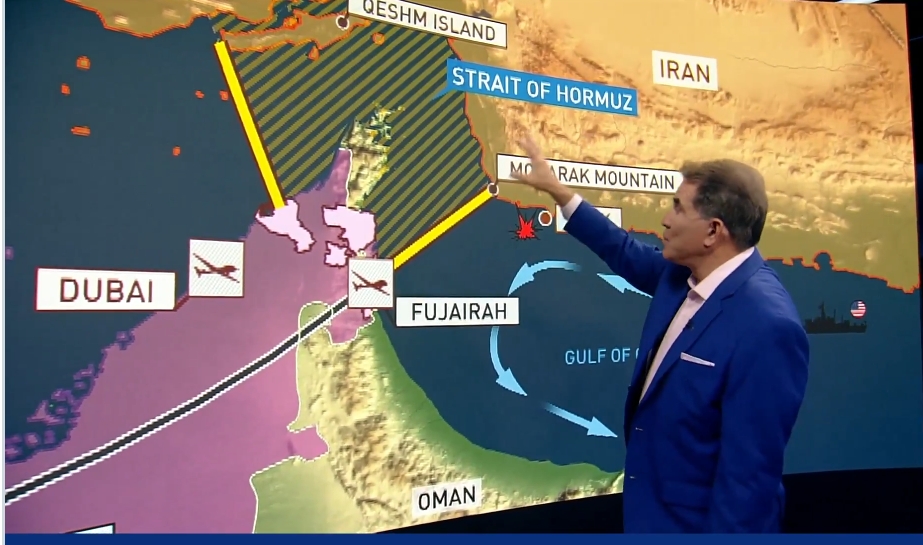
Fresh fighting near the Strait of Hormuz raises fears of renewed escalation despite the April 7 ceasefire The US military has reportedly carried out a new wave of strikes on Iranian targets near the Strait of Hormuz, with Tehran claiming it responded by targeting US naval vessels in the region. According to US and Iranian… Continue reading
-
The New Geography of Power: Europe Pays, America Pivots (Extended Version)
How Washington weaponised energy chokepoints, controlled instability, and alliance dependency against China, Iran, and Europe. The post-Cold War order is ending not because American power suddenly collapsed beneath external pressure, but because Washington abandoned the economic logic that previously sustained its own imperial system across multiple continents simultaneously. The United States no longer governs primarily… Continue reading
AI and Digital Control, America, China, economics, Energy, EUROPE, Financial markets, Foreign Policy, Geopolitics, Global Finance, iran, israel, middle east, Mineral Resources, NATO, politics, reserve currency, Russia, South East Asia, warAmerican Hegemony, China containment, energy security, Energy Warfare, Eurasia, European Union Crisis, Game Theory, Geopolitics, globalisation, Indo-Pacific, Industrial Dependency, Iran Sanctions, maritime chokepoints, Maritime Strategy, NATO Fragmentation, political economy, realism, Strait of Hormuz, Strait of Malacca, Strategic Competition -
How Russia Wins the New World War
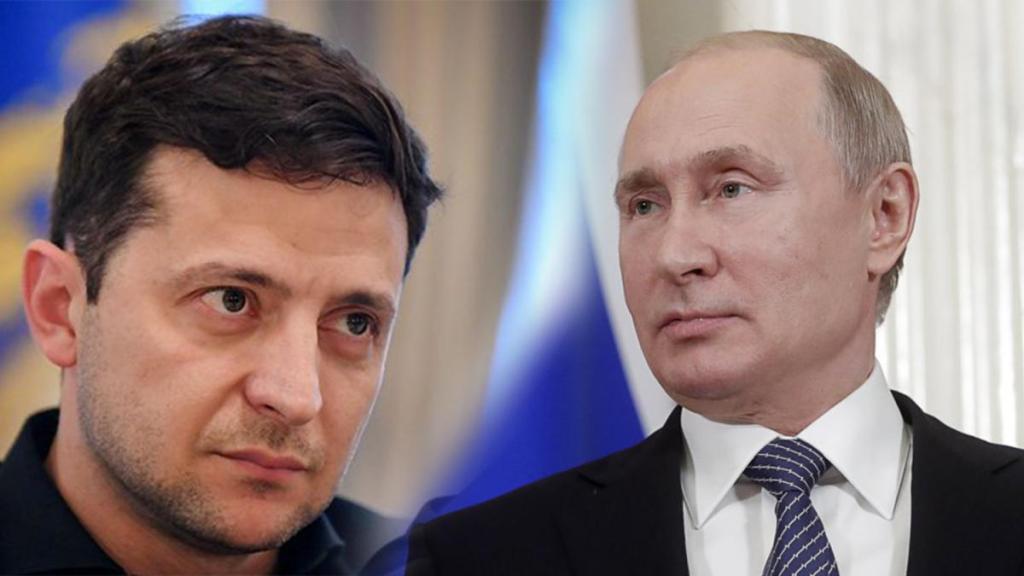
Sharpening nuclear deterrence and revising doctrine as necessary conditions to defeat Kiev and constrain the West The post-Cold War order has failed, and Russia’s survival now depends on forcing a strategic reversal of Western escalation through nuclear-backed coercive deterrence rather than conventional victory. The collapse of the Soviet Union removed geopolitical constraints without eliminating nuclear… Continue reading
AI and Digital Control, America, economics, Energy, EUROPE, Financial markets, Foreign Policy, Geopolitics, iran, israel, middle east, Mineral Resources, NATO, politics, reserve currency, Russia, satellites, South East Asia, warairport strike, conflict attribution, Drone Warfare, Escalation dynamics, Ethiopia involvement claims, evidence vs claims, foreign interference, Horn of Africa security, information warfare, international response, Khartoum allegations, military accusations, propaganda framing, proxy conflict risks, Red Sea security, regional geopolitics, strategic messaging, Sudan conflict, UAE involvement claims, war narrative -
The China Perspective: War Without Declaration
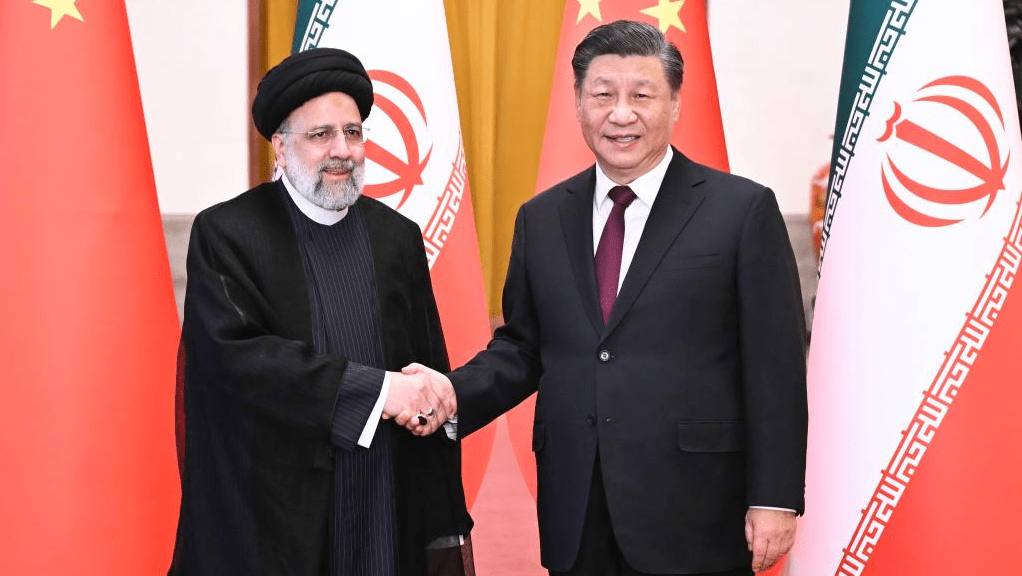
A Consideration of War in Iran and the Greater Reordering of the World In Which China Endures the Tumult of War Whilst the Old Order Strains to Maintain Its Hold China views the Iran war not as a distant regional conflict but as part of a broader strategic environment in which it is the primary… Continue reading
AI and Digital Control, America, China, economics, Energy, EUROPE, Financial markets, Foreign Policy, Geopolitics, Global Finance, iran, israel, middle east, Mineral Resources, NATO, politics, reserve currency, Russia, South East Asia, warBelt and Road Initiative, China, containment strategy, economic warfare., energy security, Eurasian integration, financial systems, Geopolitics, global power shift, global supply chains, global trade, globalisation, international relations, Iran War, maritime chokepoints, Middle East conflict, multipolar world order, realism theory, sanctions, sanctions policy, Strait of Hormuz, Strategic Competition, strategic restraint, United States, US-China relations -
China’s First Direct Rejection of U.S. Financial Jurisdiction
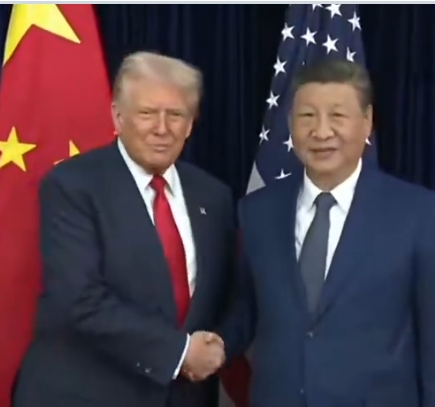
Why Beijing’s refusal to recognise American sanctions marks a structural shift in global financial power A legal border moved across the international system when China’s Ministry of Commerce instructed domestic firms not to recognise, enforce, or comply with United States sanctions against five Chinese refineries. Financial globalisation relied upon a silent assumption that American secondary… Continue reading
AI and Digital Control, America, China, economics, Energy, EUROPE, Financial markets, Foreign Policy, Geopolitics, Global Finance, Health, iran, israel, middle east, Mineral Resources, NATO, politics, reserve currency, Russia, warAnti-Foreign Sanctions Law, Belt and Road Initiative, blocking statute, China sanctions law, Chinese refineries, commodity security, cross-border finance, de-dollarisation, dollar hegemony, economic statecraft, energy geopolitics, energy security, extraterritorial jurisdiction, extraterritorial sanctions, financial coercion, financial decoupling, game theory in geopolitics, geopolitical economy, geopolitical risk, global financial order, global order transition, global supply chains, great power competition, international political economy, Iranian oil trade, legal sovereignty, multipolarity, realist international relations, sanctions compliance, sanctions enforcement, sanctions policy, sanctions resistance, secondary sanctions, sovereign jurisdiction, strategic autonomy, Strategic Competition, systemic rivalry, trade fragmentation, U.S. Treasury sanctions, U.S.–China relations, yuan internationalisation -
The UAE’s OPEC+ Exit – A Structural Gamble
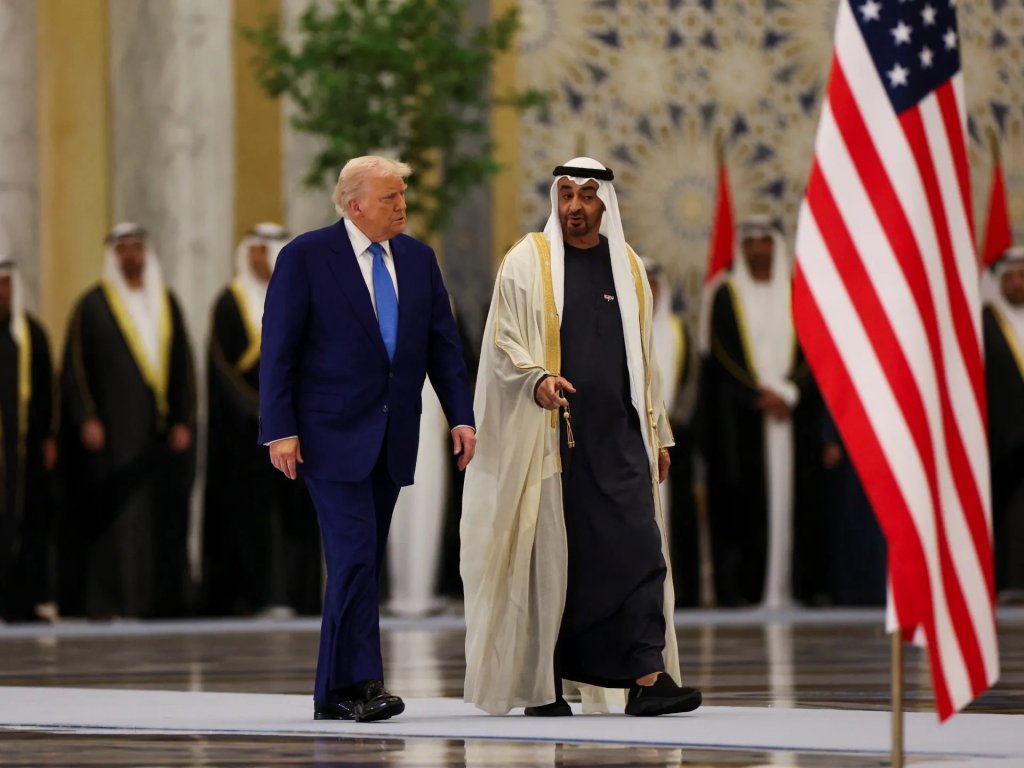
An irreversible strategic shift in energy, security, and regional order The United Arab Emirates’ decision to quit OPEC+ represents a structural rupture in Gulf geopolitics, reshaping energy flows, fracturing regional alliances, and exposing the fragility of U.S. strategic guarantees. This manoeuvre is irreversible. By monetising its newly expanded oil capacity of five million barrels per… Continue reading
AI and Digital Control, America, China, economics, Energy, EUROPE, Financial markets, Foreign Policy, Geopolitics, Global Finance, iran, israel, middle east, Mineral Resources, NATO, politics, reserve currency, Russia, South East Asia, warAbu Dhabi, asymmetric warfare, capital flight, energy strategy, Fujairah pipeline, Game Theory, GCC, global energy markets, Gulf geopolitics, international political economy, iran, Middle East energy, OPEC fragmentation, OPEC+, Persian Gulf, regional alliances, regional power shift, Saudi Arabia, strategic autonomy, U.S. security guarantees, UAE -
A Division of Labour in WarA Division of Labour in War
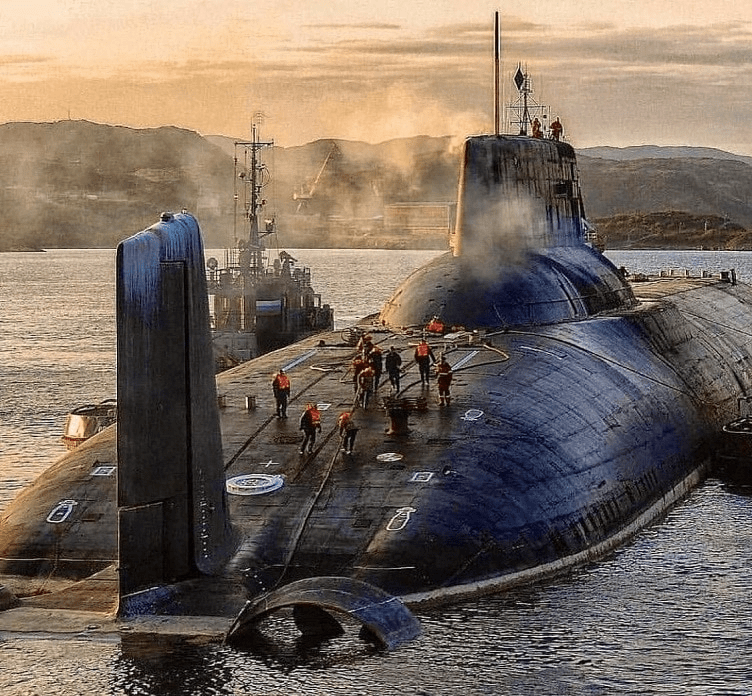
The Transfer of Strategic Burden from Washington to Europe in the Ukraine Conflict The Ukraine conflict has entered a phase in which military attrition matters less than institutional transfer. Washington no longer behaves as a state attempting to terminate a costly war through settlement. It behaves as a system reallocating operational responsibility to subordinate allies… Continue reading
AI and Digital Control, America, China, economics, Energy, EUROPE, Financial markets, Foreign Policy, Geopolitics, Global Finance, iran, israel, middle east, Mineral Resources, NATO, politics, Russia, warAlliance Politics, burden sharing, China, defence spending, energy markets, energy security, European Union, Geopolitics, global fragmentation, great power competition, hegemonic stability theory, Indo-Pacific, international relations, iran, LNG, middle east, military strategy, multipolarity, NATO, Nord Stream, proxy warfare, realism, Russia, Russia-Ukraine conflict, sanctions, security architecture, strategic sequencing, Ukraine war, United States foreign policy -
The Age of Liberal Gangster Capitalism
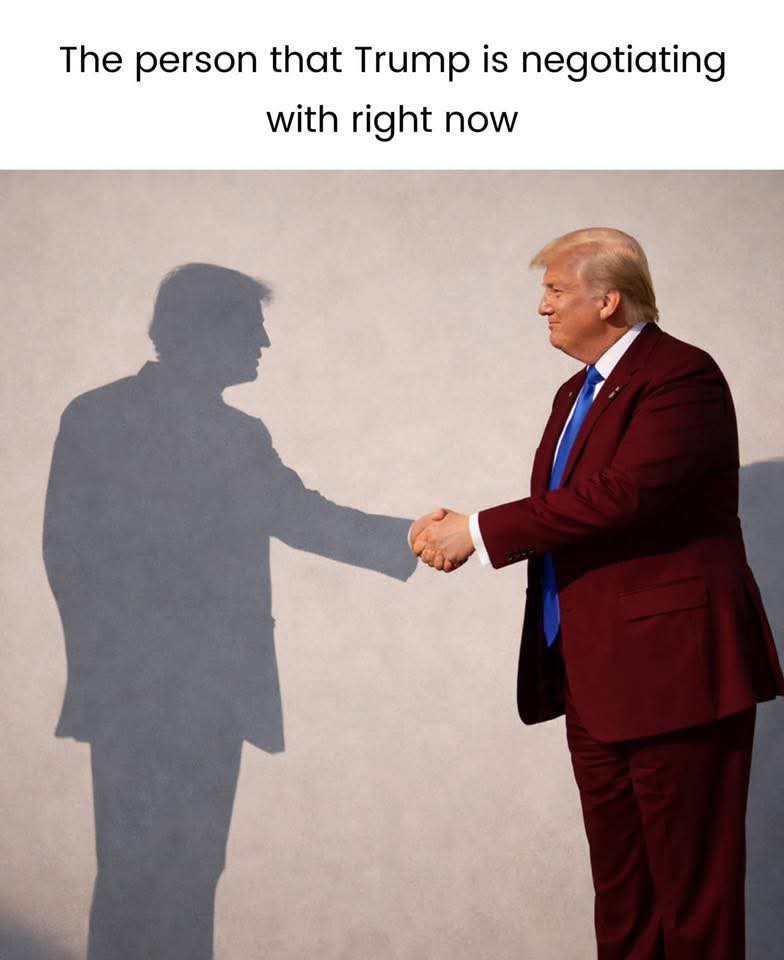
How political institutions shifted from public service to organised extraction and turned representation into controlled participation Gangster capitalism now describes the governing condition taking shape across much of the Western political order. Public institutions continue to speak the language of democracy, representation, and constitutional legitimacy, yet the practical operation of power increasingly serves concentrated wealth,… Continue reading
AI and Digital Control, America, economics, Energy, EUROPE, Financial markets, Foreign Policy, Geopolitics, Global Finance, Health, iran, israel, middle east, Mineral Resources, NATO, politics, reserve currency, Russia, Space, warausterity, authoritarianism, capitalism, class conflict, class struggle, Cold War legacy, concentrated wealth, corporate influence, deindustrialisation, democratic erosion, democratic illusion, economic inequality, elite rule, empire, energy politics, fascism, Financialisation, gangster capitalism, geopolitical analysis, Geopolitics, global hegemony, historical analysis, imperialism, institutional decline, labour decline, liberal democracy, managed democracy, media power, militarisation, military expansion, neoliberalism, oligarchy, political decay, political economy, political institutions, political legitimacy, political power, political theory, post-war order, propaganda, public consent, ruling class, social democracy, State power, Strategic Competition, structural inequality, transnational capital, warfare state, welfare state, Western decline
