
politics
-
Day 59 -Update on the Unprovoked War on Iran
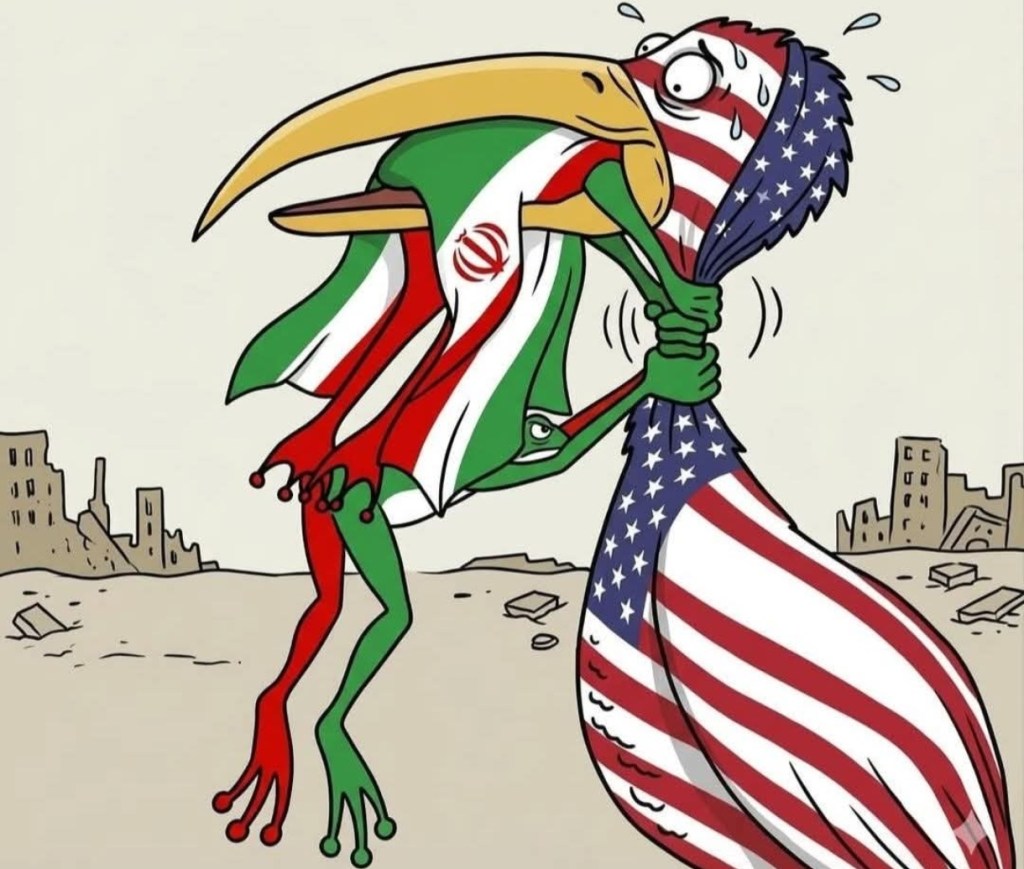
The war is transitioning from a short-term coercive campaign into a broader geopolitical standoff IRAN WAR – DAY 59: 1. Trump rejects Iran proposal – nuclear issue remains core obstacle President Donald Trump rejected Iran’s offer to reopen the Strait of Hormuz in exchange for sanctions relief while postponing nuclear talks. Trump’s position remains absolute:… Continue reading
AI and Digital Control, America, Energy, EUROPE, Financial markets, Foreign Policy, Geopolitics, Global Finance, iran, israel, middle east, Mineral Resources, NATO, politics, reserve currency, Russia, warenergy security shock, escalation to strategic stalemate, geopolitical escalation, great power competition, Iran War, long-term regional destabilisation, maritime security crisis, multi-theatre conflict, nuclear negotiations breakdown, proxy warfare, regional power struggle, sanctions and economic warfare, Strait of Hormuz disruption, transition from limited strikes to sustained confrontation, US–Iran–Israel tensions -
The Myth of American Democracy

How Democratic Language Masked Elite Rule Beneath Public Participation The men who gathered in Philadelphia during the summer of 1787 did not meet to create a democracy in the modern sense of the word. They met to design a stable political order that could protect property, prevent unrest, secure commerce, and maintain elite control after… Continue reading
AI and Digital Control, America, economics, Energy, EUROPE, Financial markets, Foreign Policy, Geopolitics, Global Finance, iran, israel, middle east, Mineral Resources, NATO, politics, warAmerican empire, American governance, American politics, campaign finance, class power, constitutional design, constitutional history, corporate influence, democracy, democratic illusion, democratic myth, economic inequality, elite networks, elite rule, geopolitical analysis, governance, historical analysis, historical power structures, imperialism, institutional continuity, institutional power, lobbying, media power, national identity, oligarchy, political economy, political history, political ideology, political institutions, political legitimacy, political power, political structure, political theory, power and influence, public consent, ruling class, social hierarchy, State power, statecraft, wealth concentration -
The End of Orbán, Not Orbánism
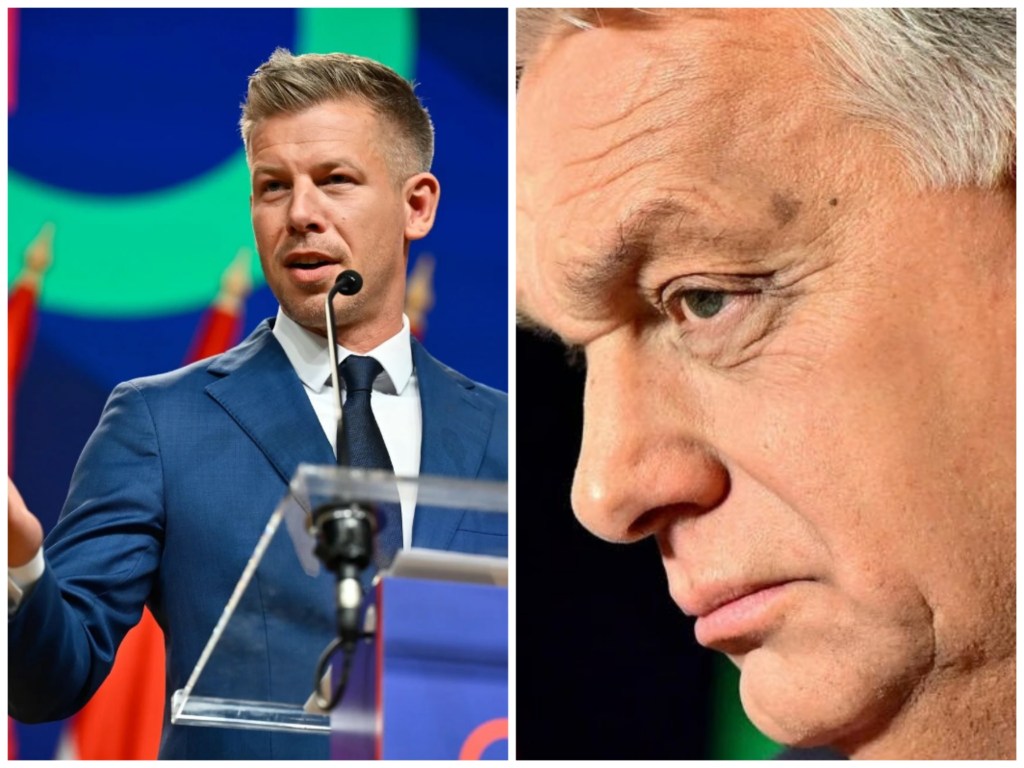
Magyar maintains sovereignty policy while altering Hungary’s position inside EU bargaining as Energy dependence and EU leverage define Hungary’s policy regardless of leadership change Hungary’s recent election removed Viktor Orbán from office after more than a decade of centralised rule, replacing him with Péter Magyar following a vote that delivered roughly 54 per cent to… Continue reading
AI and Digital Control, America, economics, Energy, EUROPE, Financial markets, Foreign Policy, Geopolitics, iran, israel, middle east, Mineral Resources, NATO, politics, reserve currency, Russia, technology, warCentral Europe, defence production, donald trump, elections, energy policy, EU funding, European fragmentation, European Union, Game Theory, Geopolitics, hungary, international relations, JD Vance, migration policy, NATO, Péter Magyar, political economy, Russia, sanctions, Sovereignty, Ukraine war, Viktor Orban, vladimir putin -
Next Stop: Strait of Malacca
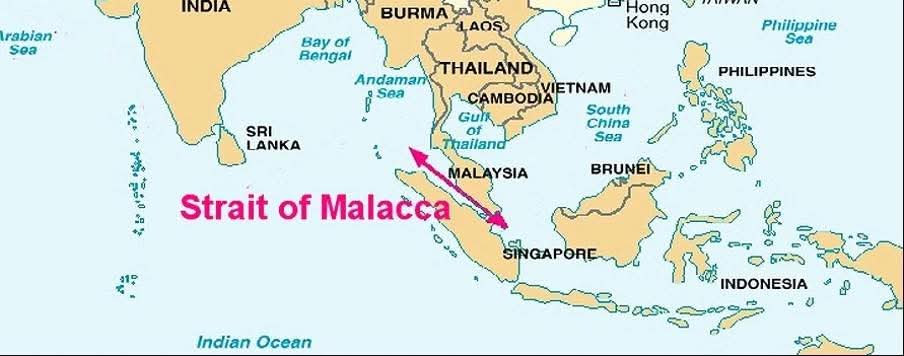
From Hormuz blockade logic and the extension of maritime leverage into East Asian energy supply chains American naval forces have expanded interdiction operations beyond the Persian Gulf into the wider Indian Ocean along established commercial shipping routes. Recent seizures of tankers including the Tifani and Majestic X occurred in waters between Sri Lanka and Indonesia… Continue reading
-
DeepSeek and the End of American AI Cost Dominance

How DeepSeek exposed the economic weakness inside high-cost American artificial intelligence systems DeepSeek released a lower-cost artificial intelligence model that approaches the performance range of leading American systems while operating at a fraction of the reported price. Reported token pricing places DeepSeek near $3.48 per million output tokens, while comparable frontier systems from OpenAI and… Continue reading
AI and Digital Control, America, China, economics, Energy, Financial markets, Foreign Policy, Geopolitics, iran, israel, middle east, Mineral Resources, NATO, politics, reserve currency, Russia, satellites, technology, warAI deployment, AI economics, AI infrastructure, AI market disruption, American technology sector, artificial intelligence, asymmetric competition, China, Chinese industrial strategy, Chinese technology, chip restrictions, computational economics, compute efficiency, cost advantage, cost warfare, DeepSeek, export controls, frontier models, geopolitical technology, hardware sanctions, Huawei, Huawei chips, industrial competition, industrial policy, OpenAI, semiconductor competition, Silicon Valley, strategic technology, technology rivalry, technology sovereignty -
Maritime Pressure and the Denial of Stable Energy Corridors to China
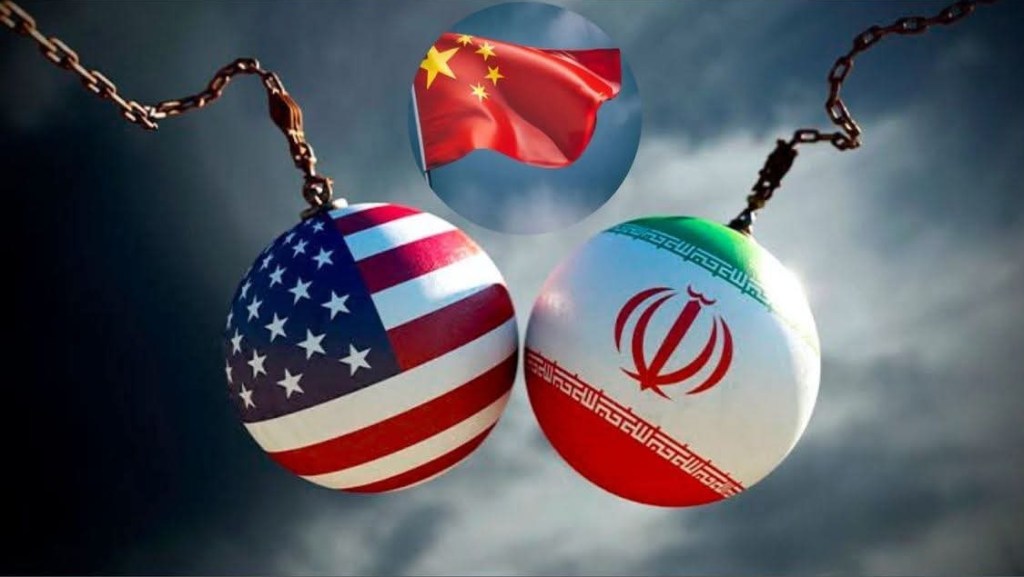
How ceasefire narratives mask the progressive tightening of global energy supply lines into China Energy flows into China are contracting across several supply corridors at the same historical moment, and that contraction marks a structural shift in the organisation of global power. The reduction does not stem from ordinary market volatility, cyclical pricing, or temporary… Continue reading
AI and Digital Control, America, China, economics, Energy, EUROPE, Financial markets, Foreign Policy, Geopolitics, Global Finance, iran, israel, middle east, Mineral Resources, NATO, politics, reserve currency, Russia, warBelt and Road Initiative, blockade strategy, China energy security, energy geopolitics, geopolitical economy, global trade disruption, Iran Sanctions, maritime chokepoints, Middle East conflict, multipolar world order, Russia energy exports, strategic infrastructure, supply chain coercion, US-China rivalry, Venezuela sanctions -
Kushner’s Foreign Deals and Policy Role Face Congressional Scrutiny
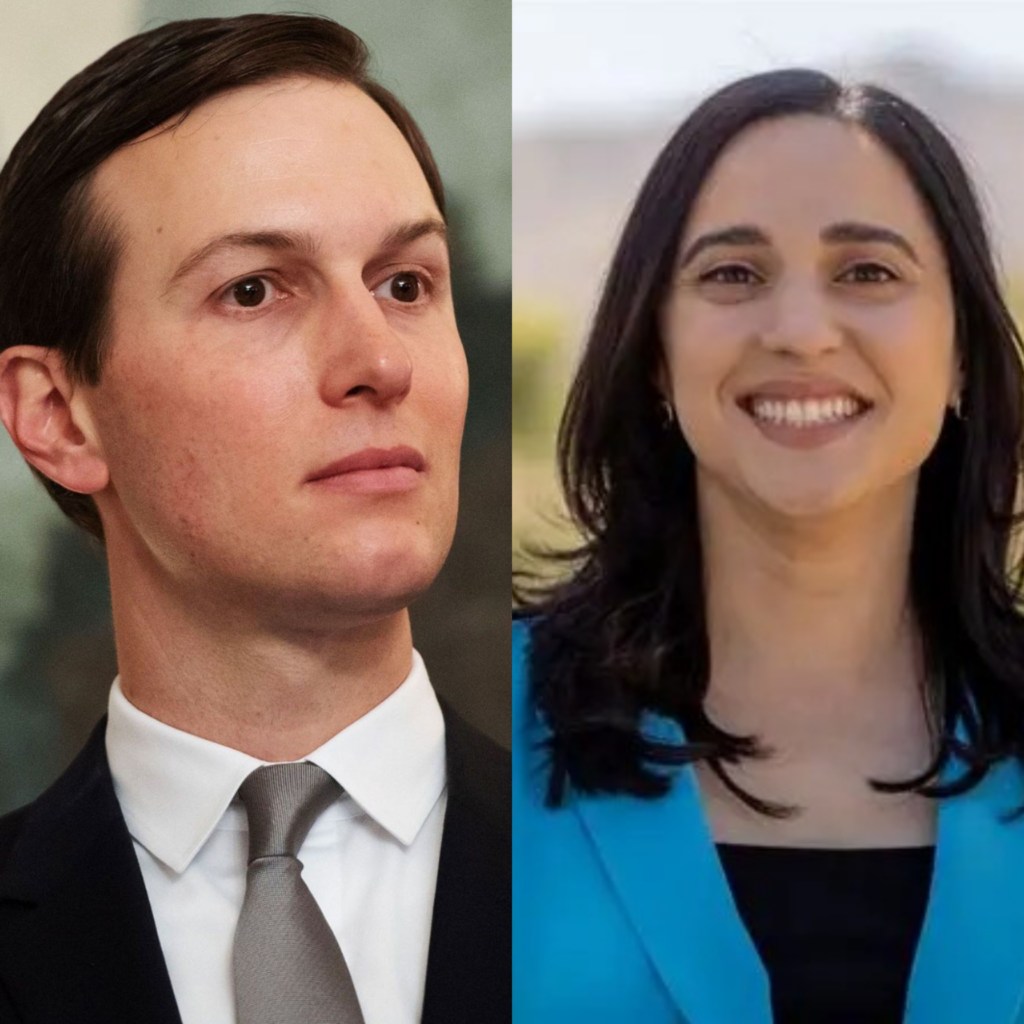
Officials cite national security and ethics concerns tied to investment activity and international negotiations U.S. Representative Yassamin Ansari says she plans to investigate Jared Kushner over concerns about conflicts between U.S. foreign policy activity and private financial interests. Kushner is the son-in-law of Donald Trump, a relationship that placed him in a senior advisory role… Continue reading
AI and Digital Control, America, China, economics, Energy, EUROPE, Financial markets, Foreign Policy, Geopolitics, Global Finance, iran, israel, middle east, Mineral Resources, NATO, politics, reserve currency, Russia, technology, warBenjamin Netanyahu, Conflict of interest, congressional investigation, defense contracting, donald trump, Elbit Systems, Epstein case, ethics, Foreign Policy, government oversight, iran, Jamie Raskin, Jared Kushner, lobbying, Lockheed Martin, Middle East geopolitics, Mohammed bin Salman, national security, Northrop Grumman, political accountability, regulatory capture, RTX Corporation, Russia, sovereign wealth funds, US politics, Yassamin Ansari -
Oil Infrastructure Warfare, Energy Attrition, And The Struggle For Global Primacy
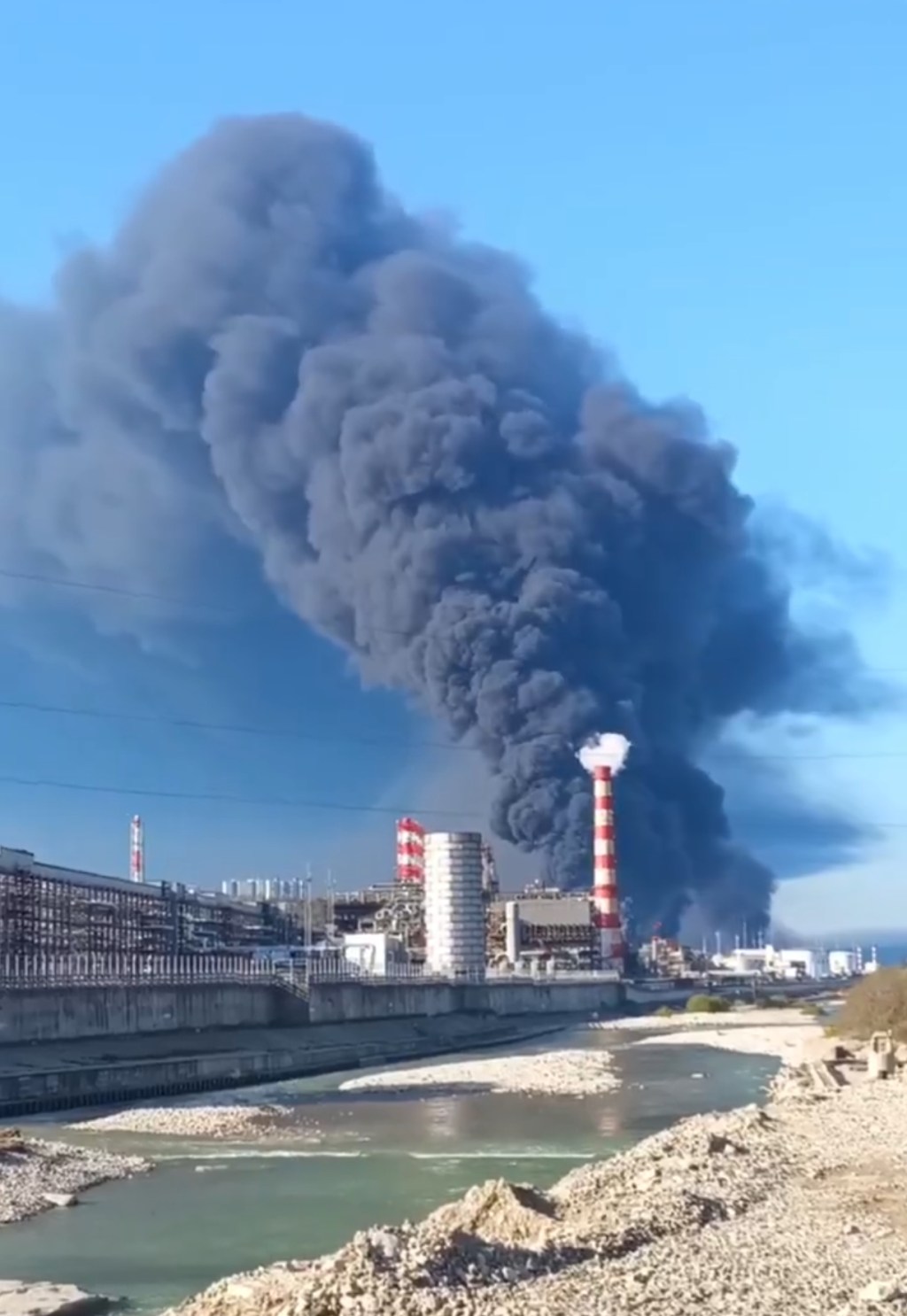
Energy Systems as Strategic Targets in the Transition from Unipolar Control to Multipolar Contestation The core claim of this article is that the current ruling transnational oligarchy and supranational interests seek to maintain their grip over primacy and hegemony, preventing the fragmentation of the unipolar rules-based order into multipolarity led by emerging blocs. Control of… Continue reading
AI and Digital Control, America, China, economics, Energy, EUROPE, Financial markets, Foreign Policy, Geopolitics, iran, israel, middle east, Mineral Resources, NATO, politics, reserve currency, Russia, satellites, warcritical infrastructure, Drone Warfare, economic warfare., energy attrition, energy security, financial systems, Geopolitics, global primacy, global trade, industrial warfare, Iran energy infrastructure, maritime chokepoints, Middle East conflict, multipolarity, oil infrastructure warfare, petrodollar, refineries, Russia Ukraine War, sanctions, Strategic Competition, supply chains, unipolar order -
Satellite-Enabled Strikes Are Redefining Sovereignty and Global Power
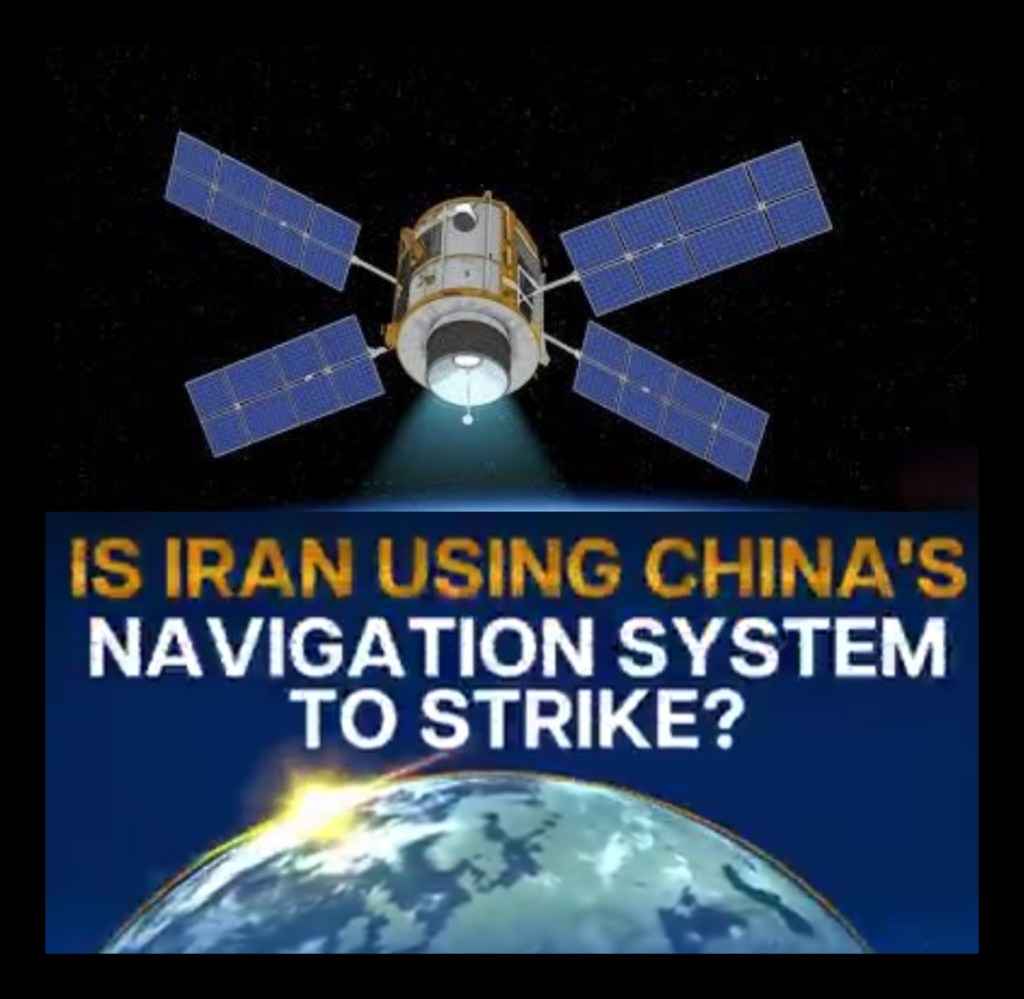
Iran, China, and Russia Turn Satellites Into Strategic Weapons of Retaliation Redrawing the Rules of Global Power In the skies above the Middle East, the rules of war are changing, not through missiles or tanks, but through advanced observational systems orbiting the Earth. For decades, American military dominance relied on unrivaled intelligence and orbital surveillance,… Continue reading
AI and Digital Control, America, China, economics, Energy, EUROPE, Financial markets, Foreign Policy, Geopolitics, Global Finance, Health, iran, israel, NATO, politics, Russia, satellites, warasymmetric warfare, C4ISR, China defense, commercial satellites, geopolitical transformation, global power shift, information warfare, Iran military, Iran-China-Russia axis, Middle East conflict, military technology, multipolarity, orbital intelligence, precision strikes, Russia strategy, satellite warfare, space militarization, strategic deterrence, technological sovereignty, US military dominance -
When Terms Are Rejected and Wars Cannot Be Won
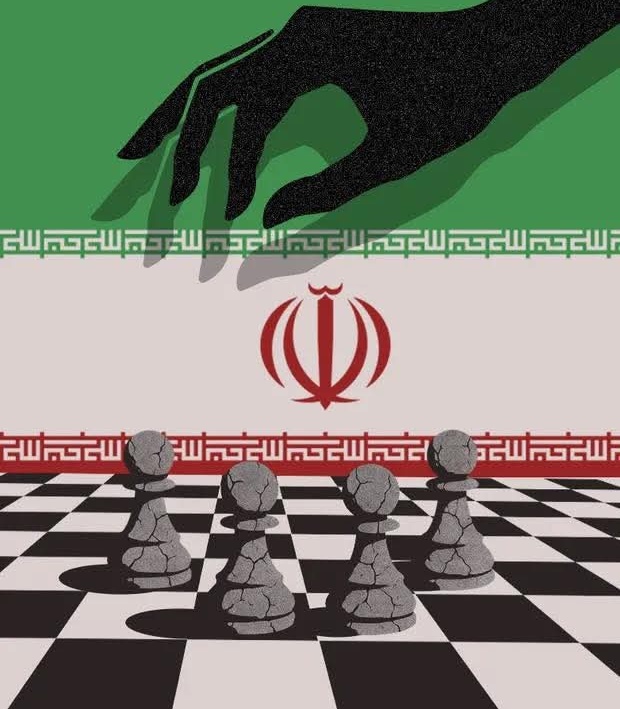
Why Iran Will Not Bargain, Ukraine Cannot Prevail and Brazil’s Rupture with the System A decisive structural rupture now governs the international system, where coercive diplomacy has lost credibility and military-economic escalation has become the primary language of state interaction. Iran’s refusal to attend ceasefire talks does not represent obstinacy but rather a rational rejection… Continue reading
AI and Digital Control, America, Financial markets, Foreign Policy, Geopolitics, Global Finance, iran, israel, middle east, Mineral Resources, NATO, politics, reserve currency, Russia, warattrition warfare, bab el mandeb, Brazil foreign policy, deterrence, energy security, Game Theory, Geopolitics, global energy markets, global governance crisis, global trade disruption, hezbollah, information warfare, international relations theory, Iran US relations, Israel Lebanon conflict, Lula da Silva, maritime chokepoints, Middle East conflict, military industrial complex, multipolar world order, political economy, proxy wars, sanctions economy, Strait of Hormuz, Strategic Competition, Ukraine-Russia war, UN Security Council, Western foreign policy
