
deterrence theory
-
Convergence in the Persian Gulf
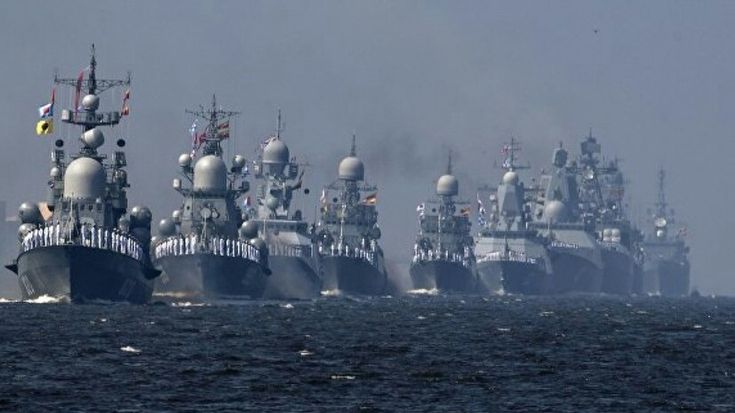
Convergence among Iran, China, and Russia in the Strait of Hormuz alters American risk calculations, though it does not remove the structural capacity of the United States to initiate military action. American primacy in the Strait of Hormuz rests upon a maritime doctrine shaped by Alfred Thayer Mahan’s classic argument that control of sea lanes… Continue reading
AI and Digital Control, China, economics, Energy, EUROPE, Financial markets, Foreign Policy, Geopolitics, Global Finance, israel, middle east, Mineral Resources, NATO, politics, Russia, warasymmetric warfare, BRICS, China, deterrence theory, energy security, Eurasian integration, Fifth Fleet, financial warfare, great power competition, Gulf geopolitics, iran, Maritime Security Belt, multipolarity, naval strategy, Persian Gulf, Russia, sanctions, sea power, Strait of Hormuz, United States Navy -
On the Cusp of Trump’s Regime Change and the Persian Gamble
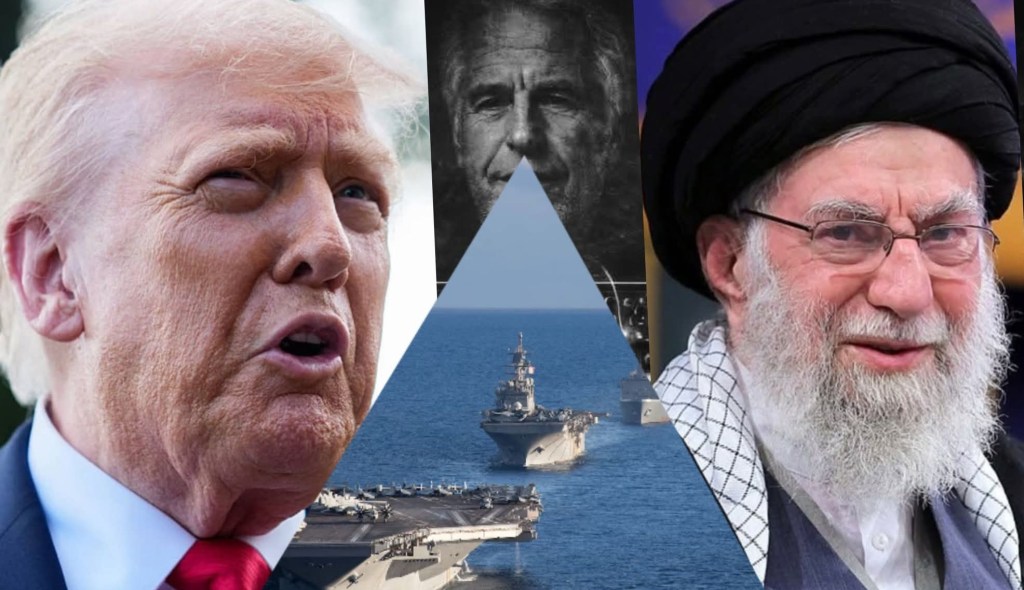
The military build-up against Iran and the doctrines, alliances, and risks shaping a possible full-scale conflict Television reports from Channel 12 state that President Donald Trump stands on the verge of approving a large scale, week long military campaign against Iran that would be perceived internationally as full war rather than limited reprisal. Sources briefed… Continue reading
AI and Digital Control, America, East Africa, economics, Energy, EUROPE, Financial markets, Foreign Policy, Geopolitics, israel, middle east, NATO, politics, reserve currency, Russia, warair defence systems, carrier strike groups, chaos theory and war, coercive diplomacy, deterrence theory, Eurasian trade corridors, game theory in international relations, imperial overstretch, Israel–Iran conflict, madman theory, Middle East geopolitics, missile proliferation, multipolar world order, nuclear negotiations, Persian Gulf security, proxy warfare, regime change doctrine, shock and awe, Strait of Hormuz, US–Iran relations -
Negotiations or Non-Negotiations? Seven Visits, Zero Resolution

Netanyahu’s Washington Visits, Maximalist Demands, Domestic Vulnerabilities, Strategic Deadlock, and the Risk of Miscalculation on Iran Benjamin Netanyahu’s seventh visit to the White House within a twelve-month period takes place amid a dense convergence of military escalation, financial instability, and domestic political exposure within both the United States and Israel. Netanyahu arrives in Washington on… Continue reading
AI and Digital Control, America, Financial markets, Foreign Policy, Geopolitics, Global Finance, israel, Mineral Resources, NATO, politics, Russia, waralliance management, ballistic missiles, brinkmanship, deterrence theory, domestic political pressure, epstein files, financial instability, Foreign Policy, Game Theory, institutional trust, international security, Iran nuclear negotiations, maximalist demands, Middle East diplomacy, military escalation, Netanyahu, nuclear proliferation, proxy conflicts, strategic deadlock, US Israel relations, White House
