
economics
-
The United States as the Principal Adversary of its Own Currency
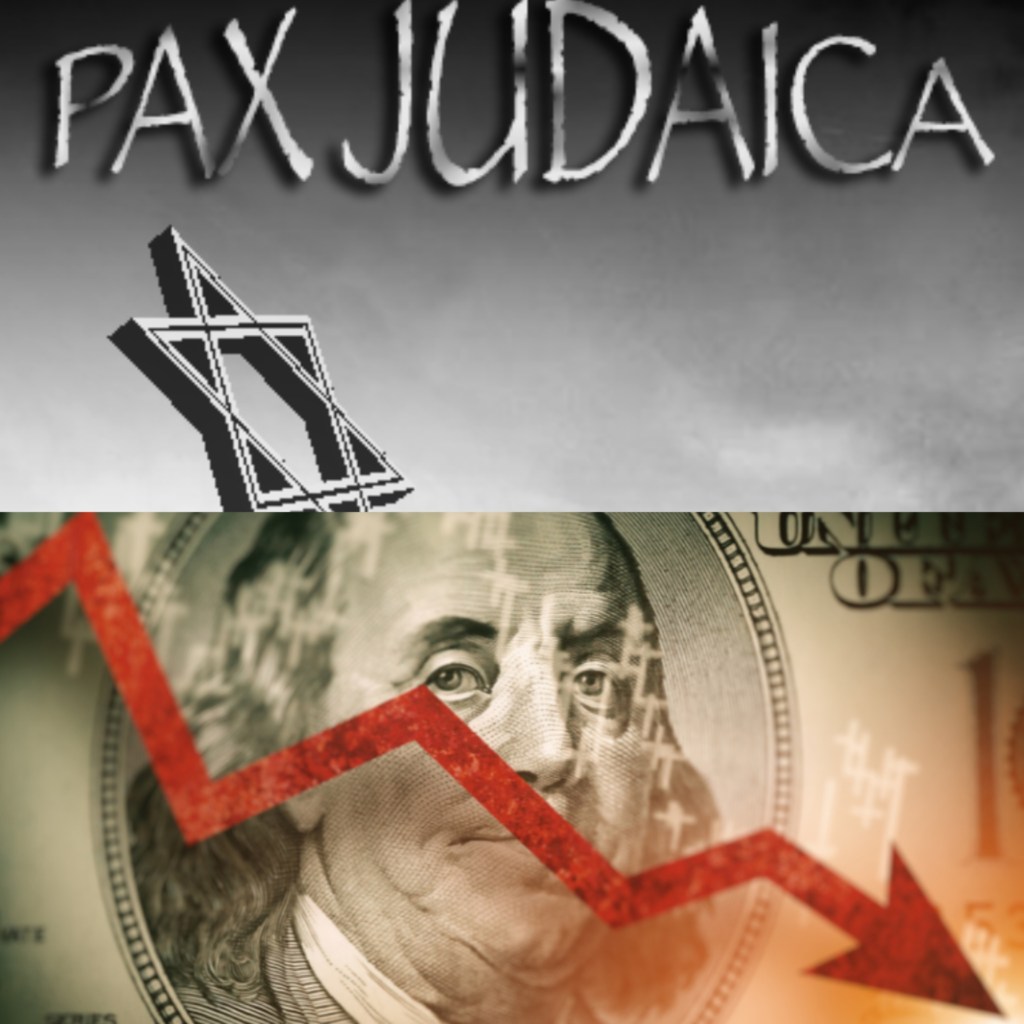
The political economy consequences of turning financial infrastructure into weapons hence de-risking from America is a rational response to concentrated monetary power The United States dollar emerged as the core instrument of global trade and finance after 1945, supported by American industrial dominance, military reach, and the Bretton Woods framework. That position rested on confidence… Continue reading
-
Greenland Annexation Is No Longer Unthinkable

Amid a renewed U.S. legislative push and rising diplomatic and NATO tensions over Greenland’s future A bill seeking to authorise the annexation of Greenland has been introduced in the U.S. House of Representatives, escalating a contentious campaign by President Donald Trump to bring the Arctic island under American control despite strong opposition from Denmark, Greenlandic… Continue reading
-
Keir Starmer and Digital Identity: Retreat or Recalibration

Why administrative infrastructure matters more than political languageHow digital identity advances through institutions rather than legislation Public resistance forced Prime Minister Keir Starmer to announce that digital identification would no longer be mandatory for right to work checks. The announcement was framed as a clear reversal following criticism from civil liberties groups, small businesses, and… Continue reading
-
Reform’s Vaccine Fraud Now on Full Display: They Are Owned By Same Sadists
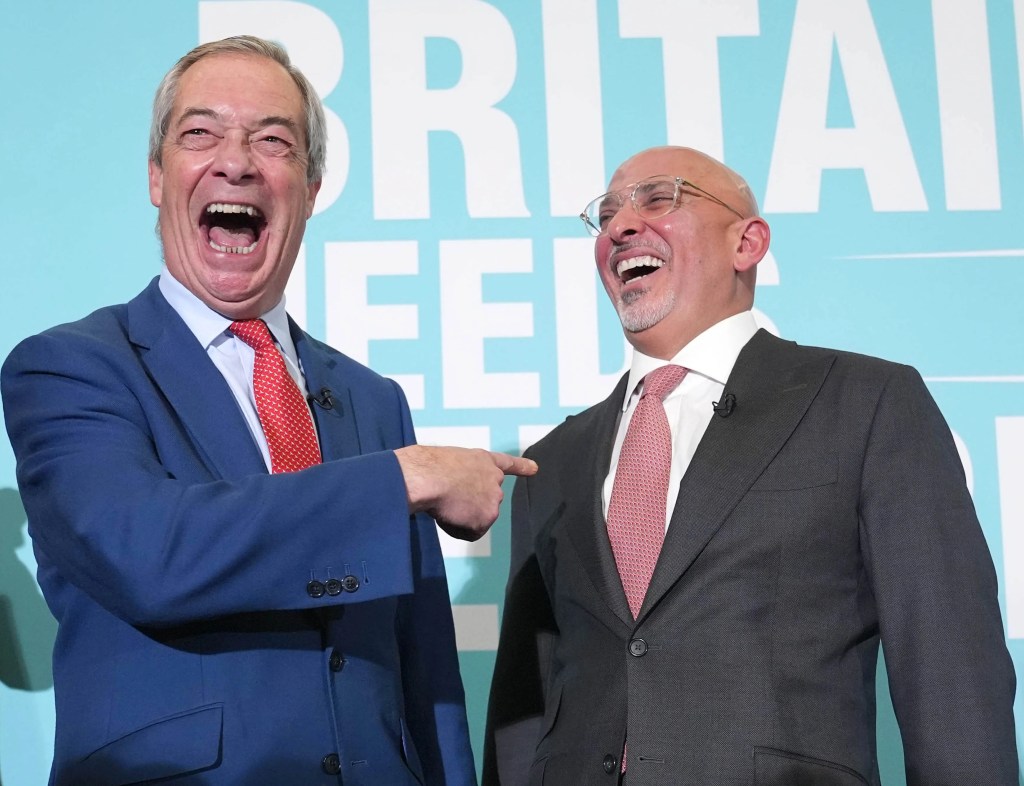
Reform UK is not a clean break from the system, it is the system jusf rebranded What just happened with Nadhim Zahawi exposed something deeply concerning within Reform UK, and it offers a glimpse into the larger global dynamics at play in the ongoing vaccine debate. A journalist asked about the mRNA vaccine rollout, and… Continue reading
Aaron Siri, authoritarian health policy, Covid vaccine rollout, establishment medicine, freedom movement, global vaccine debate, health policy, medical accountability, medical freedom, mRNA vaccines, Nadhim Zahawi, pharmaceutical industry, political deception, political rebranding, public health, reform movements, Reform UK, RFK Jr., UK politics, vaccine critics, vaccine mandates, vaccine passports, vaccine resistance, vaccine scepticism -
Iran Holds: What Follows the Collapse of the Street Strategy
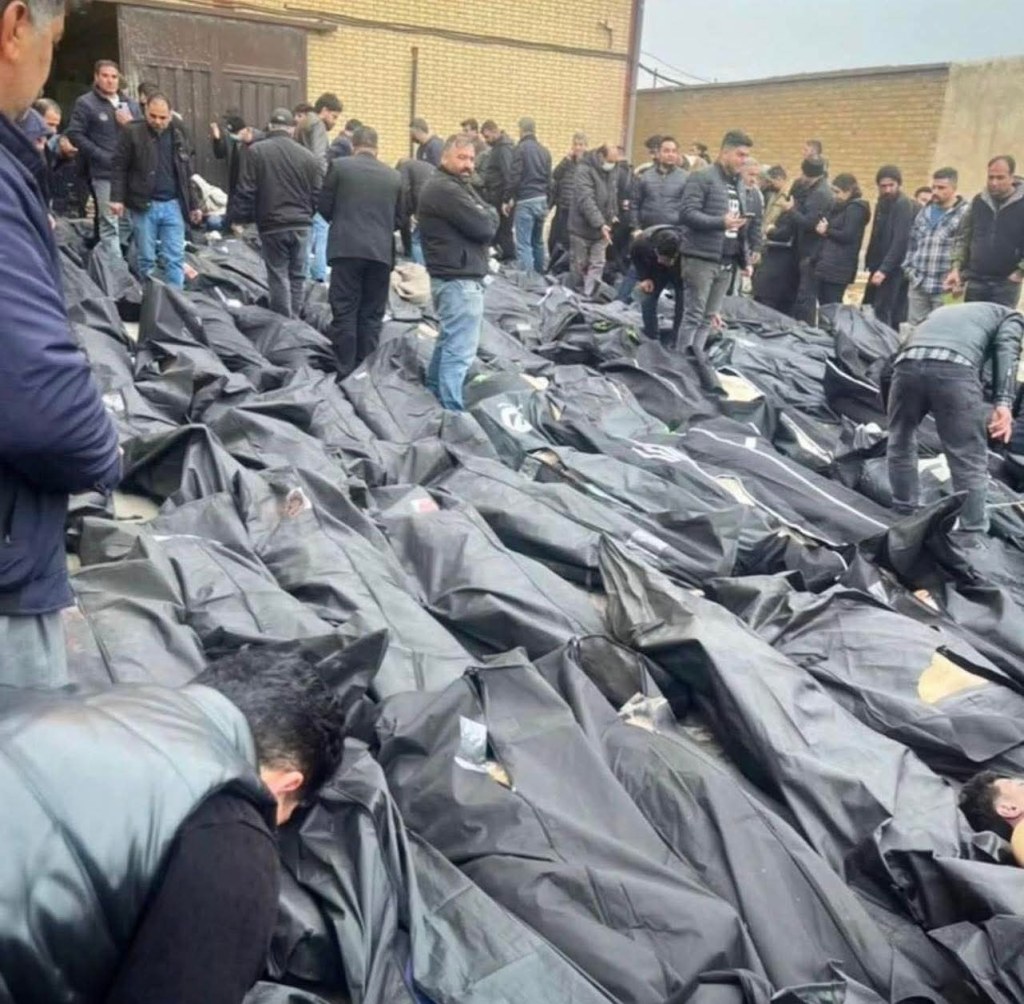
How economic warfare, intelligence operations, and deterrence shift after regime survival As the violence subsided and funerals replaced street clashes, casualty data began to undermine the dominant external narrative surrounding the unrest. Official death tallies released by Iranian authorities showed that a clear majority of those killed were neither demonstrators nor participants in protest activity.… Continue reading
-
The Limits of Regime Change in a Hardened State
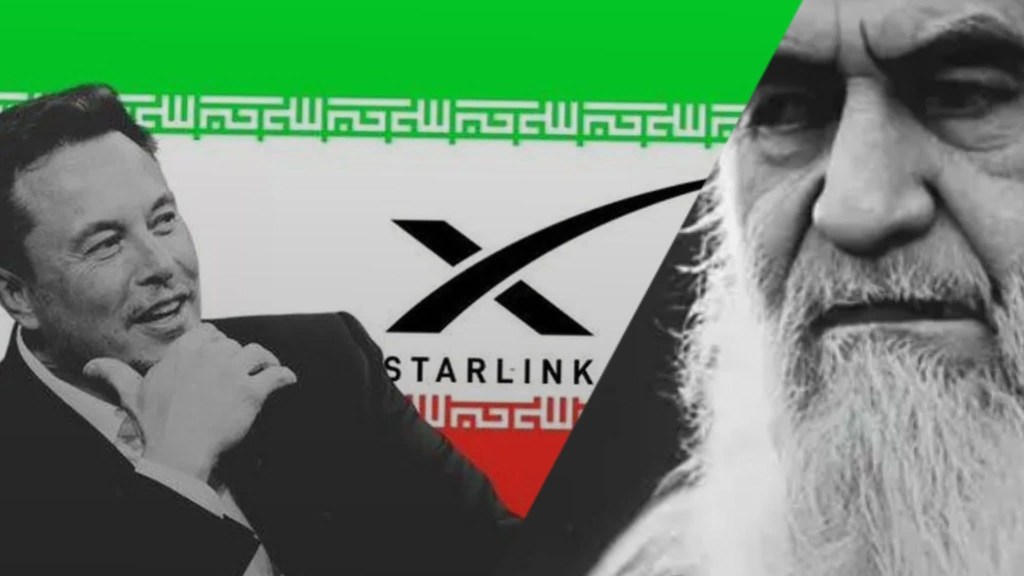
Manufactured internal dissent, external pressure, and the endurance of a layered Iranian political order The demand for regime change in Iran has become a litmus test for political coherence in the present international order. Advocacy for the overthrow of the Iranian state, when detached from the material balance of power that governs outcomes, functions as… Continue reading
-
Domestic Turmoil and Foreign Brinkmanship Push the U.S. Toward a Critical Crossroads

As nationwide protests challenge federal authority, rising pressure on Iran and looming military options raise fears of dangerous miscalculation at home and abroad. The crisis now unfolding is no longer confined to a single country or a single issue. It is developing simultaneously inside the United States and across the Middle East, with each front… Continue reading
-
Russian General Rejects U.S. Narrative on Venezuela Crisis, Labels Maduro’s Betrayal as Internal, Not External

Apti Alaudinov challenges claims of U.S. intervention, blames Venezuela’s leadership for Maduro’s capture, and critiques Russian air defense systems’ effectiveness without loyal forces. Russian Lieutenant General Apti Alaudinov, a prominent commander in the Akhmat forces, recently weighed in on the situation in Venezuela, offering a sharp rebuttal to the U.S. narrative surrounding the capture of… Continue reading
-
Iran Accuses U.S. and Israel of Stoking Unrest by Supporting Foreign Terrorists

As deadly protests continue over economic woes, Iranian officials blame external forces for fueling violence, while President Trump signals potential intervention. Iranian President Masoud Pezeshkian has accused the U.S. and Israel of actively stoking unrest within the country by supporting “foreign terrorists” embedded among protesters. In a televised interview, Pezeshkian claimed that the violent unrest,… Continue reading
-
Power Without Restraint in Defence of Dollar Primacy
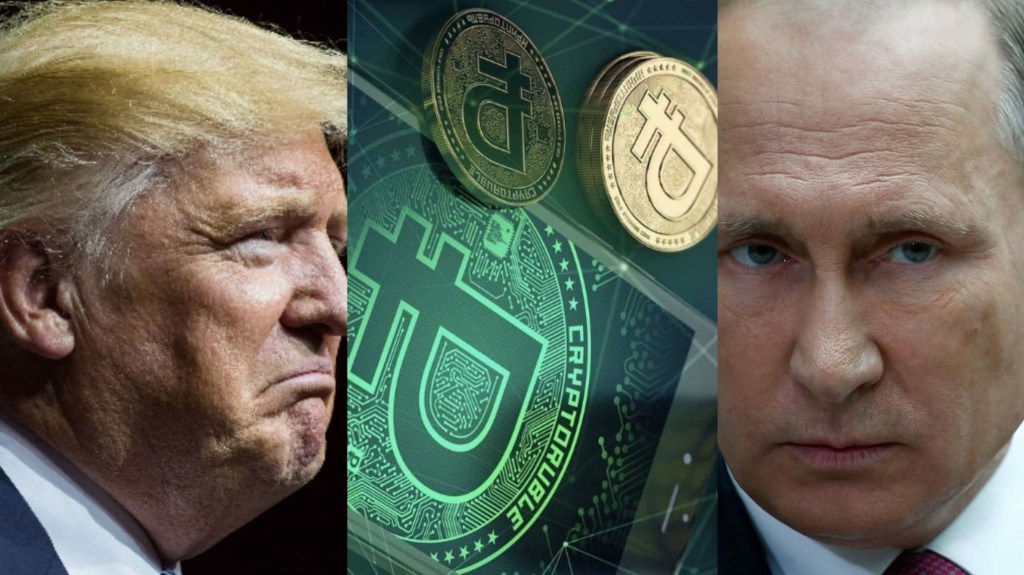
Resource control, dollar primacy, and the costs of discarding realism The recent pattern of United States behaviour towards Venezuela, Cuba, Colombia, Iran, and even Greenland reflects a continuity in coercive statecraft rooted in resource control, financial dominance, and regime pressure rather than isolated rhetorical excess. The kidnapping of Venezuelan President Nicolás Maduro, described in United… Continue reading
