
petrodollar
-
Iran Emerges as a Global Power

How Tehran Forced a Trans-national Owned Superpower To Retreat and Reshaped the Global Economy The war ended, fingers crossed, at the point where the United States accepted conditions it had rejected for four decades, and that moment marked a structural break rather than a negotiated settlement. Washington agreed to terms that reversed its established position… Continue reading
AI and Digital Control, America, China, economics, Energy, EUROPE, Financial markets, Foreign Policy, Geopolitics, Global Finance, iran, israel, Latin America, middle east, Mineral Resources, NATO, politics, reserve currency, warcurrency diversification, economic warfare., energy markets, escalation doctrine, financial systems, Game Theory, Geopolitics, global economy, global power shift, international relations, iran, maritime control, Middle East conflict, military strategy, multipolar world, petrodollar, sanctions, Strait of Hormuz, strategic doctrine, United States foreign policy -
A System That Charges Gulf States for Protection
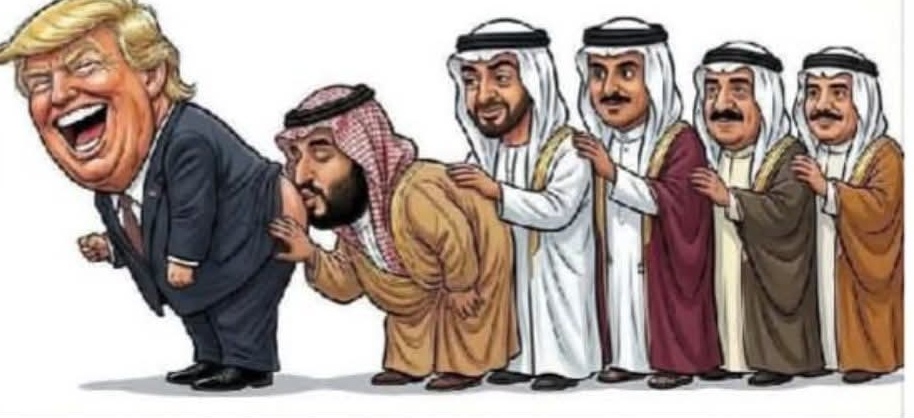
How Gulf states bankroll U.S. military presence while buying weapons and defending the petrodollar (Disclaimer: I did not create the headline cartoon image) The Gulf states are charged for the “myth” of protection. They didn’t start the Iranian war nor were they even consulted. They just woke up to the news of the double tap… Continue reading
AI and Digital Control, China, economics, Energy, EUROPE, Financial markets, Foreign Policy, Geopolitics, Global Finance, iran, israel, middle east, NATO, politics, reserve currency, wararms sales, defense spending, economic dependence, financial systems, Gulf States, imperialism, Iran conflict, Middle East geopolitics, military dependence, Mohammed bin Salman, oil markets, petrodollar, Saudi Arabia, sovereign wealth funds, Trump administration, U.S. bases, U.S. foreign policy, U.S. superpower, Washington influence -
Gulf States Draw Line on War with Iran

Gulf governments resist integration while exploring alternative security architecture Gulf states are declining participation in any military structure that places them alongside Israel or under a unified command that includes Israeli forces. Abdulaziz Sager, founder of the Gulf Research Center, attributes this position to both political constraints and strategic calculation across the region. Several governments… Continue reading
-
The Strait of Hormuz Is Open by Permission
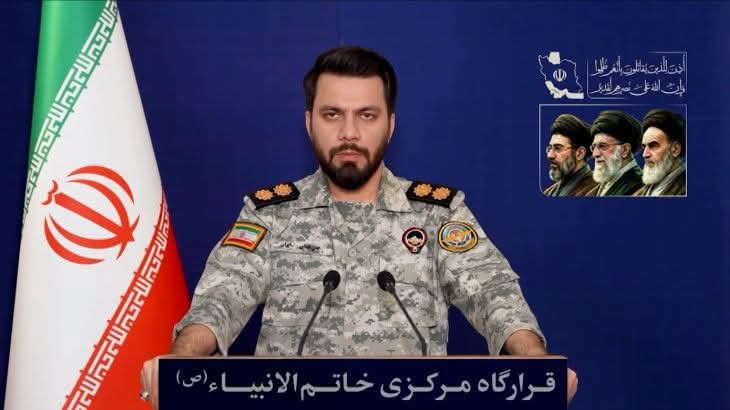
Iran imposes controlled transit after sustained aggression, converting open passage into a regulated system of access, payment, and geopolitical alignment A functioning maritime corridor has been converted into a controlled economic gate without formal closure, altering both the legal character and financial mechanics of the most critical energy chokepoint in the global system. Shipping through… Continue reading
-
The Iran War and the Fragmentation of the Global Energy and Petrodollar Order
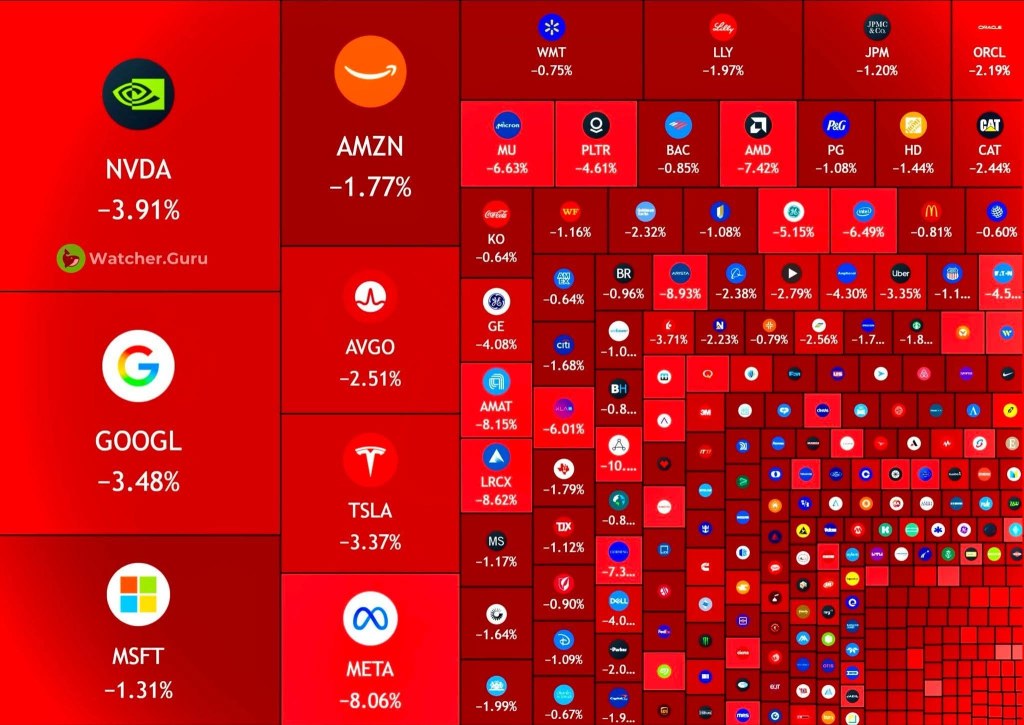
The drive to monopolise global energy, deny rivals access, and reinforce the dominance of the U.S.-led core is accelerating geopolitical realignment reshaping of global power. The war centred on Iran has entered an economic phase that now drives outcomes more decisively than battlefield engagements. The featured image is March 26, 2026, when the stock market… Continue reading
-
Maduro Removal In Defence of the Petrodollar System and Energy Dominance
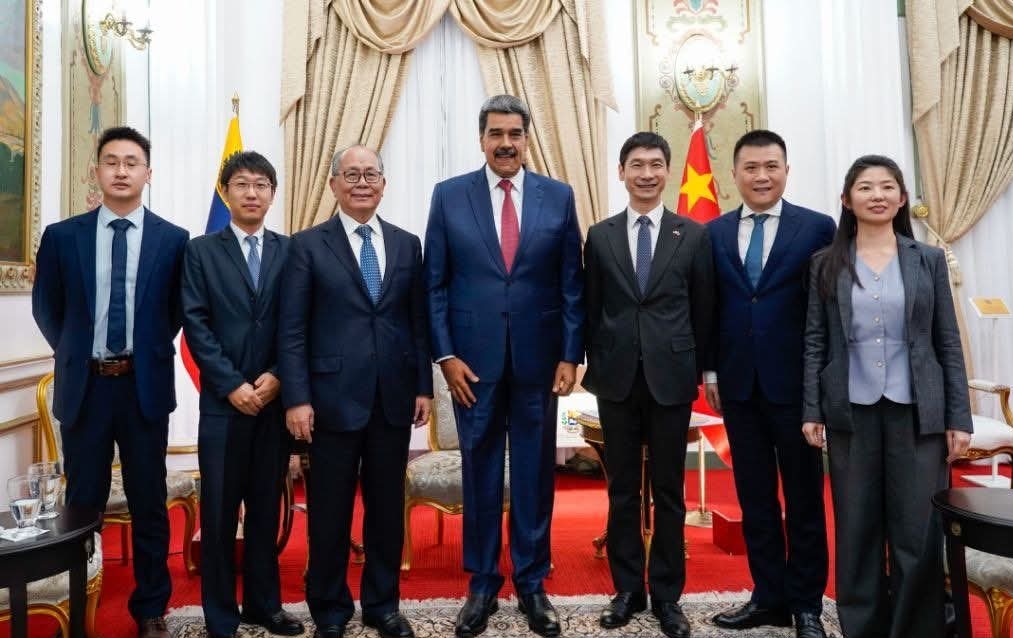
How energy control sustains petrodollar power against multipolar challengers, China, Russia, BRICS expansion, and alternative payment systems The removal of Venezuela’s head of state formed part of a broader contest over the architecture of global payments, energy settlement, and monetary hierarchy. The operation did not arise from humanitarian urgency, democratic reform, or governance failure. Strategic… Continue reading
