
petrodollar
-
The Hunters Became the Hunted
How Iran flipped the war on its attackers and turned oil into a weapon aimed at the American economy Editorial Analysis | October 2026 The Taylor Rule, developed by Stanford economist John Taylor in 1993, was designed to guide central banks in setting interest rates in response to inflation and economic output, and it assumes… Continue reading
-
Iran Wrote a Letter to the American People. Here’s What It Says.
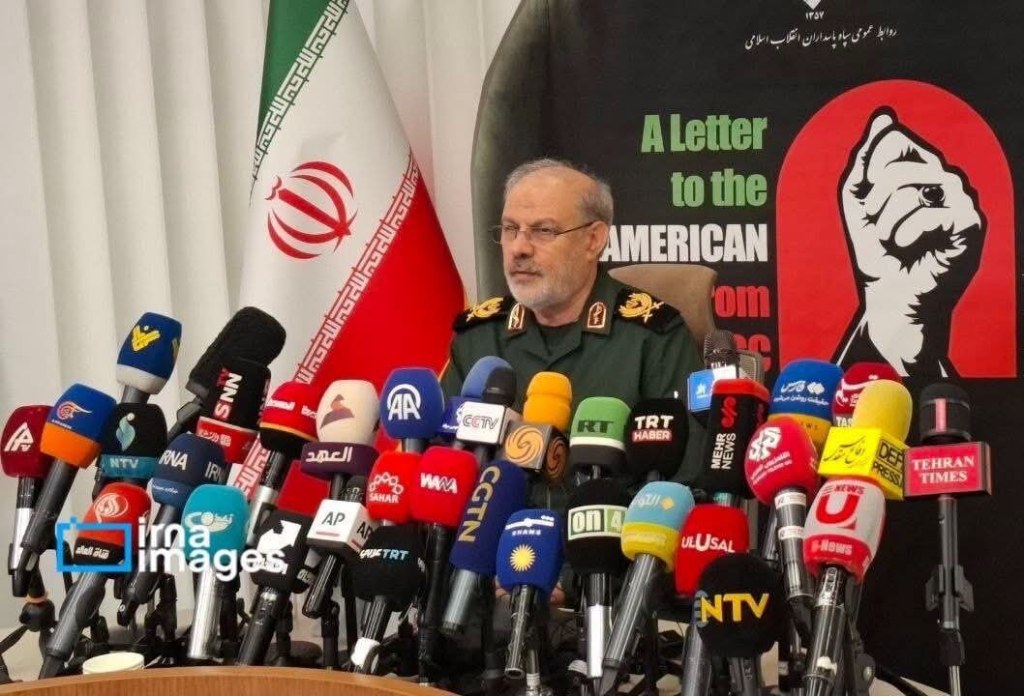
How Iran is trying to build a constituency for peace inside the United States and why its claims about war, poverty, and presidential wealth deserve to be read Editorial Analysis |September 2026 The decision by Brigadier General Mohebbi of the Iranian Revolutionary Guard to address the American people directly rather than communicating through diplomatic channels… Continue reading
-
The Terminal Contradictions of American Empire
How the structural vulnerabilities of dollar hegemony, the shadow banking system, and geopolitical overextension are converging to produce an irreversible crisis of the capitalist order Editorial Analysis | September 2026 The American empire is not merely experiencing a cyclical downturn but is entering a terminal phase of structural decline in which the contradictions that have… Continue reading
-
The Masterstroke – Iran’s President Went Straight to the Empire’s Scriptwriters
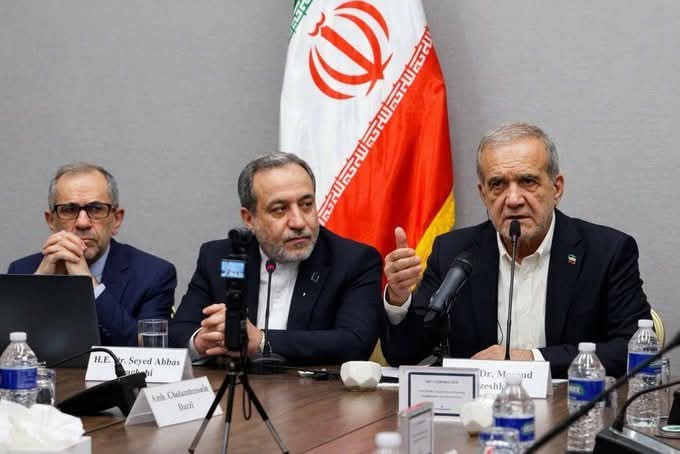
Why meeting the think tanks that predicted Iran’s collapse is an act of intellectual warfare that targets the narrative machinery of American primacy General Article | September 2026 The encounter between Pezeshkian and the think tanks constitutes intellectual warfare rather than conventional diplomacy because it targets the institutions that write the briefing papers, draft the… Continue reading
-
The Energy Wars and the Coming Crisis of Western Capitalism
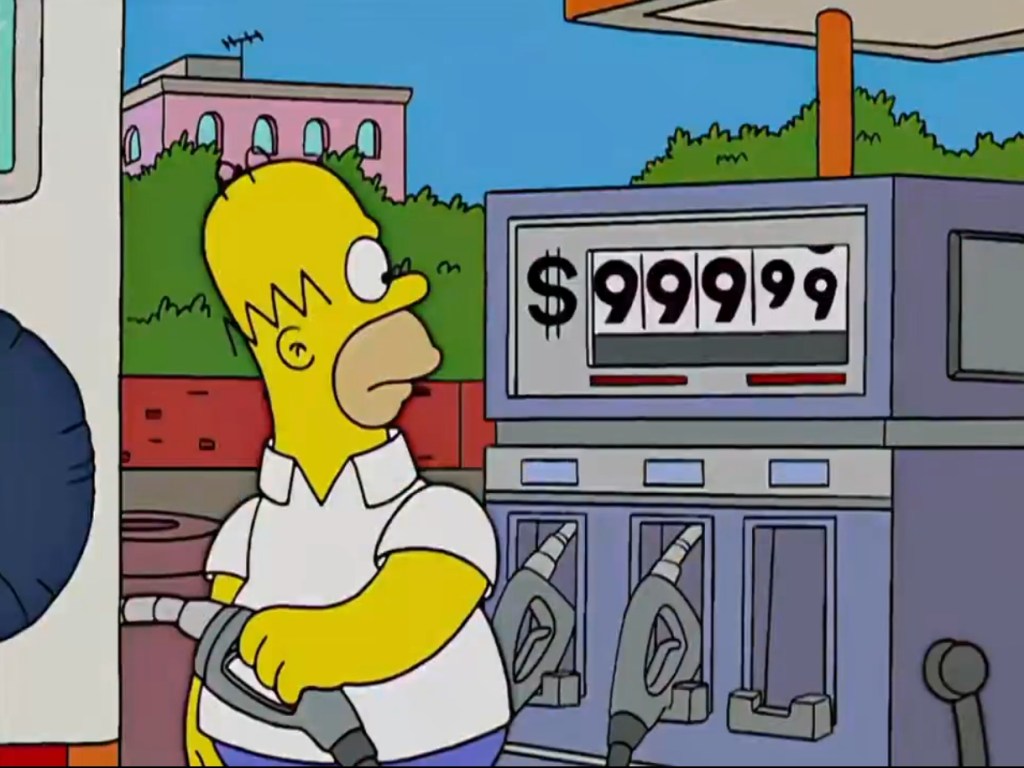
How the struggle for control over global oil resources is driving imperial conflict and threatening systemic financial collapse Editorial Analysis | September 2026 The wars in the Middle East and Ukraine are not conflicts between nations over territory or ideology but battles in a broader struggle for control over the global energy system and the… Continue reading
-
The Price of a Closed Strait
Material interests, naval power and the political economy of energy transit through the Strait of Hormuz under conditions of prolonged disruption Editorial Analysis | August 2026 Geographic concentration of exportable hydrocarbons in the Persian Gulf has repeatedly drawn major powers into contests over the narrow waterway that connects those fields to oceanic shipping lanes. Approximately… Continue reading
-
Nowhere To Run
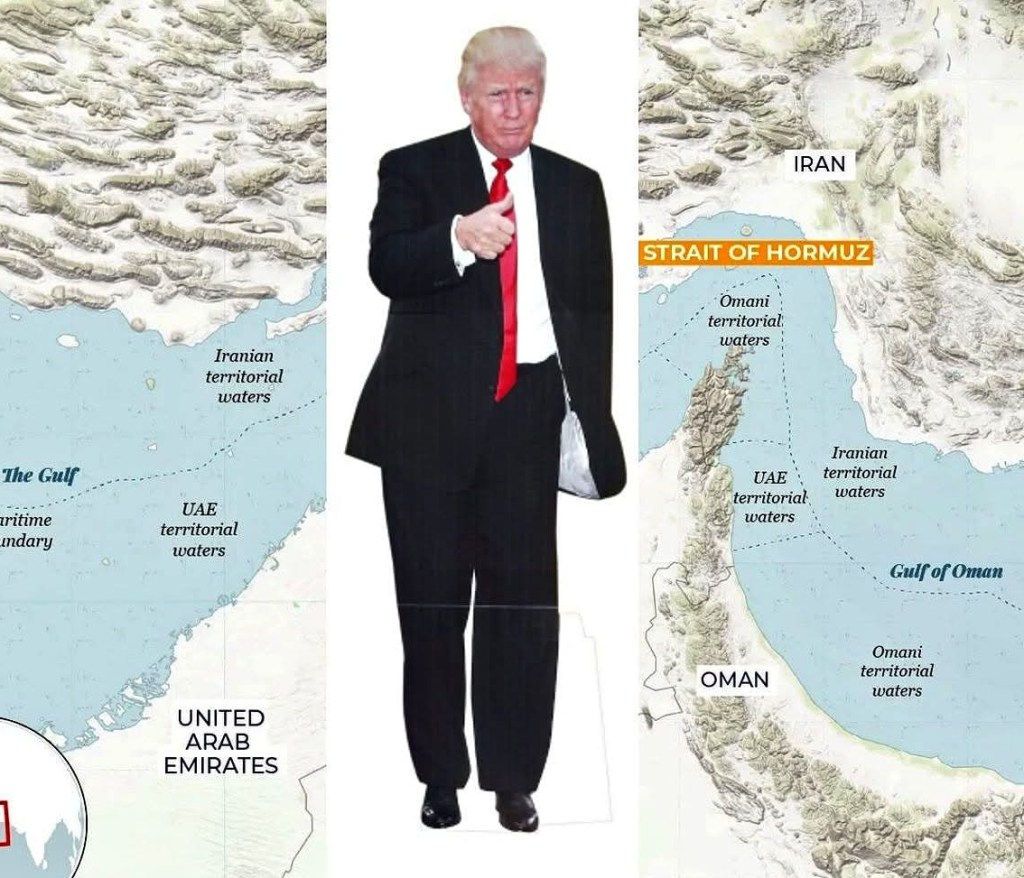
How America’s War on Iran Has Exposed the Limits of Military Power, the Fragility of Financial Hegemony, and the Terminal Decline of Western Imperialism Editorial Analysis | August 2026 The war on Iran, which American planners confidently predicted would conclude within four to six weeks, has instead become a grinding conflict that is consuming the… Continue reading
-
The Petro-less Dollar
How Washington’s War on Iran Has Undermined the Financial Foundation of American Power The interruption of crude oil trade through the Strait of Hormuz and the Red Sea has produced an outcome that Washington’s strategic planners almost certainly did not anticipate when they launched military operations against Iran in February 2026 (1). Throughout the entire… Continue reading
-
The President Changes. The Strategy Doesn’t

American Primacy, Structural Entrenchment, and the Path to Permanent Conflict On 8 March 1992, the New York Times published a front-page report under the headline “U.S. Strategy Plan Calls for Insuring No Rivals Develop,” based on a leaked draft of the Pentagon’s Defense Planning Guidance for fiscal years 1994 to 1999. The document, drafted under… Continue reading
AI and Digital Control, America, China, economics, EUROPE, Financial markets, Foreign Policy, Geopolitics, Global Finance, iran, israel, middle east, Mineral Resources, NATO, politics, reserve currency, Russia, war$1.5 trillion defence spending, AI competition, American exceptionalism, American population, American primacy, anti-ship missiles, arms procurement, Asian energy dependency, AUKUS, Boeing, Brian Berletic, British Empire, burden sharing, China containment, Chinese education, Chomsky, CIA drone operations, controlled demolition, corporate capture, corporate extraction, defence budget, Defense Planning Guidance 1992, Dick Cheney, domestic austerity, economic nationalism, escalation, Force Design 2030, General David Berger, General Dynamics, geopolitical analysis, Georgetown CSET, Grand Bargain, great power competition, hegemonic decline, Herman, historical precedent, I. Lewis Libby, ideological indoctrination, imperial overextension, Indo-Pacific strategy, Iran war 2026, japan, LNG markets, Lockheed Martin, manufacturing consent, Marine Littoral Regiments, media distraction, Middle East energy disruption, military industrial complex, multipolar world, national debt, National Science Board, National Security Strategy 2025, New Eastern Outlook, NMESIS, no rivals develop, Northrop Grumman, One Big Beautiful Bill, One China policy, Paul Wolfowitz, perpetual conflict, petrodollar, Philippines, political theatre, post-Cold War strategy, proxy warfare, RAND Corporation, Raytheon, reindustrialisation, rent-seeking economy, reserve currency, Russian energy blockade, science and engineering indicators, semiconductors, Senate Armed Services Committee, shareholder primacy, social spending cuts, South Korea, Soviet collapse, STEM graduates, Strait of Hormuz, structural entrenchment, taiwan, tariffs, technological competition, think tank policy, Trump foreign policy, Ukraine proxy war, unipolarity, US dollar hegemony, wall street, Wolfowitz Doctrine, workforce competition, world war risk -
The Choke Point Doctrine
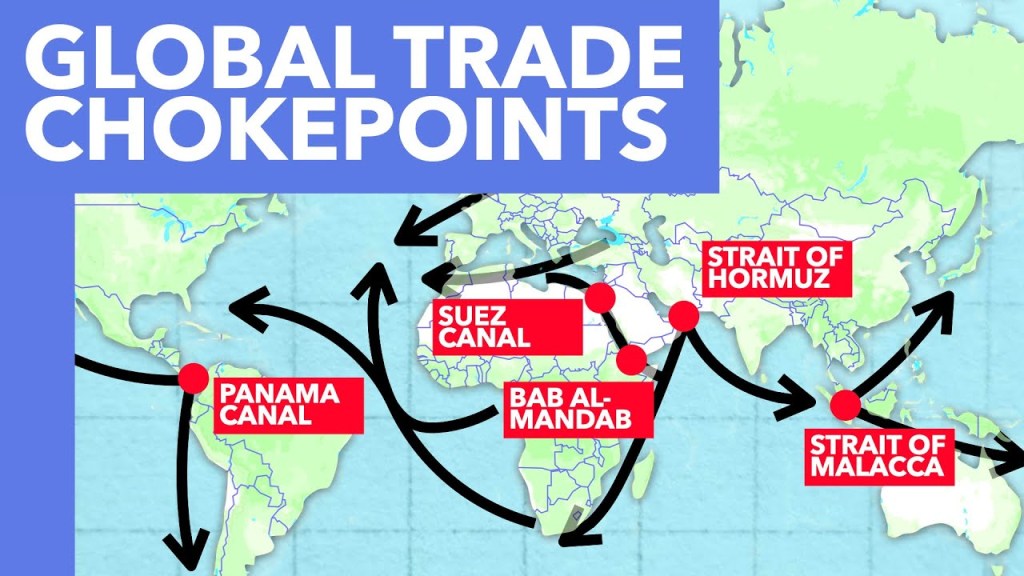
How American economic and military pressure now targets the Strait of Hormuz, the Strait of Malacca, the Panama Canal, the Suez Canal, the Strait of Gibraltar, and the Arctic passages The headline video below is circulating on social media under the title “It’s Not Chaos. It’s The Blueprint” argues that the seemingly disconnected crises in… Continue reading
AI and Digital Control, America, China, economics, Energy, EUROPE, Financial markets, Foreign Policy, Geopolitics, Global Finance, iran, israel, middle east, Mineral Resources, NATO, politics, reserve currency, Russia, warAdmiral Samuel Paparo, American empire, April 2026, Arctic passages, artificial intelligence, Belt and Road Initiative, Brookings Institution, China containment, choke point doctrine, energy security, geopolitical analysis, global trade routes, Greenland, Hong Kong, imperial decline, Indonesia military partnership, Iran War, lithium triangle, Malacca Dilemma, maritime interdiction, Maritime Strategy, Marshall Plan, military industrial complex, Morocco defence agreement, multipolarity, national security, naval blockade, Operation Stargate, Panama Canal, Panama ports, petrodollar, RAND Corporation, Senate Armed Services Committee, Strait of Gibraltar, Strait of Hormuz, Strait of Malacca, strategic petroleum reserve, Suez Canal, unipolarity, United States foreign policy, Venezuela Oil
