
Mineral Resources
-
Russian Foreign Policy in a Fragmenting OrderLavrov at the State Duma and the Structure of Multipolar PowerInstitutional Continuity under Strategic Pressure
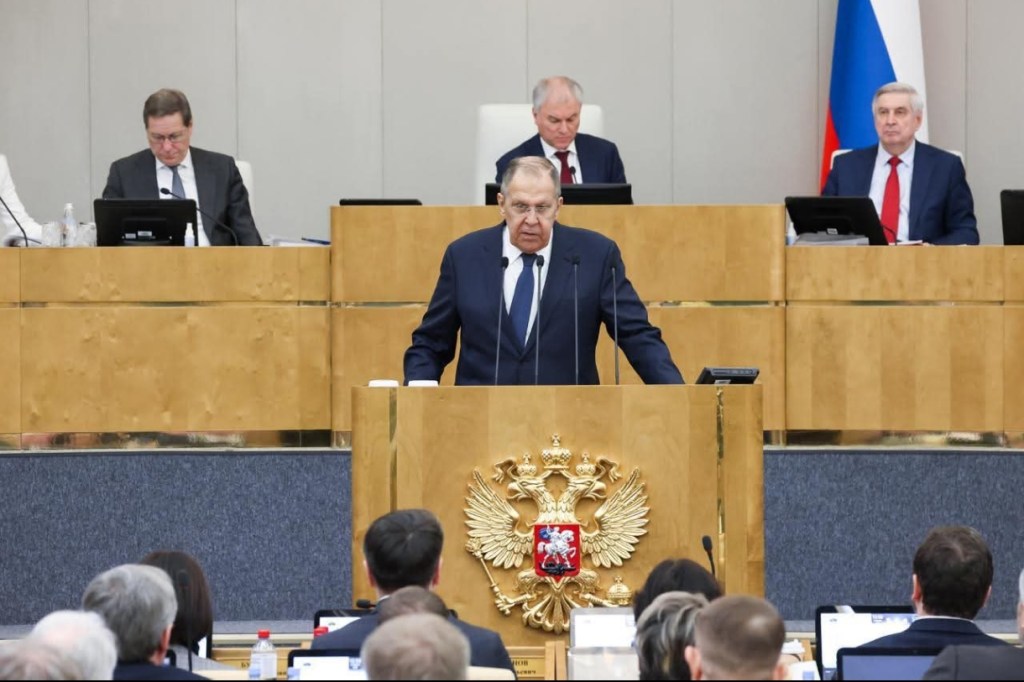
An opinion analysis of Russia’s systemic positioning amid global realignmentSecurity, law, and sovereignty in contemporary Russian diplomacy Foreign Minister Sergey Lavrov used the State Duma hearing to present a coherent account of Russian foreign policy under conditions described as structural change rather than episodic crisis. The remarks framed current conflicts as consequences of an exhausted… Continue reading
-
Negotiations or Non-Negotiations? Seven Visits, Zero Resolution

Netanyahu’s Washington Visits, Maximalist Demands, Domestic Vulnerabilities, Strategic Deadlock, and the Risk of Miscalculation on Iran Benjamin Netanyahu’s seventh visit to the White House within a twelve-month period takes place amid a dense convergence of military escalation, financial instability, and domestic political exposure within both the United States and Israel. Netanyahu arrives in Washington on… Continue reading
AI and Digital Control, America, Financial markets, Foreign Policy, Geopolitics, Global Finance, israel, Mineral Resources, NATO, politics, Russia, waralliance management, ballistic missiles, brinkmanship, deterrence theory, domestic political pressure, epstein files, financial instability, Foreign Policy, Game Theory, institutional trust, international security, Iran nuclear negotiations, maximalist demands, Middle East diplomacy, military escalation, Netanyahu, nuclear proliferation, proxy conflicts, strategic deadlock, US Israel relations, White House -
Why Zambia’s Mineral Wealth Has Not Produced Prosperity

Extraction without Accumulation: The Political Economy of Zambia’s Underdevelopment Zambia’s position within the global minerals economy conforms closely to John Perkins’ description, reflecting extraction structured through political control, legal asymmetry, and external economic power. Perkins wrote that modern economic structures operate “to convince leaders of underdeveloped countries to accept huge loans, so that even more… Continue reading
-
The Total Financial Subjugation of Iraq After 2003 by the United States
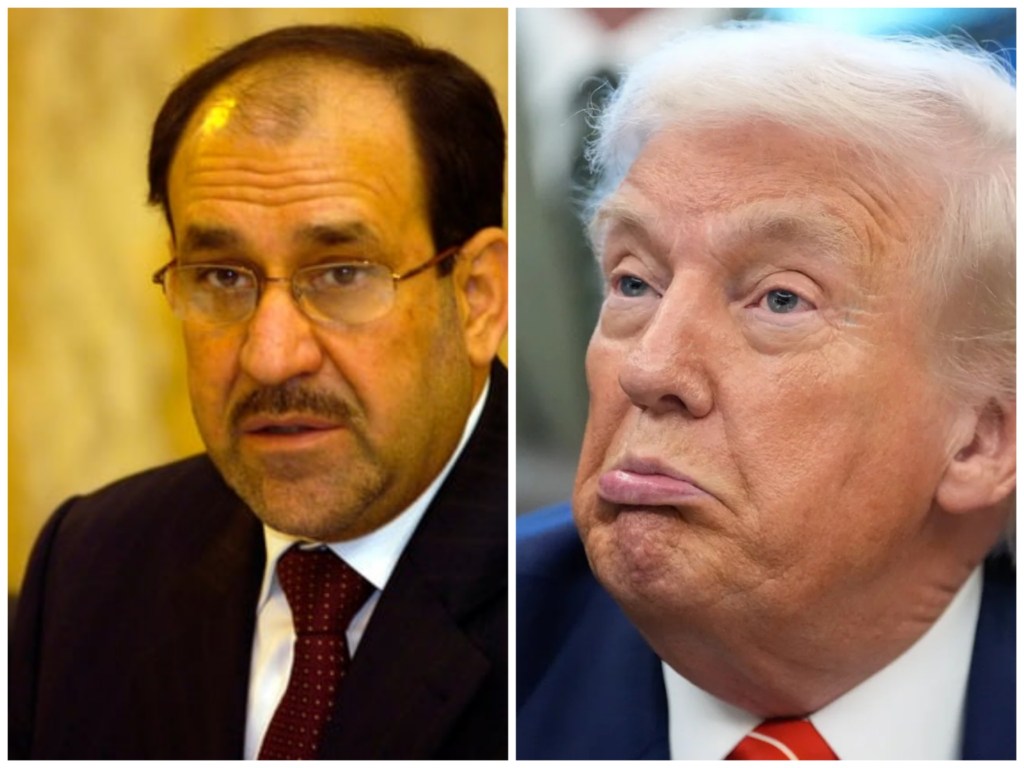
Why Iraq Governs Without Access to Its Own Income via an External U.S Banking Authority The United States exercises decisive control over Iraq through financial mechanisms established after the 2003 invasion, rather than through formal colonial administration or direct ownership of physical resources, a system Hussein Askary has described as “a complete financial and economic… Continue reading
economics, Energy, Financial markets, Foreign Policy, Geopolitics, Global Finance, israel, middle east, Mineral Resources, NATO, politics, warbanking compliance, corruption dynamics, Development Fund for Iraq, dollar dependency, economic coercion, Executive Order 13303, Federal Reserve Bank of New York, financial subjugation, Iraq, Monetary sovereignty, oil revenue custody, Oil-for-Food programme, political economy of Iraq, post-2003 occupation, post-occupation governance, Resolution 1483, Resolution 1956, sanctions architecture, Treasury control, United Nations Security Council, United States foreign policy -
The U.S Occupation of Nigeria Begins

The Quiet Invasion of Nigeria Under the Banner of Peace: How the War on Terror Masks Resource Interests in Nigeria The recent announcement that the United States has deployed military personnel to Nigeria under the banner of counter-terrorism has generated significant debate about the true motivations behind such interventions. “This decision was announced in the… Continue reading
africa, AI and Digital Control, America, economics, Energy, Financial markets, Foreign Policy, Geopolitics, Global Finance, Mineral Resources, NATO, politics, reserve currency, warchaos theory, counter-terrorism, Game Theory, Geopolitics, global power dynamics, Hegelian dialectic, imperialism, international relations, military intervention, Mineral Resources, neocolonialism, Nigeria, oil and gas, political economy, resource politics, security studies, Sovereignty, strategic interests, US foreign policy, West Africa -
The West v. East GeoEconomic Warfare For Financial Primacy
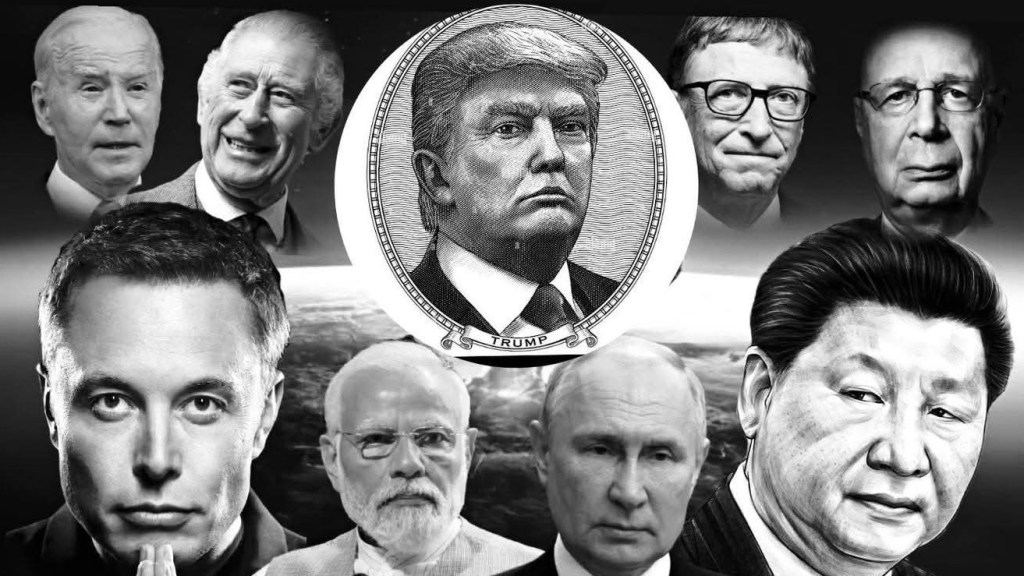
Monetary Systems, Power, and the Struggle to Shape and Control the Global Order for the Coming Generations West versus East; it is a war, for now, a smart kind of war, but one that results in a “permanent fragmentation” of the global financial architecture. This architecture that evolved after the Second World War rested upon… Continue reading
AI and Digital Control, America, China, economics, EUROPE, Financial markets, Foreign Policy, Geopolitics, Global Finance, israel, middle east, Mineral Resources, NATO, politics, reserve currency, Russia, South East Asia, warCBERS, chaos theory, Eastern Financial Systems, Economic Security, financial warfare, Game Theory, Geoeconomics, Global Finance, Gold Markets, Industrial Capacity, Minsky, Monetary sovereignty, Physical vs Paper Assets, reserve currency, sanctions, Silver Markets, Strategic Competition, Sun Tzu, SWIFT, US Dollar Dominance, West vs East -
The Central Bank Global Financial Coup

The Architecture of Digital Serfdom and the End of Economic Liberty The global financial system is undergoing a coordinated seizure of economic sovereignty that follows a long-established pattern rooted in the central banking warfare model. This model rests on the fusion of monetary creation with coercive state power, enforced through military, intelligence, legal, and surveillance… Continue reading
AI and Digital Control, economics, Financial markets, Foreign Policy, Geopolitics, Global Finance, Mineral Resources, NATO, politics, Russia, warbanking crisis, debt crisis, economic collapse, economic crisis, economic downturn, economic recession, economic shock, financial instability, financial meltdown, financial panic, fiscal instability, global economy, global financial collapse, liquidity crisis, market crash, monetary crisis, recession, sovereign debt, stock market crash, systemic risk -
Silver Crash: The Largest Act of Market Manipulation on Record

You can suppress futures prices, but you cannot suppress physical scarcity and markets will eventually reflect that reality. The collapse in gold and silver prices observed yesterday reflected a deliberate intervention rather than a market driven repricing event, given the scale, timing, sequencing, and institutional mechanisms involved. Gold declined by more than twelve per cent… Continue reading
-
The Dollar System and the End of Fiat Global Monetary Order
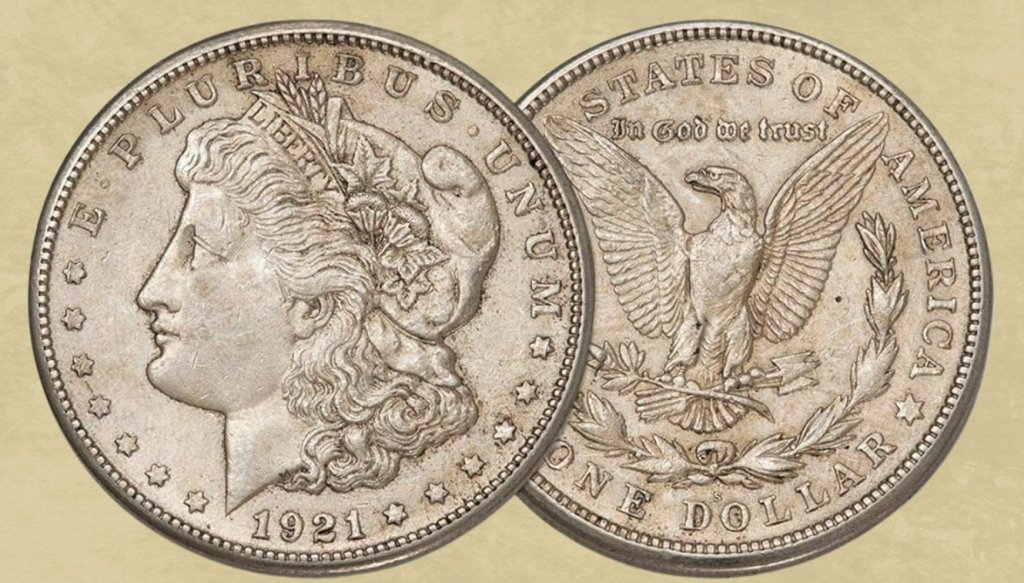
The Decline of Fiat Credibility and End of Monetary Universality in a Fragmenting Global Economy What is unfolding within the international monetary and financial system is more accurately described as de-fiatisation rather than de-dollarisation, because the structural erosion concerns confidence in state issued credit money rather than exclusive rejection of the United States dollar. Benjamin… Continue reading
-
The Board of Peace as a Turning Point in Global Governance
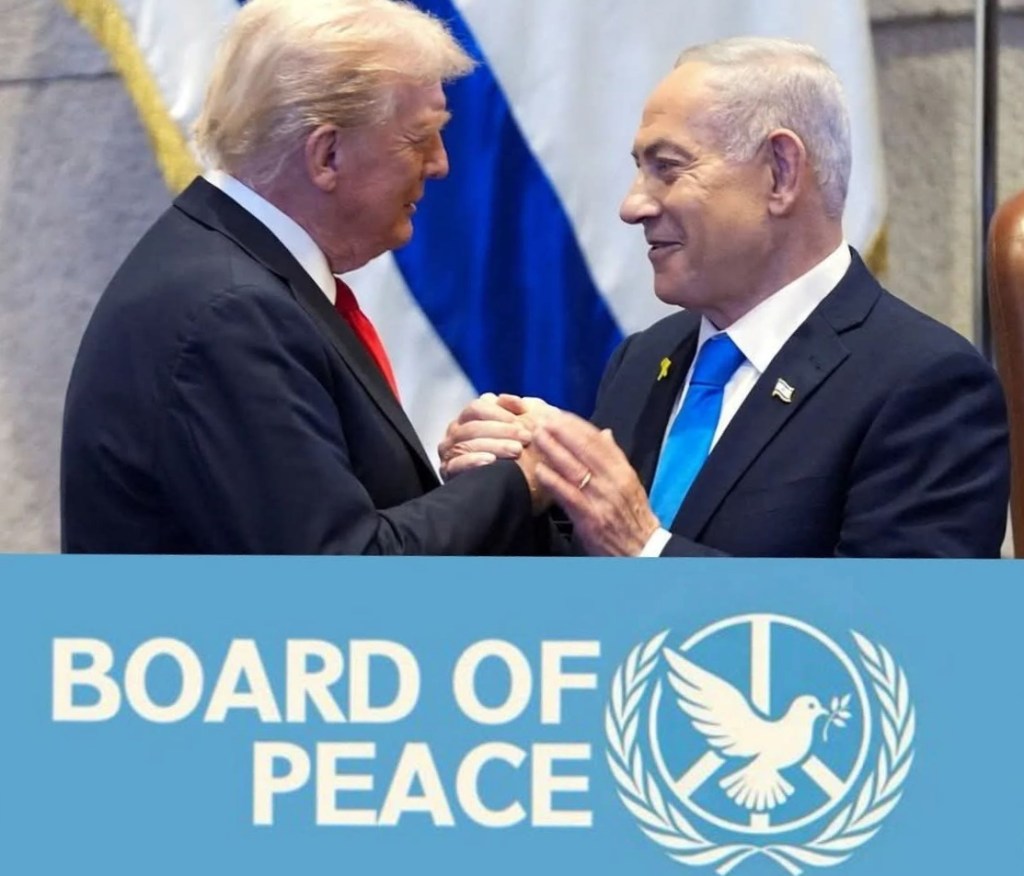
Institutional Self-Displacement at the United Nations: The Board of Peace as a Precedent for the Marginalisation of International Law and the Erosion of Collective Security The establishment of the Board of Peace represents a decisive institutional rupture in the post-1945 international order, because its legal form and political authority directly supersede the foundational role of… Continue reading
