
Mineral Resources
-
U.S. Financial Losses Signal Market Breakdown and Risk of Economic Contraction

Energy disruption, inflation, rising debt costs, and global repricing of U.S. assets place sustained pressure across the entire economic system A sharp break in United States financial markets during the final week of March 2026 raised the risk of a broader economic contraction extending beyond equities into the core functions of the economy and its… Continue reading
AI and Digital Control, America, China, economics, Energy, EUROPE, Financial markets, Foreign Policy, Geopolitics, Global Finance, iran, israel, middle east, Mineral Resources, NATO, politics, reserve currency, Russia, warbond yields, capital flows, currency movements, economic contraction, energy crisis, federal reserve, Financial markets, geopolitical risk, global economy, inflation, interest rates, Iran conflict, labour market, layoffs, Lebanon conflict, liquidity, market volatility, Oil Prices, stagflation, stock market decline, Strait of Hormuz, systemic risk, Treasury market, US dollar, US economy -
𝗜srael 𝗦cales 𝗕ack 𝗪ar 𝗔ims in Lebanon

The IDF aims have shifted from disarmament and deep territorial control to maintaining a shallow security zone after resistance proved stronger and regional actors continued effective counter-pressure Israeli military planning has shifted from an advance toward the Litani River to a reduced objective focused on a narrow buffer zone along the Lebanese border. Government statements… Continue reading
AI and Digital Control, America, China, EUROPE, Financial markets, Foreign Policy, Geopolitics, Global Finance, iran, israel, middle east, Mineral Resources, NATO, politics, reserve currency, Russia, warattrition dynamics, attrition warfare, buffer zone strategy, hezbollah, Hezbollah resistance, Houthi missile strikes, Houthis escalation, IDF goals shift, Iran conflict 2026, Iran war miscalculation, Iranian missile response, Israel Lebanon war 2026, Israeli military objectives, Lebanon security zone, Middle East conflict, military analysis, miscalculation Hezbollah neutralization, multi‑front conflict, operational constraints, regional escalation, short war expectations, strategic failure analysis., strategic reassessment -
Turkey and India Lead $82 Billion Dump of U.S. Treasuries
As foreign central banks dump U.S. bonds to defend their own economies, rising yields and shrinking demand threaten to destabilize the financial system underpinning American power. A financial shock is moving through the global system as foreign central banks offload tens of billions of dollars in U.S. Treasuries in a matter of weeks in favor… Continue reading
-
Turkey and India Lead $82 Billion Dump of U.S. Treasuries
As foreign central banks dump U.S. bonds to defend their own economies, rising yields and shrinking demand threaten to destabilize the financial system underpinning American power. A financial shock is moving through the global system as foreign central banks offload tens of billions of dollars in U.S. Treasuries in a matter of weeks in favor… Continue reading
-
Diplomacy on Paper, War in Practice
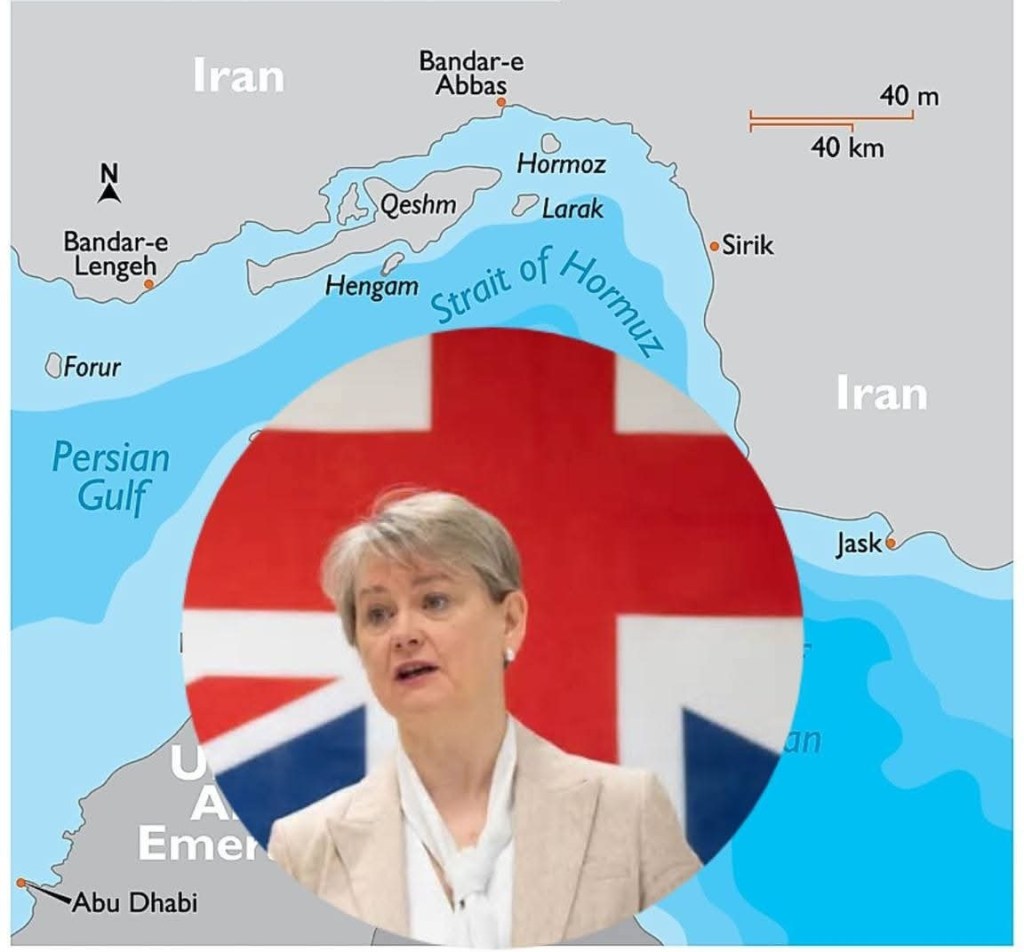
London hosts talks on Hormuz while enabling the very conflict it claims to stand apart from The decision by the United Kingdom to convene a gathering of 35 countries to “explore” reopening the Strait of Hormuz carries the appearance of urgency and coordination, yet it is difficult to avoid the conclusion that it is largely… Continue reading
-
Israel Operates As a Law Unto Itself
Repeated incidents involving UN personnel highlight a persistent tension between operational conduct, strategic imperatives, and the uneven application of international law. The argument that Israel operates as a law unto itself in its dealings with the United Nations and its personnel rests on a pattern of conduct that critics contend is neither incidental nor episodic,… Continue reading
-
LEGO Wars and Missiles: The Art of Beating Superpowers

An analysis of how strategic preparation, control of critical infrastructure, and narrative influence have given Iran an advantage over superior militaries The war between the United States, Israel, and Iran shows a clear outcome taking shape despite the absence of formal declaration. Iran is winning the war, not through decisive battlefield victory, but through control… Continue reading
AI and Digital Control, America, China, economics, Energy, EUROPE, Financial markets, Foreign Policy, Geopolitics, Global Finance, iran, israel, middle east, Mineral Resources, NATO, politics, reserve currency, Russia, satellites, warAbbas Araghchi, asymmetric warfare, decentralized strategy, defense strategy, diplomatic signaling, energy leverage, Geoeconomics, Gulf geopolitics, hybrid warfare, information warfare, iran, Iran Foreign Minister, military strategy, missile strategy, modern war, narrative control, propaganda, regional security, Strait of Hormuz, strategic endurance, U.S.–Israel conflict -
“I Cannot Be Part of This”: UN Diplomat Resigns, Warns of Possible Nuclear Threat to Tehran
Mohamad Safa abandons 12-year career, accusing UN insiders of preparing for catastrophic action while Iran remains compliant with international law “The UN is preparing for possible nuclear weapon use in Iran”, said Mohamad Safa, a Lebanese diplomat and human rights advocate. Mohamad Safa, a representative of the Patriotic Vision Alliance at the United Nations, has… Continue reading
AI and Digital Control, Carribean, China, economics, Energy, EUROPE, Financial markets, Foreign Policy, Geopolitics, Global Finance, israel, middle east, Mineral Resources, NATO, politics, reserve currency, Russia, warChernobyl, Gaza genocide, geopolitical double standards, global accountability, Hiroshima, human rights, IAEA, international law, Iran nuclear threat, Israel nuclear program, Lebanon war crimes, mainstream media silence, Mohamad Safa, Nagasaki, nuclear escalation, nuclear weapons, Patriotic Vision Alliance, Tehran, UN resignation, United Nations, war crimes, whistleblower -
Ukraine’s Gulf Expansion Tested by Reported Strike in UAE

A reported attack on a drone defense site in the Gulf points to a widening, interconnected conflict landscape Recent developments spanning the Middle East and Eastern Europe point to a potentially significant shift in how contemporary conflicts are structured, extending beyond geographically contained wars into interconnected theatres shaped by shared capabilities, strategic signaling, and alliance… Continue reading
AI and Digital Control, America, China, Energy, EUROPE, Financial markets, Foreign Policy, Geopolitics, Global Finance, iran, israel, middle east, Mineral Resources, NATO, politics, reserve currency, Russia, warair defense, counter-drone systems, defense cooperation, deterrence, Drone Warfare, Game Theory, Geopolitics, global conflict, Gulf States, iran, Islamic Revolutionary Guard Corps, Middle East security, military strategy, military technology, proxy conflict, Qatar, Saudi Arabia, UAV, ukraine, United Arab Emirates, Volodymyr Zelenskyy -
The Strait of Hormuz Is Open by Permission
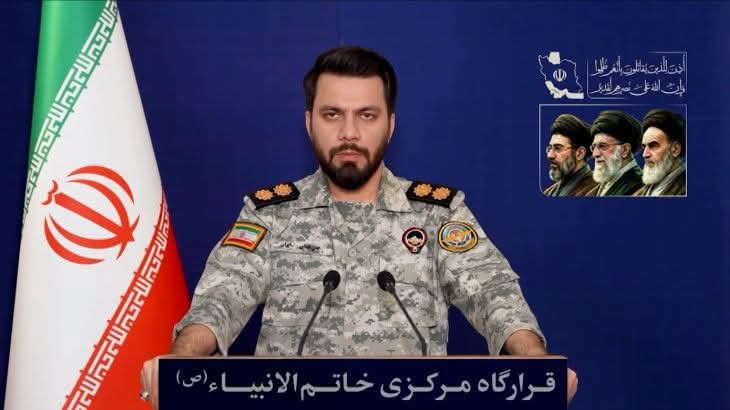
Iran imposes controlled transit after sustained aggression, converting open passage into a regulated system of access, payment, and geopolitical alignment A functioning maritime corridor has been converted into a controlled economic gate without formal closure, altering both the legal character and financial mechanics of the most critical energy chokepoint in the global system. Shipping through… Continue reading
