
Mineral Resources
-
Russia’s Shifting Conduct of the War in Ukraine
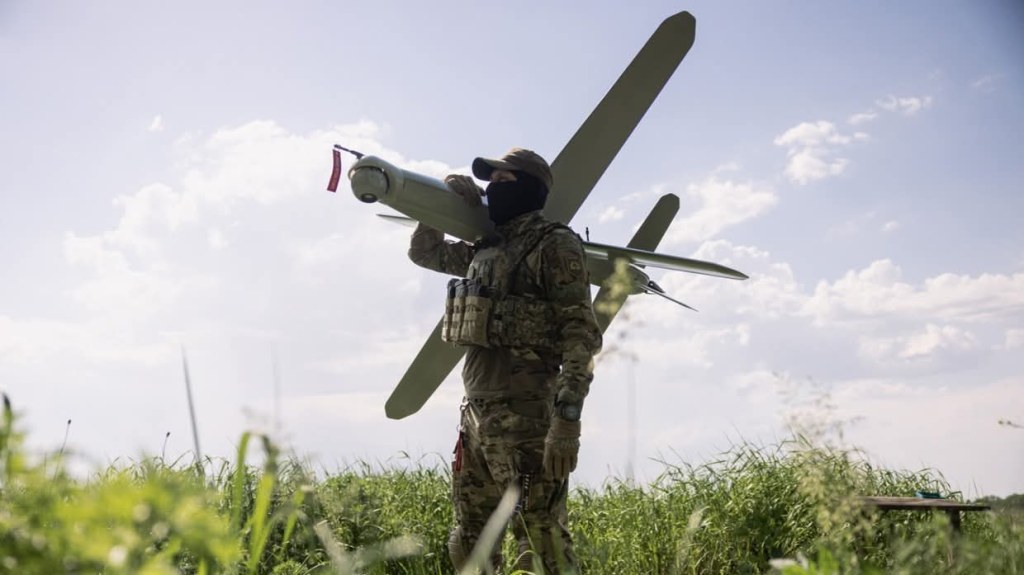
How Russia moved from holding back to deploying its most advanced missiles against Ukraine, what NATO’s solidarity visit to Kyiv actually delivered, and why neither side is close to stopping For more than four years, Vladimir Putin prosecuted his military campaign in Ukraine with a deliberate restraint that frustrated Russian hawks, confused Western analysts, and… Continue reading
-
Reading Between the Lines: Why Rezaee’s CNN Interview Is More About Messaging Than Negotiation
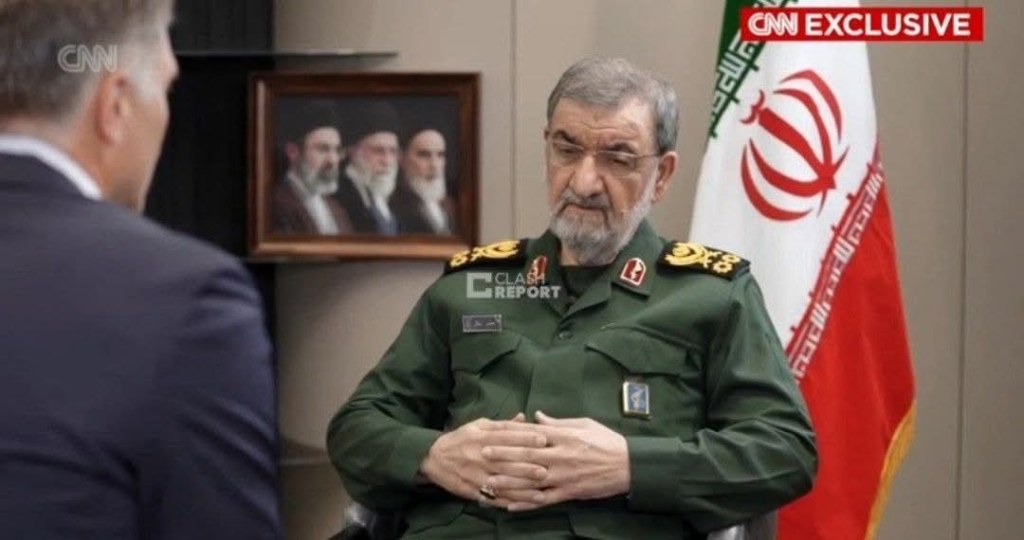
Tehran does not expect negotiations to produce a breakthrough, it wants to shape the narrative around any future escalation My reading of Rezaee’s CNN interview is that it is primarily directed at Western audiences and the cameras, not because Tehran genuinely expects negotiations to produce a breakthrough, but because it wants to shape the narrative… Continue reading
AI and Digital Control, America, Financial markets, Foreign Policy, Geopolitics, Global Finance, imperialism, iran, israel, middle east, Mineral Resources, NATO, neocolonialism, politics, South East Asia, warBab al-Mandab, British Empire Legacy, CNN Interview, Colonial Borders, conflict analysis, diplomacy, escalation, Foreign Affairs, GCC, geopolitical risk, Geopolitics, Geostrategy, Gulf Monarchies, Gulf States, information warfare, international relations, iran, Iran US relations, Long War, maritime security, middle east, Middle East politics, Middle East Transformation, Mohsen Rezaee, multipolar world order, Persian Gulf, political legitimacy, political stability, power projection, Red Sea security, Regime Security, Regional Conflict, Regional Order, Regional Realignment, security studies, state formation, Strategic Affairs, strategic messaging, US foreign policy, West Asia -
The Longest Betrayal

Constitutional Amendment Bill No. 3 and the Recolonisation of Zimbabwe Editorial Analysis | 06 June 2026 The liberation struggle that consumed the better part of two decades and cost tens of thousands of Zimbabwean lives was fought, at its irreducible core, for one thing: the right of Africans to choose who governed them. That right… Continue reading
-
Washington Blockaded Iran’s Oil. China Is Blockading Washington’s Capital
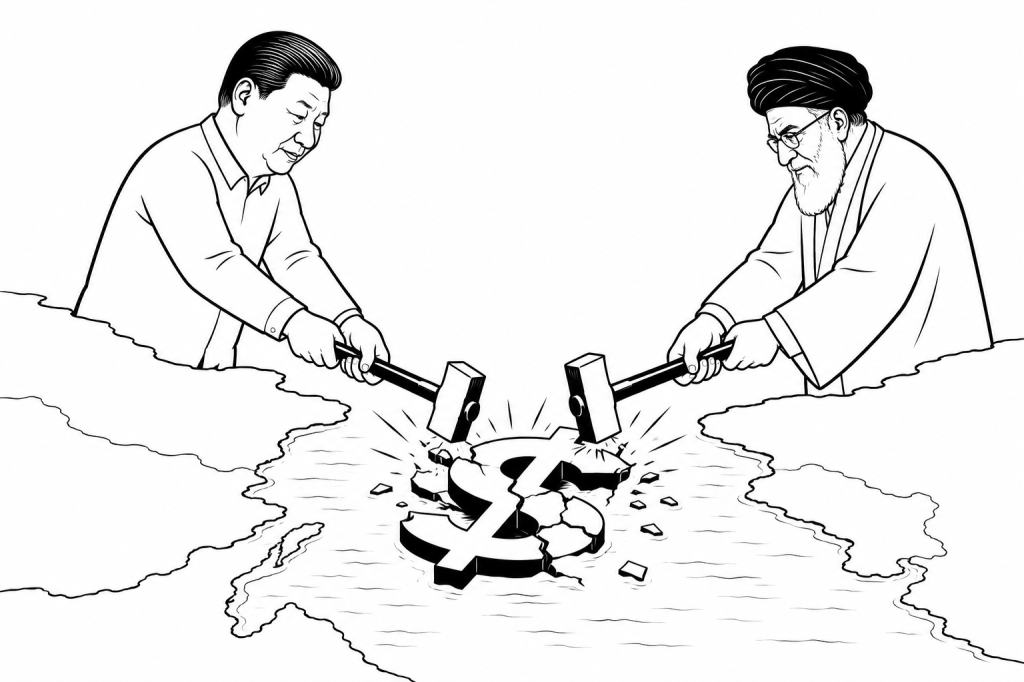
The CSRC Brokerage Crackdown, the Hong Kong Gold Clearing System, and the Euroclear Bond Integration – How Beijing Is Targeting the Financial Architecture That Makes Dollar Dominance Possible The Iran ceasefire negotiations that have been publicly described since late April 2026 as approaching completion have not, as of the first days of June, produced a… Continue reading
AI and Digital Control, America, China, economics, Energy, EUROPE, Financial markets, Foreign Policy, Geopolitics, Global Finance, iran, israel, middle east, Mineral Resources, NATO, politics, reserve currency, Russia, satellites, war$1 trillion hot money outflow, $32 billion AUM offshore brokerages, 000 tonnes, 2.3 billion yuan fines, Alastair Crooke, Alastair Crooke geopolitical analysis, Ali Akbar Velayati, €5 trillion RMB bond collateral pool, Bond Connect, British diplomat intelligence officer, Brookings stablecoin analysis, capital flow withdrawal, ceasefire structural defects, CFTC SEC jurisdiction, China counter-pressure strategy, China Securities Regulatory Commission, Chinese bond market $26 trillion, Chinese retail investors US stocks, Chinese savings $50 trillion bank deposits, Clarity Act, Clearstream Chinese bonds, COMEX alternative, Conflicts Forum, Crédit Agricole Bank of China, crypto regulatory framework, CSRC enforcement, Digital Asset Market Clarity Act, dollar internationalisation via crypto, dollar reserve currency structural monopoly, dollar-backed stablecoins, eight-agency crackdown, Euroclear Chinese bonds collateral, Euroclear February 2026 announcement, extraterritorial dollar reach, Futu Securities International, GENIUS Act, GENIUS Act reciprocity provision, geography guarantee, geopolitical reset, global financial plumbing, gold storage 2, Gregory Yu HKEX, Guiding and Establishing National Innovation for US Stablecoins, H.R. 3633, HK$250 billion mainland brokerage assets, Hong Kong gold hub, Hong Kong Precious Metals Central Clearing Company, Hormuz blockade energy costs, international settlement infrastructure, Iran ceasefire negotiations, Iran war financial consequences, Iranian strategic dominance, Israel Lebanon assault ceasefire breach, John Lee gold clearing announcement, July 2026 gold clearing launch, LBMA alternative, Longbridge Securities, longer-dated Treasury demand, mainland Chinese investors, monetary system diversification, Nahum Barnea Yediot Ahoronot, Netanyahu Iran trap, nuclear deferral, OFAC jurisdiction, offshore Chinese government bonds, overseas currency displacement, Pakistan Qatar mediators, parallel settlement architecture, Paul Chan OTC settlement, Philippe Laurensy Asia Pacific CEO, pro-Israel donor class, renminbi internationalisation, reverse repurchase collateral, risk-free collateral benchmark, Saudi Arabia yuan oil gold, Sean Foo Euroclear analysis, Shanghai Gold Exchange cooperation, stablecoin legislation, stablecoin overseas retail, Strait of Hormuz leverage, summit imagery defeat confidence, Tiger Brokers, triparty arrangements, Trump Beijing summit, Trump Xi Jinping, Trump zugzwang, uncleared margin requirements, US tariffs China capital costs, Wall Street capital flows, Wall Street foreign buyer dependency, Western gold pricing monopoly, yuan gold settlement, yuan internationalisation, yuan oil settlement gold -
Lavrov Highlights Strength of Russia-China Partnership at International Conference
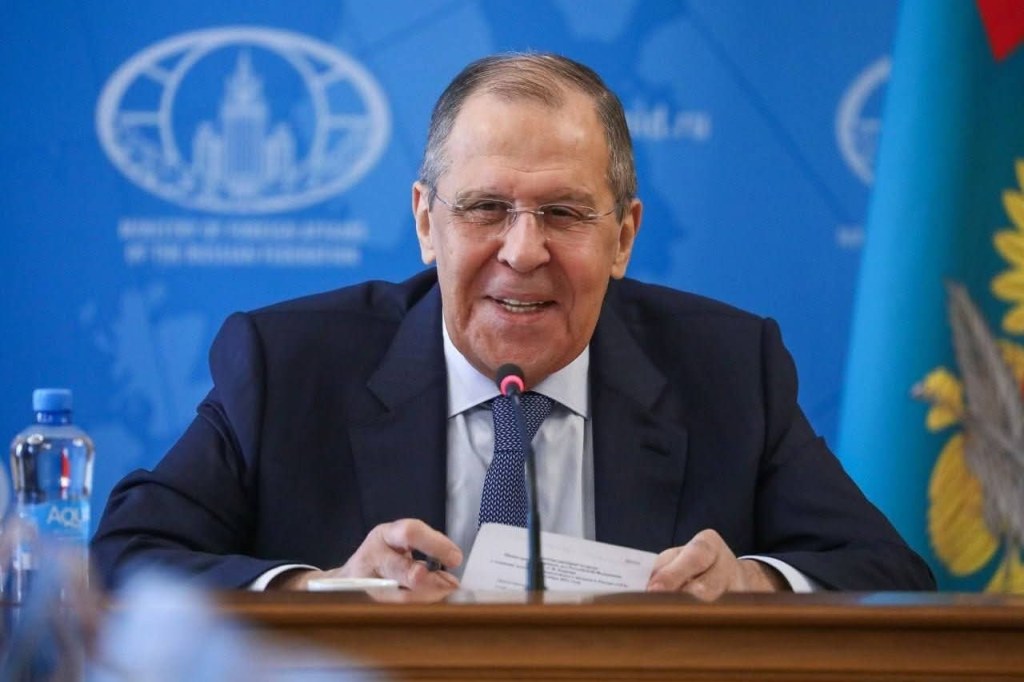
Russian foreign minister says Moscow and Beijing’s strategic partnership remains a stabilising force in global affairs as the two countries mark key diplomatic anniversaries. Russian Foreign Minister Sergey Lavrov has hailed the enduring partnership between Russia and China in a message to participants of the 11th International Conference, Russia and China: Cooperation in a New… Continue reading
AI and Digital Control, America, China, economics, Energy, EUROPE, Financial markets, Foreign Policy, Geopolitics, iran, israel, middle east, Mineral Resources, NATO, politics, reserve currency, Russia, satellites, war#SCO, Beijing, Bilateral Relations, BRICS, China, Chinese Academy of Social Sciences, diplomacy, Education Cooperation, Eurasia, Eurasian Security, Foreign Policy, G20, Geopolitics, Global Affairs, global governance, International Conference, international relations, moscow, multipolar world, Russia, Russia-China relations, Russia-China Treaty, Russian Foreign Ministry, Russian International Affairs Council, sergey lavrov, Shanghai Cooperation Organisation, Strategic Partnership, United Nations, vladimir putin, Xi Jinping -
Burning the Lifeboats

How Governments and Markets Are Consuming Strategic Reserves to Bridge a Hormuz Disruption Whose End They Cannot Demonstrate On 11 March 2026, the International Energy Agency coordinated the largest emergency strategic reserve release in history, drawing 400 million barrels from the stockpiles of 32 member nations, the United States contributing 172 million barrels from the… Continue reading
AI and Digital Control, America, China, economics, Energy, EUROPE, Financial markets, Foreign Policy, Geopolitics, Global Finance, iran, israel, middle east, Mineral Resources, NATO, politics, reserve currency, Russia, South East Asia, war$4.45 national average, 10 million barrels per day deficit, 172 million barrels, 18 to 22 percent premium, 1973 oil embargo comparison, 20 million barrels per day, 400 million barrels, 8.5 million barrels per day drawdown, Abu Dhabi Crude Oil Pipeline, Al Jazeera IEA analysis, Art Berman, artberman.com, Asian energy dependency, Atlantic Basin producers, Bianco Research, Biden SPR drawdown, Brent crude, BrentChart.com shortfall analysis, buffers exhausted, buy the dip conditioning, bypass pipeline capacity, CleanTechnica UBS warning, compressed decades of change, crude oil quality mismatch, Dallas Federal Reserve, de-mining lags, debt-saturated global economy, December 2026 Brent futures, demand destruction, demand rationing by price, Discovery Alert inventory projection, East-West pipeline, energy investment IEA $3.4 trillion, energy realist, energy Secretary Chris Wright, energy shock 2026, energy transition, even peace takes months, Federal Reserve monetary policy, Financial Sense Newshour, forced adjustment, gasoline prices United States, global oil consumption, Global South energy costs, heavy sour crude, historical oil shocks, Hormuz blockade 2026, Hormuz probability model, IEA coordinated release, IEA Gas Market Report Q2 2026, India energy investment $170 billion, inflation oil prices, institutional blindspot, insurance market recovery, insurance premiums war risk, inventory drawdown, inventory minimum operating levels August 2026, Iran Strait of Hormuz mining, Iran war energy, Iranian Revolution 1979, Jim Bianco, Kevin Warsh Fed Chair, liquidity misdiagnosis, LNG market transfer, LNRG Technology bypass analysis, Macquarie four days global consumption, maritime chokepoint, mean reversion, Mineral Rights Podcast SPR analysis, no historical precedent, not a bull market , oil futures backwardation, oil market pricing, OilPrice.com IEA revision, OPEC structural strain, Palisades Gold Radio, panic buying risk, Paul Horsnell, petroleum geologist, Petroline, Philippines Thailand Malaysia Indonesia South Korea, physical scarcity, refinery configuration, repayment November 2026, rerouting costs, scar tissue effect, Southeast Asia import dependence, SPR exchange structure, SPR facility damage, SPR release, stagflation, Strait of Hormuz closure, strategic petroleum reserve, Strategic Petroleum Reserve capacity, structural energy deficit, structural shortage, supply chain lags, system failure, tanker disruption, tanker queue normalisation, The Great Simplification podcast, Trump SPR release, UBS inventory warning, unprecedented disruption, US LNG exporters, US–Iran war, wartime price spike, WTI crude -
Ukraine Is Being Ground Down. Europe Is Being Lined Up Next.

How the Apparent US-Europe Rift Conceals a Division-of-Labour Agreement That Puts European Troops in the Line of Fire Editorial Analysis | 1 June 2026 On 26 May 2026, the Wall Street Journal published a report stating that “the growing fear in European capitals is that President Vladimir Putin will try next to reshuffle the cards… Continue reading
AI and Digital Control, America, China, economics, Energy, EUROPE, Financial markets, Foreign Policy, Geopolitics, Global Finance, iran, israel, middle east, Mineral Resources, NATO, politics, reserve currency, Russia, wararms production increase, Baltic security, Baltic states defense, collective defense, cross-border military mobility, defense industrial expansion, defense spending surge, deterrence against Russia, deterrence strategy, Eastern flank reinforcement, EU rearmament, European defense integration, European military modernization, European security policy, geopolitical tensions, hybrid warfare concerns, military buildup, military preparedness, missile defense systems, NATO expansion, NATO force restructuring, NATO readiness, Russia Ukraine War, Russian aggression, sanctions on Russia, Security cooperation, strategic autonomy, troop mobilization plans, Ukraine military aid, war readiness -
Everyone Wants to Be Great Again
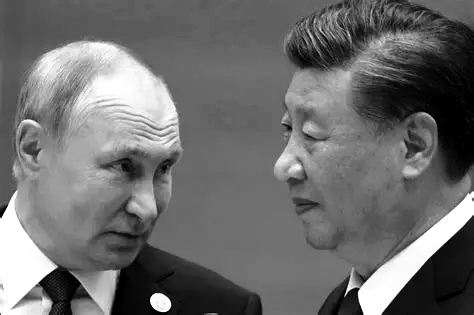
The Putin–Xi Multipolar Declaration, the Data Behind It, and Why Fragmentation May Be a More Accurate Description Than Partnership Editorial Analysis | 31 May 2026 On 20 May 2026, Russian President Vladimir Putin and Chinese President Xi Jinping signed a Joint Declaration on the Establishment of a Multipolar World and a New Type of International… Continue reading
AI and Digital Control, America, China, economics, Energy, EUROPE, Financial markets, Foreign Policy, Geopolitics, Global Finance, iran, israel, middle east, Mineral Resources, NATO, politics, reserve currency, Russia, South East Asia, war30th anniversary Russia-China partnership, anti-hegemonic declaration, balance of power, Beijing summit 2026, bilateral trade decline, Chinese FDI Russia, CNPC, Cold War bipolarity, commodity exporter, energy dependence, fossil fuel asymmetry, fragmentation, gas pipeline stalled, gazprom, great power competition, hegemony, Joint Declaration on the Establishment of a Multipolar World, multipolar world declaration, multipolarity, New Type of International Relations, no-limits partnership, outbound direct investment, Power of Siberia 2, pricing impasse, Putin Xi summit May 2026, Russia energy exports, Russia-China strategic partnership, Russia-China trade 2025, Russian oil exports China, trade contraction 6.9 percent, unipolar moment, US Hegemony, world order -
The Fractured Crescent
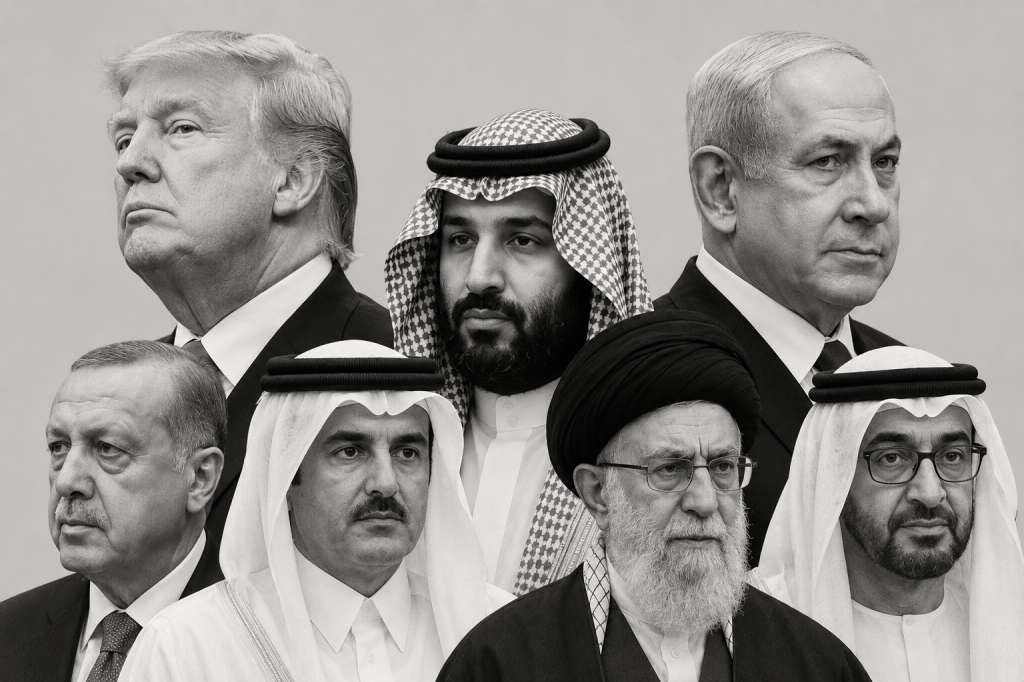
Power, Rivalry and Realignment in the Emerging Middle Eastern Order The Middle East enters another period of strategic transition as assumptions underpinning the regional order during the post-Cold War era face growing pressure from shifting power balances, changing economic realities, military confrontation, and the gradual erosion of uncontested American dominance. Public discussion frequently presents the… Continue reading
AI and Digital Control, America, China, economics, Energy, EUROPE, Financial markets, Foreign Policy, Geopolitics, Global Finance, iran, israel, Latin America, middle east, Mineral Resources, NATO, politics, reserve currency, Russia, South East Asia, warAbraham Accords, energy politics, Eurasia, Gaza War, Geopolitics, Geostrategy, great power competition, Gulf Cooperation Council, Gulf States, iran, israel, middle east, Mohammed bin Salman, Mohammed bin Zayed, multipolarity, Netanyahu, Political Rivalry, power transition, Qatar, Red Sea, regional power shift, Regional Realignment, Saudi Arabia, security architecture, Strait of Hormuz, Strategic Competition, Sudan conflict, Trump, Turkey, US foreign policy, West Asia, Yemen war -
From the Grand Chessboard to the Golden Node: The Biggest Geopolitical Deal Filipinos Barely Heard About
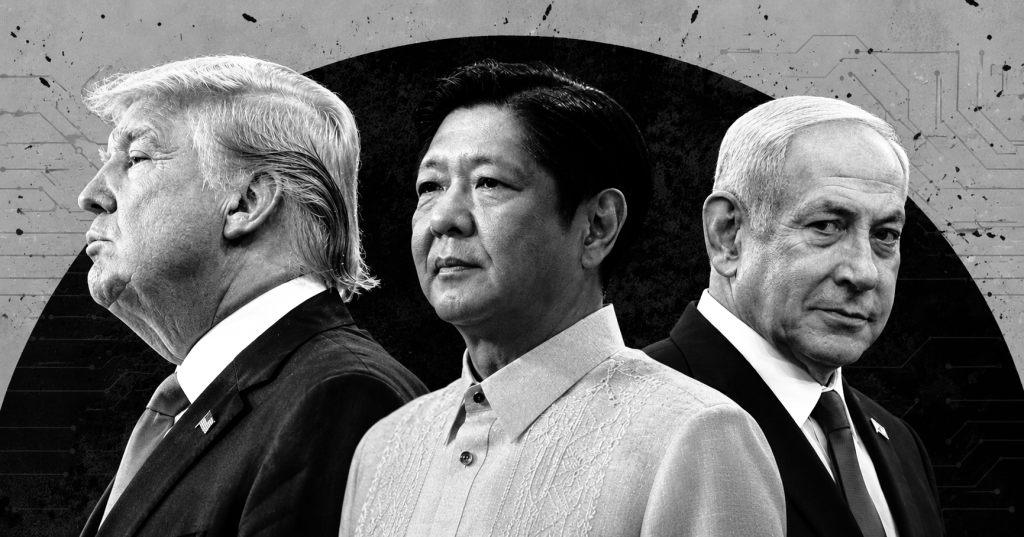
Pax Silica, Jacob Helberg’s AI Hub, and the Architecture of American China Containment in the Philippines Editorial Analysis | 30 May 2026 At 12:20 a.m. on 5 May 2026, a United States Army Typhon Mid-Range Capability launcher fired a Tomahawk cruise missile from Tacloban City Airport on Leyte Island in the central Philippines, striking its… Continue reading
AI and Digital Control, America, China, economics, EUROPE, Financial markets, Foreign Policy, Geopolitics, Global Finance, iran, israel, middle east, Mineral Resources, NATO, politics, reserve currency, Russia, South East Asia, SpaceAlex Karp, Bases Conversion and Development Authority, BCDA, BCDA Law, Cagayan bases, CREATE MORE Act, digital kill chain, diplomatic immunity rejected, Economic Security Zone, EDCA, Enhanced Defense Cooperation Agreement, Ferdinand Marcos Jr, Fort Magsaysay, Golden Node, Hill and Valley Forum, Investors Lease Act, Jacob Helberg, Joshua Bingcang, Lal-lo Airport, Luzon Economic Corridor, New Clark City, nine EDCA sites, Palantir Technologies, Pax Silica, Philippine sovereignty, Philippines AI hub, RA 12252, RA 7227, RA 7652, Supplemental Agreement, Tarlac, Under Secretary of State for Economic Affairs, US common law rejected, US-China Economic and Security Review Commission, Wires of War
