
reserve currency
-
Red Lines and Hard Choices of the US-Iran Standoff
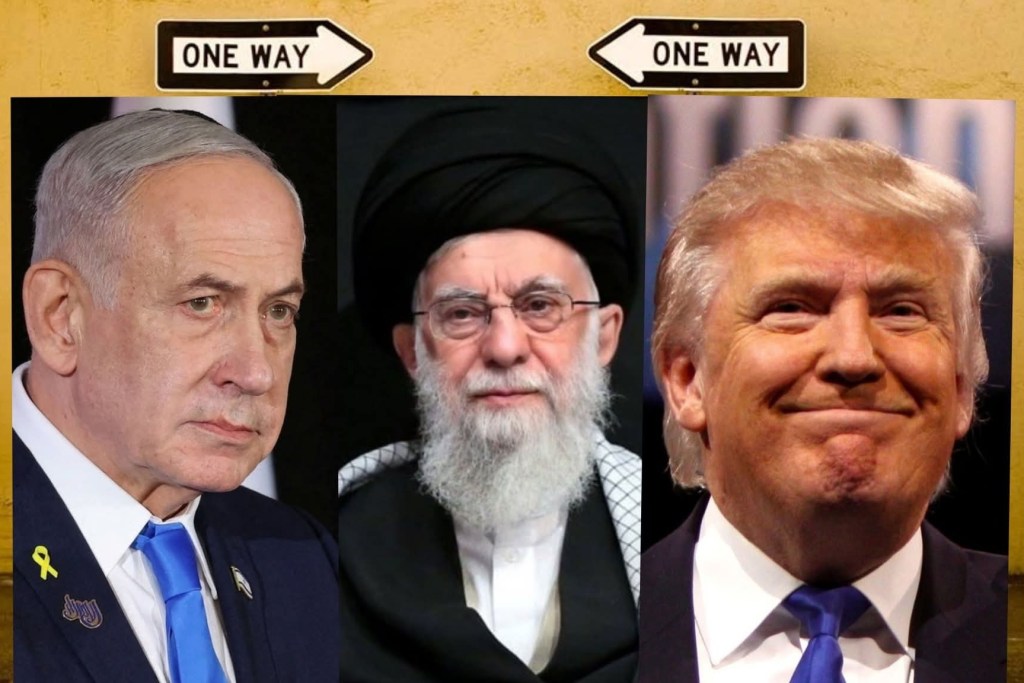
Why the US-Iran Impasse Matters to Global Order The standoff between the United States and Iran marks a clear deadlock over sovereignty, military deterrence, and regional power. Recent indirect negotiations in Muscat between U.S. envoys and Iranian officials produced little progress, showing that the parties’ red lines remain firmly inplacer. Iranian Foreign Minister Abbas Araghchi… Continue reading
-
Trump’s Tariffs Backfired and Weakened Economic Power
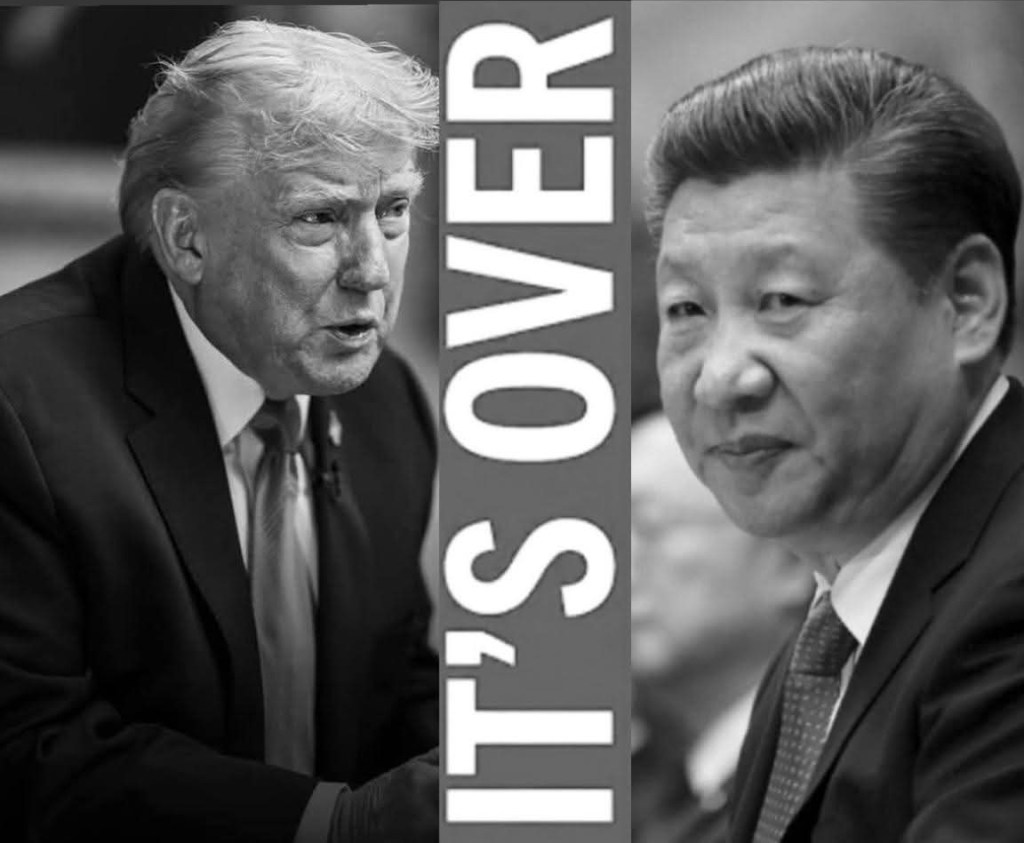
The Burdem of United States Trade Policy Failure Fell on American Consumers, Firms, Allies, and Markets The reintroduction and expansion of United States tariffs under the Trump administration formed the centrepiece of a strategy publicly presented as economic nationalism, strategic leverage, and industrial revival. The policy failed on each stated objective while imposing measurable domestic… Continue reading
-
The U.S Occupation of Nigeria Begins
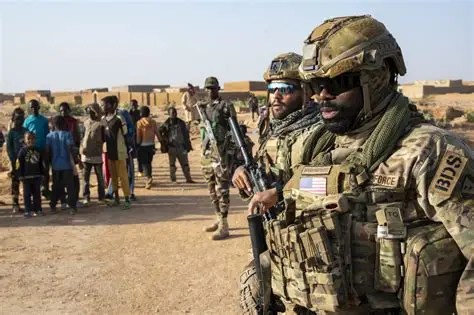
The Quiet Invasion of Nigeria Under the Banner of Peace: How the War on Terror Masks Resource Interests in Nigeria The recent announcement that the United States has deployed military personnel to Nigeria under the banner of counter-terrorism has generated significant debate about the true motivations behind such interventions. “This decision was announced in the… Continue reading
africa, AI and Digital Control, America, economics, Energy, Financial markets, Foreign Policy, Geopolitics, Global Finance, Mineral Resources, NATO, politics, reserve currency, warchaos theory, counter-terrorism, Game Theory, Geopolitics, global power dynamics, Hegelian dialectic, imperialism, international relations, military intervention, Mineral Resources, neocolonialism, Nigeria, oil and gas, political economy, resource politics, security studies, Sovereignty, strategic interests, US foreign policy, West Africa -
The West v. East GeoEconomic Warfare For Financial Primacy
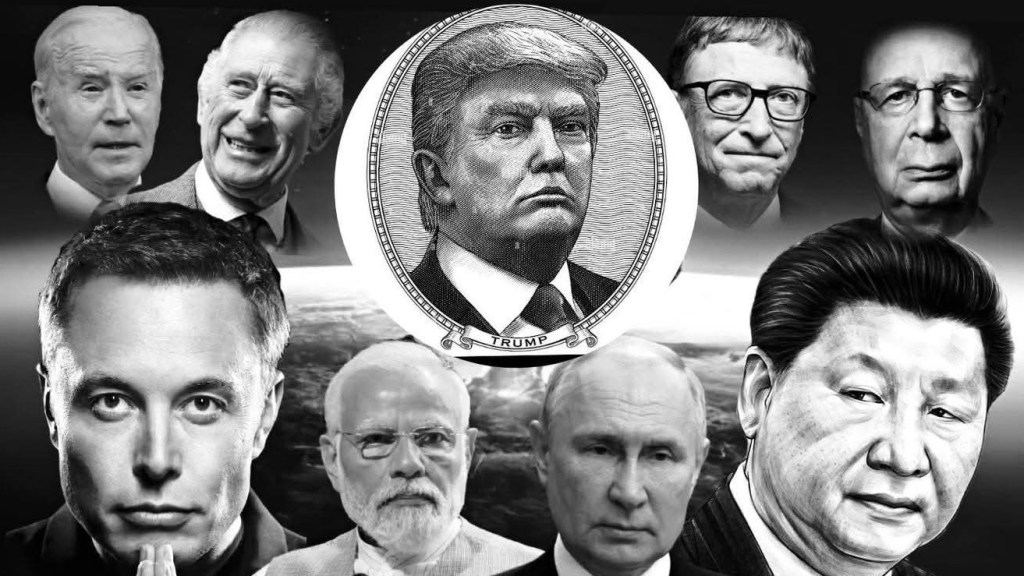
Monetary Systems, Power, and the Struggle to Shape and Control the Global Order for the Coming Generations West versus East; it is a war, for now, a smart kind of war, but one that results in a “permanent fragmentation” of the global financial architecture. This architecture that evolved after the Second World War rested upon… Continue reading
AI and Digital Control, America, China, economics, EUROPE, Financial markets, Foreign Policy, Geopolitics, Global Finance, israel, middle east, Mineral Resources, NATO, politics, reserve currency, Russia, South East Asia, warCBERS, chaos theory, Eastern Financial Systems, Economic Security, financial warfare, Game Theory, Geoeconomics, Global Finance, Gold Markets, Industrial Capacity, Minsky, Monetary sovereignty, Physical vs Paper Assets, reserve currency, sanctions, Silver Markets, Strategic Competition, Sun Tzu, SWIFT, US Dollar Dominance, West vs East -
Trump’s Dilemma – Iran is not blinking

Balancing Oil, Markets, and Military Strategy in the Face of Iranian Defiance President Trump faces a narrowing set of options over Iran as economic exposure, regional military realities, domestic political pressure, and an emerging credibility problem increasingly overlap. Alongside military and economic constraints, the sudden resurgence of the Epstein files across global media platforms has… Continue reading
-
Silver Crash: The Largest Act of Market Manipulation on Record

You can suppress futures prices, but you cannot suppress physical scarcity and markets will eventually reflect that reality. The collapse in gold and silver prices observed yesterday reflected a deliberate intervention rather than a market driven repricing event, given the scale, timing, sequencing, and institutional mechanisms involved. Gold declined by more than twelve per cent… Continue reading
-
The Dollar System and the End of Fiat Global Monetary Order
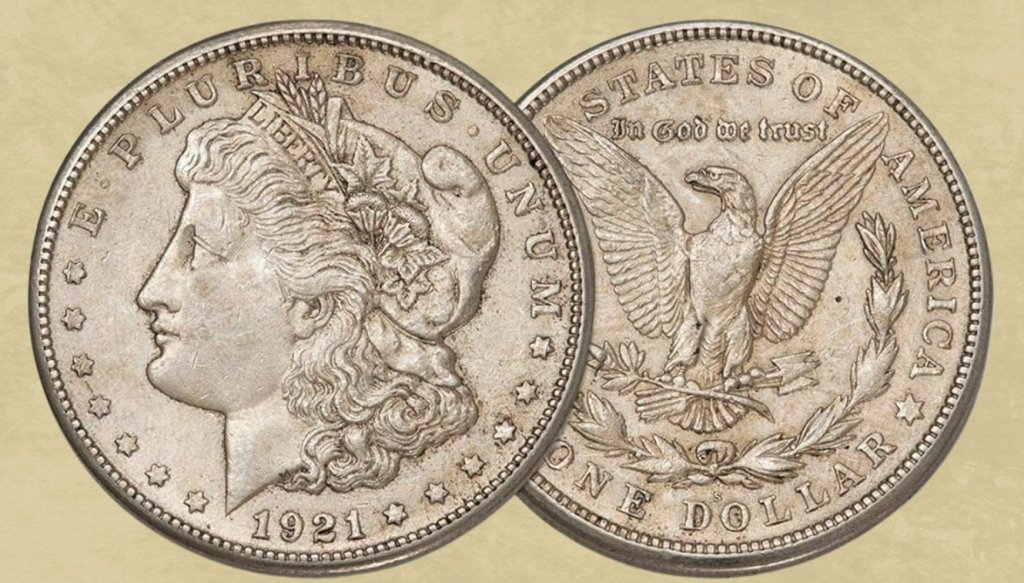
The Decline of Fiat Credibility and End of Monetary Universality in a Fragmenting Global Economy What is unfolding within the international monetary and financial system is more accurately described as de-fiatisation rather than de-dollarisation, because the structural erosion concerns confidence in state issued credit money rather than exclusive rejection of the United States dollar. Benjamin… Continue reading
-
The Board of Peace as a Turning Point in Global Governance
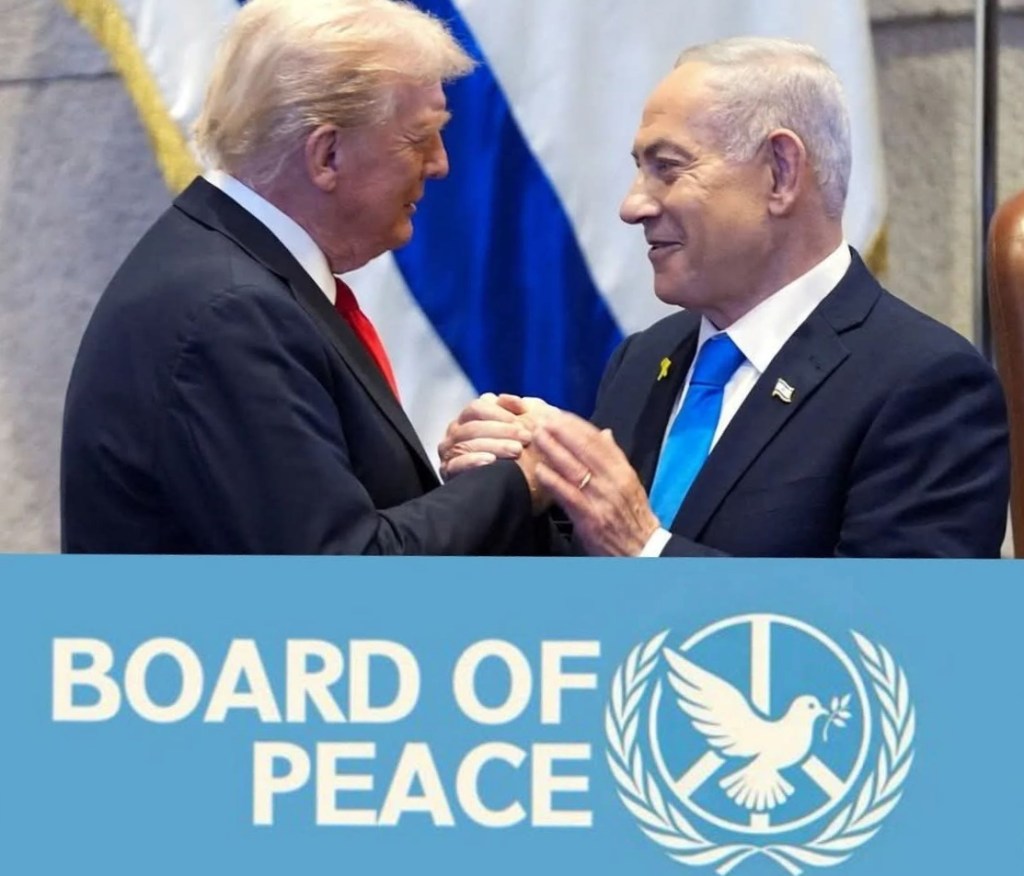
Institutional Self-Displacement at the United Nations: The Board of Peace as a Precedent for the Marginalisation of International Law and the Erosion of Collective Security The establishment of the Board of Peace represents a decisive institutional rupture in the post-1945 international order, because its legal form and political authority directly supersede the foundational role of… Continue reading
-
On the Menu at Last
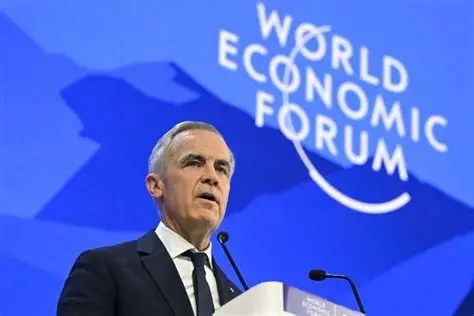
Mark Carney, Davos, and the Open Admission of Western Imperial Hypocrisy That Exposed the Conditional Morality of Western Power The speech delivered by Canada’s Prime Minister Mark Carney at the World Economic Forum in Davos warrants close scrutiny not for its surface-level defiance, but for the structural admissions it contains regarding Western power, hierarchy, and… Continue reading
-
The United States as the Principal Adversary of its Own Currency
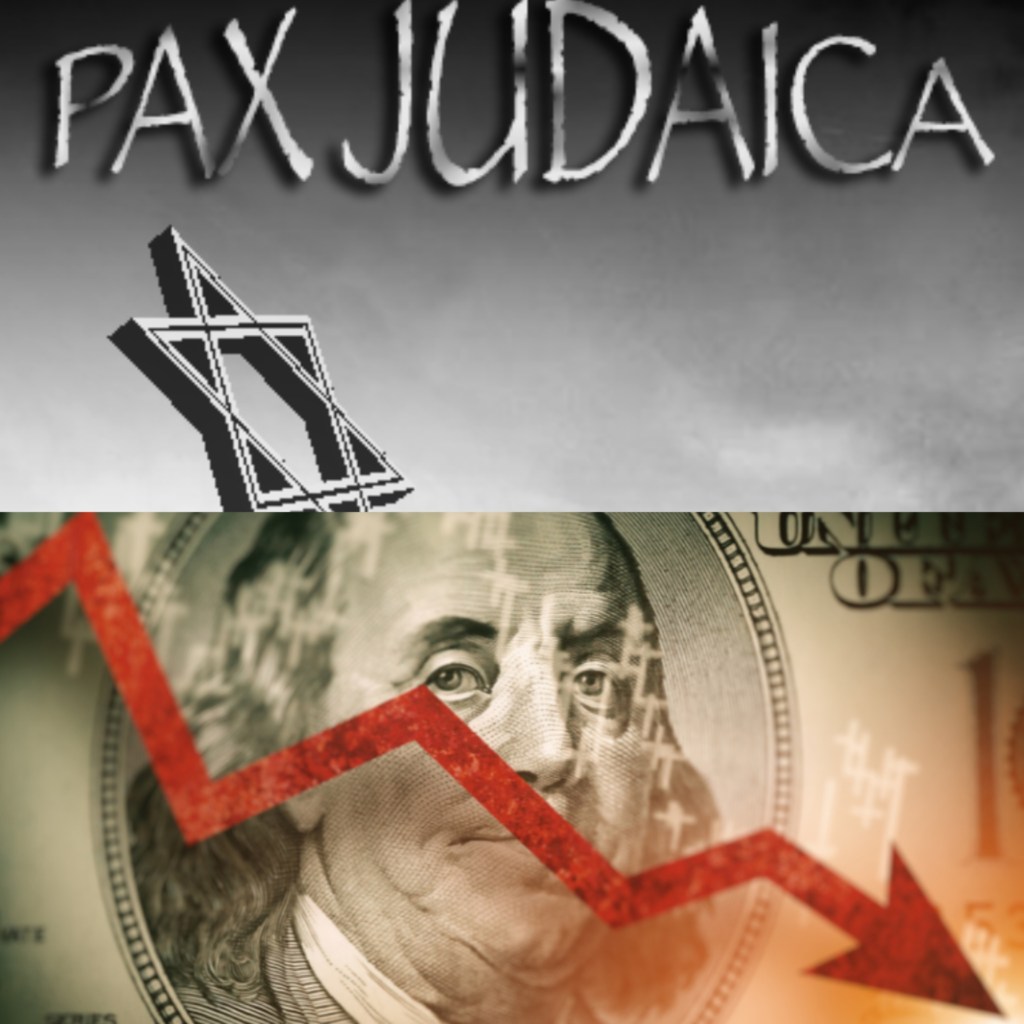
The political economy consequences of turning financial infrastructure into weapons hence de-risking from America is a rational response to concentrated monetary power The United States dollar emerged as the core instrument of global trade and finance after 1945, supported by American industrial dominance, military reach, and the Bretton Woods framework. That position rested on confidence… Continue reading
