
Russia
-
Mark Carney’s Speech at Davos: Is it just Theatrics?
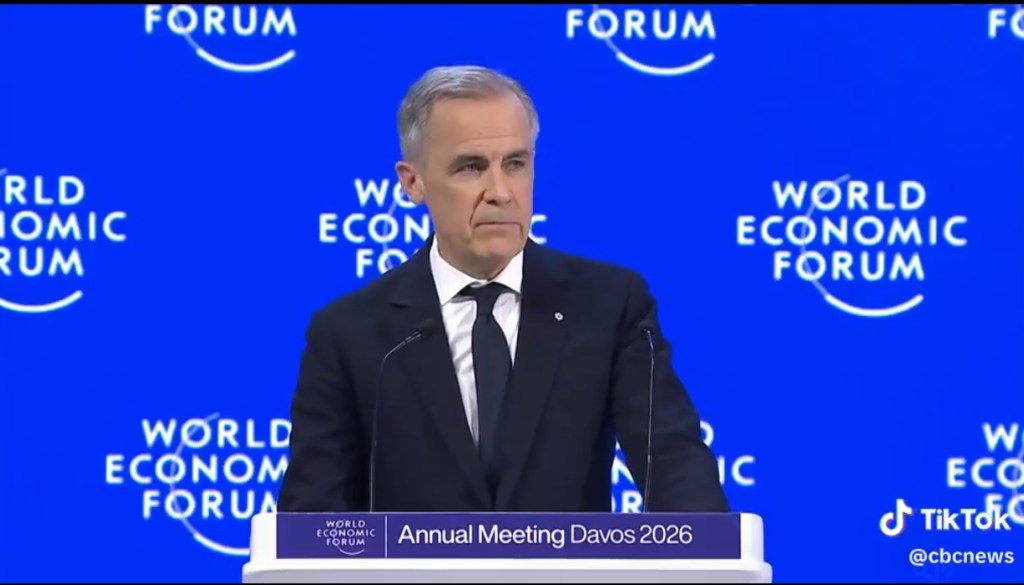
So at the gathering in Davos, of the self appointed decision makers of the lives of 8 billion people, Switzerland, Canadian Prime Minister Mark Carney delivered what may appears to history defining speech to be recorded in future history text books era defining. However, is it all theater? Are these contentions genuine or just a… Continue reading
AI and Digital Control, America, economics, Energy, EUROPE, Foreign Policy, Geopolitics, Global Finance, NATO, politics, Russia, warBritish foreign policy, Canada, China, Davos, economic weaponisation, European Union, Geopolitics, global governance, institutional immunity, mark carney, multipolarity, NATO, post-war international order, Russia, strategic disruption, systemic rupture, transatlantic relations, United States foreign policy, WEF -
Manufacturing Public Acceptance of War
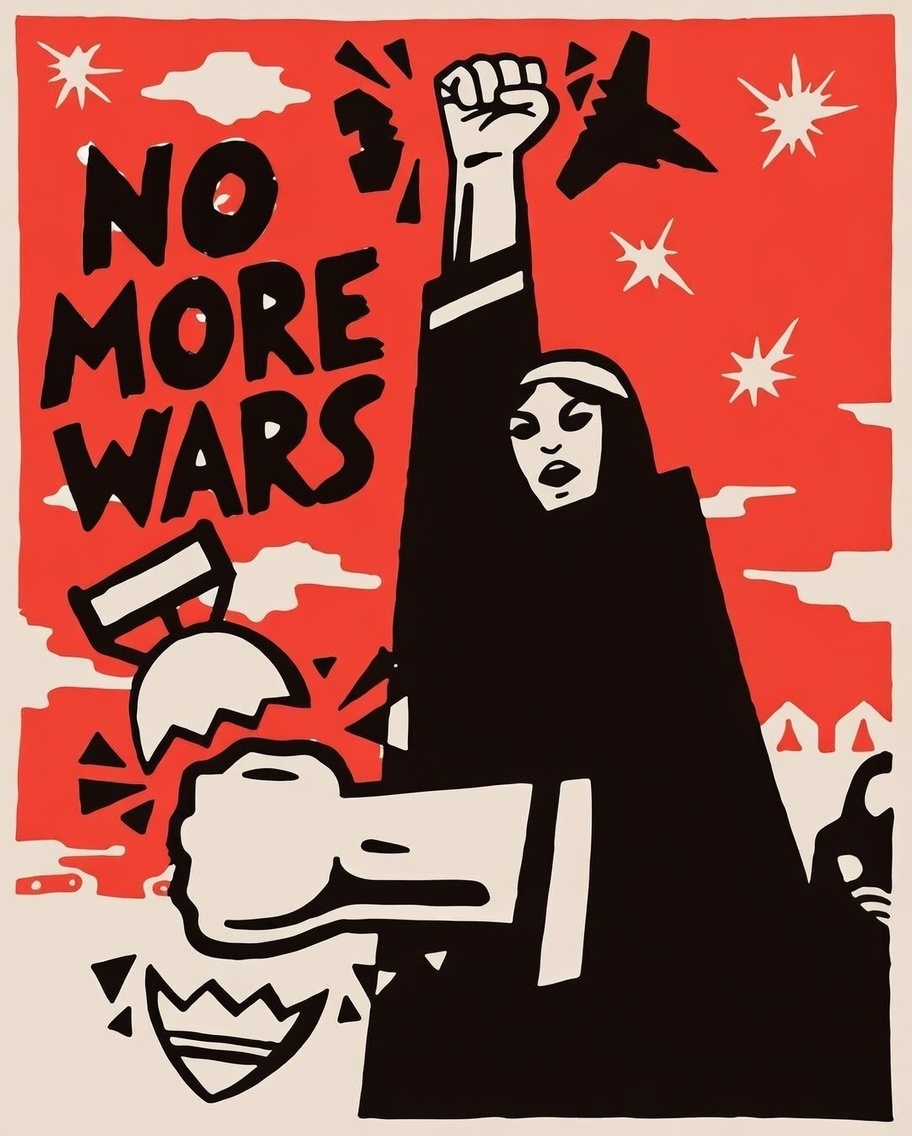
How Behavioural Conditioning and Narrative Control Produce Acceptance of War Support for moving closer to war did not form on its own or in response to a single event. People were pushed toward accepting escalation through repeated messages, selective information, and emotional pressure applied over time. Government statements, major media coverage, and institutional signalling reinforced… Continue reading
AI and Digital Control, America, Foreign Policy, Geopolitics, middle east, NATO, politics, Russia, waralliance systems, behavioural conditioning, foreign policy continuity, geopolitical instability, information control, manufactured consent, media alignment, narrative control, obedience and authority, psychological manipulation, public opinion management, sanctions policy, United States power, war escalation -
Europe Reconsiders Russia as North America Fractures Under Trade Pressure
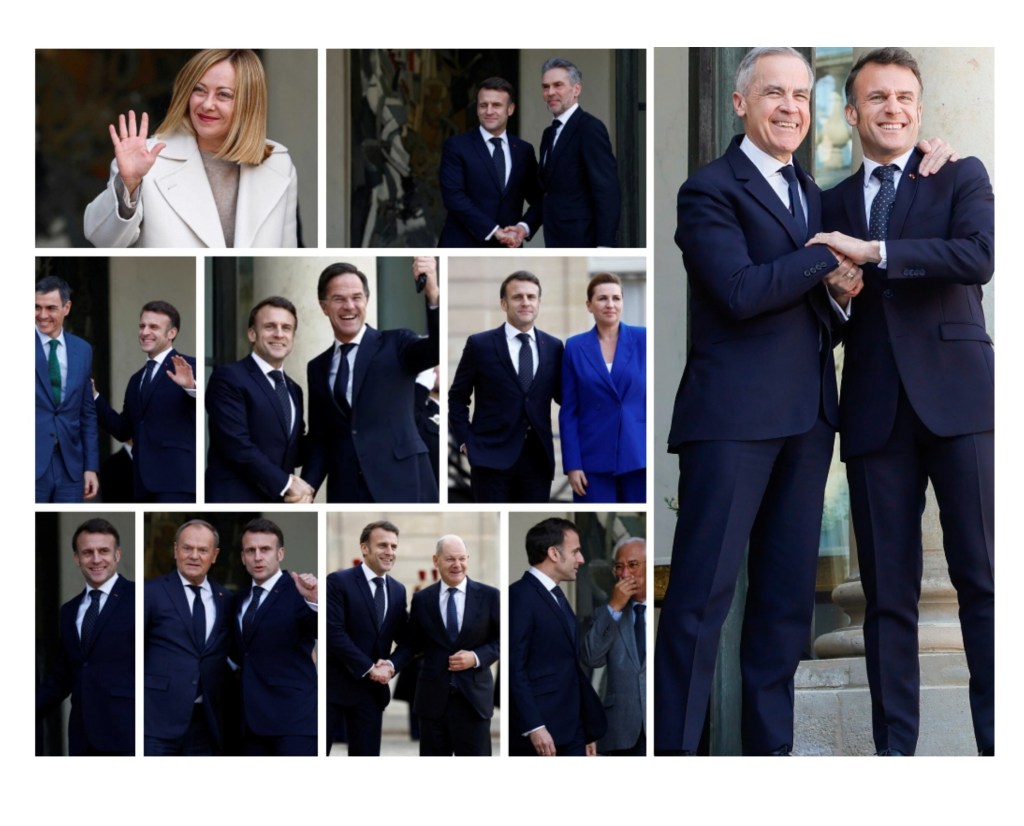
Europeans considering re-engagement with Moscow as Canada turns toward China under US pressure European political leaders appear to be recalibrating their posture towards the Russian Federation after years of hostility driven by the conflict in Ukraine. French President Emmanuel Macron, Italian Prime Minister Giorgia Meloni and German Chancellor Friedrich Merz have each articulated versions of… Continue reading
-
The Cost of Iran’s Repeated Failures in Security and Economy
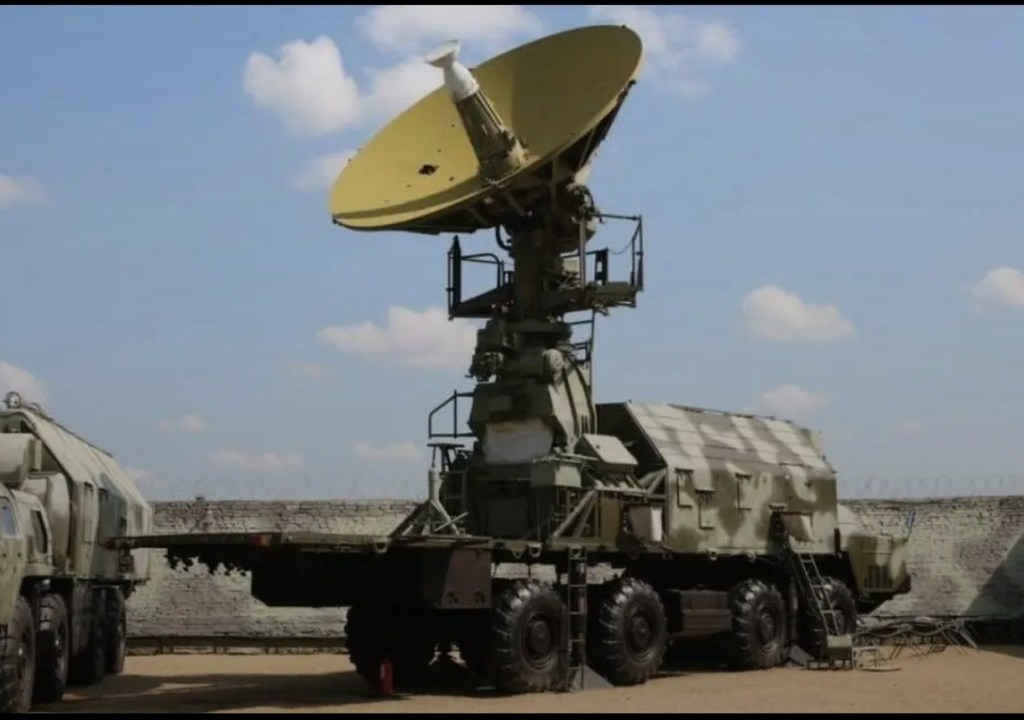
Understanding the Consequences of Ignoring Institutional Lessons and How Strategic Blind Spots Undermine National Stability Iran’s recent crisis reflects a repeated failure to learn established lessons about survival under sustained external pressure. These lessons concern preparation for regime change operations, economic stabilisation as a security function, internal security consolidation, and deterrence credibility against external coercion.… Continue reading
-
Japan’s Remilitarisation Dream Meets Reality
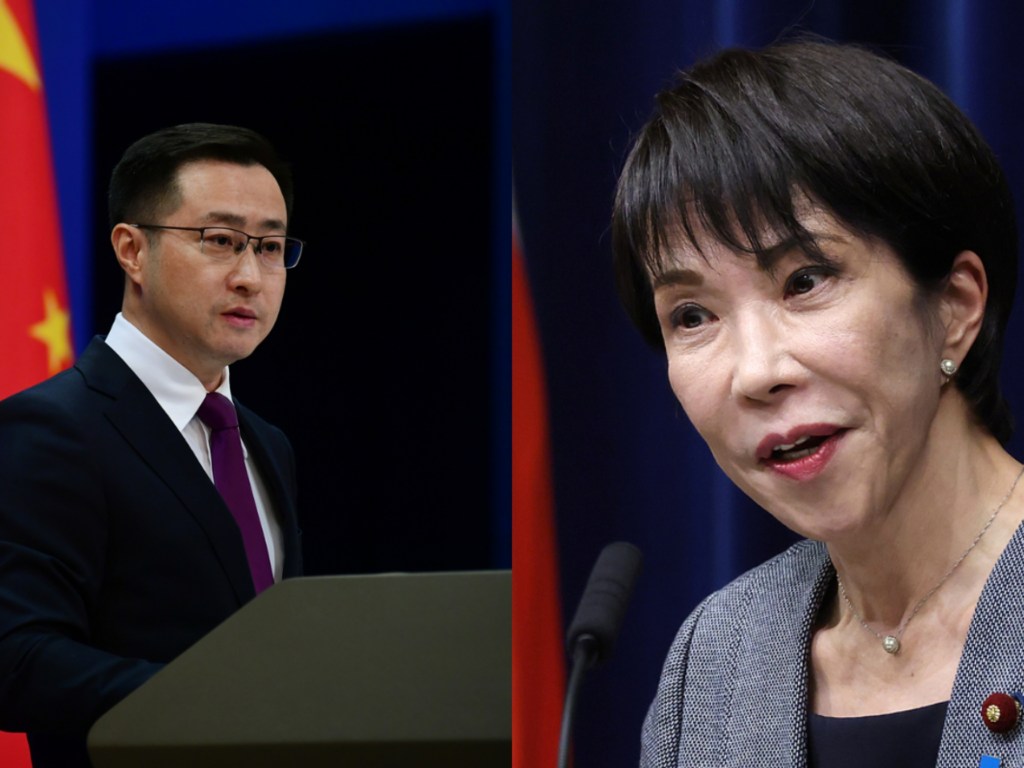
Why industrial dependence and surrender-era agreements undermine Tokyo’s push toward confrontation The dispute between Japan and China became clearer once official statements confirmed the issue involved military supply restrictions rather than general trade policy. Japan’s prime minister, Sanae Takaichi, publicly committed her government to accelerated remilitarisation and explicit preparation for potential conflict with China. That… Continue reading
-
Western Sanctions and External Interference: Undermining Iran’s Stability
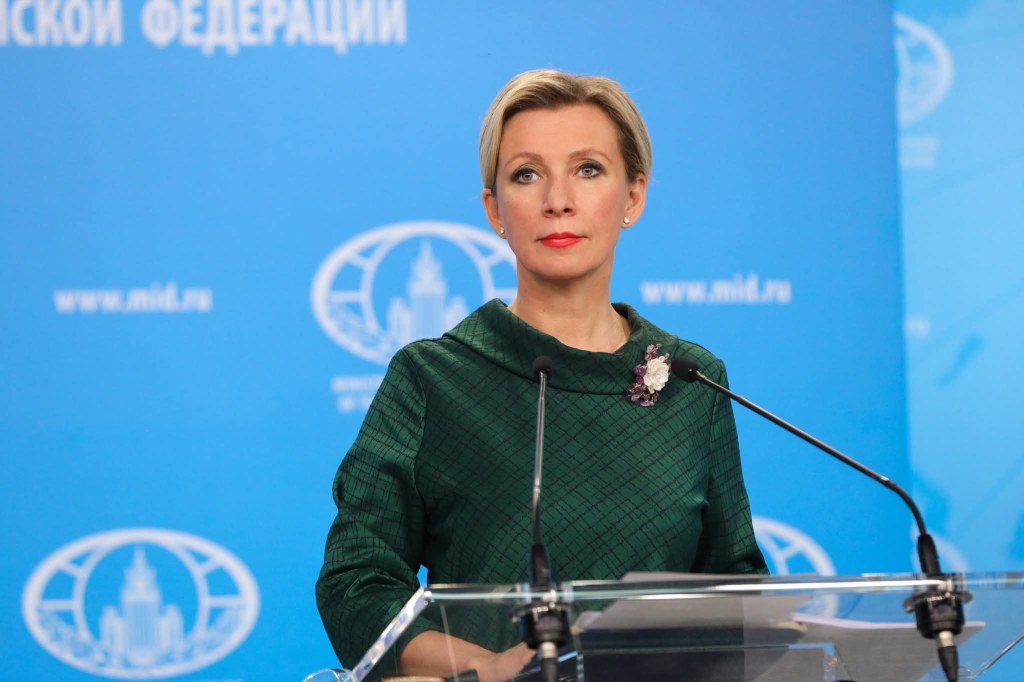
Maria Zakharova Blames Foreign Powers for Instigating Unrest and Destabilizing the Iranian State Russian MFA spokesperson Maria Zakharova claimed that the West’s unlawful sanctions on Iran have hindered its development, causing economic and social strain that primarily impacts ordinary citizens. She framed these pressures as part of a broader strategy by hostile external forces to… Continue reading
-
Iran and the Next Phase of Forced Regime Change

The structural logic driving the United States and Israel toward conflict with Iran The present confrontation between the United States, Israel, and Iran reflects a long-running project of coercion, containment, and eventual removal of a non-compliant regional power whose position obstructs Western strategic dominance across Eurasia. The current phase combines overt military signalling, economic strangulation,… Continue reading
-
Iran Accuses U.S. and Israel of Stoking Unrest by Supporting Foreign Terrorists

As deadly protests continue over economic woes, Iranian officials blame external forces for fueling violence, while President Trump signals potential intervention. Iranian President Masoud Pezeshkian has accused the U.S. and Israel of actively stoking unrest within the country by supporting “foreign terrorists” embedded among protesters. In a televised interview, Pezeshkian claimed that the violent unrest,… Continue reading
-
Power Without Restraint in Defence of Dollar Primacy
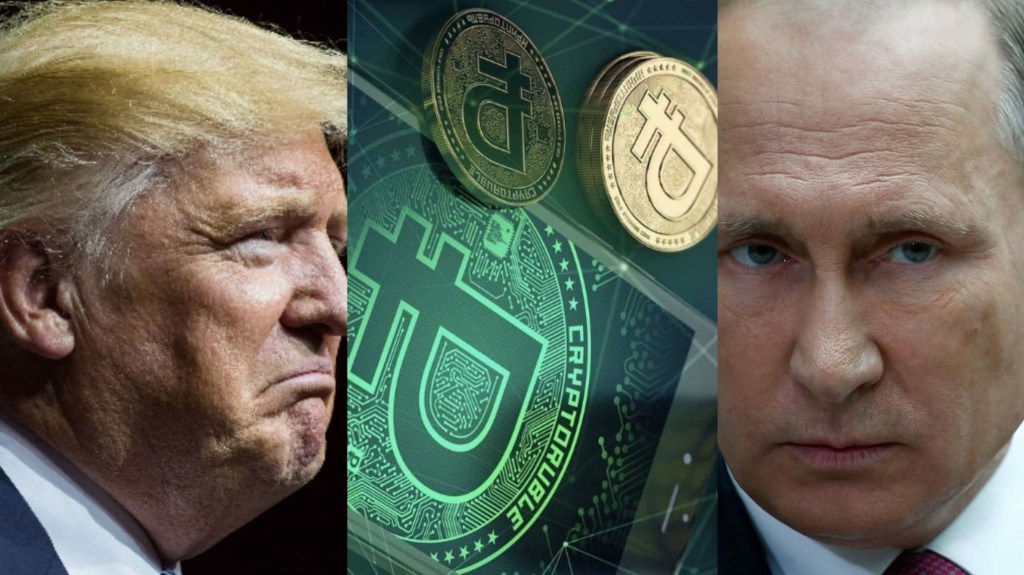
Resource control, dollar primacy, and the costs of discarding realism The recent pattern of United States behaviour towards Venezuela, Cuba, Colombia, Iran, and even Greenland reflects a continuity in coercive statecraft rooted in resource control, financial dominance, and regime pressure rather than isolated rhetorical excess. The kidnapping of Venezuelan President Nicolás Maduro, described in United… Continue reading
-
The Myth of the Peaceful Era: Conflict as a Permanent Feature of Global Order
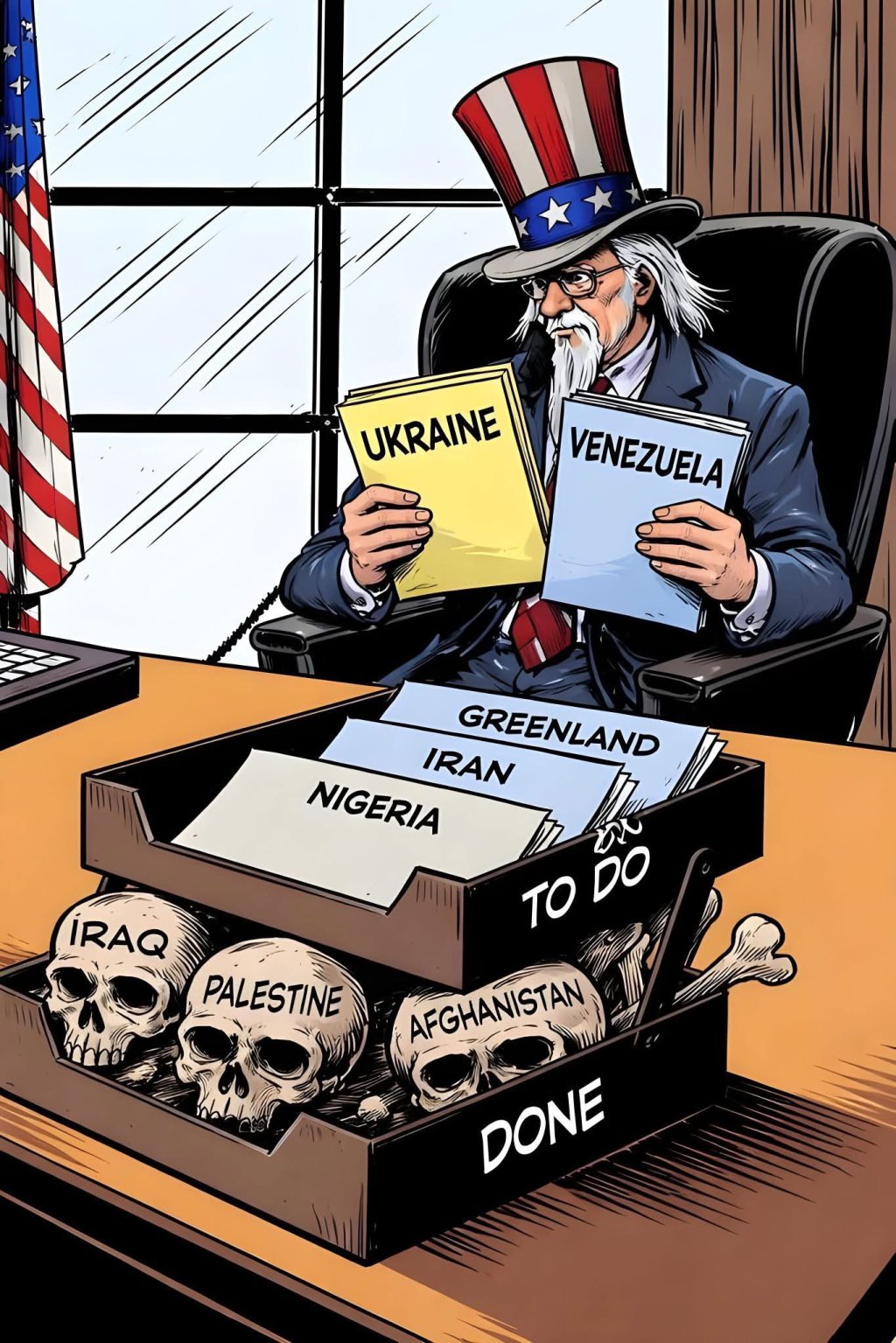
Conflict persistence from empire to unipolarity in a long view of organised violence The modern international system shows persistent armed conflict across centuries, with no decade entirely free from warfare across regions. Historical datasets covering roughly three thousand five hundred years record only about two hundred sixty eight years without major wars. These figures align… Continue reading
