
Russia
-
Washington’s Never Ending War on Iran
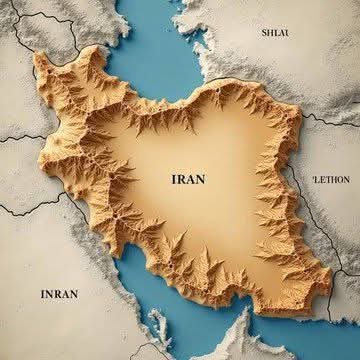
How six years of negotiation, proxy pressure and energy strategy have shaped American policy toward Tehran Every round of negotiation between Washington and Tehran since 2018 has ended the same way, with talks collapsing shortly before or during a major escalation rather than after one. Donald Trump withdrew the United States from the Joint Comprehensive… Continue reading
-
Faltering American Strategy in the Middle East

Escalation in the Strait: Trump, Iran, and the Anatomy of a Strategic Trap The Strait of Hormuz has long been recognised as one of the world’s most consequential maritime chokepoints. Approximately 20 per cent of globally traded oil passes through its narrow waters, making its security a matter of strategic concern for every major economy.… Continue reading
-
The Fracturing of European Solidarity:

Ukrainian Refugees and the Retreat from Humanitarian Commitment The numbers alone tell a story of unprecedented displacement. As of May 2026, Eurostat recorded 4.38 million Ukrainian refugees under temporary protection across European Union member states, with Germany hosting 1.28 million, Poland 967,500, and Spain 267,700 (1). Women constitute the majority of these refugees, reflecting the… Continue reading
-
Lyndsey Graham: ‘Good Riddance’ is Trending
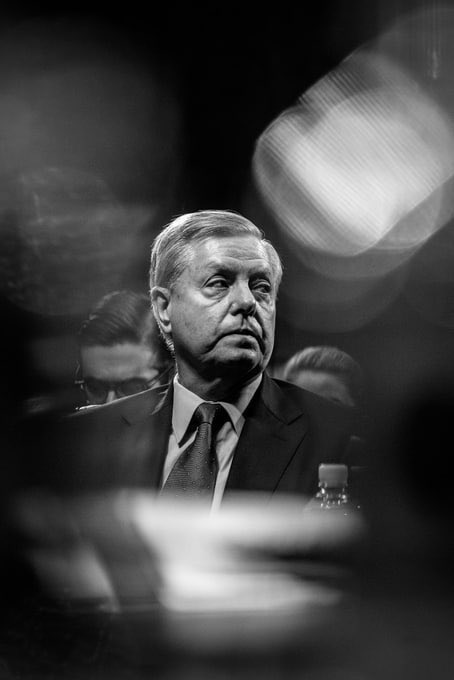
The Final Journey of Senator Lindsey Graham: A Reconstruction of Publicly Documented Movements The sudden death of Senator Lindsey Graham on July 11, 2026, at the age of 71, sent shockwaves through Washington and the international community. A close ally of President Donald Trump and one of the most vocal supporters of Ukraine in the… Continue reading
-
NATO’s narrative of Ukrainian victory is failing to correspond to battlefield reality

The Ankara Summit and the Escalating Logic of Russian Military Strategy The NATO summit that concluded in Ankara on July 8 was intended to project alliance cohesion and demonstrate unwavering support for Ukraine. The final declaration pledged €70 billion in military equipment, assistance, and training for Ukraine in 2026, with a commitment to maintain at… Continue reading
-
The Reckoning of Artificial Intelligence

Debt, Delusion, and the Coming Tech Depression Tags: Artificial Intelligence, Venture Capital, Hyperscalers, Corporate Debt, Semiconductor Industry, US Defence Budget, Technology Policy, Financial Risk For the better part of a decade, the technology industry has presented itself as the engine of modernity and economic growth. Its leading firms were celebrated as paragons of efficiency, generating… Continue reading
-
Moscow tells Berlin to stop arming Kiev instead of preaching peace

The Russian Foreign Ministry spokeswoman argues Germany should stop supporting Kiev militarily instead of calling on Moscow to end the conflict. Russian Foreign Ministry spokeswoman Maria Zakharova has dismissed a German diplomat’s suggestion that Russia end the Ukraine conflict as a way to resolve fuel shortages, arguing instead that Germany should stop supporting Kiev militarily.… Continue reading
AI and Digital Control, America, EUROPE, Financial markets, Foreign Policy, Geopolitics, imperialism, iran, israel, Mineral Resources, NATO, neocolonialism, Russia, warBanderites, Berlin, crimea, diplomacy, drone strikes, energy infrastructure, fuel shortages, German Embassy, Germany, international relations, kiev, Lena Hillermeier, Maria Zakharova, Military Aid, moscow, proxy war, Russia, Russia-Ukraine conflict, Russian Foreign Ministry, Stepan Bandera, ukraine, vladimir putin -
Two Fronts, One Strategic Architecture
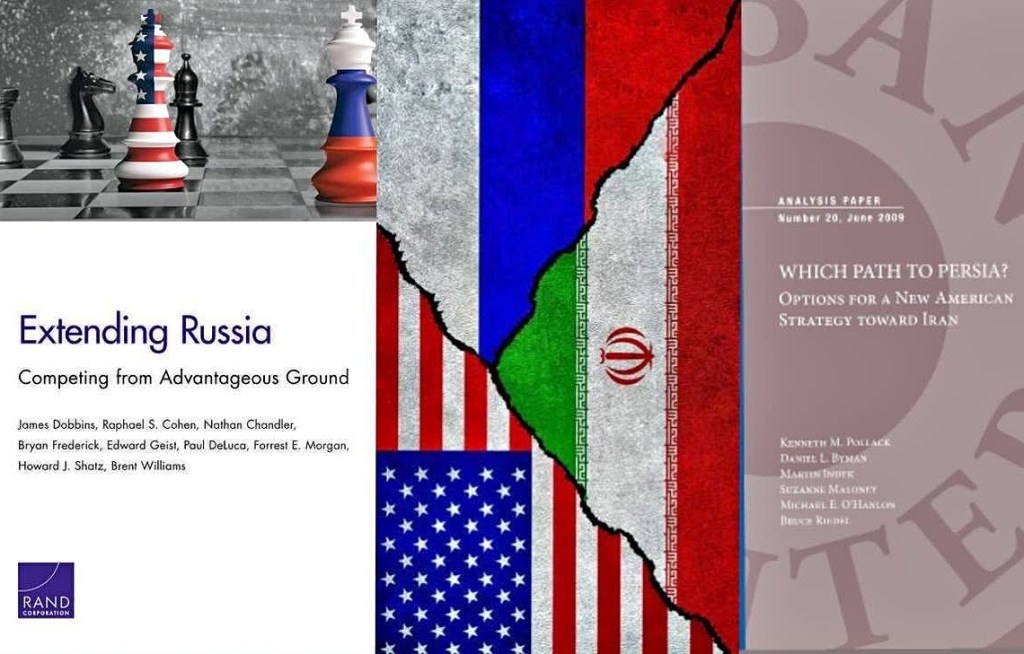
How RAND’s Russia strategy and Brookings’ Iran strategy were written into the wars that followed RAND Corporation is not an independent commentator sitting outside the American state. It is a federally funded research and development centre that has operated under standing contract to the US Army, the Air Force, and the Office of the Secretary… Continue reading
-
The Proxy War
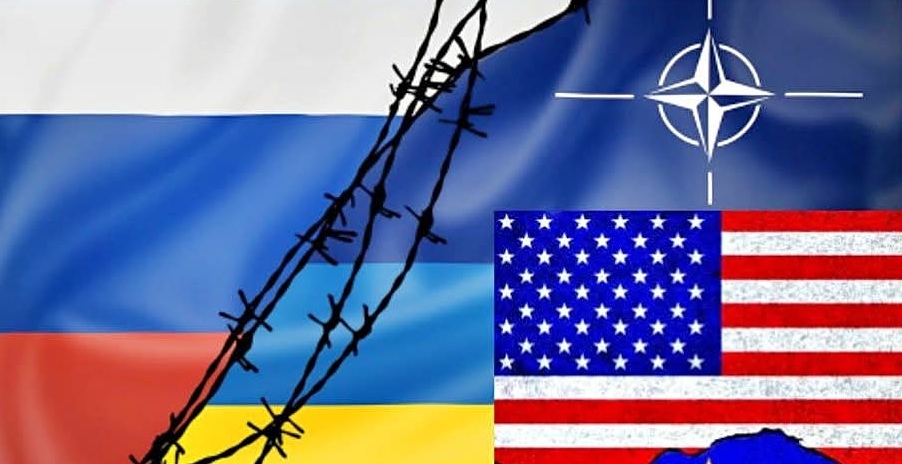
How EU Financing, NATO Procurement, British Weapons Programmes and the Command of Negotiations Sustain Ukraine’s War Effort On 3 July, President Vladimir Putin appeared in military fatigues at a forward command post in Donbas, a day after Russian forces launched one of the largest combined drone and missile strikes of the war against Kyiv. The… Continue reading
-
Decline on the World Stage

Strategic Solvency, Institutional Interventions, and the Structural Attrition of the Transnational System Editorial Analysis |July 2026 The Strategic Insolvency of Asymmetric Conflict The structural stability of a global superpower depends on maintaining strategic solvency, a condition where external military commitments remain balanced by domestic fiscal capacity and industrial endurance. The deployment of significant American military… Continue reading
