
China
-
Convergence in the Persian Gulf
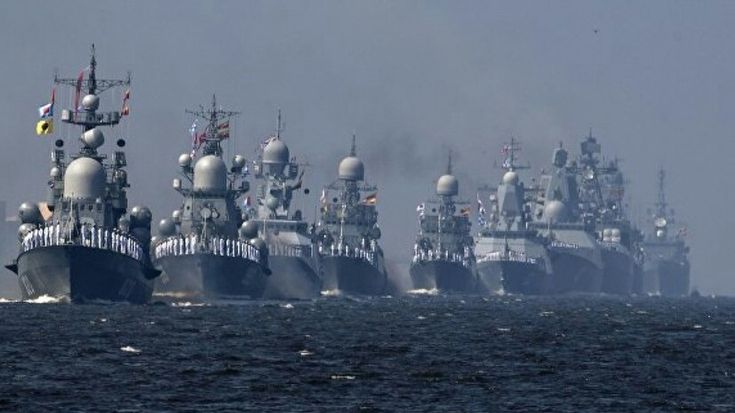
Convergence among Iran, China, and Russia in the Strait of Hormuz alters American risk calculations, though it does not remove the structural capacity of the United States to initiate military action. American primacy in the Strait of Hormuz rests upon a maritime doctrine shaped by Alfred Thayer Mahan’s classic argument that control of sea lanes… Continue reading
AI and Digital Control, China, economics, Energy, EUROPE, Financial markets, Foreign Policy, Geopolitics, Global Finance, israel, middle east, Mineral Resources, NATO, politics, Russia, warasymmetric warfare, BRICS, China, deterrence theory, energy security, Eurasian integration, Fifth Fleet, financial warfare, great power competition, Gulf geopolitics, iran, Maritime Security Belt, multipolarity, naval strategy, Persian Gulf, Russia, sanctions, sea power, Strait of Hormuz, United States Navy -
China’s Military Shake-Up
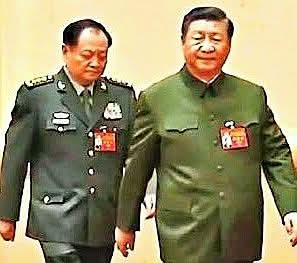
Understanding Xi Jinping’s balancing of loyalty, competence, and institutional stability in China’s armed forces, within the context of governance and national development The investigation and removal of General Zhang Youxia, one of the most senior officers in the People’s Liberation Army and vice-chairman of China’s Central Military Commission (CMC), marks an event of deep significance… Continue reading
anti-corruption campaign, Central Military Commission, centralisation, China, Chinese governance, Chinese political system, competence, corruption, cross-strait relations, economic development, international relations, leadership consolidation, loyalty, military purge, military readiness, People’s Liberation Army, PLA, poverty alleviation, regional security, strategic planning, taiwan, Xi Jinping, Zhang Youxia -
Mark Carney’s Speech at Davos: Is it just Theatrics?
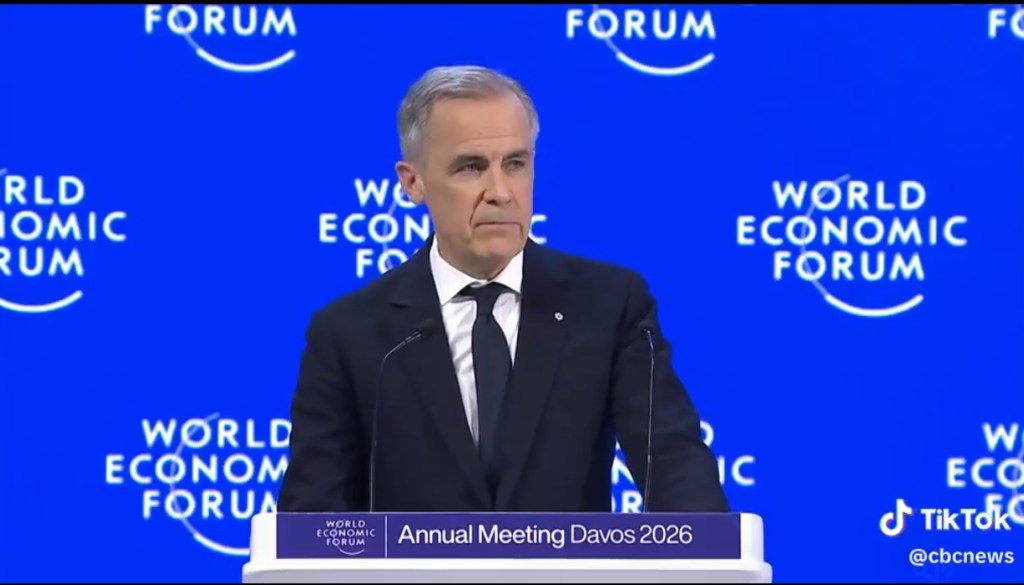
So at the gathering in Davos, of the self appointed decision makers of the lives of 8 billion people, Switzerland, Canadian Prime Minister Mark Carney delivered what may appears to history defining speech to be recorded in future history text books era defining. However, is it all theater? Are these contentions genuine or just a… Continue reading
AI and Digital Control, America, economics, Energy, EUROPE, Foreign Policy, Geopolitics, Global Finance, NATO, politics, Russia, warBritish foreign policy, Canada, China, Davos, economic weaponisation, European Union, Geopolitics, global governance, institutional immunity, mark carney, multipolarity, NATO, post-war international order, Russia, strategic disruption, systemic rupture, transatlantic relations, United States foreign policy, WEF -
Trump’s Chaos and the Disassembly of the Rules-Based Order
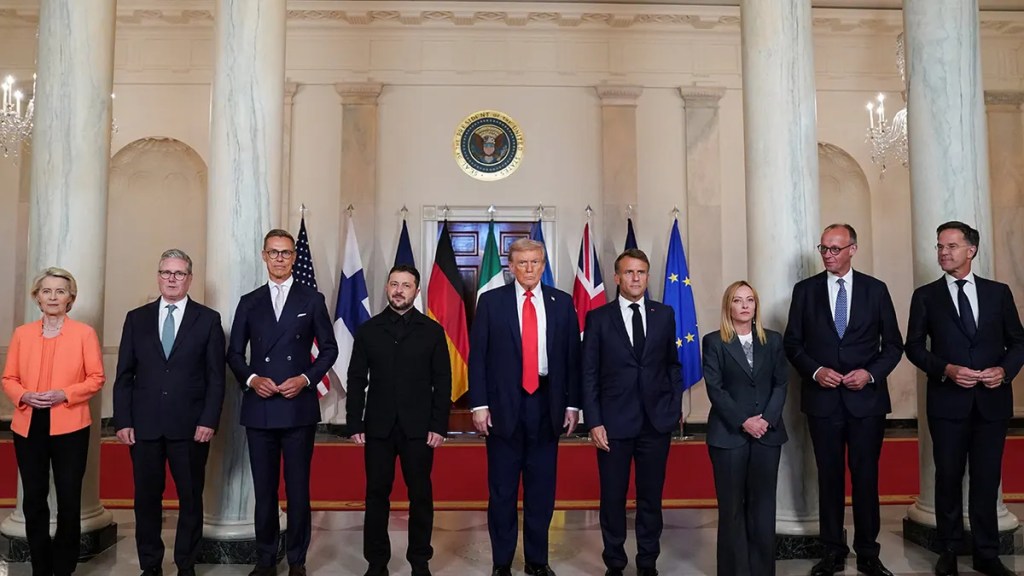
Strategic Realignment, Elite Resistance, and the Reconfiguration of Global Power The contemporary pattern of apparent disorder surrounding the Trump administration has been interpreted by several analysts as the visible surface of a deeper strategic reorientation of international power relations, rather than as an accumulation of uncoordinated or impulsive actions. According to geopolitical analyst Alex Krainer,… Continue reading
-
Europe Reconsiders Russia as North America Fractures Under Trade Pressure
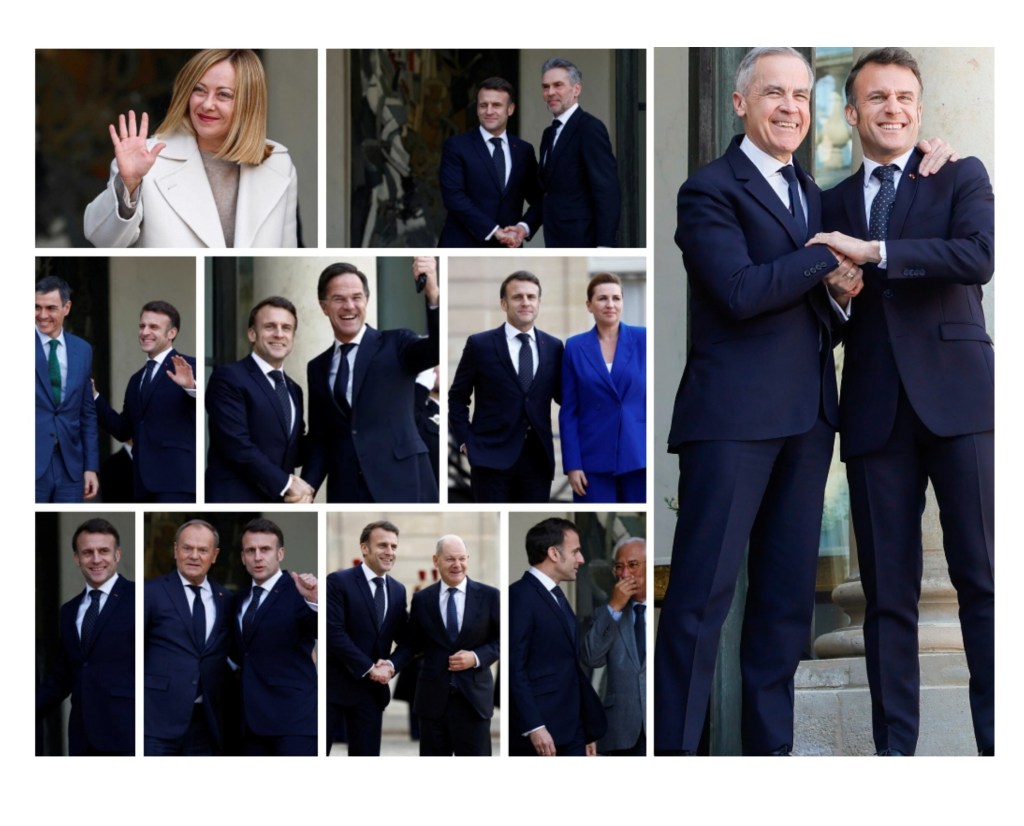
Europeans considering re-engagement with Moscow as Canada turns toward China under US pressure European political leaders appear to be recalibrating their posture towards the Russian Federation after years of hostility driven by the conflict in Ukraine. French President Emmanuel Macron, Italian Prime Minister Giorgia Meloni and German Chancellor Friedrich Merz have each articulated versions of… Continue reading
-
The United States as the Principal Adversary of its Own Currency
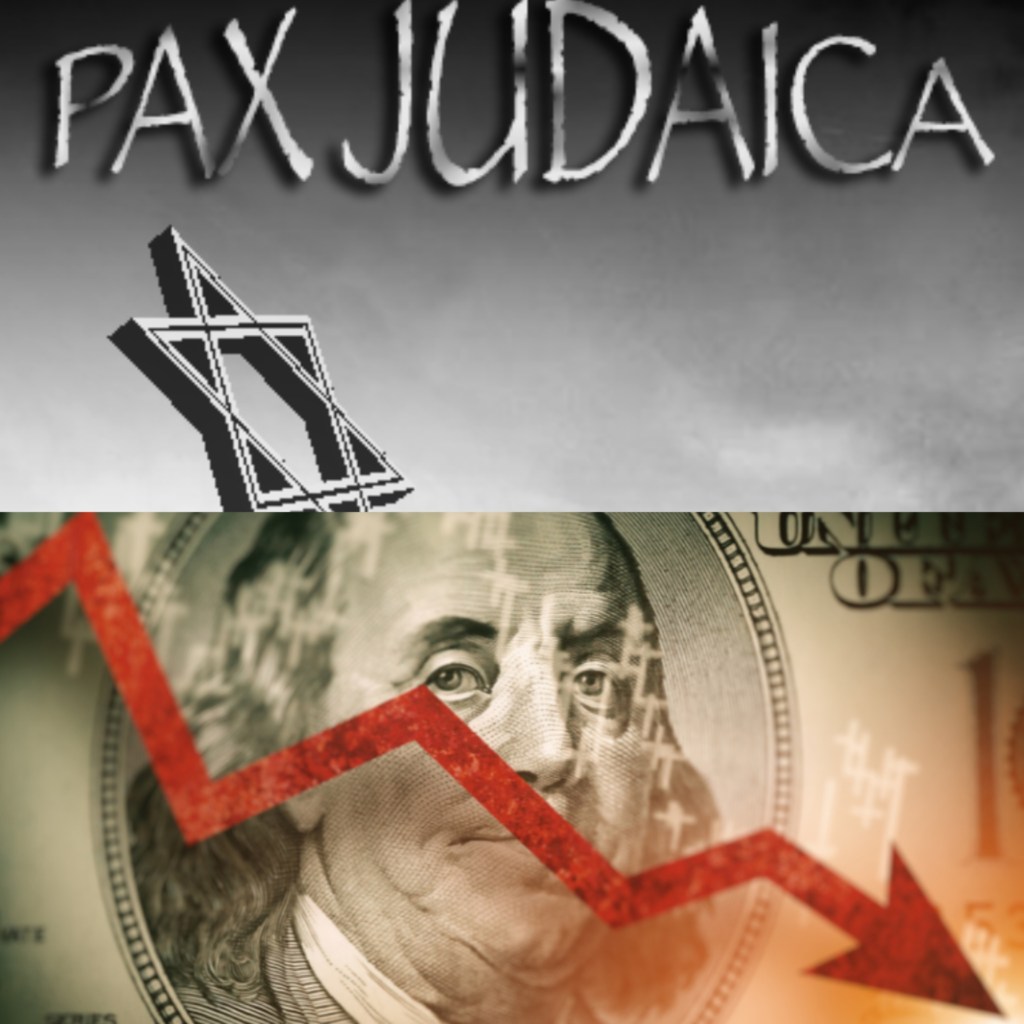
The political economy consequences of turning financial infrastructure into weapons hence de-risking from America is a rational response to concentrated monetary power The United States dollar emerged as the core instrument of global trade and finance after 1945, supported by American industrial dominance, military reach, and the Bretton Woods framework. That position rested on confidence… Continue reading
-
Japan’s Remilitarisation Dream Meets Reality
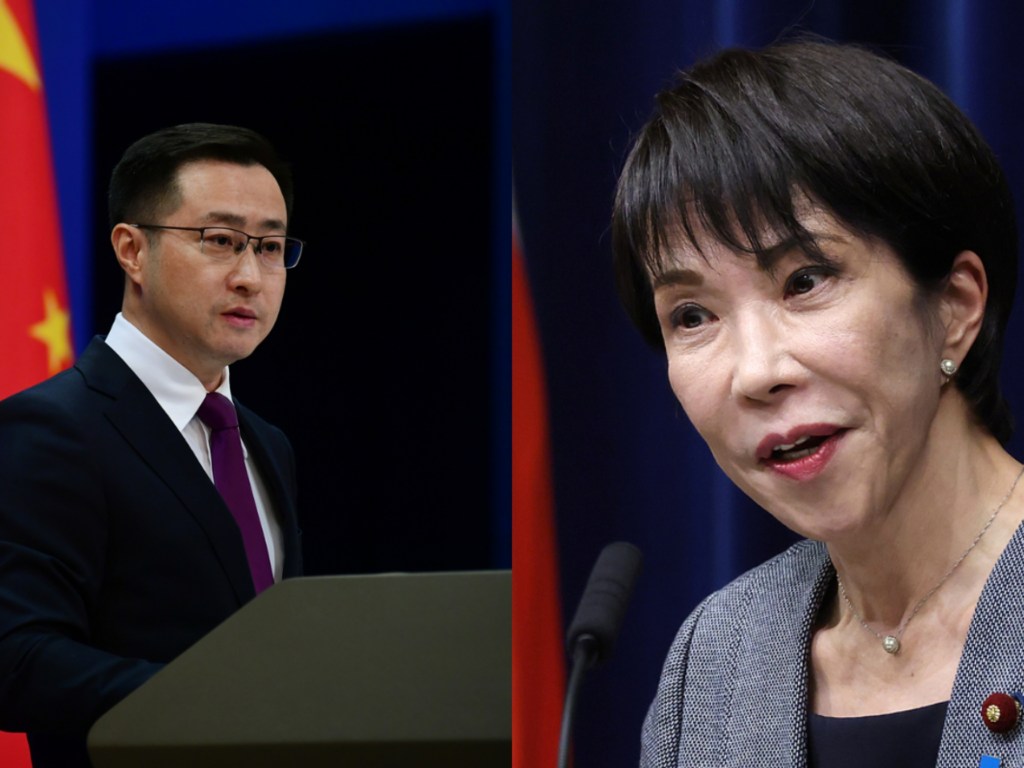
Why industrial dependence and surrender-era agreements undermine Tokyo’s push toward confrontation The dispute between Japan and China became clearer once official statements confirmed the issue involved military supply restrictions rather than general trade policy. Japan’s prime minister, Sanae Takaichi, publicly committed her government to accelerated remilitarisation and explicit preparation for potential conflict with China. That… Continue reading
-
Brazil’s Venezuela Veto: A Strategic Miscalculation in face of the U.S. Security Pivot
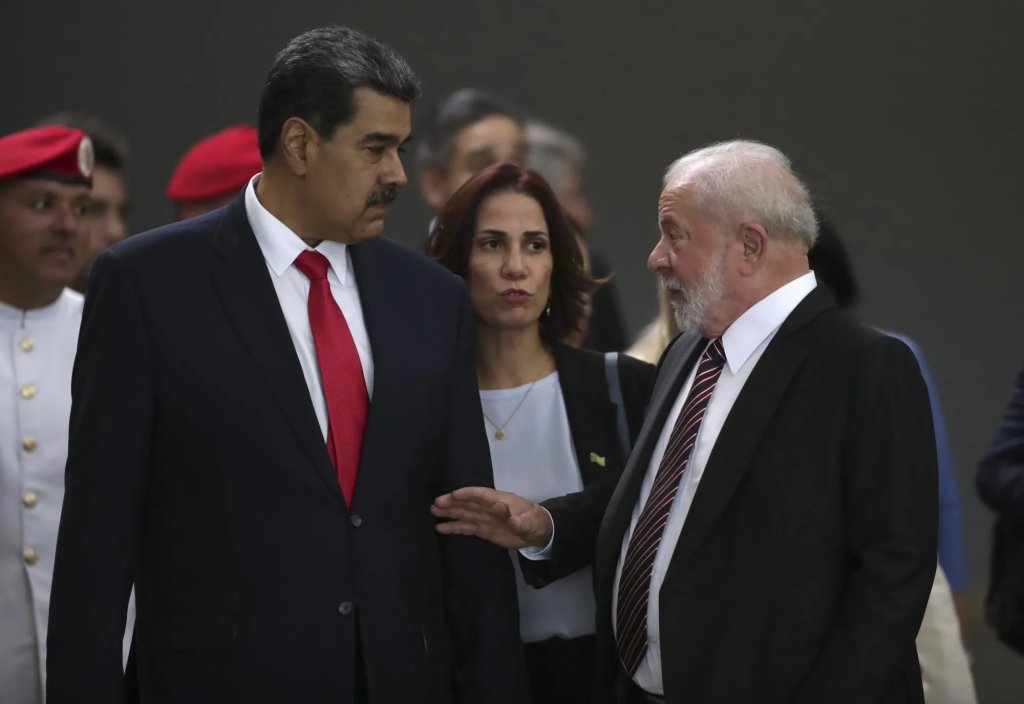
How blocking Venezuela reshaped BRICS cohesion and weakened Brazil’s strategic position amid renewed U.S. regional dominance The decision by Luiz Inácio Lula da Silva to veto Venezuela’s accession to BRICS occurred during a period when United States strategic doctrine had already shifted back toward hemispheric control. Senior figures within United States defence planning circles had… Continue reading
-
The balance of power shifts as Asia consolidates economic dominance
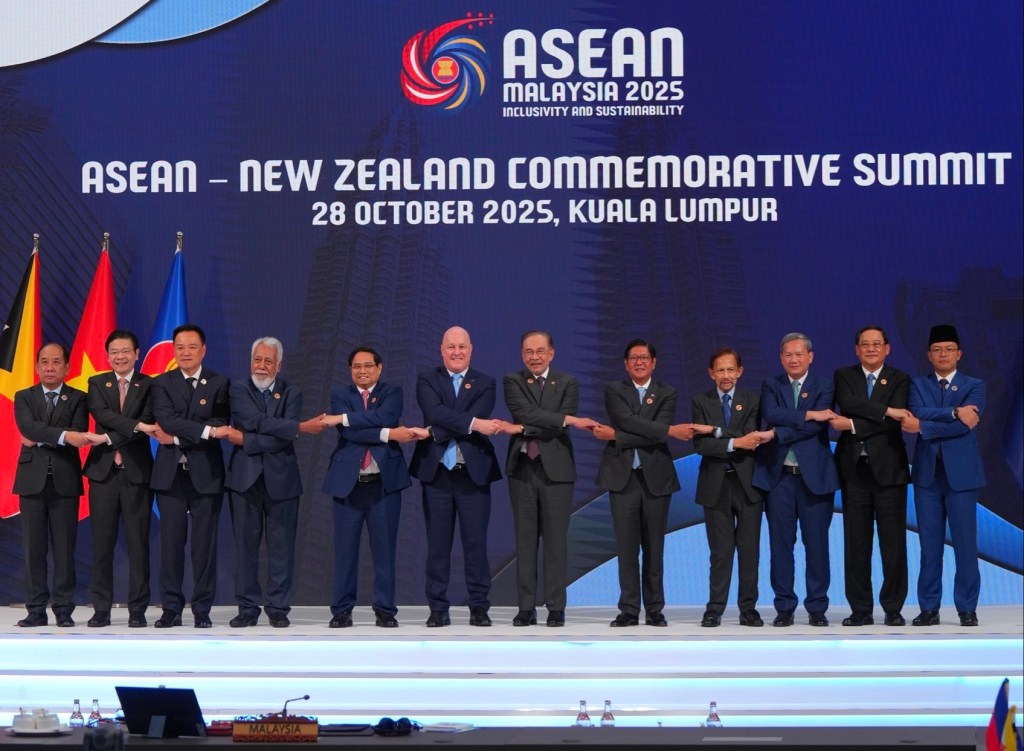
Shifting great power relations, Asia’s strategic choices could reset the global order next year Asia approaches 2026 holding decisive economic and political weight that no previous period has combined so fully. Purchasing power parity data from the International Monetary Fund places Asia at roughly half of global output, while the United States accounts for about… Continue reading
-
Japan’s Risky Taiwan Rhetoric Exposes Its Dependence on the U.S.
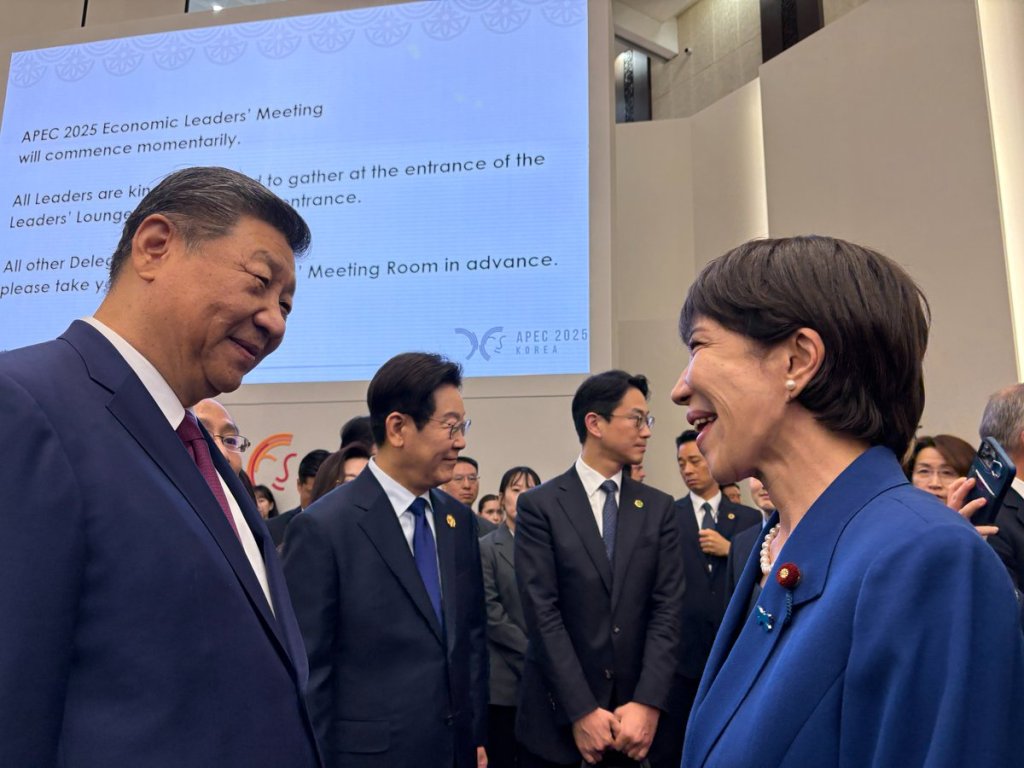
Tokyo provokes Beijing, but Washington’s silence shows who’s in charge. Japan is in damage control after its Prime Minister Sanae Takaichi made one of the most provocative statements in years. She claimed that a Chinese attack on Taiwan could be an “existential threat” to Japan, suggesting this could justify Japan deploying its military. As expected,… Continue reading
