
global order
-
China Rising, America in Decline?
A comparison of how the United States and China structure the relationship between capital and the state I found the video to be quite interesting and a great addition to the theme of today’s article. This is widely circulated Chinese economist policy commentator Eric X. Li (Li Shijun) interview commentary on China-US political economy, one… Continue reading
AI and Digital Control, America, East Africa, economics, Energy, EUROPE, Financial markets, Foreign Policy, Geopolitics, Global Finance, iran, israel, Mineral Resources, NATO, politics, reserve currency, Russia, warBillionaires, capitalism, China, Comparative Systems, democracy, economic development, Elite Influence, Financialization, Geopolitics, global order, industrial policy, Inequality, international relations, One Party System, Policy Making, political economy, socialism, State power, Two Party System, United States -
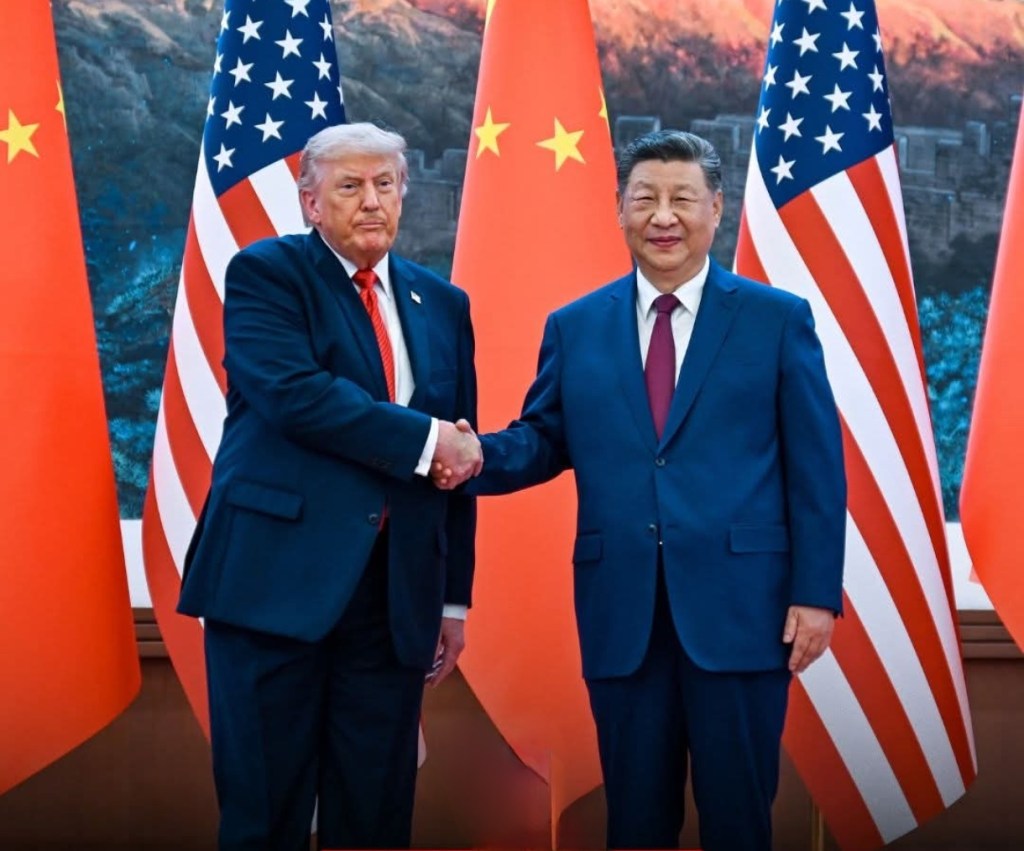
Trump’s Beijing Delegation Exposed the Real Structure of American Power [Extended Version]
![Trump’s Beijing Delegation Exposed the Real Structure of American Power [Extended Version]](https://globalgeopolitics.co.uk/wp-content/uploads/2026/05/img_20260513_235056.jpg?w=1024)
The Beijing visit exposed how transnational corporations, financial institutions, and technology monopolies now operate openly as the permanent power structure beneath American electoral politics. Donald Trump arrived in Beijing flanked by the commanding layer of American corporate and financial power because the visit exposed something Washington normally prefers hidden behind electoral theatre: transnational capital, technology… Continue reading
AI and Digital Control, America, China, economics, Energy, EUROPE, Financial markets, Foreign Policy, Geopolitics, Global Finance, iran, israel, middle east, Mineral Resources, NATO, politics, reserve currency, Russia, South East Asia, warAmerican decline, American empire, Apple, Belt and Road Initiative, blackrock, Boeing, China, Chinese Strategy, Corporate Globalism, corporate power, dollar hegemony, donald trump, economic warfare., elite power structures, energy security, Eurasia, Financial Capital, Financialisation, Foreign Policy, Game Theory, Geoeconomics, Geopolitics, global hegemony, global order, Goldman Sachs, great power competition, Indo-Pacific, Industrial Capacity, industrial policy, international relations, iran, manufacturing, Maritime Strategy, multipolarity, Nvidia, oligarchy, political economy, realism, Semiconductor War, Silicon Valley, Strategic Competition, strategic studies, supply chains, taiwan, technological sovereignty, Tesla, transnational capital, United States, US-China relations, wall street, Xi Jinping -
Kagan and Boot: The Guilty Are Writing the Verdict (Extended Version)
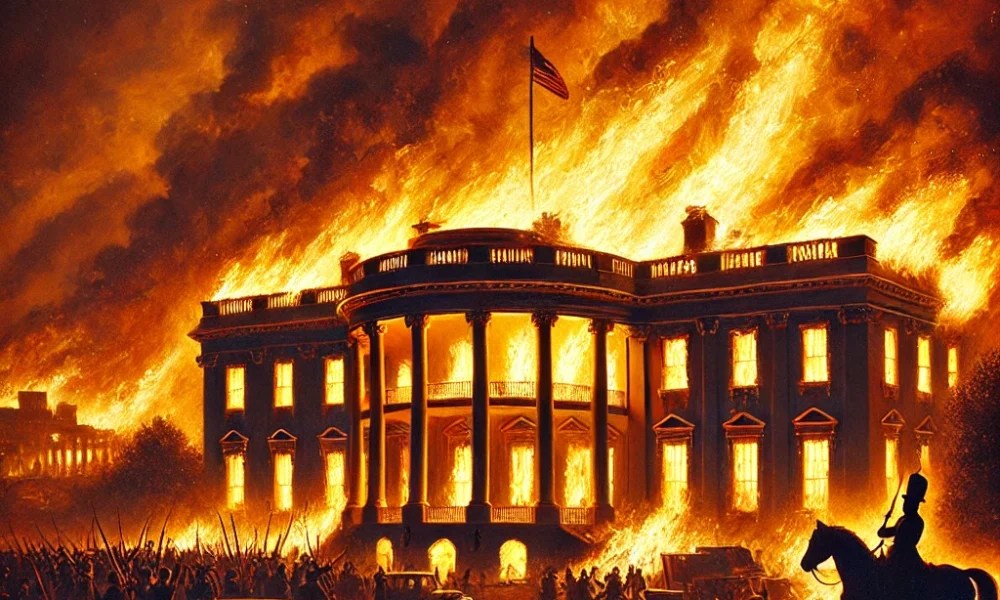
From Tehran to Taiwan: The Men Who Built America’s Empire Are Now Writing Its Autopsy The extraordinary significance of the Max Boot interview with former CIA analyst John Culver does not rest merely in the military assessments themselves, severe as they already appear. The deeper significance rests in who is speaking, where they are speaking,… Continue reading
AI and Digital Control, America, China, East Africa, economics, Energy, Financial markets, Foreign Policy, Geopolitics, Global Finance, iran, israel, NATO, politics, reserve currency, warAmerican decline, American empire, American Power, Atlanticism, Belt and Road Initiative, China, containment strategy, de-dollarisation, defence policy, empire, energy politics, Eurasia, Eurasian integration, Geopolitics, Geostrategy, global hegemony, global order, great power competition, imperial overstretch, Indo-Pacific, Indo-Pacific strategy, Industrial Capacity, international relations, iran, John Culver, maritime power, Max Boot, military industrial complex, Military Primacy, military strategy, multipolar world order, NATO, Neoconservatism, petrodollar, political economy, Project for the New American Century, Robert Kagan, Russia, sanctions, South China Sea, Strait of Hormuz, Strategic Competition, Strategic Decline, taiwan, Taiwan Strait, Ukraine war, unipolarity, US foreign policy, US Hegemony, US Navy, US-China relations, Washington Consensus, West Asia -
One Battle, Two Press Releases: Hormuz and the Crisis of American Deterrence
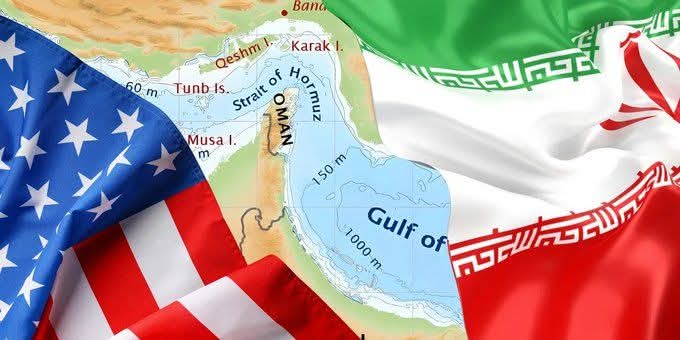
The Persian Gulf confrontation exposed the widening gap between military optics and operational control, while financial stabilisation and military escalation merged into the same strategic system A naval withdrawal inside the Strait of Hormuz would mark a strategic rupture extending far beyond one contested waterway, because the credibility of American maritime supremacy depends upon sustained… Continue reading
AI and Digital Control, America, China, economics, Energy, EUROPE, Financial markets, Foreign Policy, Geopolitics, Global Finance, iran, israel, middle east, Mineral Resources, NATO, politics, reserve currency, Russia, warAmerican Power, anti-access area denial, asymmetric warfare, Clausewitz, Coercive Credibility, Currency Systems, Defence Economics, dollar hegemony, energy security, escalation dominance, Financial markets, financial stability, Game Theory, Geoeconomics, Geopolitics, global order, Hormuz Crisis, imperial decline, international relations, iran, IRGC, maritime chokepoints, Maritime Strategy, Middle East security, military doctrine, Military Industrial Base, military strategy, Missile Saturation, multipolarity, Naval Warfare, Persian Gulf, Plunge Protection Team, political economy, realism, sea power, Strait of Hormuz, Strategic Geography, strategic studies, systemic risk, United States Navy -
Why Russia is Not Fighting Like Iran
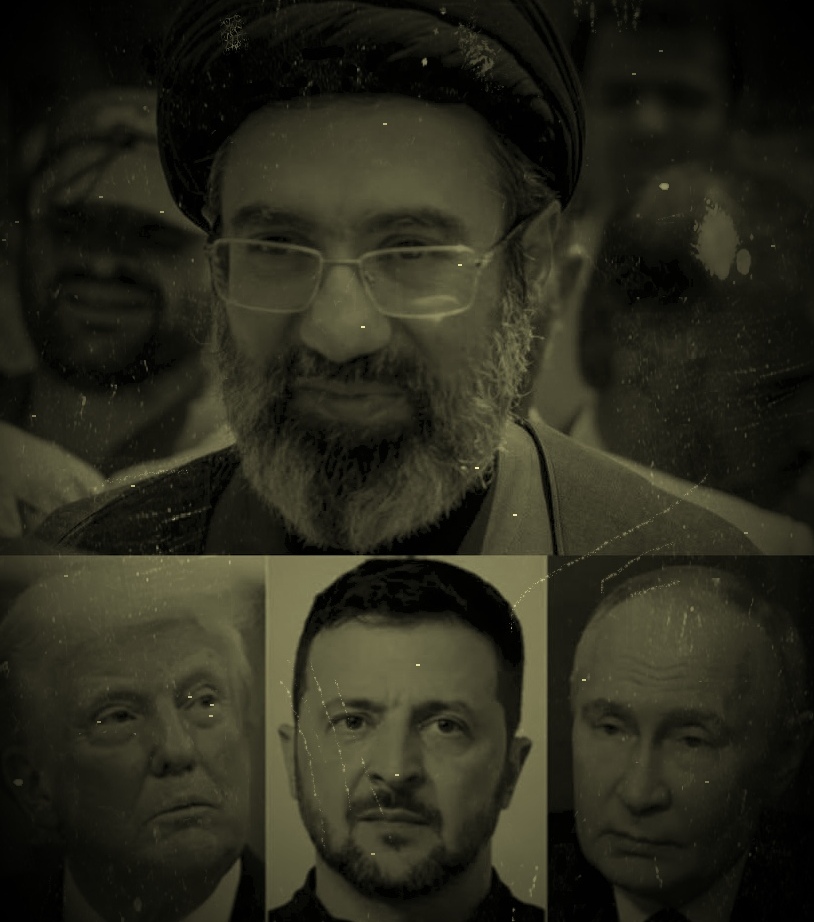
Different objectives and different constraint hence Russia’s calibrated attrition contrasts with Iran’s cost-imposition strategy revealing competing paths to power Russia is no longer fighting for victory in Ukraine in the conventional sense; it is determining the scale and timing of an outcome it increasingly believes it can impose. What appears externally as operational restraint reflects… Continue reading
AI and Digital Control, America, China, economics, Energy, EUROPE, Financial markets, Foreign Policy, Geopolitics, iran, israel, middle east, Mineral Resources, NATO, politics, reserve currency, Russia, South East Asia, warasymmetric warfare, China rise, cost imposition, deterrence, economic warfare., energy security, Geopolitics, global order, global power shift, international relations theory, Iran strategy, military strategy, multipolarity, political economy, proxy war, Russia Ukraine War, Strait of Hormuz, Strategic Competition, US foreign policy, war strategy -
Iran – The Last Window of Empire to Stop Multipolarity
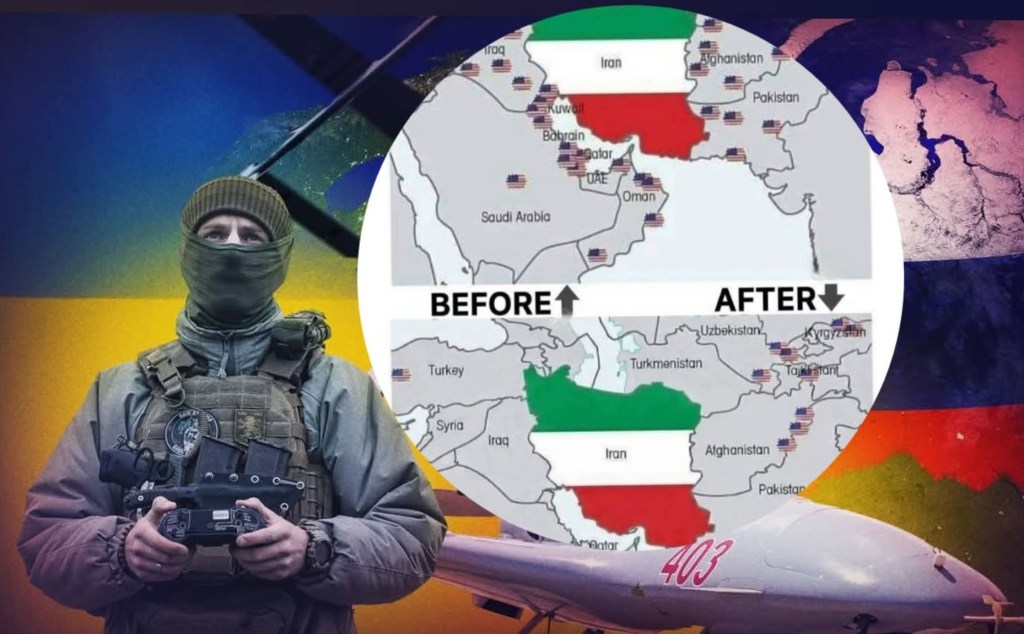
Why the War on Iran Signals a Final Attempt to Halt Multipolarity Before It Becomes Irreversible A structural rupture in the international system is already underway, and its trajectory has become effectively irreversible. The confrontation centred on Iran constitutes not a regional escalation but a terminal phase in the enforcement of a unipolar order that… Continue reading
AI and Digital Control, America, China, economics, Energy, EUROPE, Financial markets, Foreign Policy, Geopolitics, Global Finance, iran, israel, Latin America, middle east, Mineral Resources, NATO, politics, reserve currency, Russia, South East Asia, warChina Strategy, de-dollarisation, economic warfare., energy geopolitics, Game Theory, Geopolitics, global energy markets, global order, grand strategy, great power competition, hegemonic decline, imperial strategy, international relations theory, Iran conflict, Middle East geopolitics, multipolarity, petrodollar system, political economy, proxy warfare, Russia strategy, sanctions, Strategic Competition, systemic risk, unipolarity, US foreign policy -
Trump Abducts Maduro Normalising An Extraterritorial Regime Change by Force
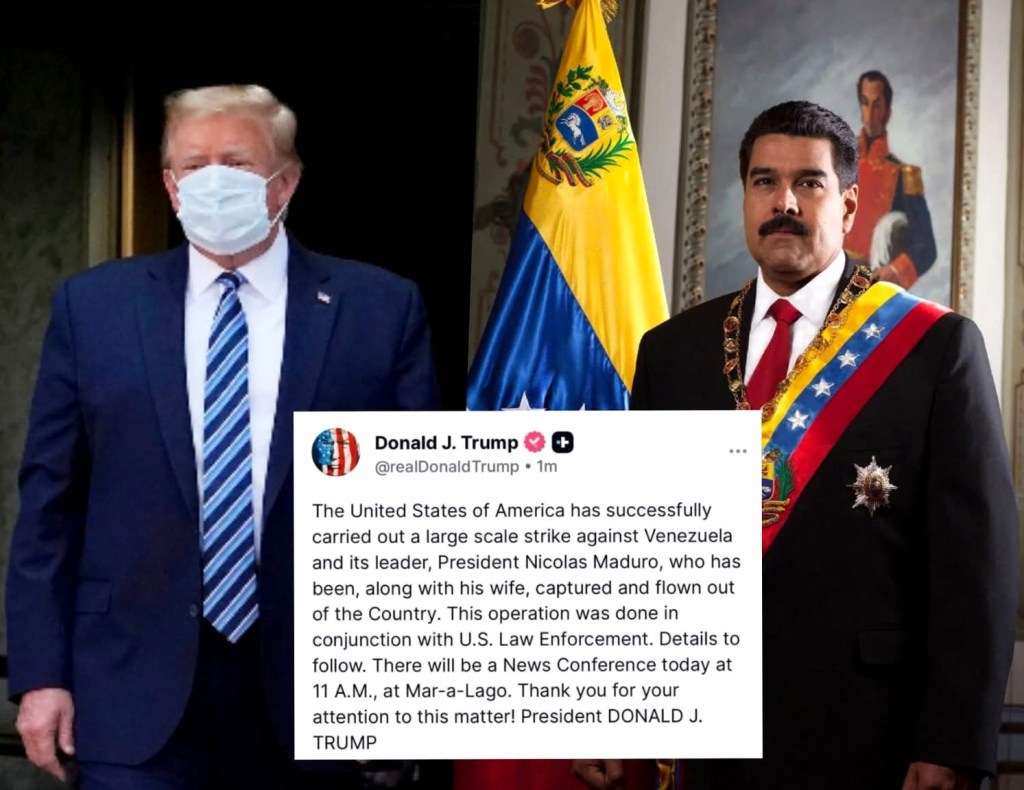
Legal Violations, Strategic Motives, and the Consequences for Global Order Reports circulating across diplomatic, military, and media channels allege that the sitting president of Venezuela, Nicolás Maduro, was seized by United States forces during a covert military operation inside Venezuelan territory and removed from the country without the consent of its government or legislature. No… Continue reading
-
The balance of power shifts as Asia consolidates economic dominance
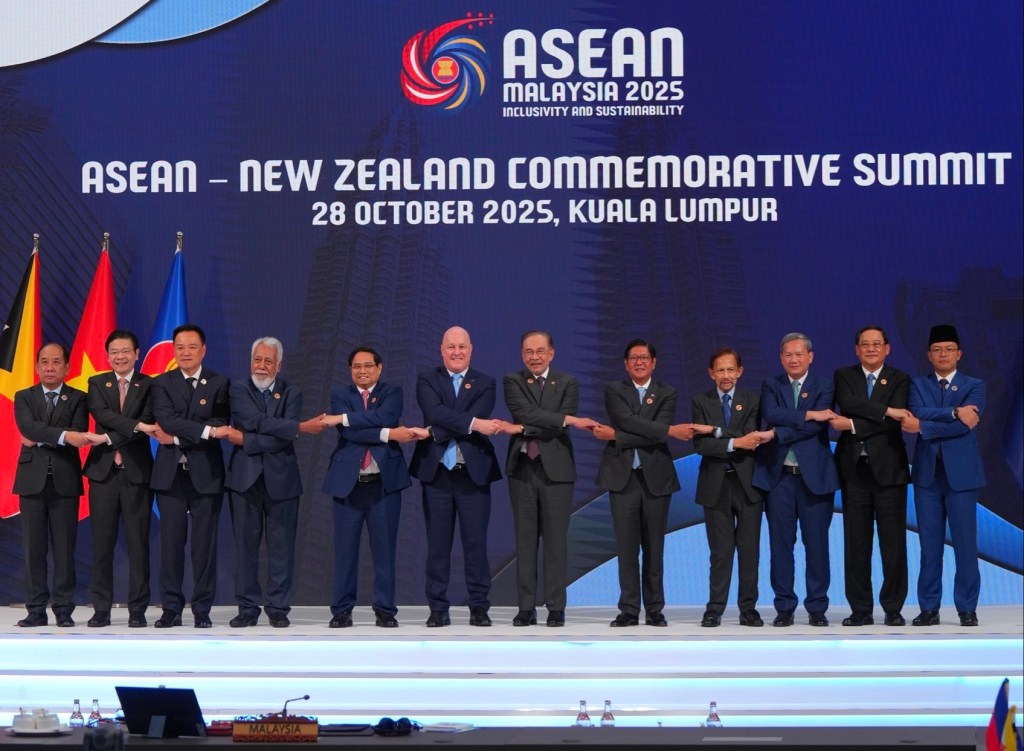
Shifting great power relations, Asia’s strategic choices could reset the global order next year Asia approaches 2026 holding decisive economic and political weight that no previous period has combined so fully. Purchasing power parity data from the International Monetary Fund places Asia at roughly half of global output, while the United States accounts for about… Continue reading
