
Gulf geopolitics
-
LEGO Wars and Missiles: The Art of Beating Superpowers

An analysis of how strategic preparation, control of critical infrastructure, and narrative influence have given Iran an advantage over superior militaries The war between the United States, Israel, and Iran shows a clear outcome taking shape despite the absence of formal declaration. Iran is winning the war, not through decisive battlefield victory, but through control… Continue reading
AI and Digital Control, America, China, economics, Energy, EUROPE, Financial markets, Foreign Policy, Geopolitics, Global Finance, iran, israel, middle east, Mineral Resources, NATO, politics, reserve currency, Russia, satellites, warAbbas Araghchi, asymmetric warfare, decentralized strategy, defense strategy, diplomatic signaling, energy leverage, Geoeconomics, Gulf geopolitics, hybrid warfare, information warfare, iran, Iran Foreign Minister, military strategy, missile strategy, modern war, narrative control, propaganda, regional security, Strait of Hormuz, strategic endurance, U.S.–Israel conflict -
Iran Rejects Ceasefire Demands Permanent End to War and External Pressure
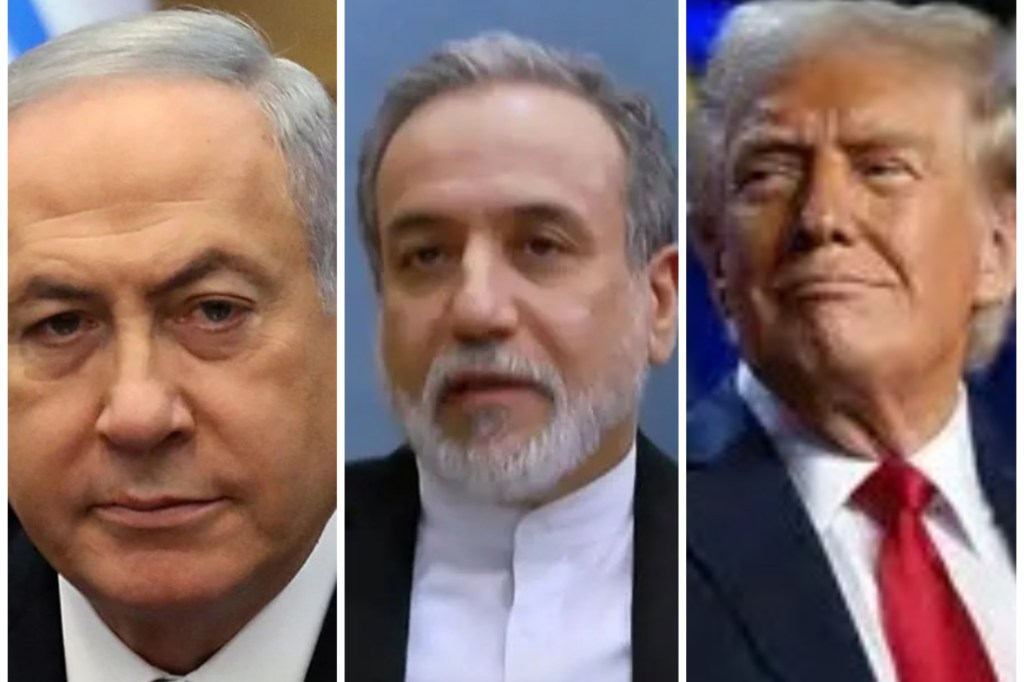
Iranian leadership argues that temporary truces only preserve the strategic conditions that have produced decades of confrontation since the 1979 revolution. Iranian refusal to accept a temporary ceasefire reflects a strategic calculation rooted in the historical pattern of hostilities directed against the Islamic Republic since the 1979 revolution. Tehran frames the current confrontation as the… Continue reading
AI and Digital Control, America, China, economics, Energy, EUROPE, Financial markets, Foreign Policy, Geopolitics, iran, israel, middle east, NATO, politics, Russia, warAbbas Araghchi, ceasefire diplomacy, energy security, Game Theory, Geopolitics, global energy markets, Gulf geopolitics, iran, Iranian foreign policy, IRGC, Israel Iran tensions, Middle East conflict, oil geopolitics, political economy, regional power balance, security architecture, Strait of Hormuz, Sun Tzu, Thomas Schelling, US–Iran relations, war strategy -
When Secrecy Fails: How the 20 February 2026 Intelligence Leak Undermined US Strike Plans

Russian intelligence exposure of United States strike operational plans, combined with Chinese satellite tracking, forced asset redeployment and a recalculation of escalation dynamics. Russian intelligence penetration on 20 February 2026 exposed a fully developed American strike architecture that envisioned an opening salvo of roughly 400 cruise and ballistic missiles, coordinated bomber sorties, electronic suppression of… Continue reading
AI and Digital Control, America, China, economics, Financial markets, Foreign Policy, Geopolitics, Global Finance, israel, NATO, politics, Russia, war20 February 2026, China satellite surveillance, deterrence dynamics, escalation risk, Gulf geopolitics, intelligence exposure, Iranian defence doctrine, Middle East military strategy, military asset dispersal, missile salvo, multipolar alignment, operational transparency, Russia naval presence, Strait of Hormuz, US Iran intelligence leak, US military posture, US strike plans -
Convergence in the Persian Gulf
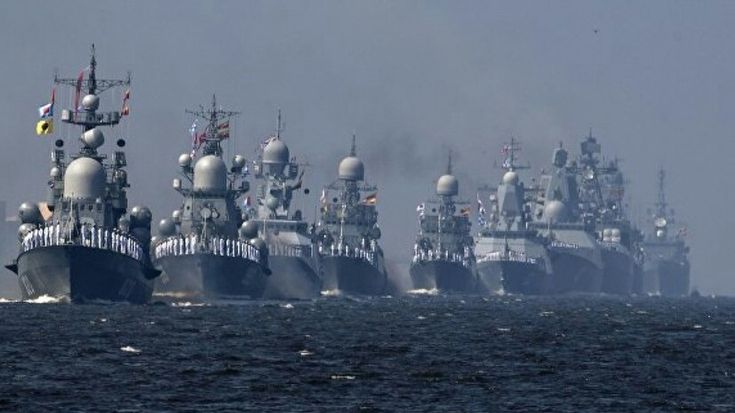
Convergence among Iran, China, and Russia in the Strait of Hormuz alters American risk calculations, though it does not remove the structural capacity of the United States to initiate military action. American primacy in the Strait of Hormuz rests upon a maritime doctrine shaped by Alfred Thayer Mahan’s classic argument that control of sea lanes… Continue reading
AI and Digital Control, China, economics, Energy, EUROPE, Financial markets, Foreign Policy, Geopolitics, Global Finance, israel, middle east, Mineral Resources, NATO, politics, Russia, warasymmetric warfare, BRICS, China, deterrence theory, energy security, Eurasian integration, Fifth Fleet, financial warfare, great power competition, Gulf geopolitics, iran, Maritime Security Belt, multipolarity, naval strategy, Persian Gulf, Russia, sanctions, sea power, Strait of Hormuz, United States Navy
