
U.S. foreign policy
-
A System That Charges Gulf States for Protection
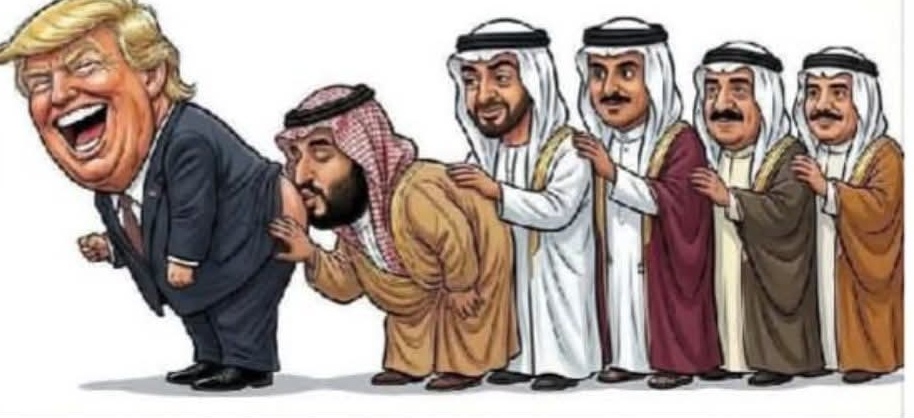
How Gulf states bankroll U.S. military presence while buying weapons and defending the petrodollar (Disclaimer: I did not create the headline cartoon image) The Gulf states are charged for the “myth” of protection. They didn’t start the Iranian war nor were they even consulted. They just woke up to the news of the double tap… Continue reading
AI and Digital Control, China, economics, Energy, EUROPE, Financial markets, Foreign Policy, Geopolitics, Global Finance, iran, israel, middle east, NATO, politics, reserve currency, wararms sales, defense spending, economic dependence, financial systems, Gulf States, imperialism, Iran conflict, Middle East geopolitics, military dependence, Mohammed bin Salman, oil markets, petrodollar, Saudi Arabia, sovereign wealth funds, Trump administration, U.S. bases, U.S. foreign policy, U.S. superpower, Washington influence -
A Shift in Israel’s Strategy Toward War’s End
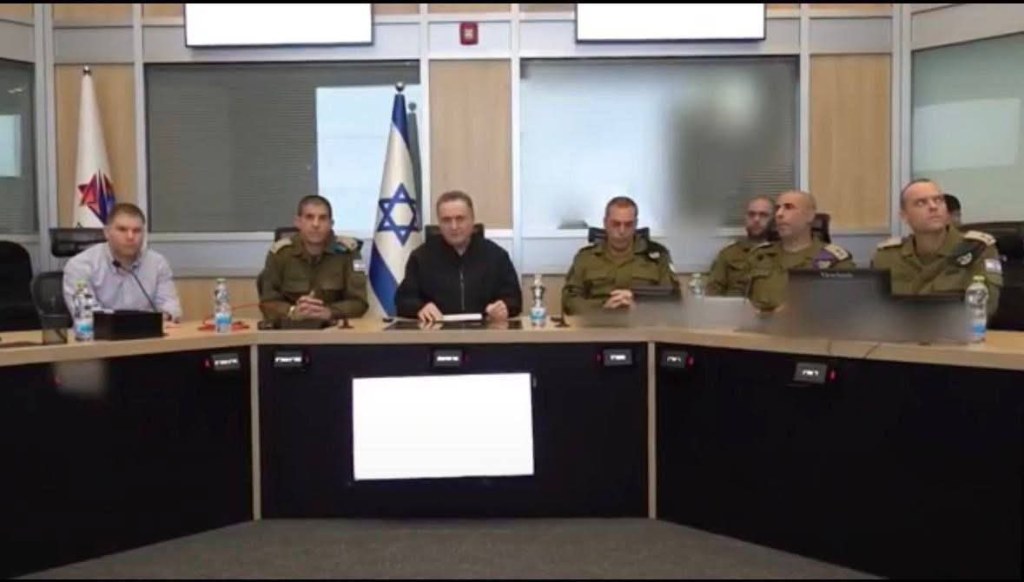
A New Phase: Israel Considers the Endgame While Iran Resiliently Endures The conflict in Iran has reached a point of marked exhaustion. Senior former Israeli IDF intelligence officials are now openly suggesting that Israel should cease its military operations. According to reports, this view is shared by individuals like Yossi Melman, who spoke with a… Continue reading
-
Gulf States Caught in the Crossfire

How decades of reliance on Washington expose the Gulf to economic and military vulnerabilities Resentment is quietly mounting across the capitals of the Gulf Cooperation Council, as a convergence of strategic, economic, and political pressures forces a reassessment of long-standing alliances with Washington. Reports emerging from Riyadh, Abu Dhabi, and Doha suggest that these states… Continue reading
-
Expansion and Domination, Not Democratisation
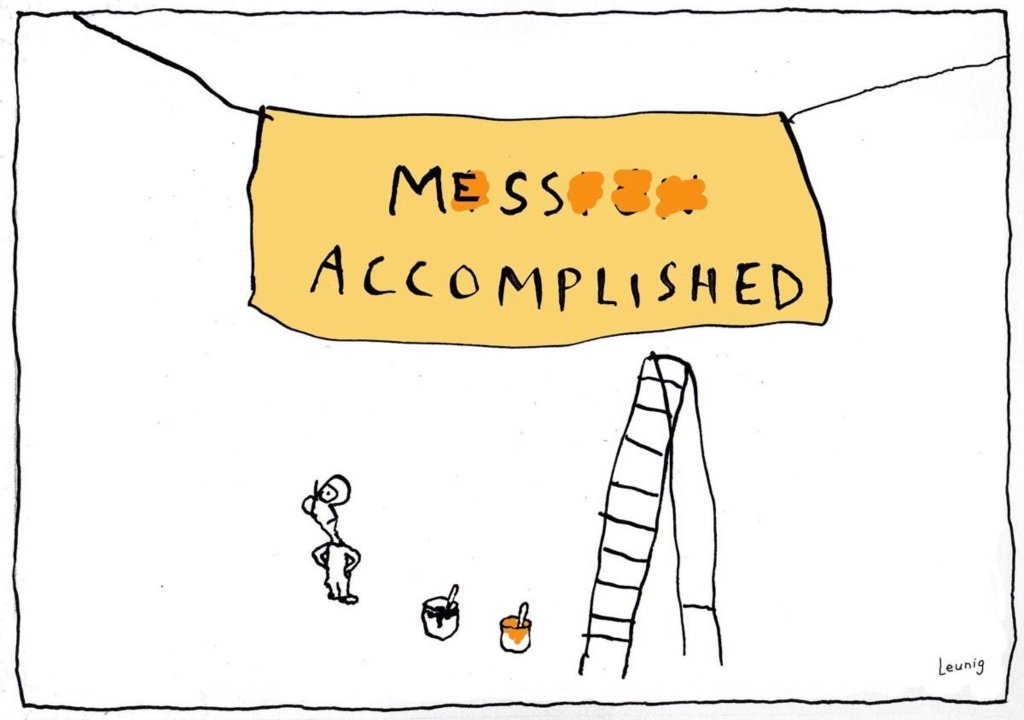
Military Primacy, Strategic Fragmentation, and U.S.-Israeli Security Doctrine in the Middle East in the Name of The Greater Israel Plan The claim that American policy in the Middle East is principally driven by the promotion of democracy sits uneasily alongside the historical record of strategic planning and material interests that have shaped it. Since the… Continue reading
AI and Digital Control, EUROPE, Financial markets, Foreign Policy, Geopolitics, Global Finance, NATO, politics, reserve currency, Space, warCIA Coup 1953, Defense Contractors, energy security, Geopolitical Dominance, greater israel plan, Iran War, Iraq War 2003, Middle East geopolitics, Military Primacy, Mohammad Mosaddegh, National Security Strategy 2002, Oded Yinon, Project for the New American Century, regime change, Regional Destabilization, Sanctions on Iran, Strategic Fragmentation, U.S. foreign policy, U.S.–Israel Alliance, Wesley Clark -
Michael Parenti has Died but his Power of Labels will Live On

How mainstream media framing obscured the life and work of a persistent critic of power The world is being misled, and Michael Parenti’s death shows how this still works. Michael Parenti died yesterday at 92. Today, much of the mainstream press describes him as a “Marxist academic.” That label misses the point. It reduces his… Continue reading
AI and Digital Control, America, Foreign Policy, Geopolitics, Global Finance, Mineral Resources, NATO, politics, warcapitalism critique, class analysis, Cold War analysis, corporate power, critical theory, democracy critique, fascism studies, globalization, historian, imperialism, Marxist scholar, media criticism, Michael Parenti, political economy, political scientist, political theorist, radical politics, socialism, U.S. foreign policy -
Brazil’s Venezuela Veto: A Strategic Miscalculation in face of the U.S. Security Pivot
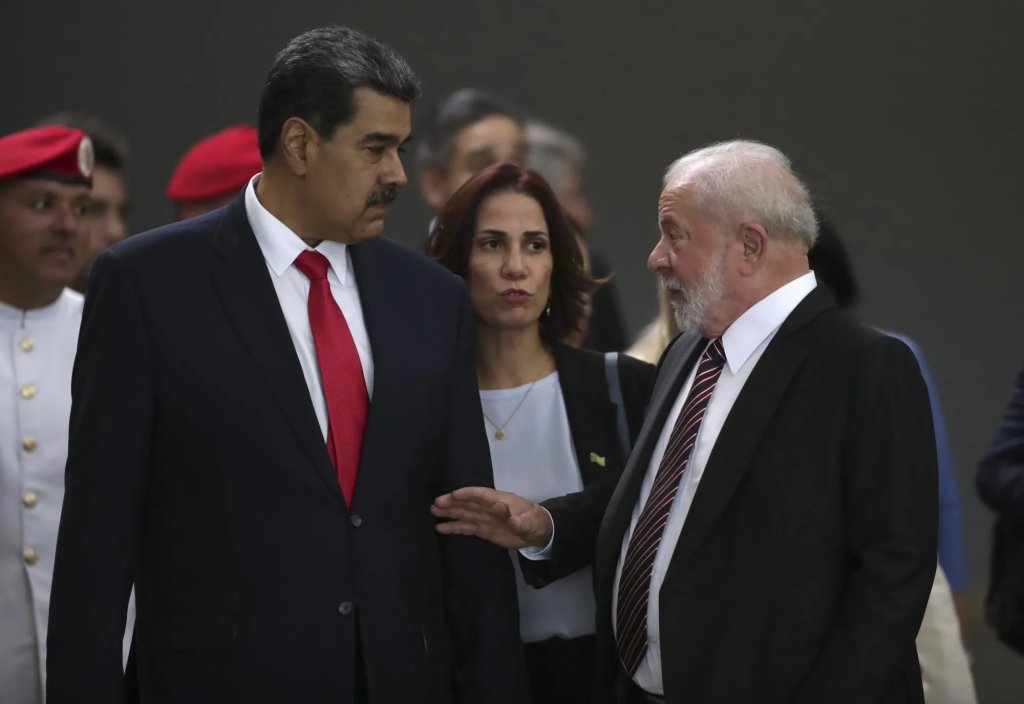
How blocking Venezuela reshaped BRICS cohesion and weakened Brazil’s strategic position amid renewed U.S. regional dominance The decision by Luiz Inácio Lula da Silva to veto Venezuela’s accession to BRICS occurred during a period when United States strategic doctrine had already shifted back toward hemispheric control. Senior figures within United States defence planning circles had… Continue reading
