
economics
-
If Israel Strikes Iran, It Will Be on Purim

Why Purim, the Fourteenth of Adar, Presents the Most Historically Charged Moment for Confronting Iran as a Deliberate Answer to an Ancient Persian Decree It can be argued that if Israel is going to pick an historic day to strike at Iran, that day would be on Purim (Blood Moon), referred to as the 14th… Continue reading
-
Nuclear Transfer Allegations and Black Sea Sabotage Claims Raise Direct NATO-Russia Confrontation Risk

Russian claims of covert nuclear transfers to Ukraine and Black Sea pipeline sabotage point to escalation risks beyond conventional war, with consequences for non-proliferation and EU energy security Recent statements from Vladimir Putin and Russia’s Foreign Intelligence Service have introduced allegations that certain NATO members are considering the covert transfer of nuclear weapons components to… Continue reading
-
The Unraveling of Global Power: Trust, Shadow Governance, and the Rise of Technofeudalism
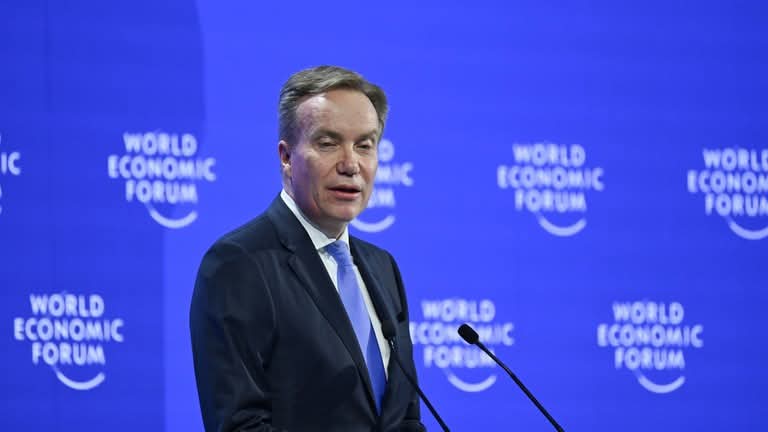
How the Resignation of Borge Brende Exposes the Fragility of Institutions and the Dystopian Agendas Shaping Our Future The resignation of Borge Brende from the World Economic Forum (WEF) over his connections to the convicted sex offender Jeffrey Epstein serves as a poignant reminder of the fragility of institutional trust and the repercussions of shadow… Continue reading
AI and Digital Control, America, economics, Energy, EUROPE, Financial markets, Foreign Policy, Geopolitics, Global Finance, israel, Mineral Resources, NATO, politics, technology, warAgenda 2030, Børge Brende, corruption exposure, credibility crisis, digital surveillance, dystopian agendas, Epstein scandal, geopolitical power, global elites, global governance, global power, institutional corruption, institutional trust, power structures, public trust, shadow governance, technocratic control, technofeudalism, transparency, WEF crisis, World Economic Forum -
When Secrecy Fails: How the 20 February 2026 Intelligence Leak Undermined US Strike Plans
Russian intelligence exposure of United States strike operational plans, combined with Chinese satellite tracking, forced asset redeployment and a recalculation of escalation dynamics. Russian intelligence penetration on 20 February 2026 exposed a fully developed American strike architecture that envisioned an opening salvo of roughly 400 cruise and ballistic missiles, coordinated bomber sorties, electronic suppression of… Continue reading
AI and Digital Control, America, China, economics, Financial markets, Foreign Policy, Geopolitics, Global Finance, israel, NATO, politics, Russia, war20 February 2026, China satellite surveillance, deterrence dynamics, escalation risk, Gulf geopolitics, intelligence exposure, Iranian defence doctrine, Middle East military strategy, military asset dispersal, missile salvo, multipolar alignment, operational transparency, Russia naval presence, Strait of Hormuz, US Iran intelligence leak, US military posture, US strike plans -
Convergence in the Persian Gulf
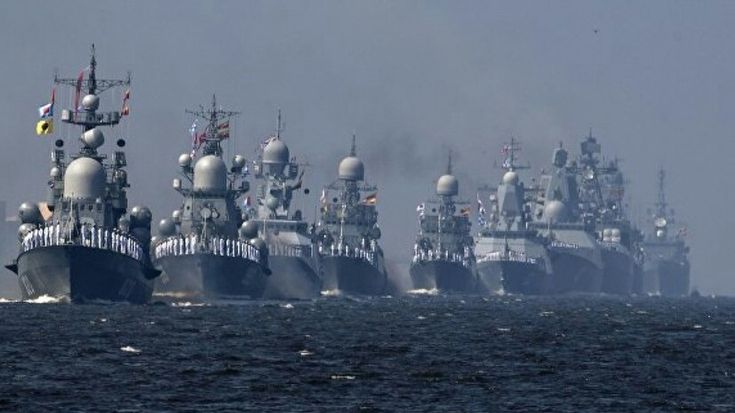
Convergence among Iran, China, and Russia in the Strait of Hormuz alters American risk calculations, though it does not remove the structural capacity of the United States to initiate military action. American primacy in the Strait of Hormuz rests upon a maritime doctrine shaped by Alfred Thayer Mahan’s classic argument that control of sea lanes… Continue reading
AI and Digital Control, China, economics, Energy, EUROPE, Financial markets, Foreign Policy, Geopolitics, Global Finance, israel, middle east, Mineral Resources, NATO, politics, Russia, warasymmetric warfare, BRICS, China, deterrence theory, energy security, Eurasian integration, Fifth Fleet, financial warfare, great power competition, Gulf geopolitics, iran, Maritime Security Belt, multipolarity, naval strategy, Persian Gulf, Russia, sanctions, sea power, Strait of Hormuz, United States Navy -
“As you probably know, I represent the Rothschilds”
The systemic link between dynastic banking interests and the Epstein trafficking case, and the operation of entrenched financial power beyond partisan politics and conventional scrutiny. In February 2016 Jeffrey Epstein sent an email to Peter Thiel stating, “As you probably know, I represent the Rothschilds.” That sentence entered the official record of the United States… Continue reading
-
On the Cusp of Trump’s Regime Change and the Persian Gamble
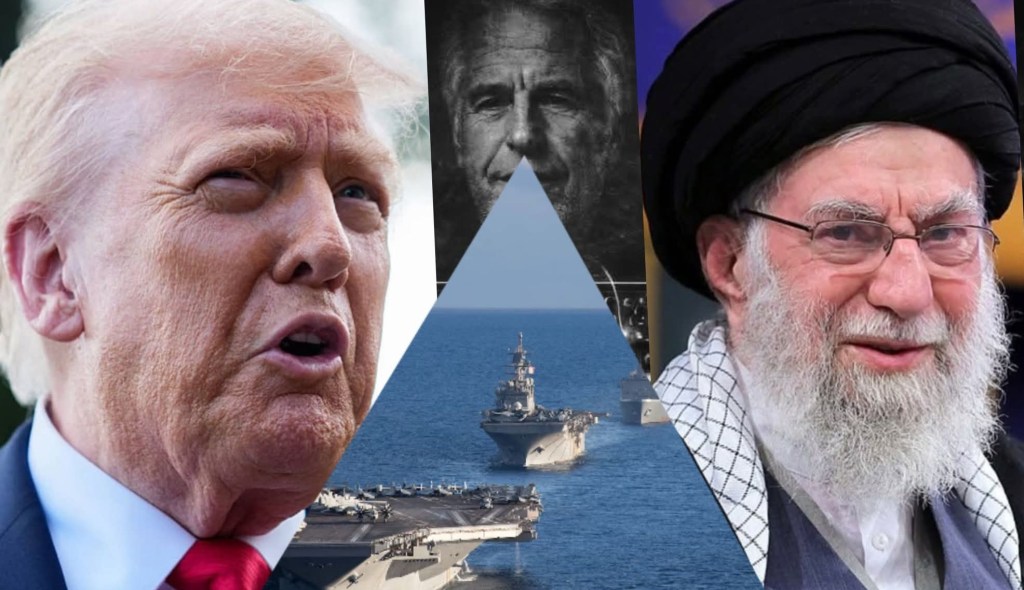
The military build-up against Iran and the doctrines, alliances, and risks shaping a possible full-scale conflict Television reports from Channel 12 state that President Donald Trump stands on the verge of approving a large scale, week long military campaign against Iran that would be perceived internationally as full war rather than limited reprisal. Sources briefed… Continue reading
AI and Digital Control, America, East Africa, economics, Energy, EUROPE, Financial markets, Foreign Policy, Geopolitics, israel, middle east, NATO, politics, reserve currency, Russia, warair defence systems, carrier strike groups, chaos theory and war, coercive diplomacy, deterrence theory, Eurasian trade corridors, game theory in international relations, imperial overstretch, Israel–Iran conflict, madman theory, Middle East geopolitics, missile proliferation, multipolar world order, nuclear negotiations, Persian Gulf security, proxy warfare, regime change doctrine, shock and awe, Strait of Hormuz, US–Iran relations -
No Longer Untouchable – From Scandal to Constitutional Crisis
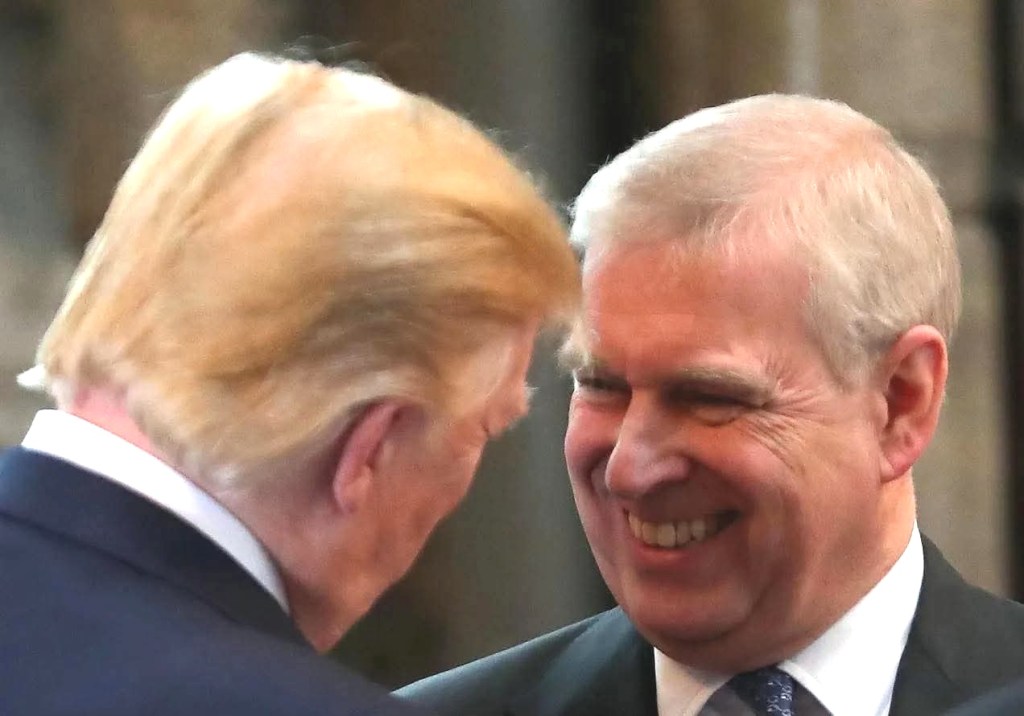
Why Andrew Mountbatten-Windsor’s legal jeopardy marks a turning point for Britain’s Monarchy exposing institutional vulnerability, public distrust, and the limits of hereditary immunity The arrest of Prince Andrew, legally Andrew Mountbatten-Windsor, on suspicion of misconduct in public office over his links to Jeffrey Epstein marks a rare moment in British constitutional history. Officers from Thames… Continue reading
-
Records Expose Continued Epstein Access to Political and Financial Leaders at Davos After 2008 Conviction
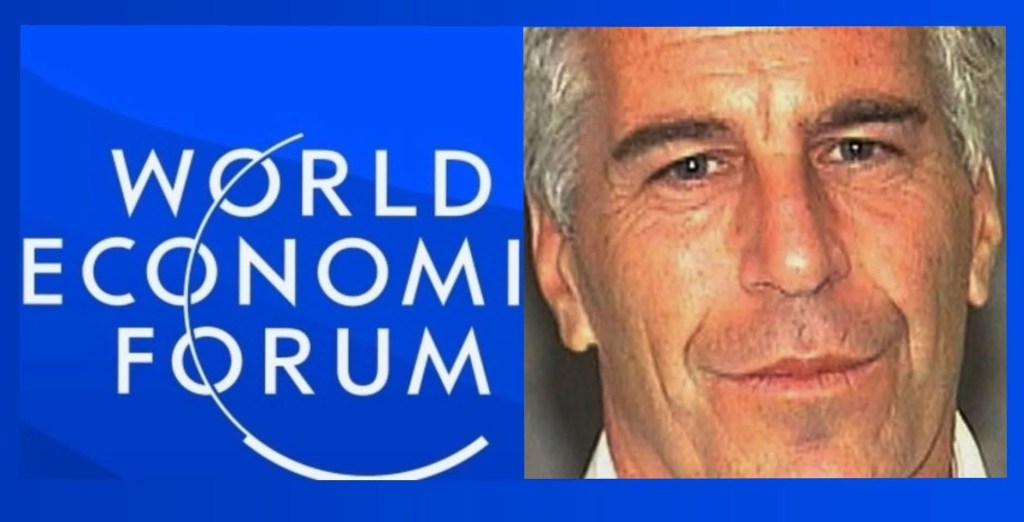
Correspondence spanning 2010 through 2014 suggests that some global leaders and executives continued to engage with Epstein after his conviction became widely known. Newly unsealed records from the United States Department of Justice, together with a review by Bloomberg of Jeffrey Epstein’s private Yahoo email archive, show that the convicted sex offender presented himself as… Continue reading
AI and Digital Control, America, economics, EUROPE, Financial markets, Foreign Policy, Geopolitics, Global Finance, NATO, politics, warAlistair Darling, Børge Brende, bill gates, Bloomberg, Boris Nikolic, Davos, Financial elites, global governance, institutional ethics, Jeffrey epstein, Jes Staley, klaus schwab, Peter Mandelson, political accountability, sealed court records, transparency, U.S. Department of Justice, World Economic Forum -
Cuba in the Face of Economic Blockade

Economic coercion, financial dominance, regime change policy, and Cuban state resilience within a prolonged asymmetric conflict For more than six decades the United States has maintained a comprehensive system of economic coercion against Cuba that began under Dwight D. Eisenhower and was consolidated under John F. Kennedy following the failed invasion at the Bay of… Continue reading
AI and Digital Control, China, economics, Energy, Financial markets, Foreign Policy, Geopolitics, NATO, politics, Russia, warCaribbean geopolitics, Center for a Free Cuba, chaos theory, Cuba, Cuban health system, Cuban Revolution, dollar hegemony, economic blockade, economic sanctions, extraterritorial sanctions, financial warfare, Game Theory, humanitarian impact of sanctions, lobbying influence, madman theory, maritime interdiction, National Endowment for Democracy, neoliberalism, Non-Aligned Movement, Office of Foreign Assets Control, Oil Tanker Seizures, regime change policy, secondary sanctions, Sovereignty, United Nations General Assembly votes on Cuba, United States, US-Cuba Democracy PAC, US–Cuba relations, weaponised interdependence
