
Mineral Resources
-
War Decided: Who Throws the First Punch
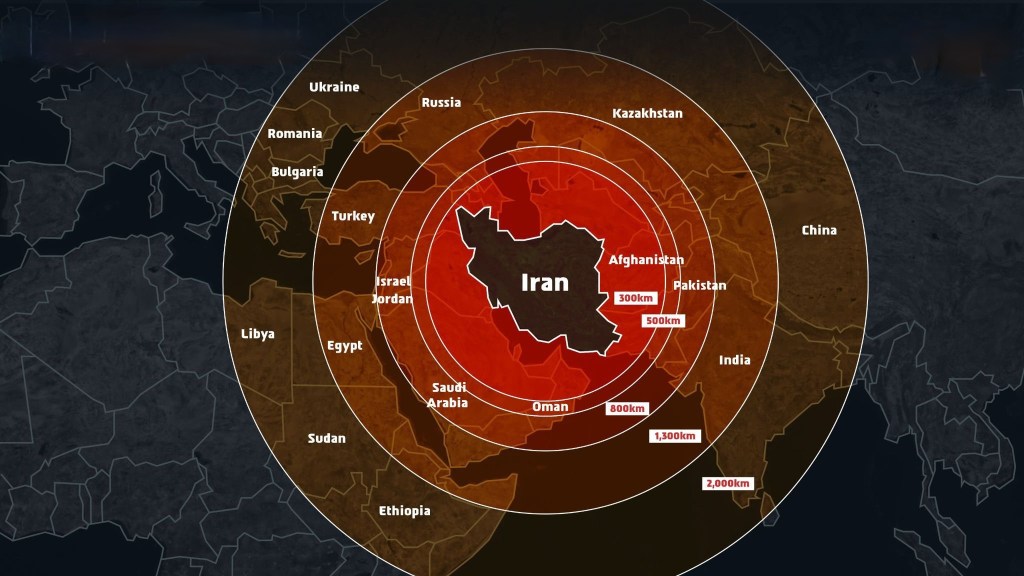
Netanyahu’s Closing Horizon But Washington Prefers Israel to Strike, and How Political Liability Is Being Engineered Before Escalation Senior advisers to President Donald Trump have signalled, in reporting carried by Politico, that an Israeli first strike on Iran would provide a more favourable political predicate for subsequent American entry into war. Officials familiar with internal… Continue reading
AI and Digital Control, America, China, economics, Energy, EUROPE, Financial markets, Foreign Policy, Geopolitics, Global Finance, israel, middle east, Mineral Resources, NATO, politics, reserve currency, warBalkanisation doctrine, bipartisan foreign policy consensus, Brzeziński grand strategy, carrier strike group movements, Chinese satellite intelligence, CM-302 missiles, congressional war authority, F-22 deployment, first strike doctrine, Fordow nuclear facility, Geneva nuclear talks, great power competition, Hezbollah escalation risk, Isfahan nuclear complex, Israel–Iran conflict, Israeli security doctrine, Middle East power realignment, munitions depletion risk, Natanz nuclear site, Netanyahu security architecture, pre-emptive strategy, regime change strategy, Taiwan contingency planning, US foreign policy, US–China strategic rivalry, US–Iran war, USS Gerald R Ford, War Powers Resolution, war sequencing, zero enrichment dispute -
Nuclear Transfer Allegations and Black Sea Sabotage Claims Raise Direct NATO-Russia Confrontation Risk

Russian claims of covert nuclear transfers to Ukraine and Black Sea pipeline sabotage point to escalation risks beyond conventional war, with consequences for non-proliferation and EU energy security Recent statements from Vladimir Putin and Russia’s Foreign Intelligence Service have introduced allegations that certain NATO members are considering the covert transfer of nuclear weapons components to… Continue reading
-
The Unraveling of Global Power: Trust, Shadow Governance, and the Rise of Technofeudalism
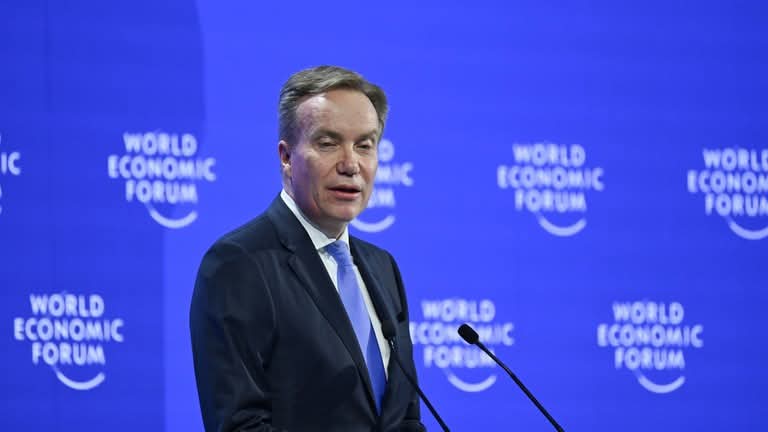
How the Resignation of Borge Brende Exposes the Fragility of Institutions and the Dystopian Agendas Shaping Our Future The resignation of Borge Brende from the World Economic Forum (WEF) over his connections to the convicted sex offender Jeffrey Epstein serves as a poignant reminder of the fragility of institutional trust and the repercussions of shadow… Continue reading
AI and Digital Control, America, economics, Energy, EUROPE, Financial markets, Foreign Policy, Geopolitics, Global Finance, israel, Mineral Resources, NATO, politics, technology, warAgenda 2030, Børge Brende, corruption exposure, credibility crisis, digital surveillance, dystopian agendas, Epstein scandal, geopolitical power, global elites, global governance, global power, institutional corruption, institutional trust, power structures, public trust, shadow governance, technocratic control, technofeudalism, transparency, WEF crisis, World Economic Forum -
Convergence in the Persian Gulf
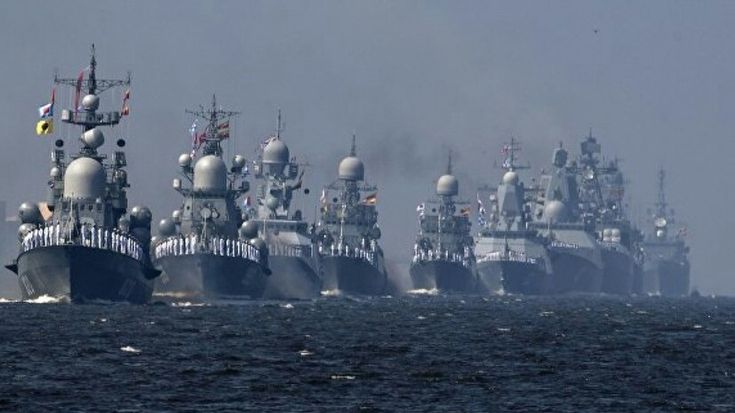
Convergence among Iran, China, and Russia in the Strait of Hormuz alters American risk calculations, though it does not remove the structural capacity of the United States to initiate military action. American primacy in the Strait of Hormuz rests upon a maritime doctrine shaped by Alfred Thayer Mahan’s classic argument that control of sea lanes… Continue reading
AI and Digital Control, China, economics, Energy, EUROPE, Financial markets, Foreign Policy, Geopolitics, Global Finance, israel, middle east, Mineral Resources, NATO, politics, Russia, warasymmetric warfare, BRICS, China, deterrence theory, energy security, Eurasian integration, Fifth Fleet, financial warfare, great power competition, Gulf geopolitics, iran, Maritime Security Belt, multipolarity, naval strategy, Persian Gulf, Russia, sanctions, sea power, Strait of Hormuz, United States Navy -
“As you probably know, I represent the Rothschilds”

The systemic link between dynastic banking interests and the Epstein trafficking case, and the operation of entrenched financial power beyond partisan politics and conventional scrutiny. In February 2016 Jeffrey Epstein sent an email to Peter Thiel stating, “As you probably know, I represent the Rothschilds.” That sentence entered the official record of the United States… Continue reading
-
No Longer Untouchable – From Scandal to Constitutional Crisis
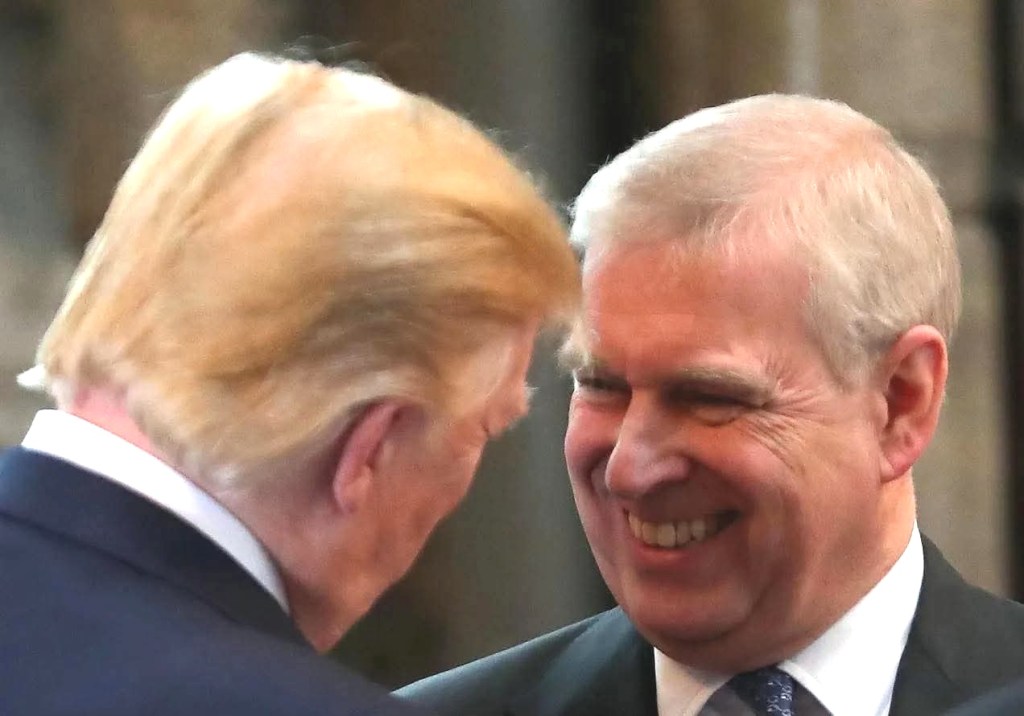
Why Andrew Mountbatten-Windsor’s legal jeopardy marks a turning point for Britain’s Monarchy exposing institutional vulnerability, public distrust, and the limits of hereditary immunity The arrest of Prince Andrew, legally Andrew Mountbatten-Windsor, on suspicion of misconduct in public office over his links to Jeffrey Epstein marks a rare moment in British constitutional history. Officers from Thames… Continue reading
-
BRICS needs strategic maritime cooperation – Putin aide

Why BRICS is moving toward maritime cooperation and why it has not become a military alliance Cooperation between the navies of member countries would help protect sea lanes, Nikolay Patrushev has said,speaking to Argumenty i Fakty (meaning “arguements and facts” ), a Russian weekly newspaper. ‘Our key task is building a multipolar order at sea.… Continue reading
-
Brussels Superheroes Assemble for Rearmament
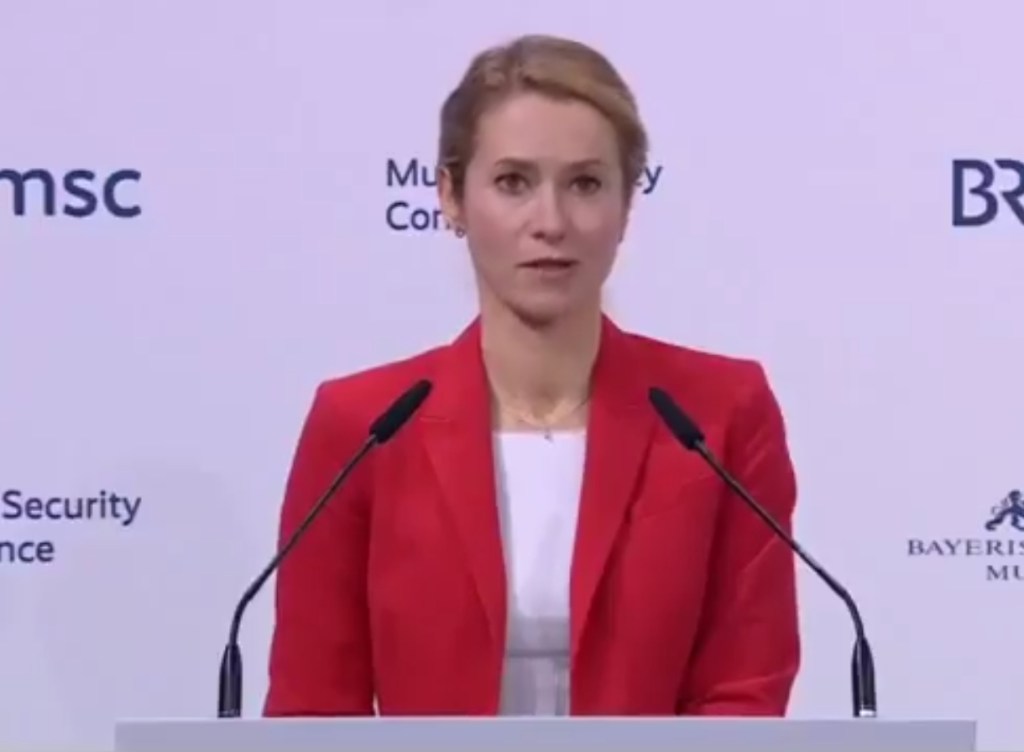
From comic-book metaphors to budgetary trade-offs: Security doctrine, fiscal sacrifice, industrial decline and geopolitical ambition in a European Union preparing for prolonged rivalry with Russia At the recent Munich Security Conference, the European Union’s High Representative Kaja Kallas framed the present strategic moment in language drawn from American popular culture. Addressing delegates, she declared “Europeans,… Continue reading
AI and Digital Control, America, economics, Energy, EUROPE, Financial markets, Foreign Policy, Geopolitics, Global Finance, israel, Mineral Resources, NATO, politics, wardefence spending, Emmanuel Macron, energy crisis, EU enlargement, EU rearmament, European Commission, European deindustrialisation, European security architecture, European sovereignty, European Union, five per cent GDP target, Franco-German relations, Friedrich Merz, Geneva peace talks, Hungary–EU dispute, joint EU borrowing, Kaja Kallas, Kirill Dmitriev, militarisation of Europe, Munich Security Conference, NATO, NATO war games, public opinion on defence spending, Russia–EU relations, sanctions on Russia, sergey lavrov, Slovakia–EU tensions, territorial negotiations, Ukraine accession, Ukraine war, Ursula Von Der Leyen, Viktor Orban -
Marco Declares Colonialist War on the Global South
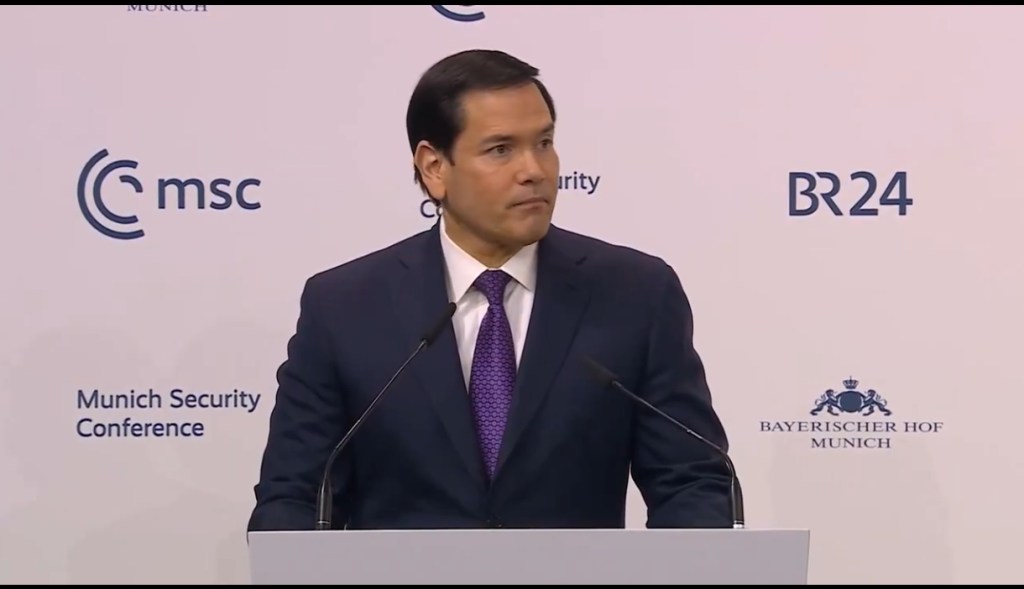
Marco Rubio’s Munich Declaration of Colonial Revivalism amid the Crisis of Western Primacy and the Rise of the Global South Marco Rubio used the Munich Security Conference to present a civilisational argument grounded in imperial expansion and Western dominance. He declared that “for five centuries, before the end of the Second World War, the West… Continue reading
-
The Greatest Robbery in Financial History Continues to Play Out in the Silver Market

An analysis of events surrounding the silver market dislocation of Friday 13 February, and the systemic mechanics that enabled it It’s Saturday morning, February 14, 2026, with global markets closed, the week’s turbulence in silver has come to a temporary halt. Over the preceding five trading days, February 9 through February 13, the market had… Continue reading
