
global trade routes
-
Do Not Underestimate the United States (Editorial Version)
An analytical examination of the US blockade on Iran, the systematic disruption of energy flows to Asia, and the long-term campaign to isolate China The United States Navy’s deployment of FA-18 Super Hornets to conduct strafing attacks against Iranian commercial tankers in the Gulf of Oman on 6 and 8 May 2026, three vessels targeted,… Continue reading
AI and Digital Control, America, China, economics, Energy, EUROPE, Financial markets, Foreign Policy, Geopolitics, Global Finance, iran, israel, middle east, Mineral Resources, NATO, politics, reserve currency, Russia, South East Asia, waralliance systems, Brian Berletic, Brookings Institution, China, deindustrialisation, economic warfare., energy security, Energy Warfare, Eurasia, Eurasian integration, Geopolitics, global energy markets, global trade routes, great power competition, Indo-Pacific, industrial policy, international relations, iran, LNG, maritime chokepoints, Maritime Strategy, NATO, Nord Stream, proxy warfare, RAND Corporation, Russia, sanctions, sanctions policy, Strait of Hormuz, Strait of Malacca, Strategic Competition, Ukraine war, United States foreign policy, US Navy -
Do Not Underestimate the United States (Long Version)
Why the United States Seeks Control of Supply Routes Rather Than Conventional Victory American power has repeatedly been misread during prolonged geopolitical confrontations because commentators continue measuring strategic success through the narrow lens of immediate battlefield outcomes rather than through cumulative institutional, economic, and infrastructural transformation across decades. Independent geopolitical analyst Brian Berletic argued during… Continue reading
AI and Digital Control, America, China, East Africa, economics, Energy, EUROPE, Financial markets, Foreign Policy, Geopolitics, iran, israel, middle east, NATO, politics, reserve currency, Russia, waralliance systems, Brian Berletic, Brookings Institution, China, deindustrialisation, economic statecraft, economic warfare., energy geopolitics, energy security, Energy Warfare, Eurasia, Eurasian integration, geopolitical risk, Geopolitics, global energy markets, global trade routes, great power competition, Indo-Pacific, industrial policy, international relations, iran, LNG, maritime chokepoints, Maritime Strategy, military strategy, NATO, Nord Stream, proxy warfare, RAND Corporation, Russia, sanctions, sanctions policy, Strait of Hormuz, Strait of Malacca, Strategic Competition, strategic studies, supply chains, Ukraine war, United States foreign policy, US Navy, US-China relations -
The Choke Point Doctrine
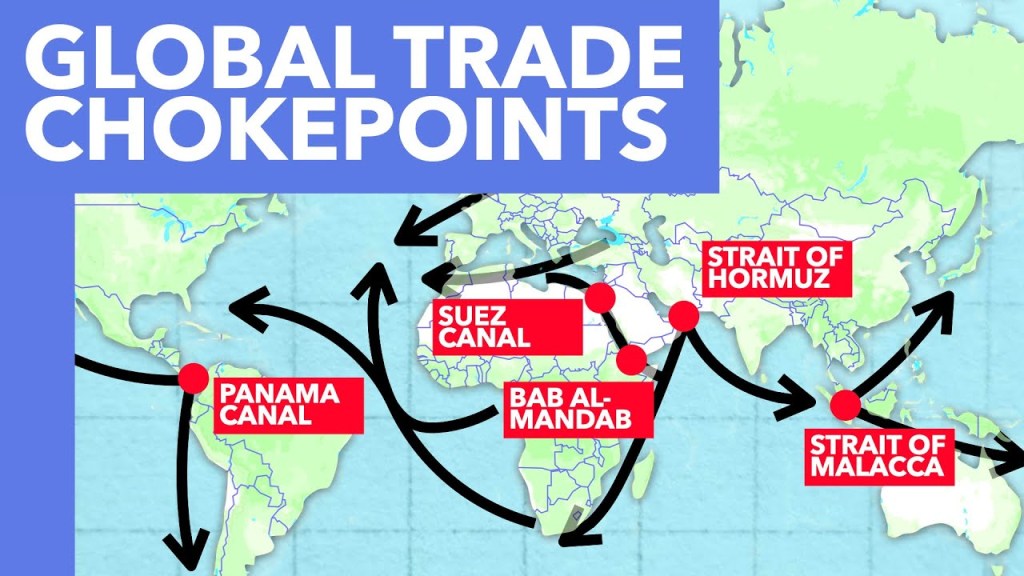
How American economic and military pressure now targets the Strait of Hormuz, the Strait of Malacca, the Panama Canal, the Suez Canal, the Strait of Gibraltar, and the Arctic passages The headline video below is circulating on social media under the title “It’s Not Chaos. It’s The Blueprint” argues that the seemingly disconnected crises in… Continue reading
AI and Digital Control, America, China, economics, Energy, EUROPE, Financial markets, Foreign Policy, Geopolitics, Global Finance, iran, israel, middle east, Mineral Resources, NATO, politics, reserve currency, Russia, warAdmiral Samuel Paparo, American empire, April 2026, Arctic passages, artificial intelligence, Belt and Road Initiative, Brookings Institution, China containment, choke point doctrine, energy security, geopolitical analysis, global trade routes, Greenland, Hong Kong, imperial decline, Indonesia military partnership, Iran War, lithium triangle, Malacca Dilemma, maritime interdiction, Maritime Strategy, Marshall Plan, military industrial complex, Morocco defence agreement, multipolarity, national security, naval blockade, Operation Stargate, Panama Canal, Panama ports, petrodollar, RAND Corporation, Senate Armed Services Committee, Strait of Gibraltar, Strait of Hormuz, Strait of Malacca, strategic petroleum reserve, Suez Canal, unipolarity, United States foreign policy, Venezuela Oil -
Next Stop: Strait of Malacca
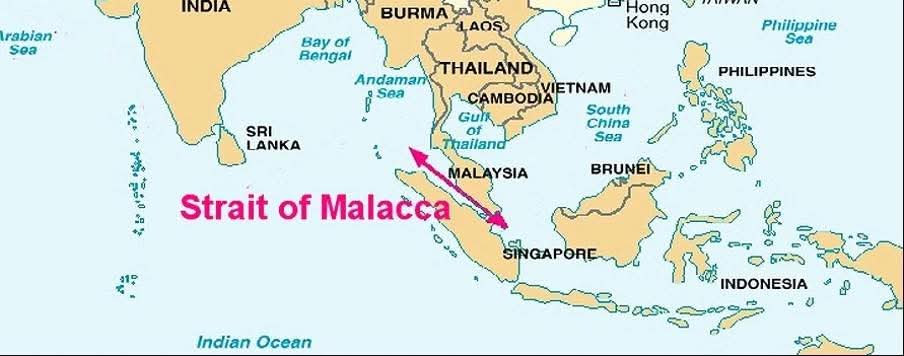
From Hormuz blockade logic and the extension of maritime leverage into East Asian energy supply chains American naval forces have expanded interdiction operations beyond the Persian Gulf into the wider Indian Ocean along established commercial shipping routes. Recent seizures of tankers including the Tifani and Majestic X occurred in waters between Sri Lanka and Indonesia… Continue reading
-
Israel as Distraction, China as Target: The Structure of an Emerging Systemic War
How regional conflict obscures a larger strategy targeting China’s economic lifelines Something has already changed in the way power is organised, though it is rarely put plainly. The pattern of events still looks familiar, which is why it is easy to miss. Military movements in the Middle East are usually explained in terms of local… Continue reading
AI and Digital Control, America, China, economics, Energy, EUROPE, Financial markets, Foreign Policy, Geopolitics, Global Finance, iran, israel, middle east, Mineral Resources, NATO, politics, reserve currency, Russia, waranti-access area denial, blockade strategy, China containment, coercive diplomacy, economic warfare., energy security, Game Theory, Geopolitics, global trade routes, grand strategy, great power competition, hegemonic stability, Indo-Pacific strategy, international relations theory, iran, Marine Corps restructuring, maritime chokepoints, Middle East conflict, military doctrine, multipolar world order, naval strategy, political economy, resource control, Russia-China relations, strategic encirclement, supply chain security, systemic war, US foreign policy -
America’s Suez Moment at Hormuz
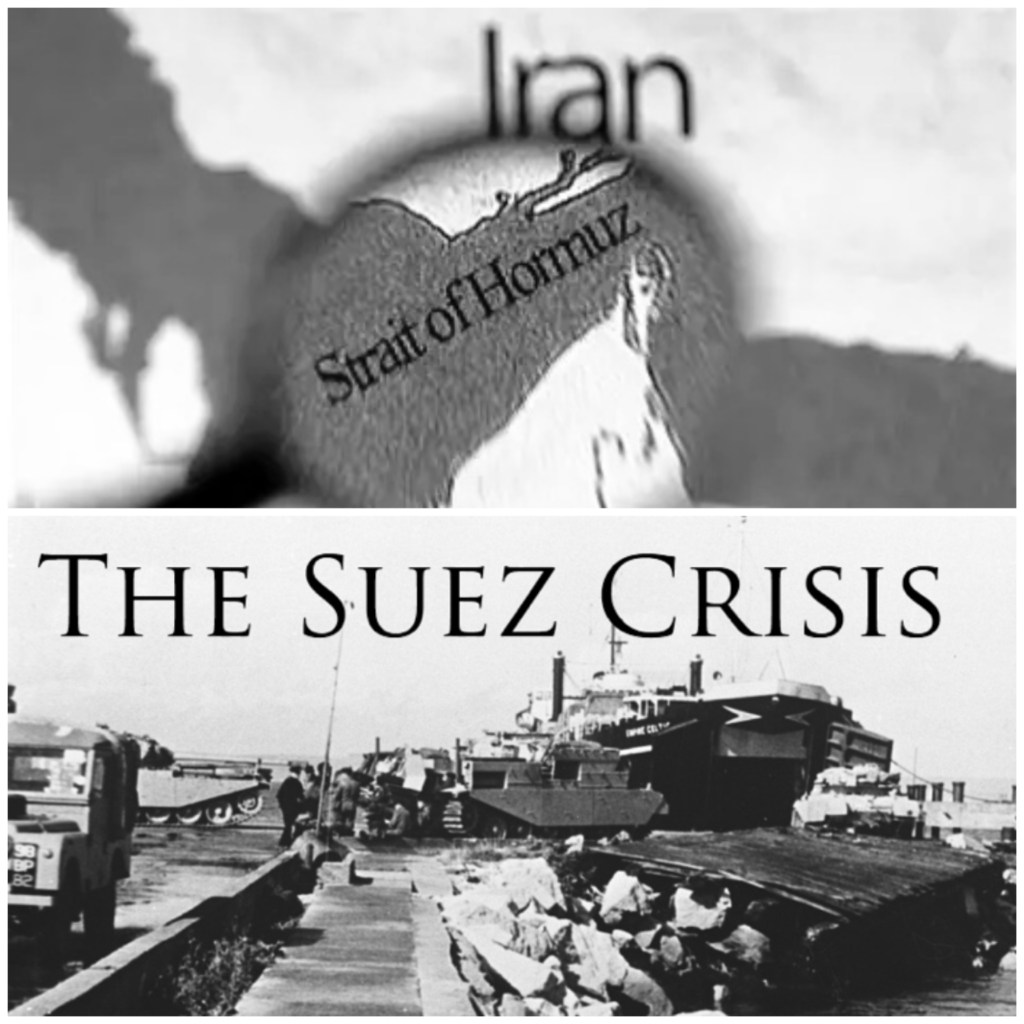
How loss of a single trade route reshapes power, finance, and global order Loss of control over the Strait of Hormuz will mark the end of American global dominance in the same manner that the Suez Canal marked the end of British imperial power, with the mechanism of decline rooted not in immediate military defeat… Continue reading
AI and Digital Control, America, China, economics, Energy, EUROPE, Financial markets, Geopolitics, Global Finance, iran, israel, middle east, NATO, politics, reserve currency, waralliance systems, American empire, asymmetrical warfare, British empire decline, capital flows, debt crisis, energy security, geopolitical analysis, global trade routes, historical precedent, imperial decline, Iran strategy, maritime chokepoints, oil transit, Ray Dalio, reserve currency status, Strait of Hormuz, Suez Crisis 1956, US dollar, US foreign policy -
BRICS needs strategic maritime cooperation – Putin aide

Why BRICS is moving toward maritime cooperation and why it has not become a military alliance Cooperation between the navies of member countries would help protect sea lanes, Nikolay Patrushev has said,speaking to Argumenty i Fakty (meaning “arguements and facts” ), a Russian weekly newspaper. ‘Our key task is building a multipolar order at sea.… Continue reading
