
RAND Corporation
-
The Empire That Would Rather Burn Itself Than Share the World

An independent analysis of the 1992 Wolfowitz Doctrine, the RAND multi-domain strategy, and the structural reasons why a declining hegemon may attempt to topple the game board rather than accept a multipolar world Editorial Analysis | September 2026 The 1992 Defense Planning Guidance, drafted under the supervision of Paul Wolfowitz and leaked to the New… Continue reading
AI and Digital Control, America, bond market, China, economics, Energy, EUROPE, Financial markets, Foreign Policy, Geopolitics, Global Finance, imperialism, iran, israel, japan, knowledge, middle east, NATO, politics, reserve currency, Russia, satellites, technology, warAmerican primacy, Bilibili, China shipbuilding, class analysis, defence contractors, Extending Russia, institutional continuity, Iran threat assessment, multipolarity, National Endowment for Democracy, Nepal regime change, RAND Corporation, think tank funding, Venezuela oil seizure, Wolfowitz Doctrine, Yemen civilian casualties -
Washington’s Never Ending War on Iran
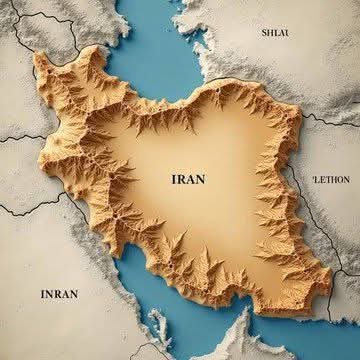
How six years of negotiation, proxy pressure and energy strategy have shaped American policy toward Tehran Every round of negotiation between Washington and Tehran since 2018 has ended the same way, with talks collapsing shortly before or during a major escalation rather than after one. Donald Trump withdrew the United States from the Joint Comprehensive… Continue reading
-
Two Fronts, One Strategic Architecture
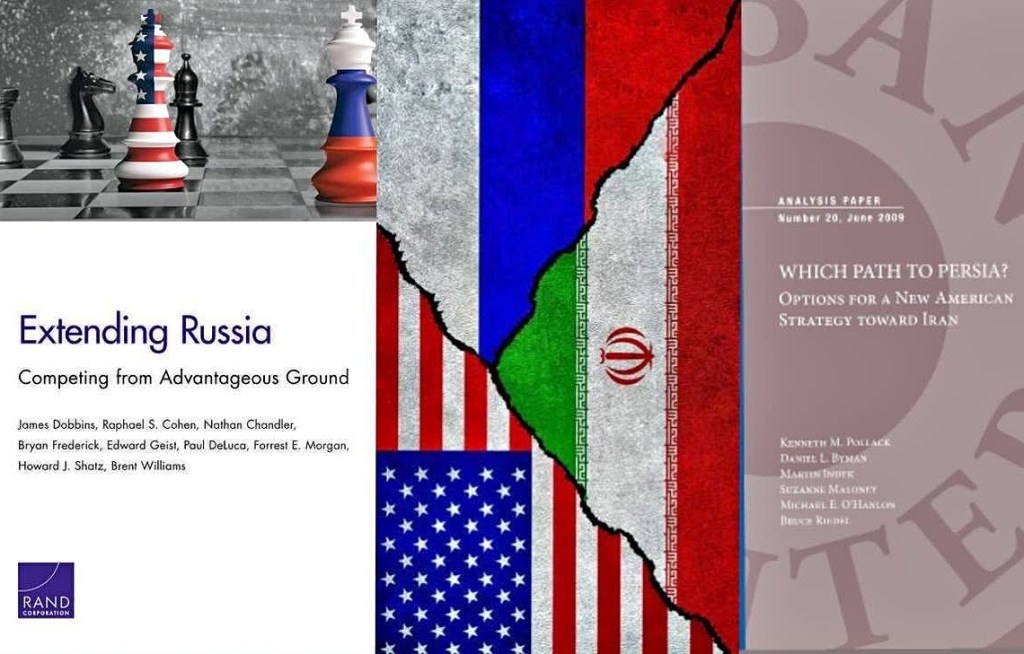
How RAND’s Russia strategy and Brookings’ Iran strategy were written into the wars that followed RAND Corporation is not an independent commentator sitting outside the American state. It is a federally funded research and development centre that has operated under standing contract to the US Army, the Air Force, and the Office of the Secretary… Continue reading
-
Washington’s Widening Front Against Multipolarism
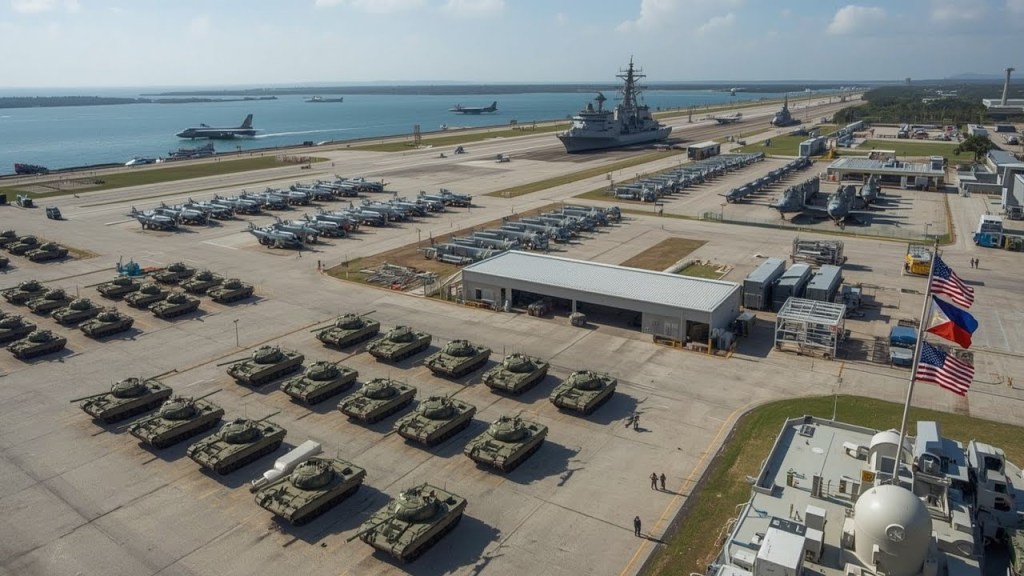
Three theatres – Iran, Ukraine, and now the Philippines – one recurring pattern of escalation dressed as restraint On 21 June 2026, American aircraft struck the Fordow, Natanz and Isfahan nuclear sites in Iran, an operation Donald Trump ordered after months of on-again, off-again negotiation. A ceasefire followed on 24 June, and on 17 June… Continue reading
-
The Memorandum of Convenience
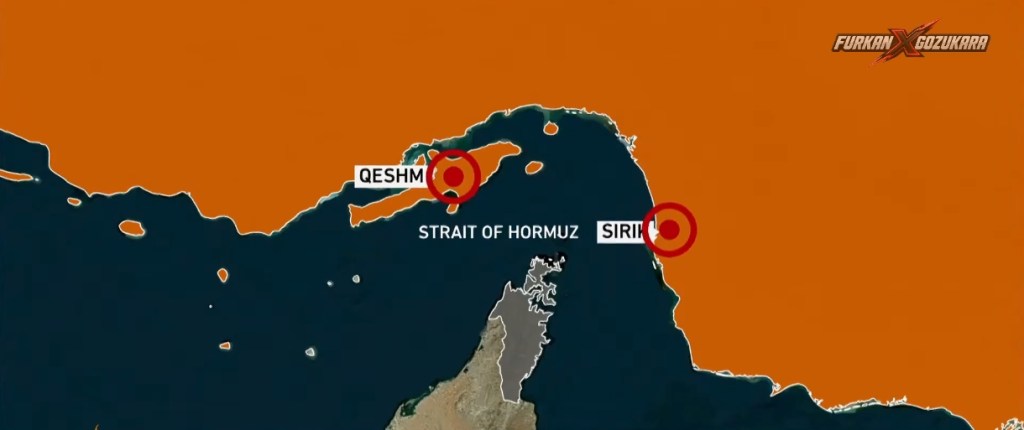
Why the US-Iran MOU Represents Another Chapter in a Longstanding Pattern of Strategic Deception The June 2026 Memorandum of Understanding between the United States and Iran has been presented to the world as a diplomatic breakthrough. According to the 14-point text, the agreement commits both parties to the immediate and permanent termination of military operations… Continue reading
AI and Digital Control, America, China, economics, Energy, EUROPE, Financial markets, Foreign Policy, Geopolitics, iran, israel, warBRICS, Brookings Institution, color revolution, energy security, Extending Russia, Geneva Convention, geopolitical competition, international law, Iran nuclear deal, Iran Sanctions, Iran War, Israel–Iran conflict, JCPOA withdrawal, LNG exports, MOU 2026, multipolarity, munitions depletion, proxy warfare, RAND Corporation, regime change, Strait of Hormuz, treaty violations, Trump administration, unipolarity, US foreign policy, US imperialism, US military inventory, US strategic deception, US–Iran relations, Which Path to Persia -
The President Changes. The Strategy Doesn’t

American Primacy, Structural Entrenchment, and the Path to Permanent Conflict On 8 March 1992, the New York Times published a front-page report under the headline “U.S. Strategy Plan Calls for Insuring No Rivals Develop,” based on a leaked draft of the Pentagon’s Defense Planning Guidance for fiscal years 1994 to 1999. The document, drafted under… Continue reading
AI and Digital Control, America, China, economics, EUROPE, Financial markets, Foreign Policy, Geopolitics, Global Finance, iran, israel, middle east, Mineral Resources, NATO, politics, reserve currency, Russia, war$1.5 trillion defence spending, AI competition, American exceptionalism, American population, American primacy, anti-ship missiles, arms procurement, Asian energy dependency, AUKUS, Boeing, Brian Berletic, British Empire, burden sharing, China containment, Chinese education, Chomsky, CIA drone operations, controlled demolition, corporate capture, corporate extraction, defence budget, Defense Planning Guidance 1992, Dick Cheney, domestic austerity, economic nationalism, escalation, Force Design 2030, General David Berger, General Dynamics, geopolitical analysis, Georgetown CSET, Grand Bargain, great power competition, hegemonic decline, Herman, historical precedent, I. Lewis Libby, ideological indoctrination, imperial overextension, Indo-Pacific strategy, Iran war 2026, japan, LNG markets, Lockheed Martin, manufacturing consent, Marine Littoral Regiments, media distraction, Middle East energy disruption, military industrial complex, multipolar world, national debt, National Science Board, National Security Strategy 2025, New Eastern Outlook, NMESIS, no rivals develop, Northrop Grumman, One Big Beautiful Bill, One China policy, Paul Wolfowitz, perpetual conflict, petrodollar, Philippines, political theatre, post-Cold War strategy, proxy warfare, RAND Corporation, Raytheon, reindustrialisation, rent-seeking economy, reserve currency, Russian energy blockade, science and engineering indicators, semiconductors, Senate Armed Services Committee, shareholder primacy, social spending cuts, South Korea, Soviet collapse, STEM graduates, Strait of Hormuz, structural entrenchment, taiwan, tariffs, technological competition, think tank policy, Trump foreign policy, Ukraine proxy war, unipolarity, US dollar hegemony, wall street, Wolfowitz Doctrine, workforce competition, world war risk -
Do Not Underestimate the United States (Editorial Version)
An analytical examination of the US blockade on Iran, the systematic disruption of energy flows to Asia, and the long-term campaign to isolate China The United States Navy’s deployment of FA-18 Super Hornets to conduct strafing attacks against Iranian commercial tankers in the Gulf of Oman on 6 and 8 May 2026, three vessels targeted,… Continue reading
AI and Digital Control, America, China, economics, Energy, EUROPE, Financial markets, Foreign Policy, Geopolitics, Global Finance, iran, israel, middle east, Mineral Resources, NATO, politics, reserve currency, Russia, South East Asia, waralliance systems, Brian Berletic, Brookings Institution, China, deindustrialisation, economic warfare., energy security, Energy Warfare, Eurasia, Eurasian integration, Geopolitics, global energy markets, global trade routes, great power competition, Indo-Pacific, industrial policy, international relations, iran, LNG, maritime chokepoints, Maritime Strategy, NATO, Nord Stream, proxy warfare, RAND Corporation, Russia, sanctions, sanctions policy, Strait of Hormuz, Strait of Malacca, Strategic Competition, Ukraine war, United States foreign policy, US Navy -
Do Not Underestimate the United States (Long Version)
Why the United States Seeks Control of Supply Routes Rather Than Conventional Victory American power has repeatedly been misread during prolonged geopolitical confrontations because commentators continue measuring strategic success through the narrow lens of immediate battlefield outcomes rather than through cumulative institutional, economic, and infrastructural transformation across decades. Independent geopolitical analyst Brian Berletic argued during… Continue reading
AI and Digital Control, America, China, East Africa, economics, Energy, EUROPE, Financial markets, Foreign Policy, Geopolitics, iran, israel, middle east, NATO, politics, reserve currency, Russia, waralliance systems, Brian Berletic, Brookings Institution, China, deindustrialisation, economic statecraft, economic warfare., energy geopolitics, energy security, Energy Warfare, Eurasia, Eurasian integration, geopolitical risk, Geopolitics, global energy markets, global trade routes, great power competition, Indo-Pacific, industrial policy, international relations, iran, LNG, maritime chokepoints, Maritime Strategy, military strategy, NATO, Nord Stream, proxy warfare, RAND Corporation, Russia, sanctions, sanctions policy, Strait of Hormuz, Strait of Malacca, Strategic Competition, strategic studies, supply chains, Ukraine war, United States foreign policy, US Navy, US-China relations -
The Choke Point Doctrine
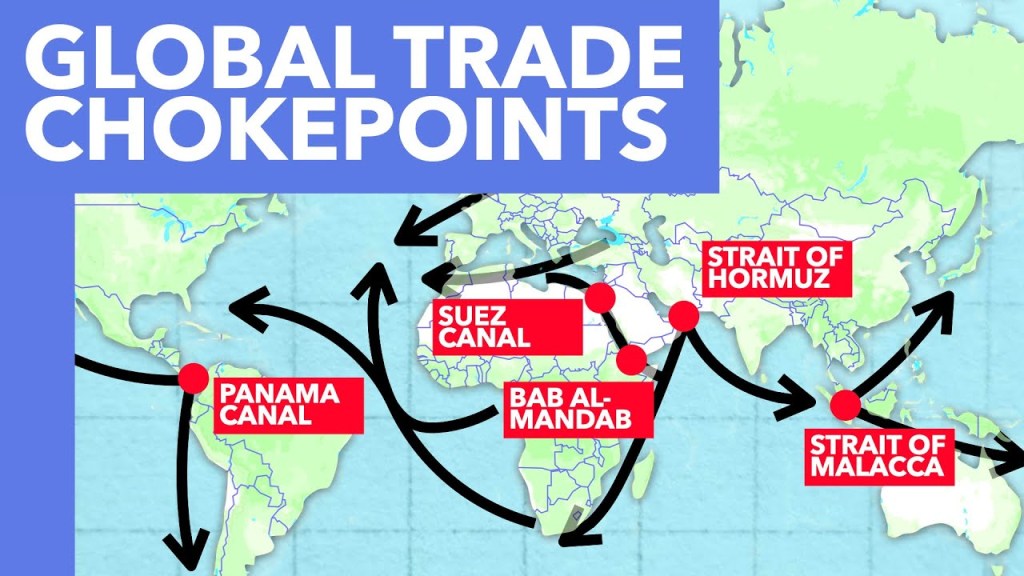
How American economic and military pressure now targets the Strait of Hormuz, the Strait of Malacca, the Panama Canal, the Suez Canal, the Strait of Gibraltar, and the Arctic passages The headline video below is circulating on social media under the title “It’s Not Chaos. It’s The Blueprint” argues that the seemingly disconnected crises in… Continue reading
AI and Digital Control, America, China, economics, Energy, EUROPE, Financial markets, Foreign Policy, Geopolitics, Global Finance, iran, israel, middle east, Mineral Resources, NATO, politics, reserve currency, Russia, warAdmiral Samuel Paparo, American empire, April 2026, Arctic passages, artificial intelligence, Belt and Road Initiative, Brookings Institution, China containment, choke point doctrine, energy security, geopolitical analysis, global trade routes, Greenland, Hong Kong, imperial decline, Indonesia military partnership, Iran War, lithium triangle, Malacca Dilemma, maritime interdiction, Maritime Strategy, Marshall Plan, military industrial complex, Morocco defence agreement, multipolarity, national security, naval blockade, Operation Stargate, Panama Canal, Panama ports, petrodollar, RAND Corporation, Senate Armed Services Committee, Strait of Gibraltar, Strait of Hormuz, Strait of Malacca, strategic petroleum reserve, Suez Canal, unipolarity, United States foreign policy, Venezuela Oil -
How Russia Is Shaping the War’s Endgame in Ukraine

The conflict now tests whether Western power can still limit Russian outcomes as Moscow shifts from containment to full restructuring of Ukraine The conflict is no longer defined by whether Russia can impose its terms, but by which version of those terms ultimately emerges. The war in Ukraine is increasingly defined by a contradiction within… Continue reading
