
iran
-
Iran Signals Expansion of Retaliation Beyond Military Targets
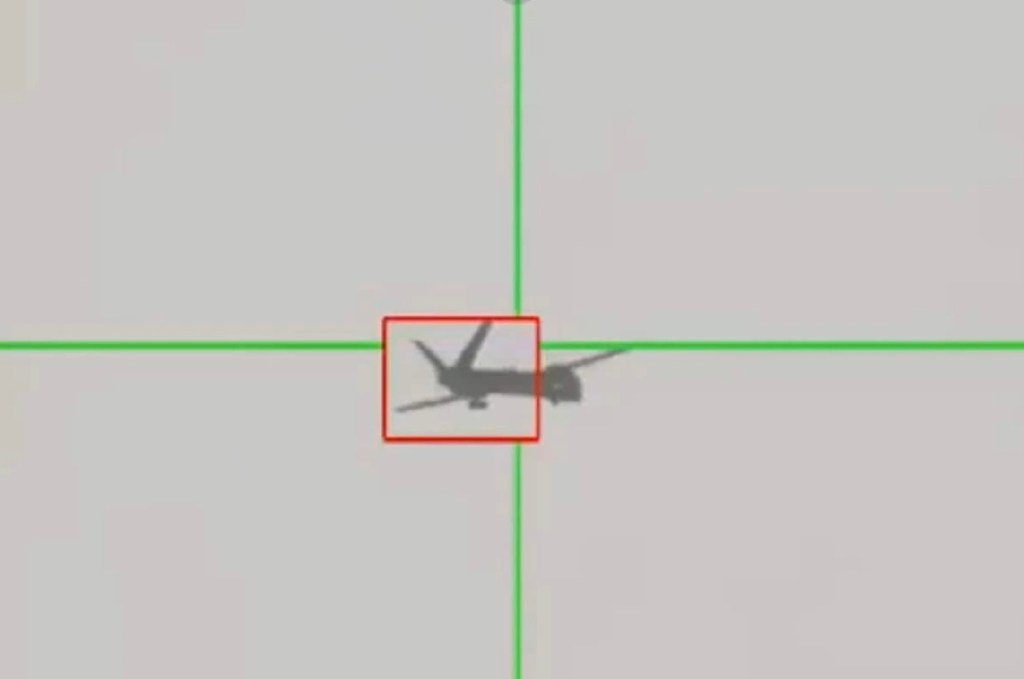
After Larak Island strike, Iranian academic and former adviser Mohammad Marandi warns of a “different” and “very painful” response that may include economic assets, with potential effects on energy General Article |September 2026 United States Central Command confirmed that American forces struck two launchers on Larak Island late on 30 August. Officials stated that Islamic… Continue reading
-
American Strike on Larak Island and Iranian Retaliation Widen the Contested Theatre
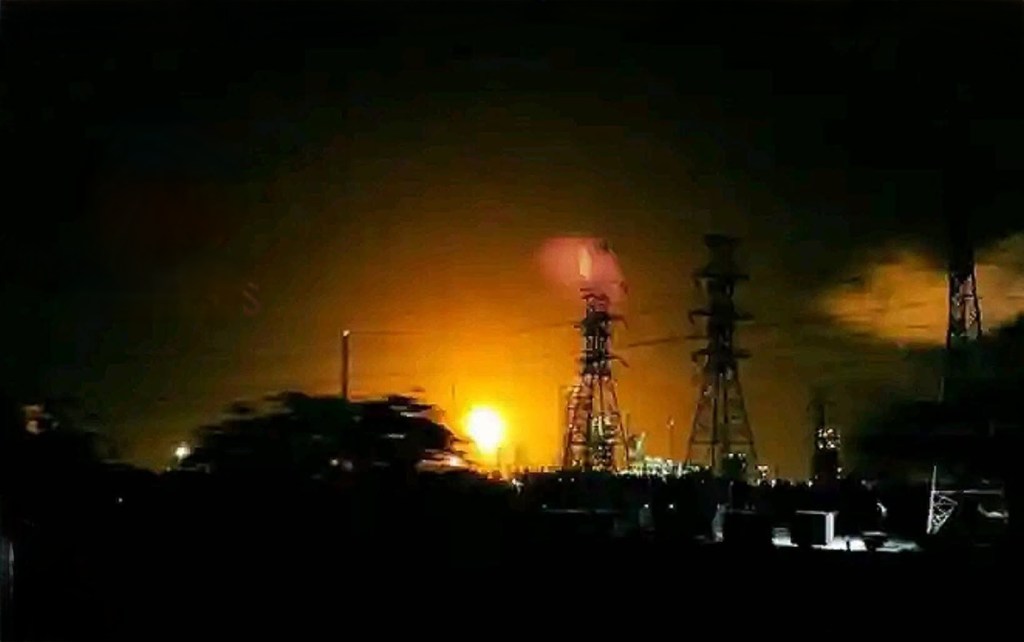
Direct attacks near the Strait of Hormuz, reciprocal launches against United States bases in Jordan, and explicit threats against Israeli leadership mark a further expansion of the conflict’s geographic and political scope General Article | August 2026 United States Central Command confirmed that American forces struck two launchers on Larak Island late on 30 August.… Continue reading
-
Hormuz Authority Shifts to Iranian Waters
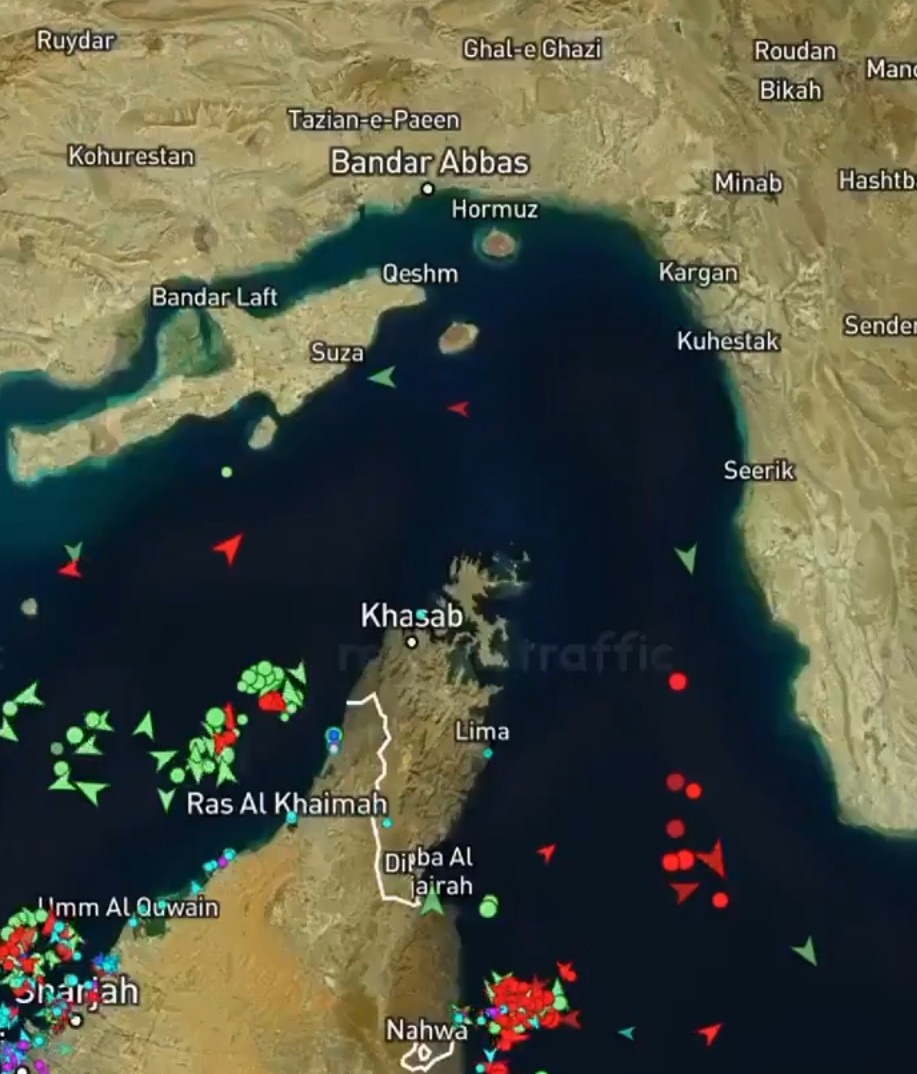
Iran-Oman corridor closes the US-escorted southern route and ties oil transit to Tehran’s political conditions Iran’s leadership confronts two sharply different readings of the present phase of its confrontation with the United States. One interpretation holds that strategic patience alone can convert military success into lasting political victory. The other warns that the same patience… Continue reading
-
Iran and Oman Close America’s Hormuz Corridor
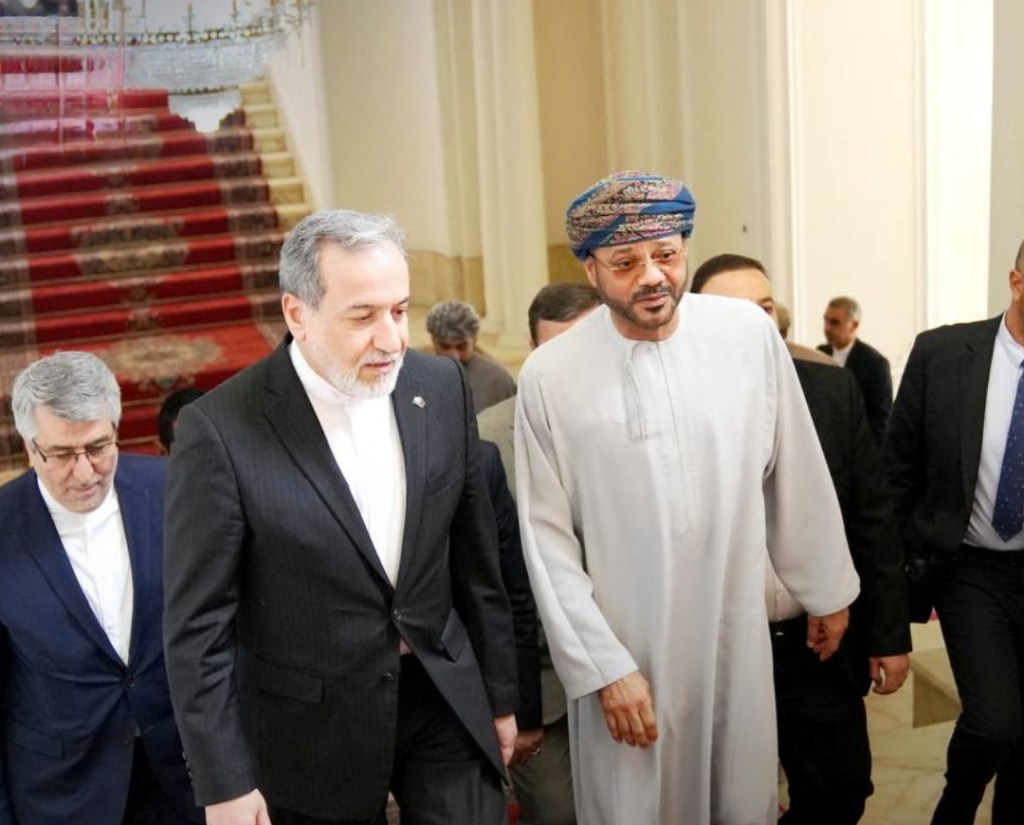
Joint navigation route through Iranian waters replaces the UN-backed southern path that US warships have escorted for five months America’s five-month effort to secure an alternative shipping corridor through the Strait of Hormuz is being rewritten by the very ally that helped establish it. Iran and Oman have agreed to create a temporary joint navigation… Continue reading
-
The U.S. Vows to Impose the Toughest Sanctions in History on Iran
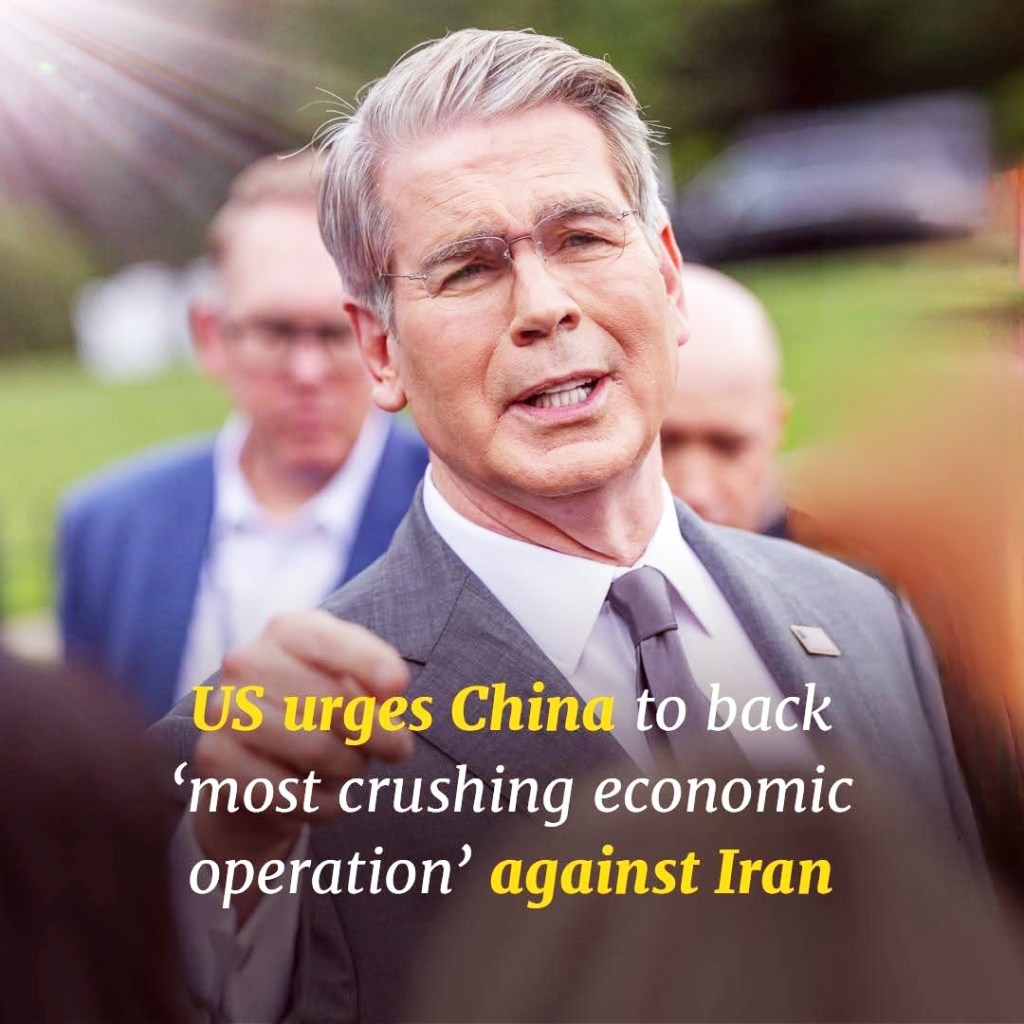
President Trump Declares ‘Economic D-Day,’ Threatening Crippling Sanctions for Dealing with Iran General Article | August 2026 Washington has launched what it describes as an economic D-Day against Iran, with United States Treasury Secretary Scott Bessent vowing to impose the toughest sanctions in history in a concerted effort to collapse the Iranian government. Speaking to… Continue reading
-
Nowhere To Run
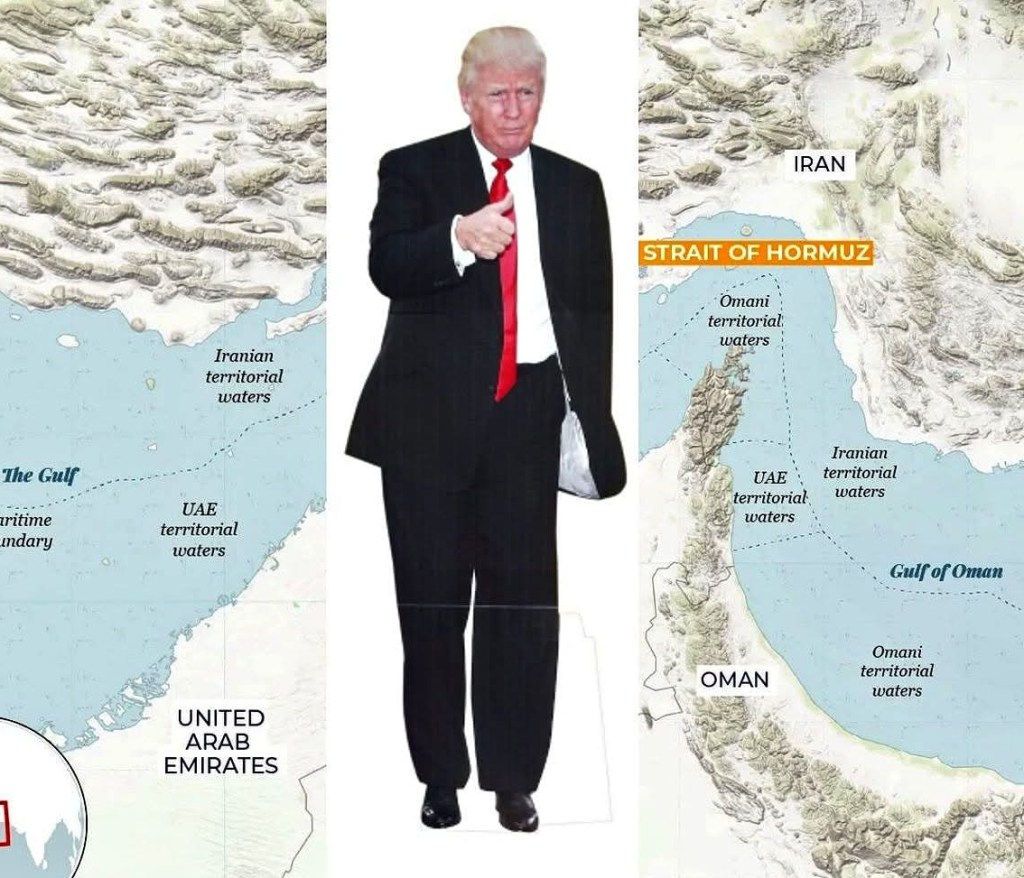
How America’s War on Iran Has Exposed the Limits of Military Power, the Fragility of Financial Hegemony, and the Terminal Decline of Western Imperialism Editorial Analysis | August 2026 The war on Iran, which American planners confidently predicted would conclude within four to six weeks, has instead become a grinding conflict that is consuming the… Continue reading
-
U.S. GRAND STRATEGY: Peripheral Pressure and Attrition in the Contest with Iran and Russia

How multi-vector proxy strategies, constrained munitions stocks and energy disruption shape contemporary American attempts to manage relative decline Editorial Analysis | August 2026 American military and intelligence activity directed at Iran has unfolded across several simultaneous vectors rather than through a single decisive campaign. Conventional strikes have been accompanied by continued material and political support… Continue reading
-
The Logic of Controlled Demolition
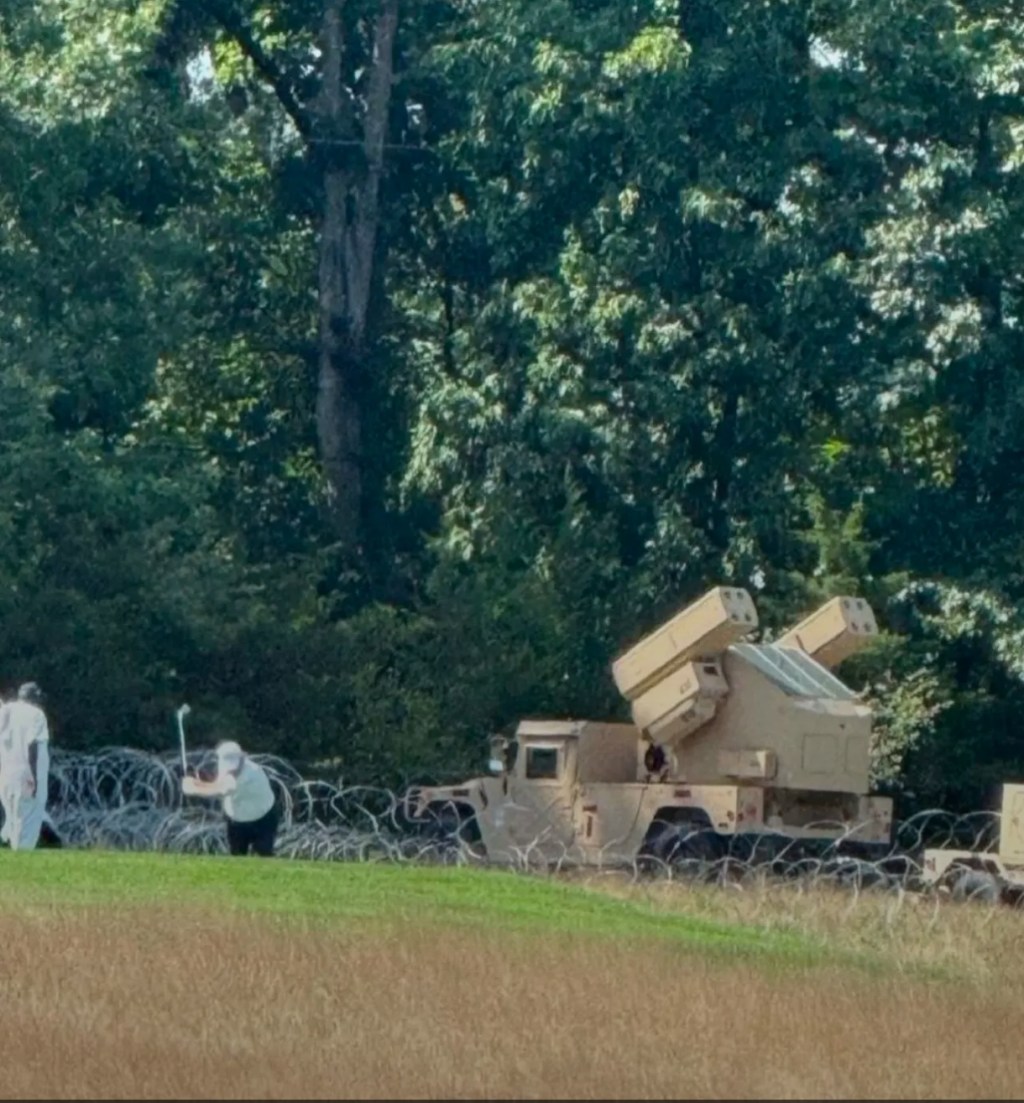
How America’s Parallel Wars in Ukraine and West Asia Reveal a Strategy of Managed Decline The public mood inside Russia has undergone a profound and measurable transformation over recent months, driven by Ukrainian drone strikes that have penetrated the country’s interior with increasing frequency and lethality. The attack on a beach in Gelendzhik on the… Continue reading
-
The Makkah Agreement and the Emerging Architecture of Regional Defence
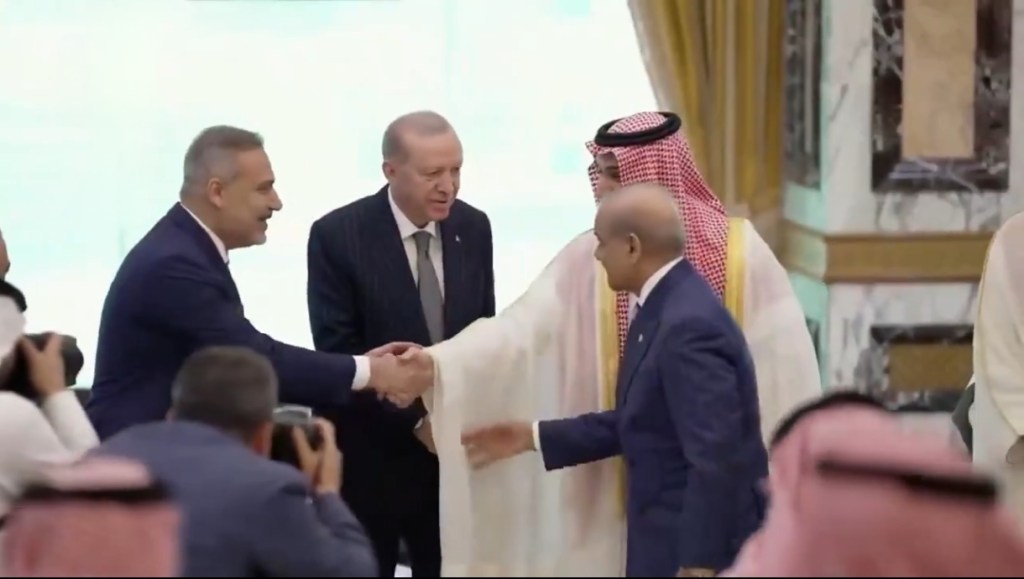
The Saudi-Türkiye-Pakistan Defence Partnership and the Reconfiguration of Regional Security General Article | August 2026 The geopolitical landscape of the Middle East and South Asia underwent a significant transformation on 7 August 2026 when Saudi Arabia, Türkiye and Pakistan signed the Makkah Joint Defence Agreement at Al-Safa Palace in Makkah, establishing a framework that stipulates… Continue reading
-
Iranian Claims of U.S. Insider Trading and Executive Leverage in the 2026 Energy Futures Markets

The concentration of market-moving announcements in a narrow circle of decision-makers makes the observed pattern of large, precisely timed short positions difficult to explain without insider knowledge during the Persian Gulf Standoff The concentration of market-moving announcements in a narrow circle of decision-makers makes the observed pattern of large, precisely timed short positions difficult to… Continue reading
