
Sun Tzu
-
A War Iran Does Not Need to Win Decisively
Why the Trump-Israel coalition’s wider objectives are easier to frustrate than Iran’s narrower aim of survival and retaliation revealing the asymmetry between preserving a state and trying to break one Iran holds the cards because it is fighting defensively on its own terrain, with time, geography and economic leverage on its side; Trump blundered by… Continue reading
-
Iran Rejects Ceasefire Demands Permanent End to War and External Pressure
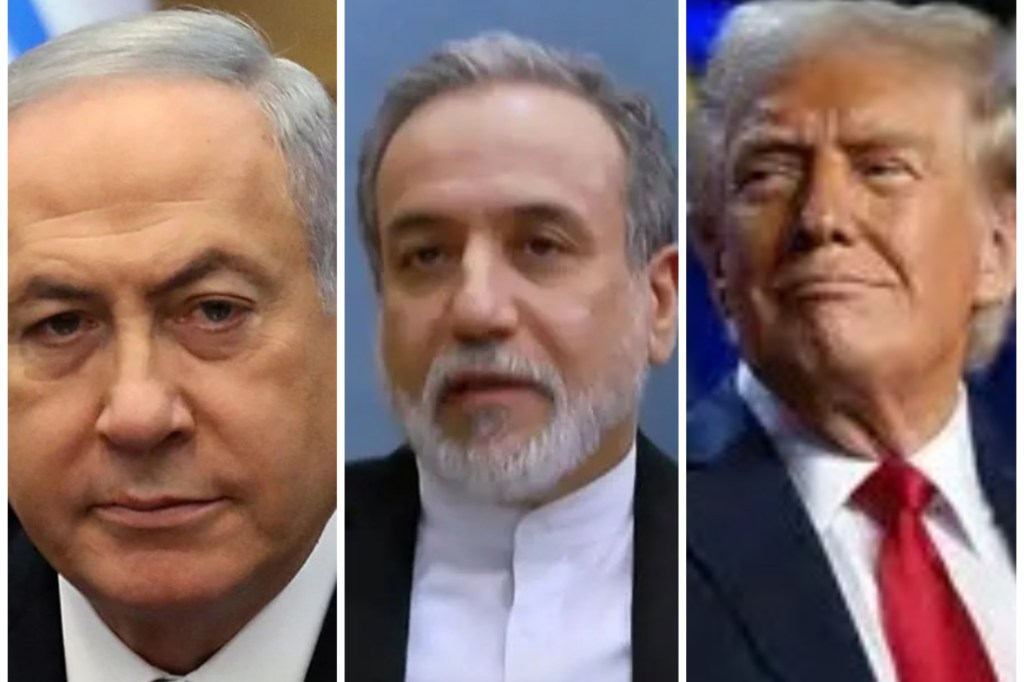
Iranian leadership argues that temporary truces only preserve the strategic conditions that have produced decades of confrontation since the 1979 revolution. Iranian refusal to accept a temporary ceasefire reflects a strategic calculation rooted in the historical pattern of hostilities directed against the Islamic Republic since the 1979 revolution. Tehran frames the current confrontation as the… Continue reading
AI and Digital Control, America, China, economics, Energy, EUROPE, Financial markets, Foreign Policy, Geopolitics, iran, israel, middle east, NATO, politics, Russia, warAbbas Araghchi, ceasefire diplomacy, energy security, Game Theory, Geopolitics, global energy markets, Gulf geopolitics, iran, Iranian foreign policy, IRGC, Israel Iran tensions, Middle East conflict, oil geopolitics, political economy, regional power balance, security architecture, Strait of Hormuz, Sun Tzu, Thomas Schelling, US–Iran relations, war strategy -
Shock Doctrine Decapitation or Deterrence
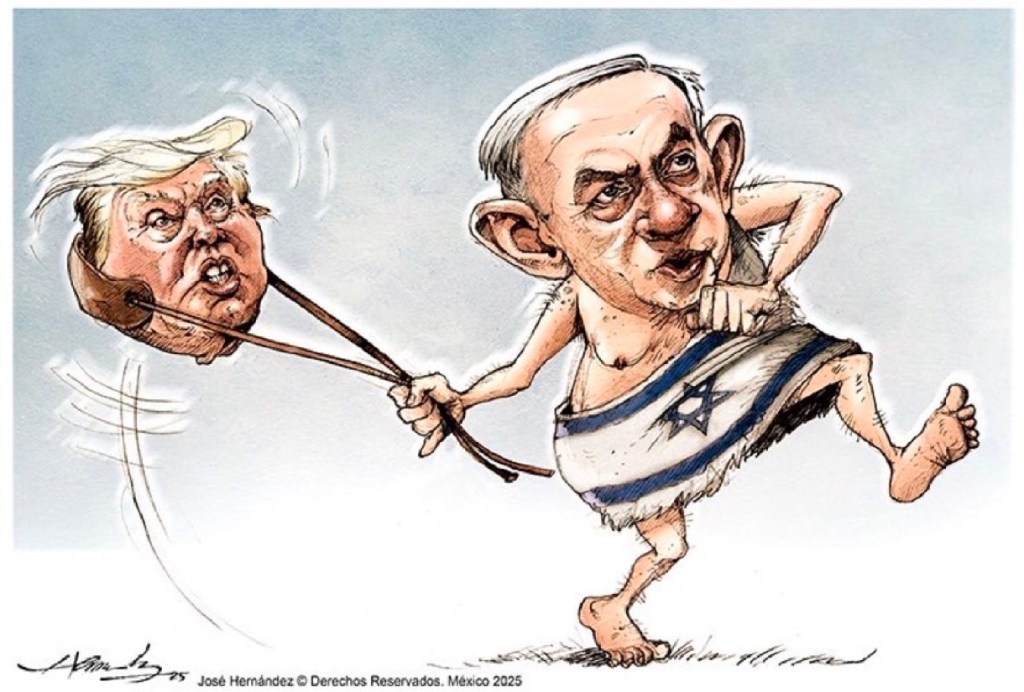
Washington’s pursuit of rapid decapitation confronts Tehran’s doctrine of attritional survival March 1, 2026 marked the second day of renewed United States military operations against the Islamic Republic of Iran, described by observers as either a new war of aggression or the continuation of hostilities initiated during the previous year. Early operational reporting indicated that… Continue reading
AI and Digital Control, Financial markets, Foreign Policy, Geopolitics, Global Finance, Health, israel, Latin America, middle east, NATO, politics, Russia, warairpower strategy, asymmetric warfare, attrition warfare, ballistic missiles, Clausewitz, decapitation strategy, Drone Warfare, Escalation dynamics, iran, Islamic Revolutionary Guard Corps, Middle East security, military doctrine, mosaic defence doctrine, political economy of war, regime change, sanctions resilience, strategic endurance, Sun Tzu, United States, war of aggression -
The West v. East GeoEconomic Warfare For Financial Primacy
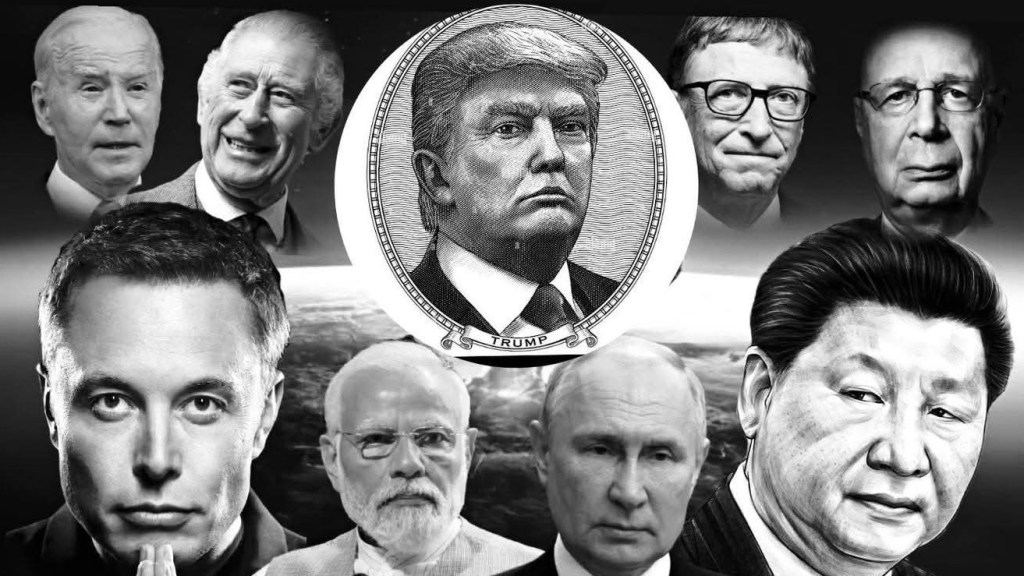
Monetary Systems, Power, and the Struggle to Shape and Control the Global Order for the Coming Generations West versus East; it is a war, for now, a smart kind of war, but one that results in a “permanent fragmentation” of the global financial architecture. This architecture that evolved after the Second World War rested upon… Continue reading
AI and Digital Control, America, China, economics, EUROPE, Financial markets, Foreign Policy, Geopolitics, Global Finance, israel, middle east, Mineral Resources, NATO, politics, reserve currency, Russia, South East Asia, warCBERS, chaos theory, Eastern Financial Systems, Economic Security, financial warfare, Game Theory, Geoeconomics, Global Finance, Gold Markets, Industrial Capacity, Minsky, Monetary sovereignty, Physical vs Paper Assets, reserve currency, sanctions, Silver Markets, Strategic Competition, Sun Tzu, SWIFT, US Dollar Dominance, West vs East
