
military doctrine
-
The Pentagon’s Drone Pivot Signals a Fundamental Shift in U.S. Military Doctrine
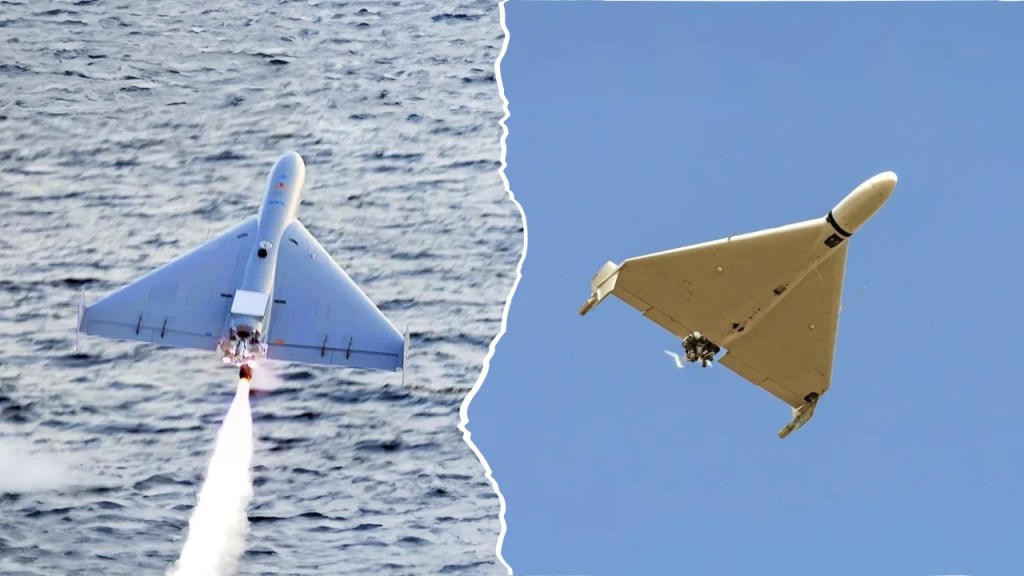
As Washington races to scale low-cost drone production after lessons from Ukraine, the United States is confronting a deeper challenge: transforming a defense system built for technological superiority into one capable of sustaining industrial-scale autonomous warfare during an active era of global competition. The U.S. Department of Defense is reportedly expanding efforts to strengthen domestic… Continue reading
AI and Digital Control, America, China, economics, Energy, EUROPE, Foreign Policy, Geopolitics, Global Finance, iran, israel, middle east, Mineral Resources, NATO, politics, reserve currency, warAI warfare, Autonomous Systems, Defense Industry, Defense Manufacturing, Drone Production, Drone Warfare, Electronic Warfare, FPV Drones, Geopolitics, industrial policy, iran, Low-Cost Drones, LUCAS Drone, military doctrine, military strategy, military technology, Modern Warfare, national security, pentagon, Shahed Drones, Strategic Competition, U.S. Defense Policy, U.S.-Saudi Relations, Ukraine war, United States -
One Battle, Two Press Releases: Hormuz and the Crisis of American Deterrence
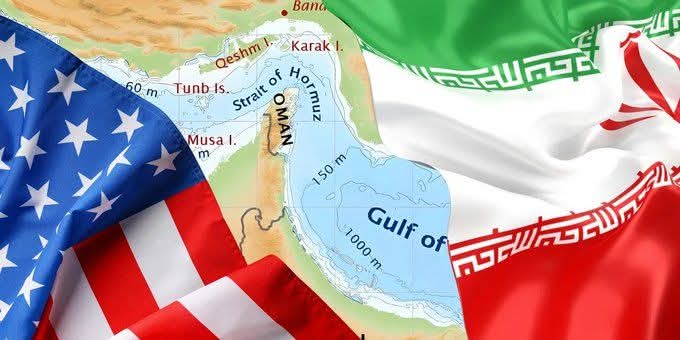
The Persian Gulf confrontation exposed the widening gap between military optics and operational control, while financial stabilisation and military escalation merged into the same strategic system A naval withdrawal inside the Strait of Hormuz would mark a strategic rupture extending far beyond one contested waterway, because the credibility of American maritime supremacy depends upon sustained… Continue reading
AI and Digital Control, America, China, economics, Energy, EUROPE, Financial markets, Foreign Policy, Geopolitics, Global Finance, iran, israel, middle east, Mineral Resources, NATO, politics, reserve currency, Russia, warAmerican Power, anti-access area denial, asymmetric warfare, Clausewitz, Coercive Credibility, Currency Systems, Defence Economics, dollar hegemony, energy security, escalation dominance, Financial markets, financial stability, Game Theory, Geoeconomics, Geopolitics, global order, Hormuz Crisis, imperial decline, international relations, iran, IRGC, maritime chokepoints, Maritime Strategy, Middle East security, military doctrine, Military Industrial Base, military strategy, Missile Saturation, multipolarity, Naval Warfare, Persian Gulf, Plunge Protection Team, political economy, realism, sea power, Strait of Hormuz, Strategic Geography, strategic studies, systemic risk, United States Navy -
Israel as Distraction, China as Target: The Structure of an Emerging Systemic War
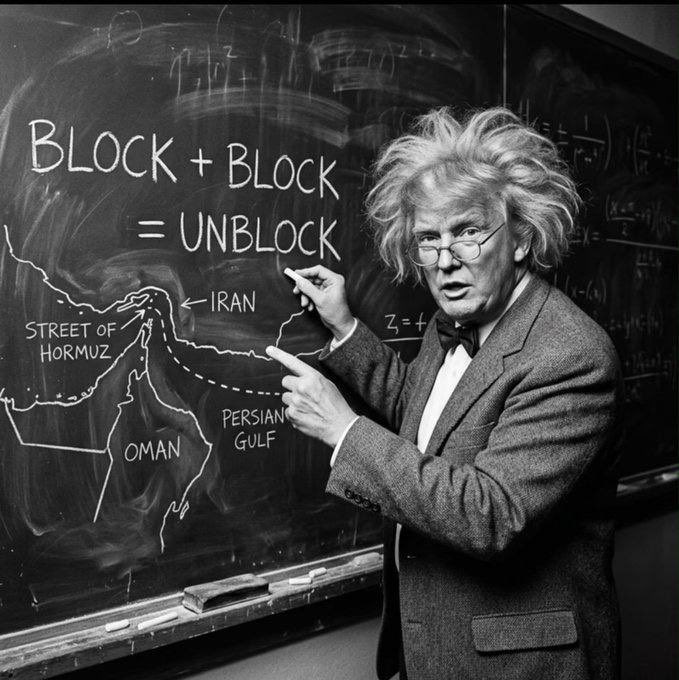
How regional conflict obscures a larger strategy targeting China’s economic lifelines Something has already changed in the way power is organised, though it is rarely put plainly. The pattern of events still looks familiar, which is why it is easy to miss. Military movements in the Middle East are usually explained in terms of local… Continue reading
AI and Digital Control, America, China, economics, Energy, EUROPE, Financial markets, Foreign Policy, Geopolitics, Global Finance, iran, israel, middle east, Mineral Resources, NATO, politics, reserve currency, Russia, waranti-access area denial, blockade strategy, China containment, coercive diplomacy, economic warfare., energy security, Game Theory, Geopolitics, global trade routes, grand strategy, great power competition, hegemonic stability, Indo-Pacific strategy, international relations theory, iran, Marine Corps restructuring, maritime chokepoints, Middle East conflict, military doctrine, multipolar world order, naval strategy, political economy, resource control, Russia-China relations, strategic encirclement, supply chain security, systemic war, US foreign policy -
Iran as an Underdog has Proven Effective and now Holds Significant Leverage
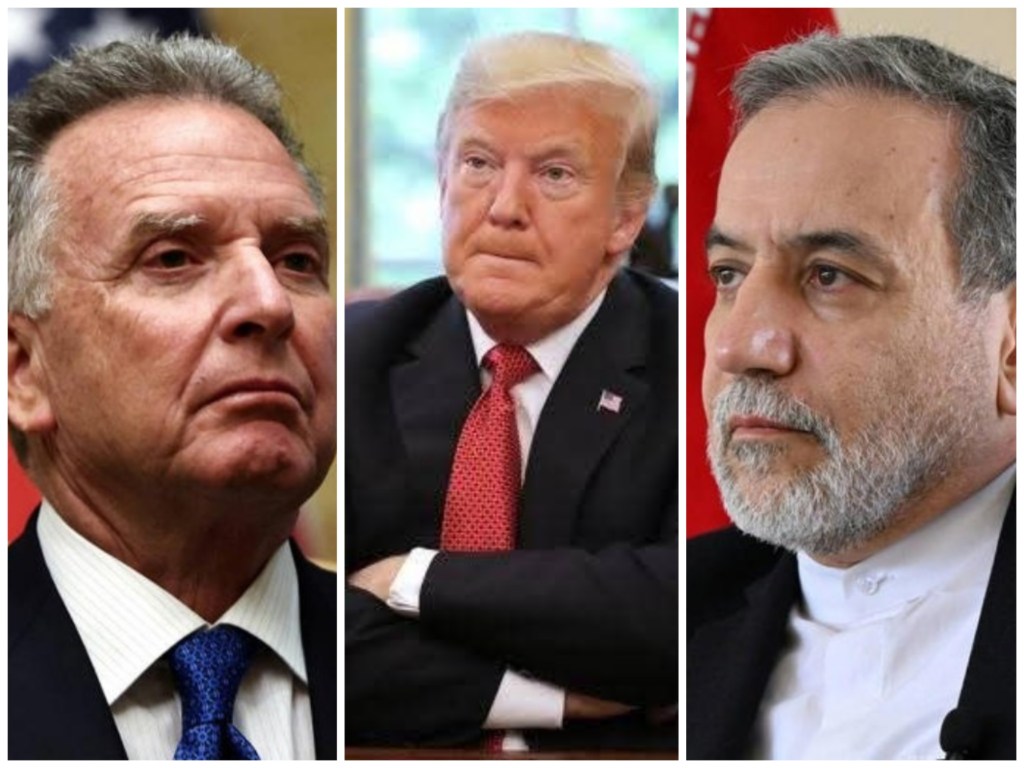
The consequences of underestimation and misreading capability by the United States and Israel has resulted in measurable strategic cost The available evidence indicates that the scale and resilience of Iranian state capacity under sustained attack have been materially underestimated in much Western policy analysis, despite repeated cautions issued over several years by academic specialists in… Continue reading
AI and Digital Control, America, China, economics, Energy, EUROPE, Financial markets, Foreign Policy, Geopolitics, Global Finance, iran, israel, NATO, politics, warasymmetric warfare, conflict analysis, cost imposition strategy, decentralised defence, deterrence, Drone Warfare, Escalation dynamics, geopolitical leverage, Gulf security, hybrid warfare, iran, israel, Middle East geopolitics, military doctrine, military miscalculation, missile warfare, regional power balance, state resilience, Strait of Hormuz, strategic resilience, strategic studies, underdog, United States, war of attrition -
The Truth About Downed Aircraft Is So Hard to Say
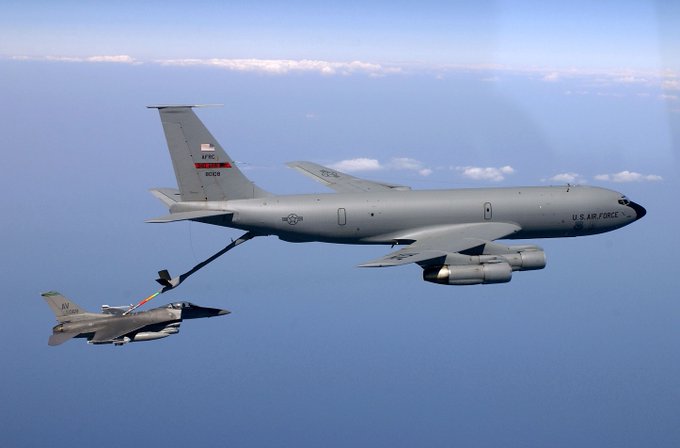
When Multiple Expensive Aircraft Start Falling Frequently Great Powers Cannot Admit Enemy Attrition In war, what governments avoid saying clearly can tell you as much as what they openly admit. When expensive aircraft begin going down in or around a contested theatre, the immediate tactical explanation matters less than the political meaning of the loss.… Continue reading
-
Shock Doctrine Decapitation or Deterrence
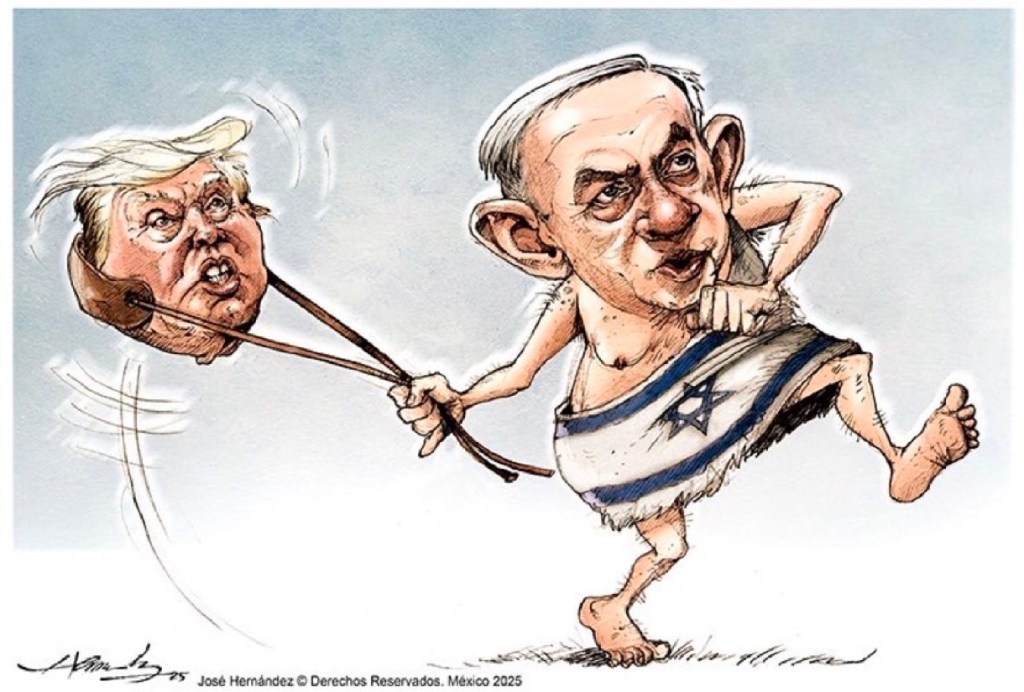
Washington’s pursuit of rapid decapitation confronts Tehran’s doctrine of attritional survival March 1, 2026 marked the second day of renewed United States military operations against the Islamic Republic of Iran, described by observers as either a new war of aggression or the continuation of hostilities initiated during the previous year. Early operational reporting indicated that… Continue reading
AI and Digital Control, Financial markets, Foreign Policy, Geopolitics, Global Finance, Health, israel, Latin America, middle east, NATO, politics, Russia, warairpower strategy, asymmetric warfare, attrition warfare, ballistic missiles, Clausewitz, decapitation strategy, Drone Warfare, Escalation dynamics, iran, Islamic Revolutionary Guard Corps, Middle East security, military doctrine, mosaic defence doctrine, political economy of war, regime change, sanctions resilience, strategic endurance, Sun Tzu, United States, war of aggression
