
Energy
-
Iran is Resisting the “Epstein”Digital Monetary Order

Iran’s monetary independence’s refusal to submit to digital monetary surveillance and centralised financial control tyranny as the underlying driver of the war The sustained pressure applied against Iran over recent decades reflects a structural conflict over monetary sovereignty rather than episodic disputes over security or ideology. Examination of intervention patterns since the late twentieth century… Continue reading
-
The Strategic Centrality of the United States Fifth Fleet in Gulf Power Politics
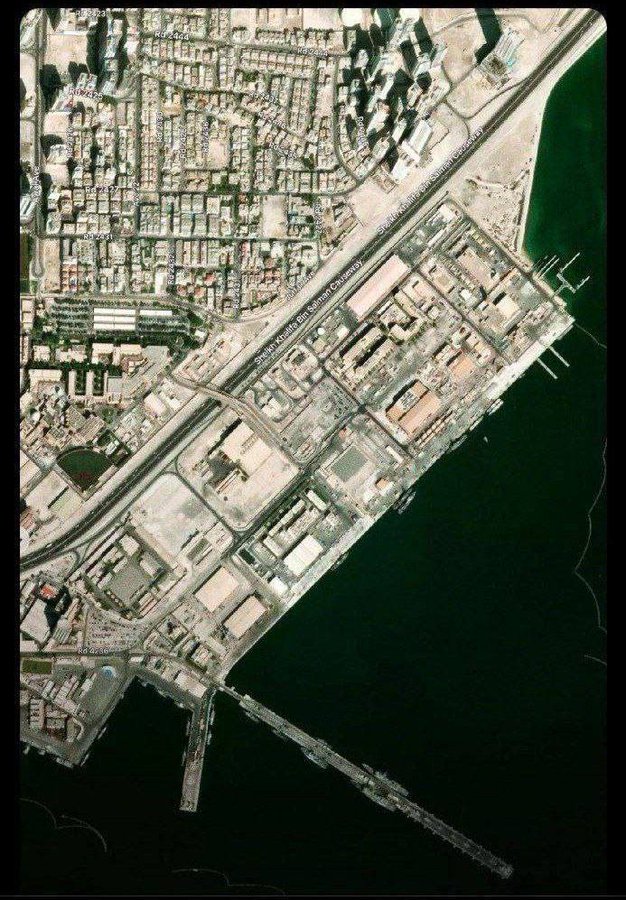
Why Iran Regards the Naval Command in Bahrain as the Core Instrument of American Maritime Dominance in the Middle East Iran’s sustained focus on the United States Fifth Fleet, headquartered in Manama, Bahrain, must be understood within the broader geopolitical contest that has shaped the Persian Gulf since the end of the Cold War. The… Continue reading
-
The “Epstein” Economic Crash Now Taking Shape Cannot Be Avoided

Structural debt dynamics, declining dollar demand, and rising energy risks now operate beyond political control An economic crash is approaching, and the conditions now in place mean it cannot be prevented by political leadership or administrative intervention. This outcome is driven by accumulated debt, long-term policy decisions, and financial dynamics that operate independently of elections… Continue reading
-
The United States-Israel Attack on Iran During Negotiations

How an Unprovoked Attack on Iran Amid Active Negotiations, Triggered A Regional War and Closure of the Strait of Hormuz United States and Israeli forces initiated coordinated unprovoked strikes against Iranian nuclear and military infrastructure during active negotiations in Geneva, where Omani intermediaries had conveyed cautious optimism following reported Iranian concessions. Targets included enrichment facilities… Continue reading
AI and Digital Control, America, economics, Energy, EUROPE, Financial markets, Foreign Policy, Geopolitics, Global Finance, israel, middle east, NATO, politics, Russia, warballistic missile programme, China energy security, civilian casualties, Geneva nuclear talks, girls school airstrike, global energy markets, great power rivalry, Iran deterrence doctrine, Israel–Iran war, maritime security, Middle East escalation, nuclear dismantlement demands, oil supply disruption, Oman mediation, regional fragmentation strategy, Russia Iran ties, sanctions relief dispute, Strait of Hormuz closure, strike during negotiations, US foreign policy, US–Iran conflict, zero enrichment policy -
War Decided: Who Throws the First Punch
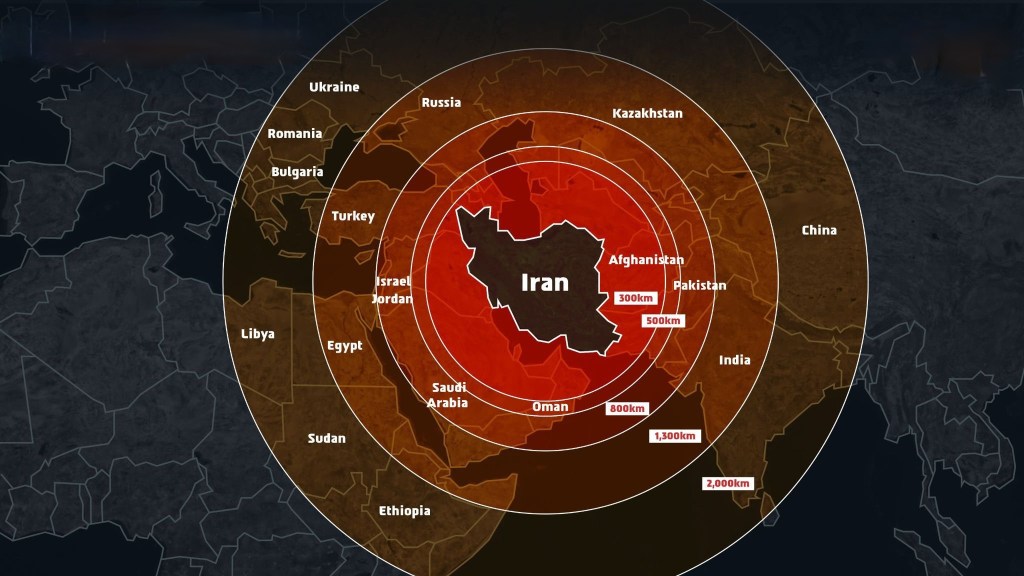
Netanyahu’s Closing Horizon But Washington Prefers Israel to Strike, and How Political Liability Is Being Engineered Before Escalation Senior advisers to President Donald Trump have signalled, in reporting carried by Politico, that an Israeli first strike on Iran would provide a more favourable political predicate for subsequent American entry into war. Officials familiar with internal… Continue reading
AI and Digital Control, America, China, economics, Energy, EUROPE, Financial markets, Foreign Policy, Geopolitics, Global Finance, israel, middle east, Mineral Resources, NATO, politics, reserve currency, warBalkanisation doctrine, bipartisan foreign policy consensus, Brzeziński grand strategy, carrier strike group movements, Chinese satellite intelligence, CM-302 missiles, congressional war authority, F-22 deployment, first strike doctrine, Fordow nuclear facility, Geneva nuclear talks, great power competition, Hezbollah escalation risk, Isfahan nuclear complex, Israel–Iran conflict, Israeli security doctrine, Middle East power realignment, munitions depletion risk, Natanz nuclear site, Netanyahu security architecture, pre-emptive strategy, regime change strategy, Taiwan contingency planning, US foreign policy, US–China strategic rivalry, US–Iran war, USS Gerald R Ford, War Powers Resolution, war sequencing, zero enrichment dispute -
If Israel Strikes Iran, It Will Be on Purim

Why Purim, the Fourteenth of Adar, Presents the Most Historically Charged Moment for Confronting Iran as a Deliberate Answer to an Ancient Persian Decree It can be argued that if Israel is going to pick an historic day to strike at Iran, that day would be on Purim (Blood Moon), referred to as the 14th… Continue reading
-
Nuclear Transfer Allegations and Black Sea Sabotage Claims Raise Direct NATO-Russia Confrontation Risk

Russian claims of covert nuclear transfers to Ukraine and Black Sea pipeline sabotage point to escalation risks beyond conventional war, with consequences for non-proliferation and EU energy security Recent statements from Vladimir Putin and Russia’s Foreign Intelligence Service have introduced allegations that certain NATO members are considering the covert transfer of nuclear weapons components to… Continue reading
-
The Unraveling of Global Power: Trust, Shadow Governance, and the Rise of Technofeudalism

How the Resignation of Borge Brende Exposes the Fragility of Institutions and the Dystopian Agendas Shaping Our Future The resignation of Borge Brende from the World Economic Forum (WEF) over his connections to the convicted sex offender Jeffrey Epstein serves as a poignant reminder of the fragility of institutional trust and the repercussions of shadow… Continue reading
AI and Digital Control, America, economics, Energy, EUROPE, Financial markets, Foreign Policy, Geopolitics, Global Finance, israel, Mineral Resources, NATO, politics, technology, warAgenda 2030, Børge Brende, corruption exposure, credibility crisis, digital surveillance, dystopian agendas, Epstein scandal, geopolitical power, global elites, global governance, global power, institutional corruption, institutional trust, power structures, public trust, shadow governance, technocratic control, technofeudalism, transparency, WEF crisis, World Economic Forum -
Washington Drops the Mask and Calls for Informants Inside Iran
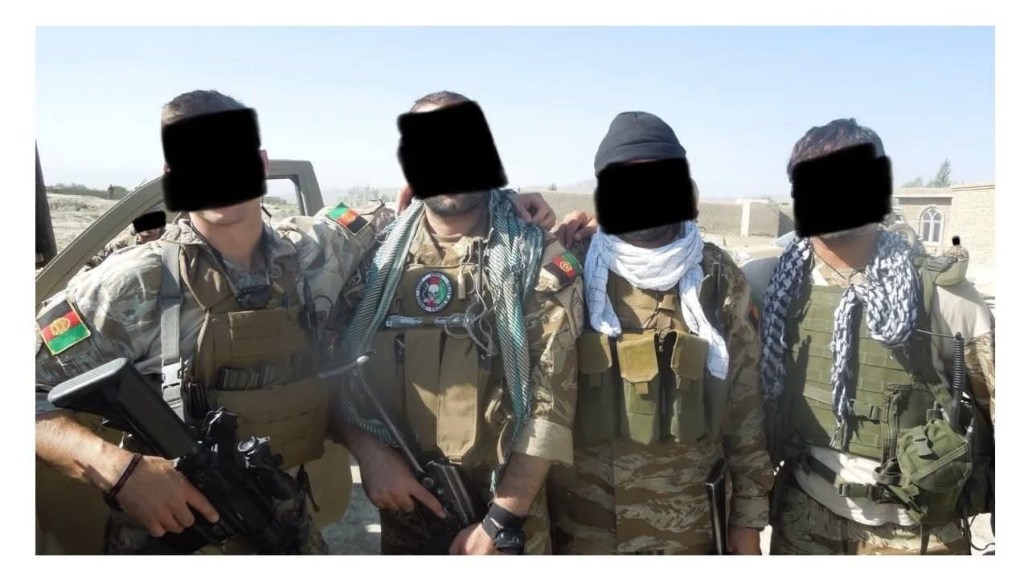
Iranian Leadership Casts CIA Recruitment Appeal as Proof of Regime Destabilization Efforts In a move that dispenses with even the pretense of neutrality, the CIA’s verified X account publicly issued a Persian-language appeal urging Iranians to contact the agency through secure channels, promising it can “hear your voice.” The message included instructions on using Tor… Continue reading
-
Convergence in the Persian Gulf
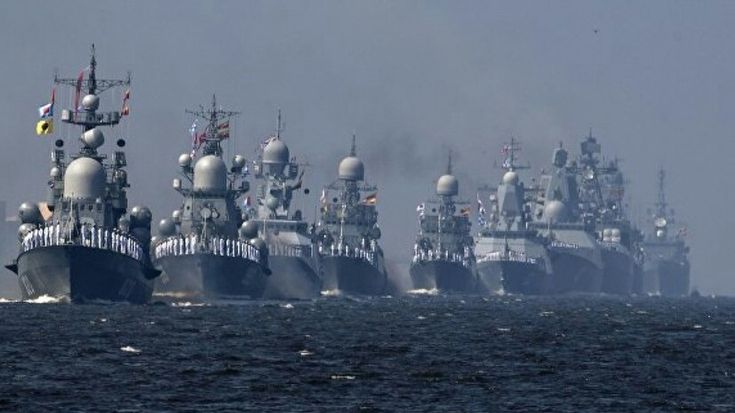
Convergence among Iran, China, and Russia in the Strait of Hormuz alters American risk calculations, though it does not remove the structural capacity of the United States to initiate military action. American primacy in the Strait of Hormuz rests upon a maritime doctrine shaped by Alfred Thayer Mahan’s classic argument that control of sea lanes… Continue reading
AI and Digital Control, China, economics, Energy, EUROPE, Financial markets, Foreign Policy, Geopolitics, Global Finance, israel, middle east, Mineral Resources, NATO, politics, Russia, warasymmetric warfare, BRICS, China, deterrence theory, energy security, Eurasian integration, Fifth Fleet, financial warfare, great power competition, Gulf geopolitics, iran, Maritime Security Belt, multipolarity, naval strategy, Persian Gulf, Russia, sanctions, sea power, Strait of Hormuz, United States Navy
