
Game Theory
-
Cuba in the Face of Economic Blockade

Economic coercion, financial dominance, regime change policy, and Cuban state resilience within a prolonged asymmetric conflict For more than six decades the United States has maintained a comprehensive system of economic coercion against Cuba that began under Dwight D. Eisenhower and was consolidated under John F. Kennedy following the failed invasion at the Bay of… Continue reading
AI and Digital Control, China, economics, Energy, Financial markets, Foreign Policy, Geopolitics, NATO, politics, Russia, warCaribbean geopolitics, Center for a Free Cuba, chaos theory, Cuba, Cuban health system, Cuban Revolution, dollar hegemony, economic blockade, economic sanctions, extraterritorial sanctions, financial warfare, Game Theory, humanitarian impact of sanctions, lobbying influence, madman theory, maritime interdiction, National Endowment for Democracy, neoliberalism, Non-Aligned Movement, Office of Foreign Assets Control, Oil Tanker Seizures, regime change policy, secondary sanctions, Sovereignty, United Nations General Assembly votes on Cuba, United States, US-Cuba Democracy PAC, US–Cuba relations, weaponised interdependence -
Negotiations or Non-Negotiations? Seven Visits, Zero Resolution
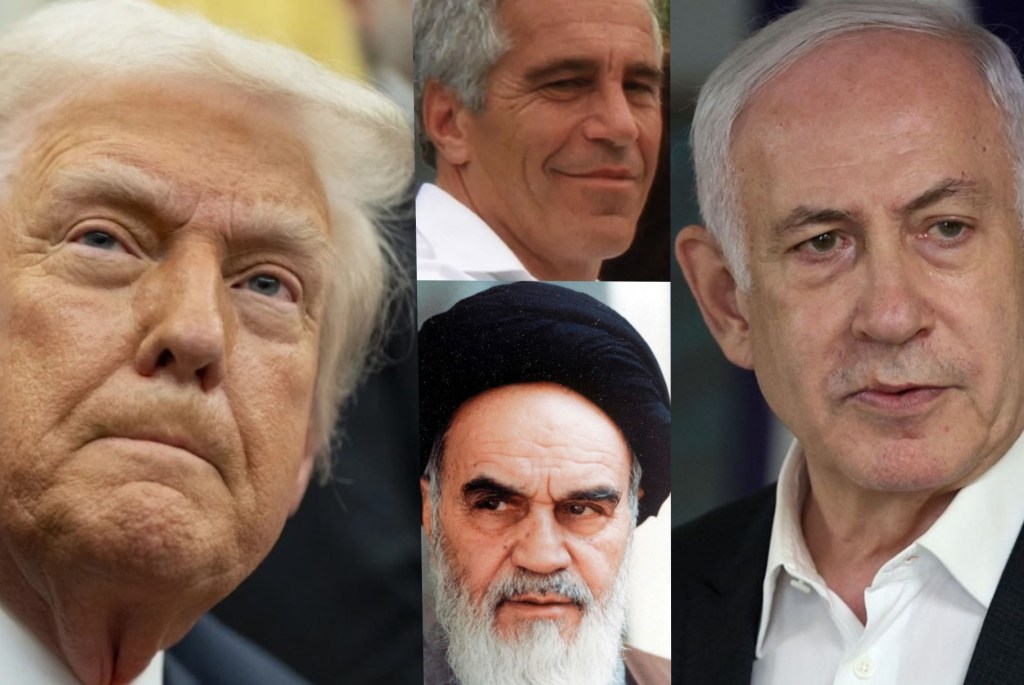
Netanyahu’s Washington Visits, Maximalist Demands, Domestic Vulnerabilities, Strategic Deadlock, and the Risk of Miscalculation on Iran Benjamin Netanyahu’s seventh visit to the White House within a twelve-month period takes place amid a dense convergence of military escalation, financial instability, and domestic political exposure within both the United States and Israel. Netanyahu arrives in Washington on… Continue reading
AI and Digital Control, America, Financial markets, Foreign Policy, Geopolitics, Global Finance, israel, Mineral Resources, NATO, politics, Russia, waralliance management, ballistic missiles, brinkmanship, deterrence theory, domestic political pressure, epstein files, financial instability, Foreign Policy, Game Theory, institutional trust, international security, Iran nuclear negotiations, maximalist demands, Middle East diplomacy, military escalation, Netanyahu, nuclear proliferation, proxy conflicts, strategic deadlock, US Israel relations, White House -
The U.S Occupation of Nigeria Begins
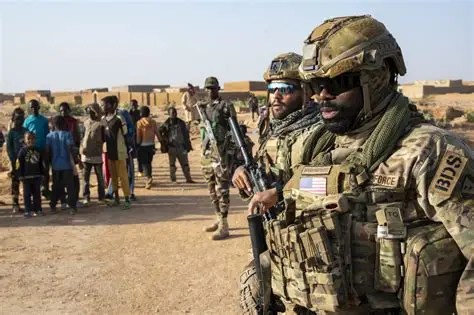
The Quiet Invasion of Nigeria Under the Banner of Peace: How the War on Terror Masks Resource Interests in Nigeria The recent announcement that the United States has deployed military personnel to Nigeria under the banner of counter-terrorism has generated significant debate about the true motivations behind such interventions. “This decision was announced in the… Continue reading
africa, AI and Digital Control, America, economics, Energy, Financial markets, Foreign Policy, Geopolitics, Global Finance, Mineral Resources, NATO, politics, reserve currency, warchaos theory, counter-terrorism, Game Theory, Geopolitics, global power dynamics, Hegelian dialectic, imperialism, international relations, military intervention, Mineral Resources, neocolonialism, Nigeria, oil and gas, political economy, resource politics, security studies, Sovereignty, strategic interests, US foreign policy, West Africa -
The West v. East GeoEconomic Warfare For Financial Primacy
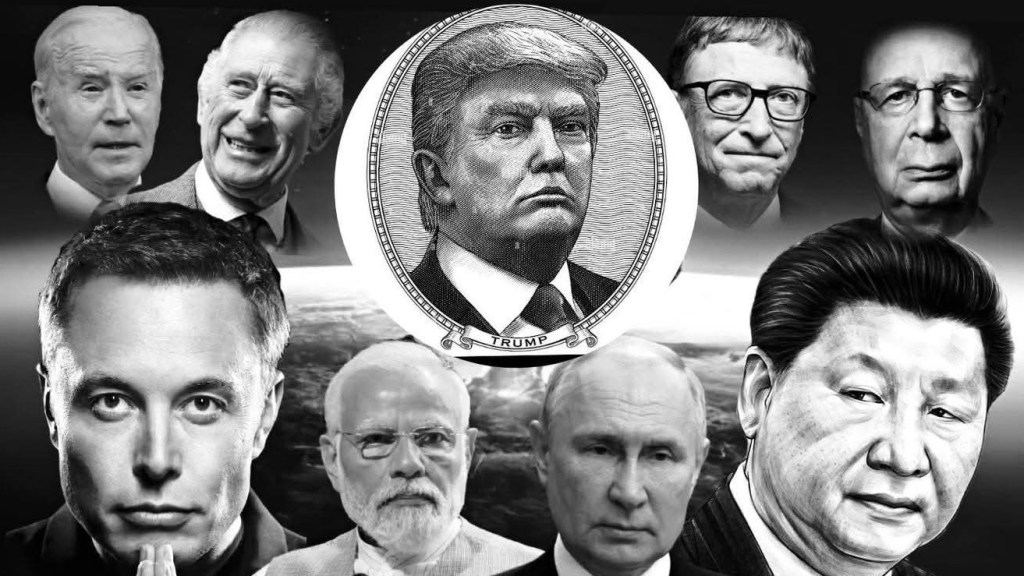
Monetary Systems, Power, and the Struggle to Shape and Control the Global Order for the Coming Generations West versus East; it is a war, for now, a smart kind of war, but one that results in a “permanent fragmentation” of the global financial architecture. This architecture that evolved after the Second World War rested upon… Continue reading
AI and Digital Control, America, China, economics, EUROPE, Financial markets, Foreign Policy, Geopolitics, Global Finance, israel, middle east, Mineral Resources, NATO, politics, reserve currency, Russia, South East Asia, warCBERS, chaos theory, Eastern Financial Systems, Economic Security, financial warfare, Game Theory, Geoeconomics, Global Finance, Gold Markets, Industrial Capacity, Minsky, Monetary sovereignty, Physical vs Paper Assets, reserve currency, sanctions, Silver Markets, Strategic Competition, Sun Tzu, SWIFT, US Dollar Dominance, West vs East -
The Dollar System and the End of Fiat Global Monetary Order

The Decline of Fiat Credibility and End of Monetary Universality in a Fragmenting Global Economy What is unfolding within the international monetary and financial system is more accurately described as de-fiatisation rather than de-dollarisation, because the structural erosion concerns confidence in state issued credit money rather than exclusive rejection of the United States dollar. Benjamin… Continue reading
-
On the Verge of Iran War
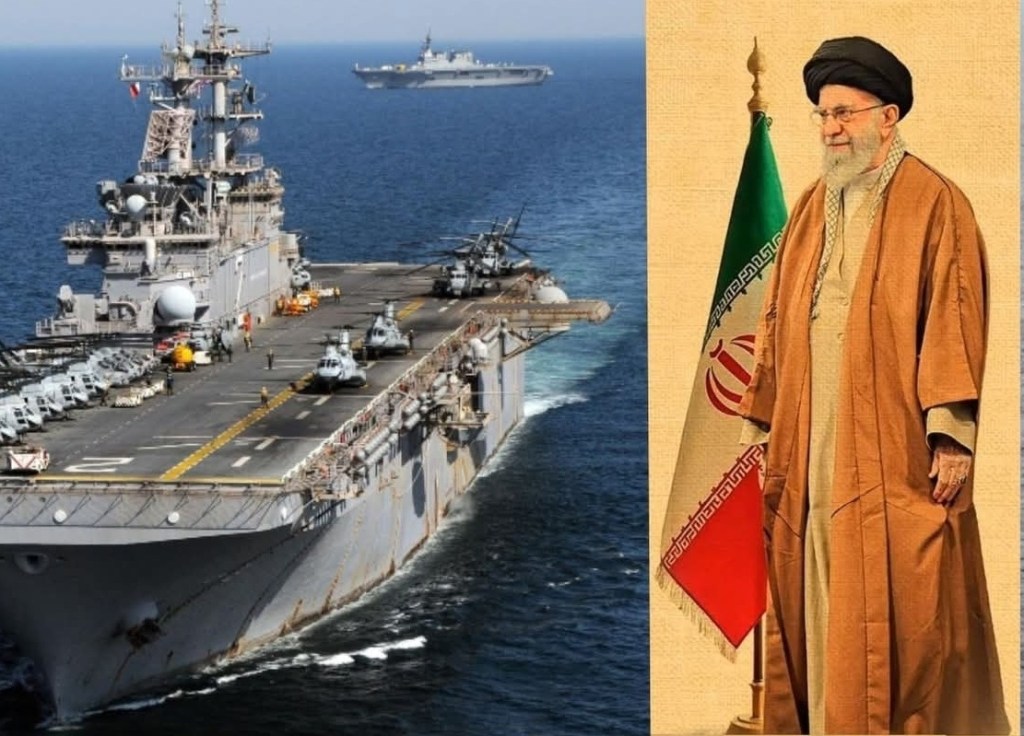
The region braces for war as U.S.-Israel-Iran conflict could start at any moment, affecting both regional security and global markets. The confrontation involving Iran, the United States, and Israel has reached a stage where military forces are positioned for rapid action, diplomatic efforts are secondary to military readiness, and the risk of escalation depends largely… Continue reading
-
The Persistence of an Unwinnable War
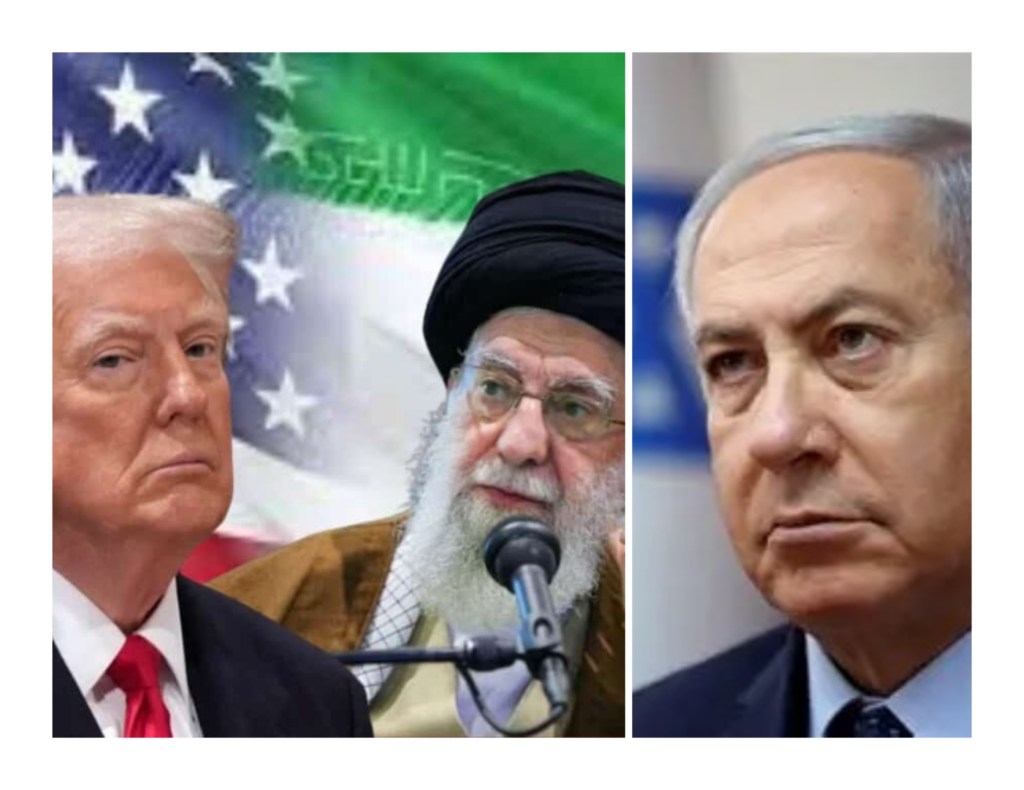
U.S.–Israeli Strategy Has Strengthened the Adversary It Sought to Break and Why Another War Is Likely to Reproduce Past Failures The current phase of confrontation unfolds amid an unprecedented concentration of military and naval forces across the Middle East, creating conditions widely recognised by defence analysts as consistent with imminent large scale conflict. Naval strike… Continue reading
-
Collapse of Western Power and the Global System in 2026
Monetary Weaponisation, Financial Fragmentation and Strategic Overreach during the Western Collapse Phase Western power in 2026 reflects the accumulated outcome of choices made since the end of the Cold War.The system did not drift accidentally into its present condition. Policy decisions consistently favoured financial expansion, global leverage, and institutional growth over domestic production and social… Continue reading
AI and Digital Control, America, China, economics, Energy, EUROPE, Foreign Policy, Geopolitics, Global Finance, israel, NATO, politicsArctic geopolitics, China Strategy, de-dollarisation, Elite Overproduction, Empire Decline, energy geopolitics, Financialisation, Game Theory, Geopolitics, Greenland Resources, Iran Sanctions, Kinetic Conflict Risk, multipolarity, Naval Escalation, Oil Tanker Seizures, political economy, sanctions warfare, Shadow Fleets, US foreign policy, Venezuela Oil, World War 3
