
Mineral Resources
-
BRICS needs strategic maritime cooperation – Putin aide

Why BRICS is moving toward maritime cooperation and why it has not become a military alliance Cooperation between the navies of member countries would help protect sea lanes, Nikolay Patrushev has said,speaking to Argumenty i Fakty (meaning “arguements and facts” ), a Russian weekly newspaper. ‘Our key task is building a multipolar order at sea.… Continue reading
-
Brussels Superheroes Assemble for Rearmament
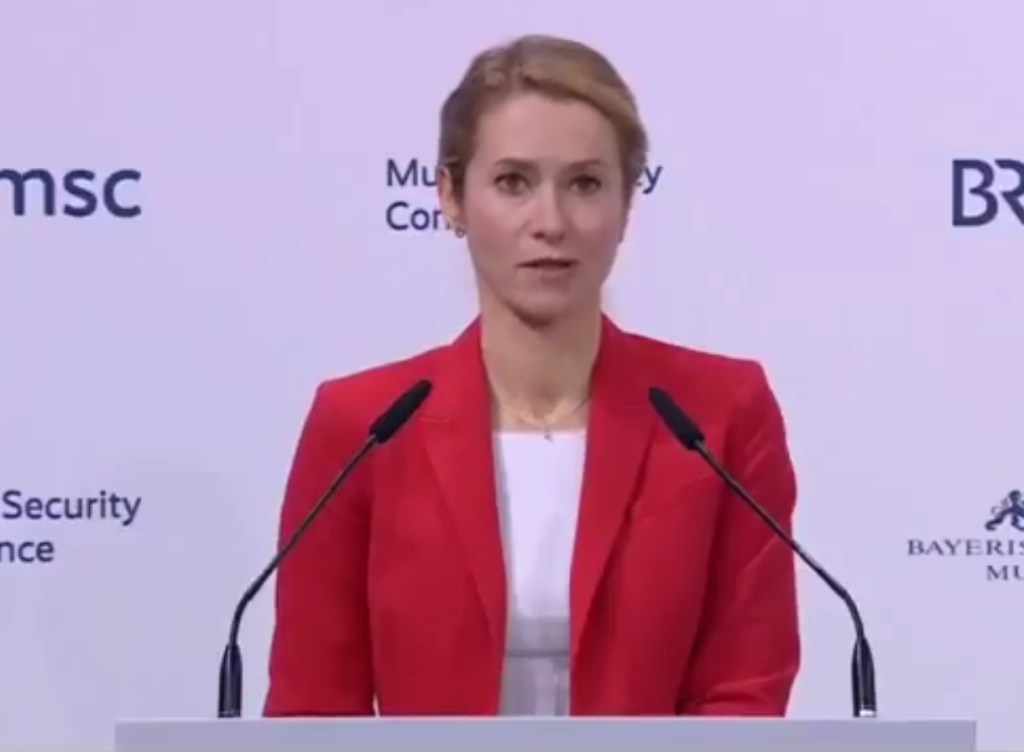
From comic-book metaphors to budgetary trade-offs: Security doctrine, fiscal sacrifice, industrial decline and geopolitical ambition in a European Union preparing for prolonged rivalry with Russia At the recent Munich Security Conference, the European Union’s High Representative Kaja Kallas framed the present strategic moment in language drawn from American popular culture. Addressing delegates, she declared “Europeans,… Continue reading
AI and Digital Control, America, economics, Energy, EUROPE, Financial markets, Foreign Policy, Geopolitics, Global Finance, israel, Mineral Resources, NATO, politics, wardefence spending, Emmanuel Macron, energy crisis, EU enlargement, EU rearmament, European Commission, European deindustrialisation, European security architecture, European sovereignty, European Union, five per cent GDP target, Franco-German relations, Friedrich Merz, Geneva peace talks, Hungary–EU dispute, joint EU borrowing, Kaja Kallas, Kirill Dmitriev, militarisation of Europe, Munich Security Conference, NATO, NATO war games, public opinion on defence spending, Russia–EU relations, sanctions on Russia, sergey lavrov, Slovakia–EU tensions, territorial negotiations, Ukraine accession, Ukraine war, Ursula Von Der Leyen, Viktor Orban -
Marco Declares Colonialist War on the Global South
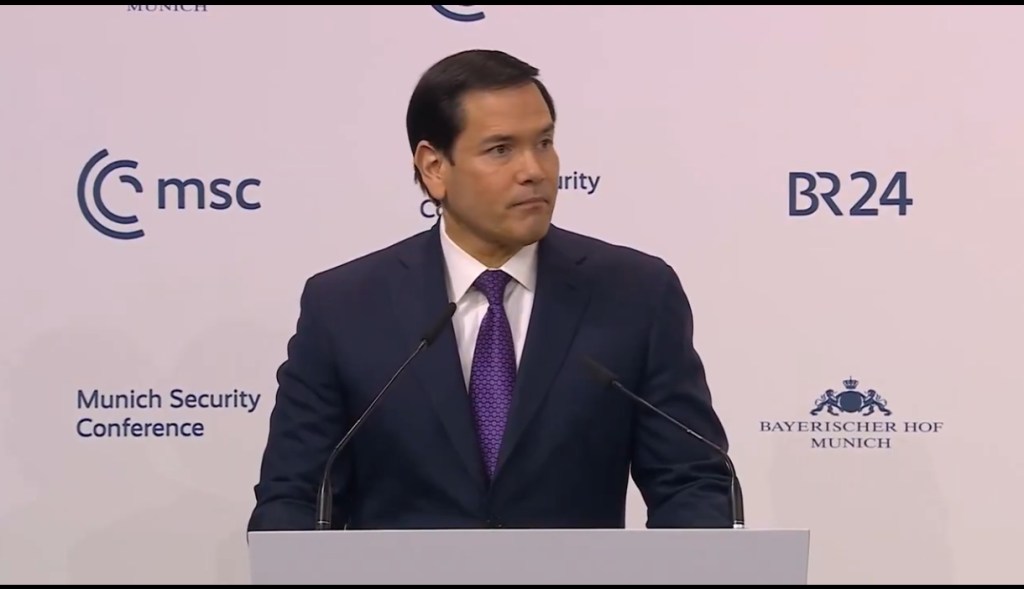
Marco Rubio’s Munich Declaration of Colonial Revivalism amid the Crisis of Western Primacy and the Rise of the Global South Marco Rubio used the Munich Security Conference to present a civilisational argument grounded in imperial expansion and Western dominance. He declared that “for five centuries, before the end of the Second World War, the West… Continue reading
-
The Greatest Robbery in Financial History Continues to Play Out in the Silver Market

An analysis of events surrounding the silver market dislocation of Friday 13 February, and the systemic mechanics that enabled it It’s Saturday morning, February 14, 2026, with global markets closed, the week’s turbulence in silver has come to a temporary halt. Over the preceding five trading days, February 9 through February 13, the market had… Continue reading
-
Russian Foreign Policy in a Fragmenting OrderLavrov at the State Duma and the Structure of Multipolar PowerInstitutional Continuity under Strategic Pressure
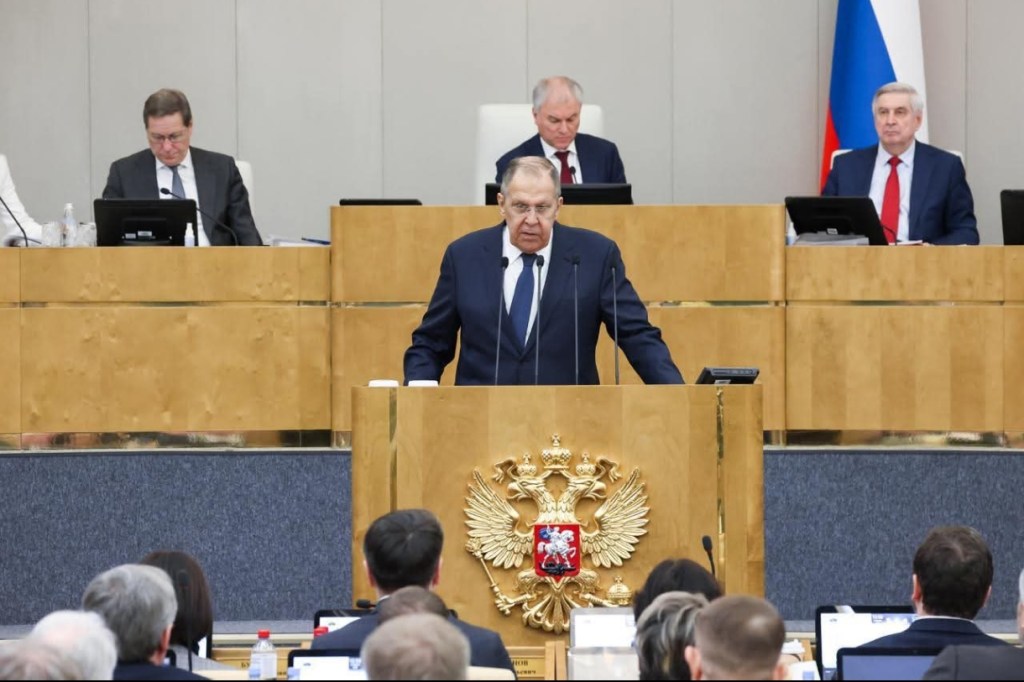
An opinion analysis of Russia’s systemic positioning amid global realignmentSecurity, law, and sovereignty in contemporary Russian diplomacy Foreign Minister Sergey Lavrov used the State Duma hearing to present a coherent account of Russian foreign policy under conditions described as structural change rather than episodic crisis. The remarks framed current conflicts as consequences of an exhausted… Continue reading
-
Negotiations or Non-Negotiations? Seven Visits, Zero Resolution
Netanyahu’s Washington Visits, Maximalist Demands, Domestic Vulnerabilities, Strategic Deadlock, and the Risk of Miscalculation on Iran Benjamin Netanyahu’s seventh visit to the White House within a twelve-month period takes place amid a dense convergence of military escalation, financial instability, and domestic political exposure within both the United States and Israel. Netanyahu arrives in Washington on… Continue reading
AI and Digital Control, America, Financial markets, Foreign Policy, Geopolitics, Global Finance, israel, Mineral Resources, NATO, politics, Russia, waralliance management, ballistic missiles, brinkmanship, deterrence theory, domestic political pressure, epstein files, financial instability, Foreign Policy, Game Theory, institutional trust, international security, Iran nuclear negotiations, maximalist demands, Middle East diplomacy, military escalation, Netanyahu, nuclear proliferation, proxy conflicts, strategic deadlock, US Israel relations, White House -
Why Zambia’s Mineral Wealth Has Not Produced Prosperity

Extraction without Accumulation: The Political Economy of Zambia’s Underdevelopment Zambia’s position within the global minerals economy conforms closely to John Perkins’ description, reflecting extraction structured through political control, legal asymmetry, and external economic power. Perkins wrote that modern economic structures operate “to convince leaders of underdeveloped countries to accept huge loans, so that even more… Continue reading
-
The Total Financial Subjugation of Iraq After 2003 by the United States
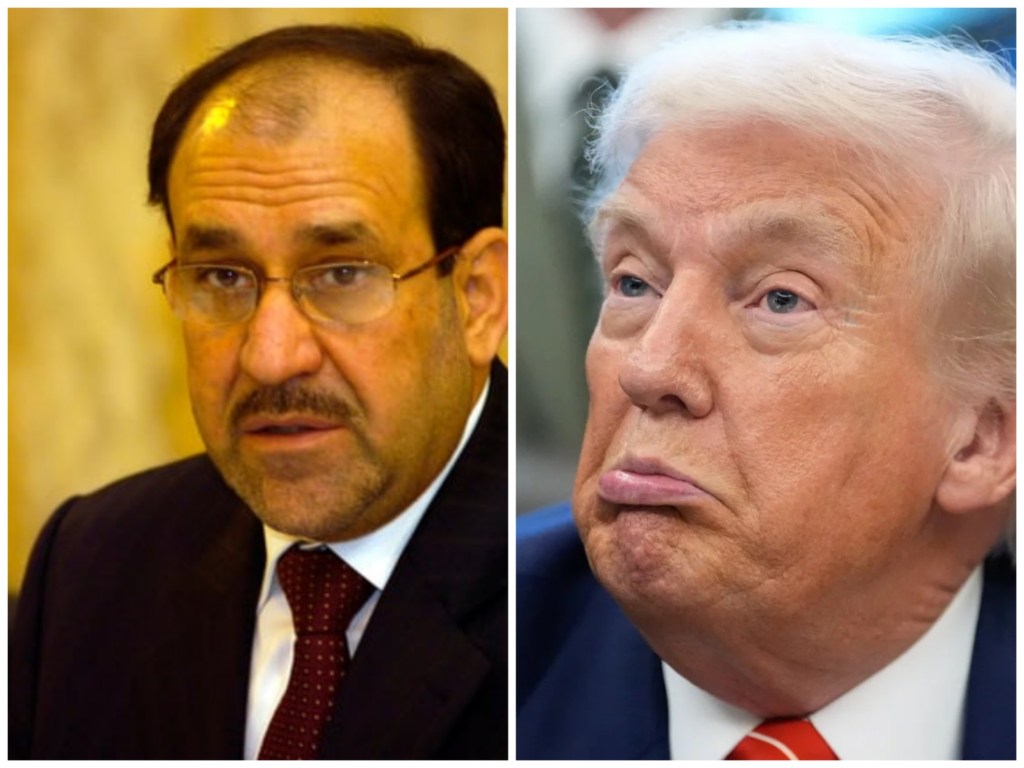
Why Iraq Governs Without Access to Its Own Income via an External U.S Banking Authority The United States exercises decisive control over Iraq through financial mechanisms established after the 2003 invasion, rather than through formal colonial administration or direct ownership of physical resources, a system Hussein Askary has described as “a complete financial and economic… Continue reading
economics, Energy, Financial markets, Foreign Policy, Geopolitics, Global Finance, israel, middle east, Mineral Resources, NATO, politics, warbanking compliance, corruption dynamics, Development Fund for Iraq, dollar dependency, economic coercion, Executive Order 13303, Federal Reserve Bank of New York, financial subjugation, Iraq, Monetary sovereignty, oil revenue custody, Oil-for-Food programme, political economy of Iraq, post-2003 occupation, post-occupation governance, Resolution 1483, Resolution 1956, sanctions architecture, Treasury control, United Nations Security Council, United States foreign policy -
The U.S Occupation of Nigeria Begins
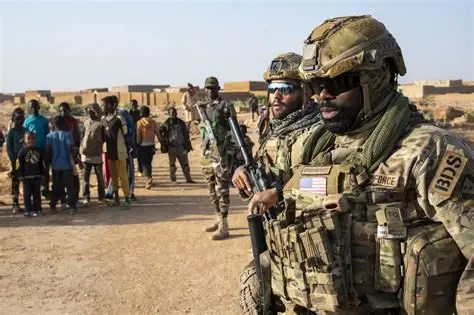
The Quiet Invasion of Nigeria Under the Banner of Peace: How the War on Terror Masks Resource Interests in Nigeria The recent announcement that the United States has deployed military personnel to Nigeria under the banner of counter-terrorism has generated significant debate about the true motivations behind such interventions. “This decision was announced in the… Continue reading
africa, AI and Digital Control, America, economics, Energy, Financial markets, Foreign Policy, Geopolitics, Global Finance, Mineral Resources, NATO, politics, reserve currency, warchaos theory, counter-terrorism, Game Theory, Geopolitics, global power dynamics, Hegelian dialectic, imperialism, international relations, military intervention, Mineral Resources, neocolonialism, Nigeria, oil and gas, political economy, resource politics, security studies, Sovereignty, strategic interests, US foreign policy, West Africa -
The West v. East GeoEconomic Warfare For Financial Primacy
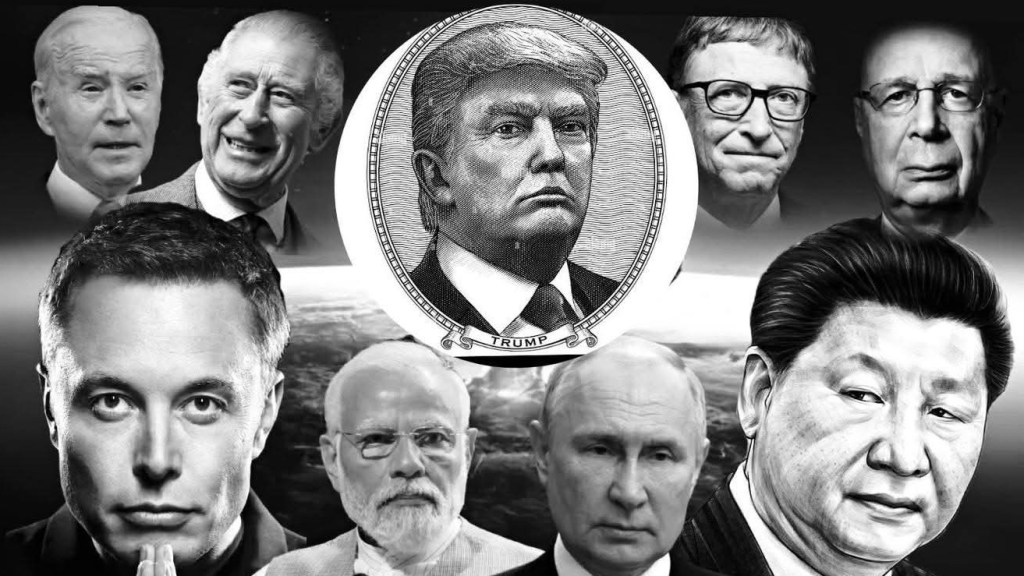
Monetary Systems, Power, and the Struggle to Shape and Control the Global Order for the Coming Generations West versus East; it is a war, for now, a smart kind of war, but one that results in a “permanent fragmentation” of the global financial architecture. This architecture that evolved after the Second World War rested upon… Continue reading
AI and Digital Control, America, China, economics, EUROPE, Financial markets, Foreign Policy, Geopolitics, Global Finance, israel, middle east, Mineral Resources, NATO, politics, reserve currency, Russia, South East Asia, warCBERS, chaos theory, Eastern Financial Systems, Economic Security, financial warfare, Game Theory, Geoeconomics, Global Finance, Gold Markets, Industrial Capacity, Minsky, Monetary sovereignty, Physical vs Paper Assets, reserve currency, sanctions, Silver Markets, Strategic Competition, Sun Tzu, SWIFT, US Dollar Dominance, West vs East
