
Mineral Resources
-
Gulf States Caught in the Crossfire
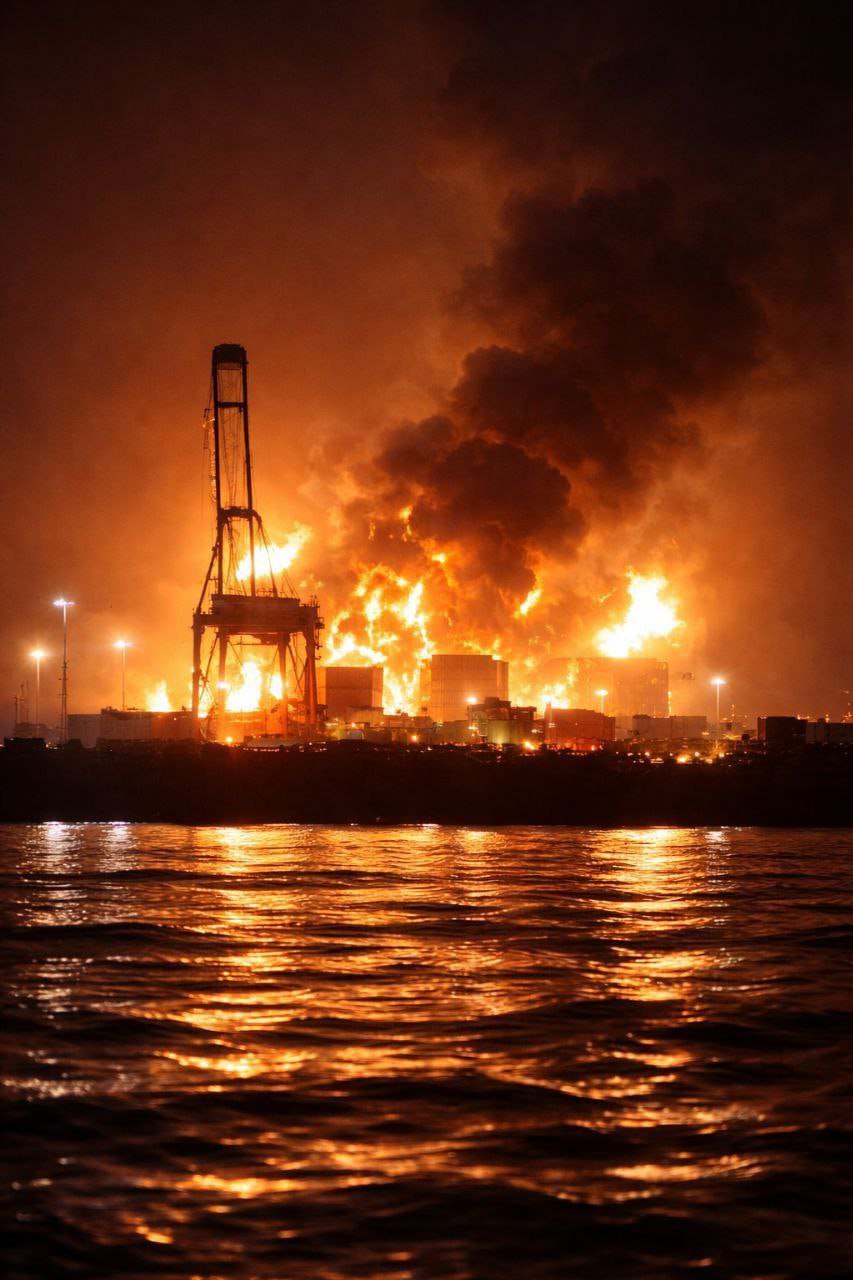
How decades of reliance on Washington expose the Gulf to economic and military vulnerabilities Resentment is quietly mounting across the capitals of the Gulf Cooperation Council, as a convergence of strategic, economic, and political pressures forces a reassessment of long-standing alliances with Washington. Reports emerging from Riyadh, Abu Dhabi, and Doha suggest that these states… Continue reading
-
The Hormuz Pressure Point Forces a Diplomatic Search for a Face-Saving Settlement
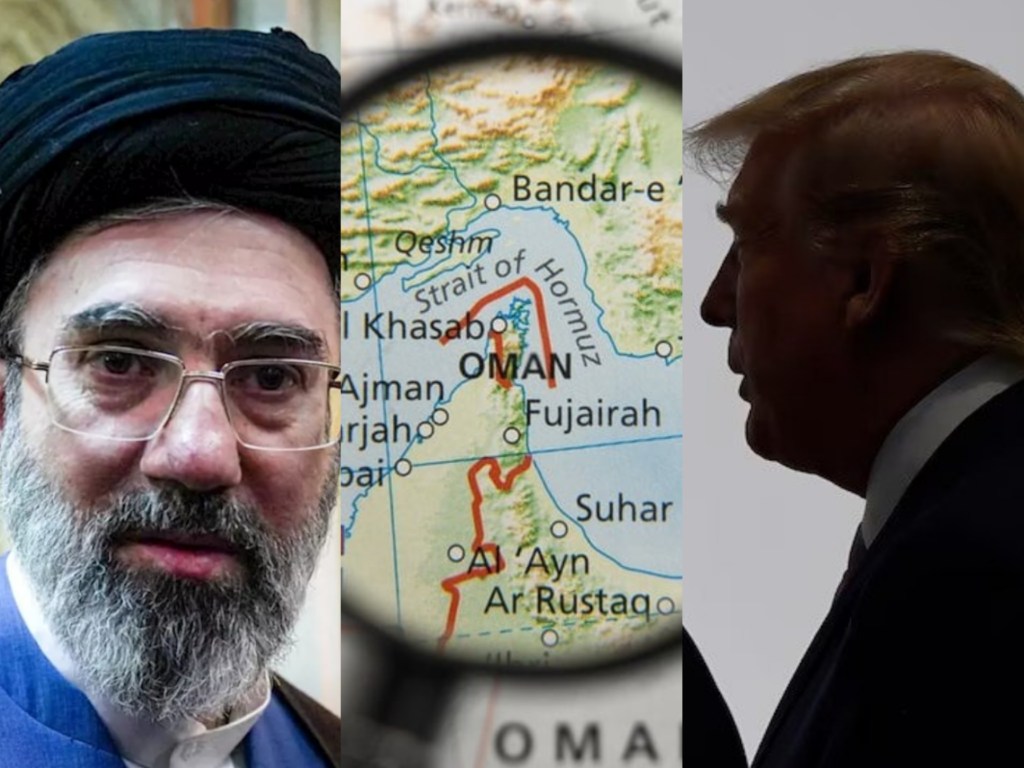
Oil market destabilisation reshapes battlefield calculations imposing a strategic dilemma of war termination under conditions of asymmetric pressure Strategic conflict between the Islamic Republic of Iran and the United States–Israel alliance developed across nearly half a century of sanctions, covert operations, proxy warfare, assassinations of Iranian officials and nuclear scientists, and repeated military confrontations across… Continue reading
AI and Digital Control, America, economics, Energy, Financial markets, Foreign Policy, Geopolitics, Global Finance, iran, israel, middle east, Mineral Resources, NATO, politics, reserve currency, Russia, warasymmetric warfare, Drone Warfare, economic disruption, economic warfare., energy security, geopolitical economy, geopolitical strategy, global energy markets, Gulf security, international diplomacy, iran, israel, Middle East geopolitics, military strategy, missile warfare, oil markets, sanctions, Strait of Hormuz, strategic deterrence, United States, war of attrition, war termination -
Europe Divided as War with Iran Tests the Union’s Strategic Identity

A public clash between EU leaders reveals deeper tensions over intervention, the limits of the rules-based order, and Europe’s role in a widening Middle Eastern conflict. A rare public disagreement between senior European Union leaders has exposed a widening strategic divide within the bloc over the United States-Israeli war against Iran, raising questions about Europe’s… Continue reading
-
Iran War Blunder Seen Through the Law of Unintended Consequences
Strait of Hormuz disruption, sanctions blowback, and energy market chaos exposing the fragility of globalisation and accelerating geopolitical realignment Economic history repeatedly demonstrates the law of unintended consequences operating with particular force during military escalation and coercive sanctions regimes. The confrontation surrounding Iran now produces cascading disruptions across energy markets, alliances, shipping networks, and domestic… Continue reading
AI and Digital Control, America, China, economics, Energy, EUROPE, Financial markets, Foreign Policy, Geopolitics, Global Finance, iran, israel, middle east, Mineral Resources, NATO, politics, Russia, technology, warenergy chokepoints, energy geopolitics, energy security, Geopolitics, global energy markets, globalisation critique, international political economy, international trade routes, LNG markets, oil markets, Russia energy trade, sanctions blowback, sanctions policy, Strait of Hormuz, strategic miscalculation, supply chain disruption, unintended consequences, West Asia conflict -
War Decided: Who Throws the First Punch
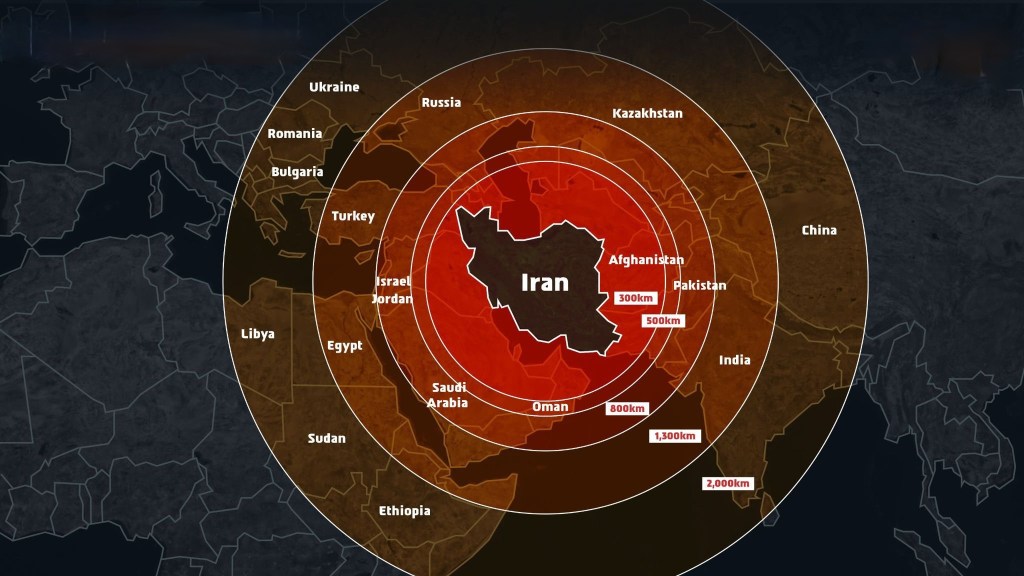
Netanyahu’s Closing Horizon But Washington Prefers Israel to Strike, and How Political Liability Is Being Engineered Before Escalation Senior advisers to President Donald Trump have signalled, in reporting carried by Politico, that an Israeli first strike on Iran would provide a more favourable political predicate for subsequent American entry into war. Officials familiar with internal… Continue reading
AI and Digital Control, America, China, economics, Energy, EUROPE, Financial markets, Foreign Policy, Geopolitics, Global Finance, israel, middle east, Mineral Resources, NATO, politics, reserve currency, warBalkanisation doctrine, bipartisan foreign policy consensus, Brzeziński grand strategy, carrier strike group movements, Chinese satellite intelligence, CM-302 missiles, congressional war authority, F-22 deployment, first strike doctrine, Fordow nuclear facility, Geneva nuclear talks, great power competition, Hezbollah escalation risk, Isfahan nuclear complex, Israel–Iran conflict, Israeli security doctrine, Middle East power realignment, munitions depletion risk, Natanz nuclear site, Netanyahu security architecture, pre-emptive strategy, regime change strategy, Taiwan contingency planning, US foreign policy, US–China strategic rivalry, US–Iran war, USS Gerald R Ford, War Powers Resolution, war sequencing, zero enrichment dispute -
Nuclear Transfer Allegations and Black Sea Sabotage Claims Raise Direct NATO-Russia Confrontation Risk

Russian claims of covert nuclear transfers to Ukraine and Black Sea pipeline sabotage point to escalation risks beyond conventional war, with consequences for non-proliferation and EU energy security Recent statements from Vladimir Putin and Russia’s Foreign Intelligence Service have introduced allegations that certain NATO members are considering the covert transfer of nuclear weapons components to… Continue reading
-
The Unraveling of Global Power: Trust, Shadow Governance, and the Rise of Technofeudalism
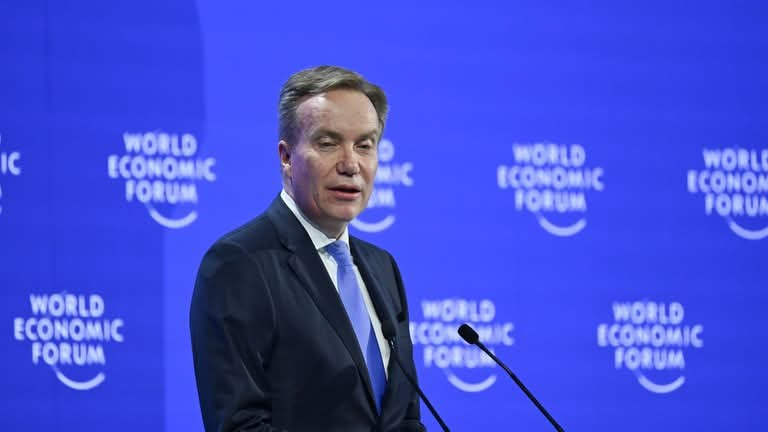
How the Resignation of Borge Brende Exposes the Fragility of Institutions and the Dystopian Agendas Shaping Our Future The resignation of Borge Brende from the World Economic Forum (WEF) over his connections to the convicted sex offender Jeffrey Epstein serves as a poignant reminder of the fragility of institutional trust and the repercussions of shadow… Continue reading
AI and Digital Control, America, economics, Energy, EUROPE, Financial markets, Foreign Policy, Geopolitics, Global Finance, israel, Mineral Resources, NATO, politics, technology, warAgenda 2030, Børge Brende, corruption exposure, credibility crisis, digital surveillance, dystopian agendas, Epstein scandal, geopolitical power, global elites, global governance, global power, institutional corruption, institutional trust, power structures, public trust, shadow governance, technocratic control, technofeudalism, transparency, WEF crisis, World Economic Forum -
Convergence in the Persian Gulf
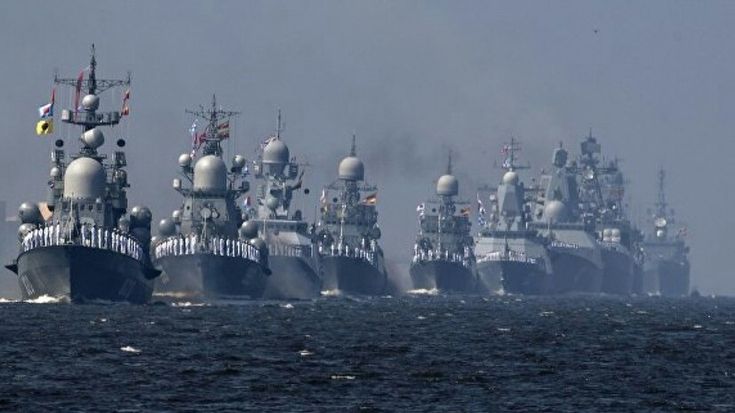
Convergence among Iran, China, and Russia in the Strait of Hormuz alters American risk calculations, though it does not remove the structural capacity of the United States to initiate military action. American primacy in the Strait of Hormuz rests upon a maritime doctrine shaped by Alfred Thayer Mahan’s classic argument that control of sea lanes… Continue reading
AI and Digital Control, China, economics, Energy, EUROPE, Financial markets, Foreign Policy, Geopolitics, Global Finance, israel, middle east, Mineral Resources, NATO, politics, Russia, warasymmetric warfare, BRICS, China, deterrence theory, energy security, Eurasian integration, Fifth Fleet, financial warfare, great power competition, Gulf geopolitics, iran, Maritime Security Belt, multipolarity, naval strategy, Persian Gulf, Russia, sanctions, sea power, Strait of Hormuz, United States Navy -
“As you probably know, I represent the Rothschilds”

The systemic link between dynastic banking interests and the Epstein trafficking case, and the operation of entrenched financial power beyond partisan politics and conventional scrutiny. In February 2016 Jeffrey Epstein sent an email to Peter Thiel stating, “As you probably know, I represent the Rothschilds.” That sentence entered the official record of the United States… Continue reading
-
No Longer Untouchable – From Scandal to Constitutional Crisis
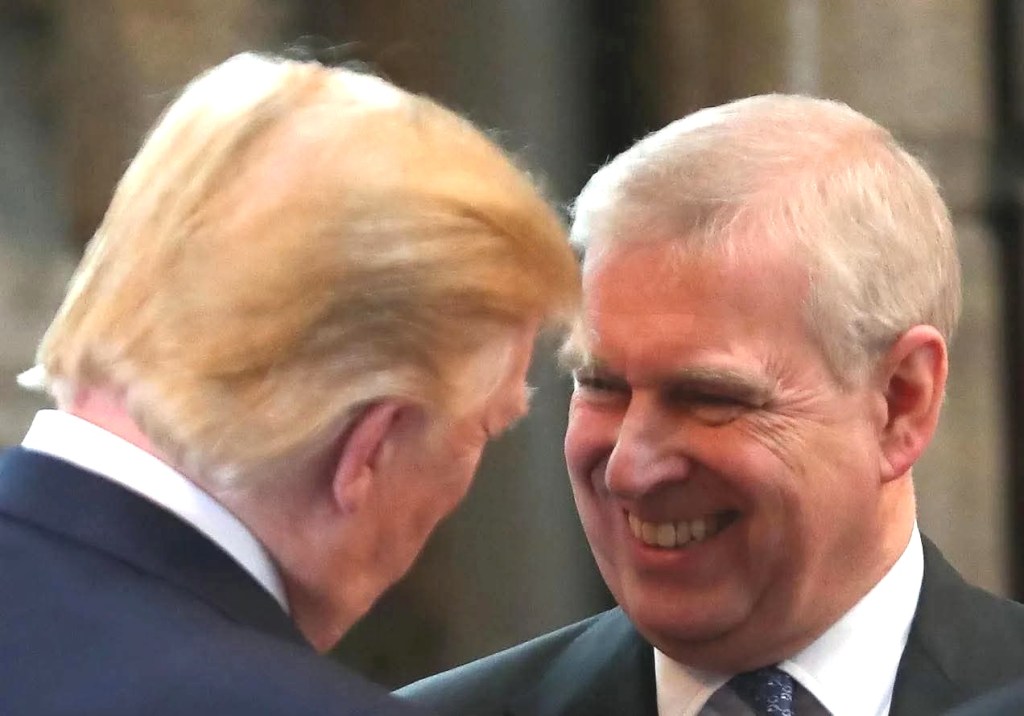
Why Andrew Mountbatten-Windsor’s legal jeopardy marks a turning point for Britain’s Monarchy exposing institutional vulnerability, public distrust, and the limits of hereditary immunity The arrest of Prince Andrew, legally Andrew Mountbatten-Windsor, on suspicion of misconduct in public office over his links to Jeffrey Epstein marks a rare moment in British constitutional history. Officers from Thames… Continue reading
